

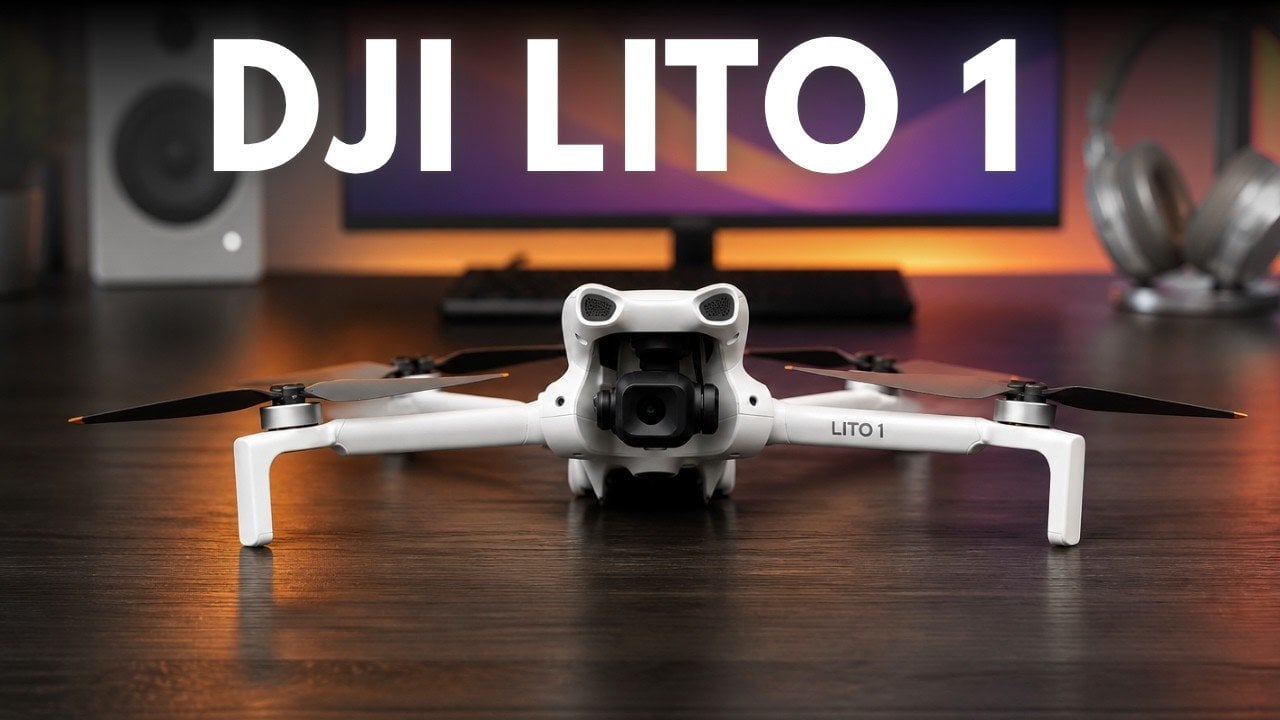
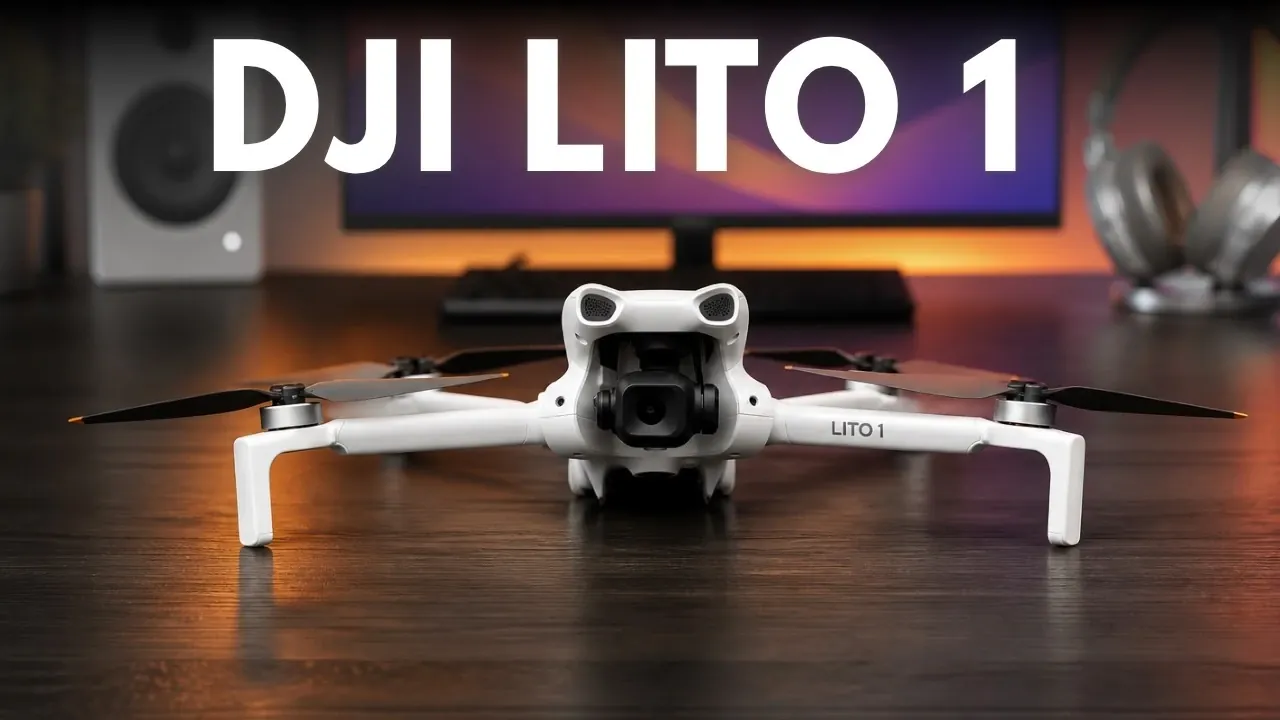
The DJI Lito 1 represents a thoughtful approach to entry-level drones, balancing affordability with advanced functionality. As highlighted by Tech Court, this drone offers a top horizontal speed of 18 m/s and a flight time of approximately 26 minutes, outperforming many competitors in its class. These capabilities, combined with its agility and stability, make it a reliable choice for both beginners and experienced pilots. However, compromises such as limited accessory compatibility and reliance on microSD cards for storage reflect its focus on maintaining accessibility without inflating costs.
Explore how the Lito 1’s 48MP camera delivers sharp 4K video at 60fps, its intelligent automation features like FocusTrack and MasterShots simplify aerial photography and its O4 transmission system ensures stable connectivity over long distances. You’ll also gain insight into the practical trade-offs, such as the absence of internal storage and support for ND filters and learn how these design decisions influence its usability. Whether you’re a hobbyist or a semi-professional user, this breakdown will help you understand the Lito 1’s strengths and limitations for your aerial needs.
Outstanding Flight Performance
TL;DR Key Takeaways :
- The DJI Lito 1 offers exceptional flight performance with a top speed of 18 m/s, 26-minute flight time and stability in challenging conditions, outperforming competitors in its class.
- Equipped with a 48MP 1/2-inch camera sensor, it captures 4K video at 60fps, delivering high-quality footage for casual users and semi-professionals, though it has limitations in low-light conditions and lacks advanced color grading options.
- Smart features like FocusTrack, MasterShots, Hyperlapse Mode and Follow Mode simplify aerial photography, making it accessible for users of all experience levels.
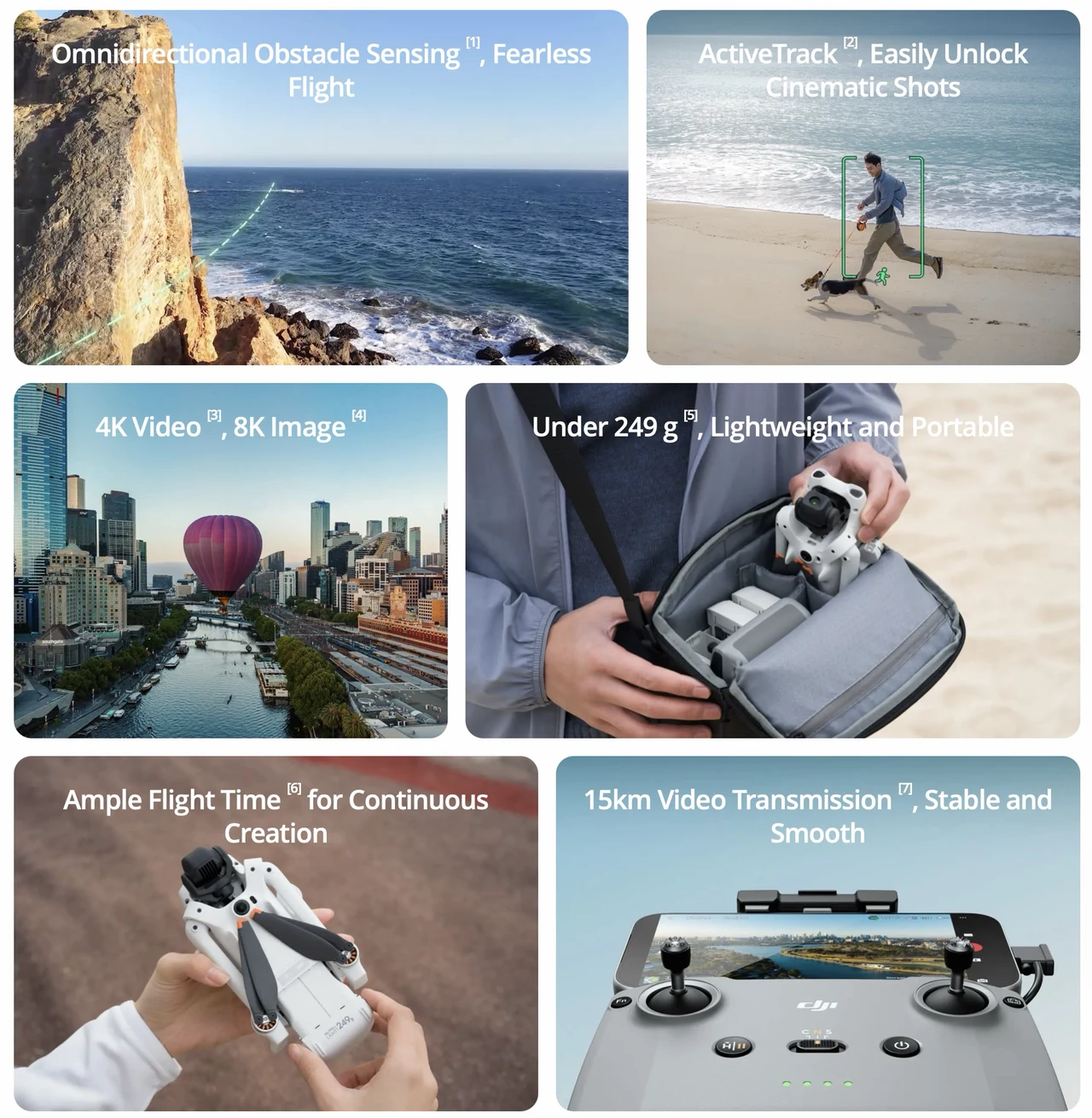
- Using DJI’s O4 transmission system, the drone provides a stable 1080p60 live video feed with a range of up to 6,200 meters, making sure reliable connectivity during flights.
- While it lacks internal storage and compatibility with Mini-series batteries, its thoughtful design includes a charging hub and efficient power management, making it a practical and affordable choice for entry-level users.
The DJI Lito 1 excels in flight performance, outperforming competitors like the Atom 2S and earlier Mini-series drones. With a top horizontal speed of 18 m/s and ascent and descent rates of 7 m/s, it delivers a responsive and stable flying experience. Real-world tests confirm a flight time of approximately 26 minutes, which surpasses many models in its class, including the Mini 4 Pro. This extended flight duration allows users to capture more footage with fewer interruptions for battery changes, making it a dependable choice for extended aerial sessions. The drone’s agility and stability ensure smooth operation, even in moderately challenging conditions, further enhancing its appeal to both novice and experienced pilots.
High-Quality Camera and Video Capabilities
Equipped with a 48MP 1/2-inch camera sensor, the DJI Lito 1 is capable of recording 4K video at 60 frames per second. This setup produces sharp, vibrant footage under well-lit conditions, making it suitable for casual users and semi-professionals alike. However, the smaller sensor size limits its performance in low-light environments and the absence of advanced color grading profiles such as DLOG or HLG may deter professional videographers seeking more extensive post-production flexibility. Despite these limitations, the camera’s performance is impressive for its price range, offering excellent value for users looking to capture high-quality aerial imagery without a significant financial investment.

Below are more guides on DJI drone from our extensive range of articles.
Smart Features for Effortless Aerial Photography
The DJI Lito 1 simplifies the process of capturing professional-looking footage with a range of intelligent automation features:
- FocusTrack and MasterShots: These tools enable users to create cinematic shots effortlessly, enhancing the creative potential of the drone.
- Hyperlapse Mode: Allows for the creation of time-lapse videos, though it is limited to a resolution of 1080p at 25fps.
- Follow Mode: Tracks moving subjects seamlessly, a feature that sets it apart from competitors like the Atom 2S.
These features make the Lito 1 an excellent choice for users with varying levels of experience, as they reduce the learning curve and enable the creation of dynamic content with minimal effort.
Reliable Video Transmission and Connectivity
The DJI Lito 1 utilizes DJI’s O4 transmission system, which provides a stable 1080p60 live video feed. With a tested range of up to 6,200 meters, the drone ensures consistent connectivity during most flight scenarios. However, the practical use of this range is often limited by the battery life, which typically runs out before the full transmission range can be fully utilized. This balance between range and battery efficiency highlights the Lito 1’s reliability in real-world conditions, making sure that users can maintain control and capture footage without interruptions.
Controller Options for Enhanced Usability
The DJI Lito 1 offers two controller options to suit different user preferences:
- RCN3 Controller: A functional and cost-effective option, though it lacks a scroll wheel for precise camera adjustments and has a less refined joystick feel.
- RC2 Controller: A premium option that provides a smoother and more intuitive flying experience, albeit at an additional cost.
For users prioritizing precision and ease of use, the RC2 controller is a worthwhile upgrade, offering enhanced control and a more enjoyable flying experience.
Battery and Storage Considerations
The Lito 1 is powered by a 2590mAh battery with an energy capacity of 18.96Wh, providing sufficient power for extended flights. However, it is not compatible with Mini-series batteries, which may inconvenience users transitioning from older models. Additionally, the drone lacks internal storage, relying entirely on microSD cards for data storage. While this design choice helps to keep costs down, it necessitates the purchase of high-capacity memory cards for longer recording sessions. These considerations are important for users planning to use the drone for extended or intensive projects.
Accessory Support and Workflow Optimization
For advanced users, the lack of support for ND filters or other lens accessories may limit creative possibilities. However, the inclusion of a charging hub with slots for extra memory cards is a thoughtful addition that streamlines the workflow. The Lito 1 also features a conservative return-to-home strategy, prioritizing safety and battery efficiency during automated landings. These features demonstrate a focus on practicality and user convenience, making the drone a reliable tool for a variety of applications.
A Balanced Choice for Entry-Level Users
The DJI Lito 1 sets a high standard for entry-level drones by offering features typically reserved for more expensive models. While it makes deliberate compromises in areas such as storage and accessory compatibility, its superior flight performance, intelligent automation and efficient power management make it a compelling option for hobbyists and semi-professional users. For those seeking an accessible yet capable drone, the Lito 1 delivers exceptional value, combining practicality with performance to meet the needs of a wide range of users.
Media Credit: Tech Court
Filed Under: Gadgets News, Top News
Disclosure: Some of our articles include affiliate links. If you buy something through one of these links, Geeky Gadgets may earn an affiliate commission. Learn about our Disclosure Policy.