

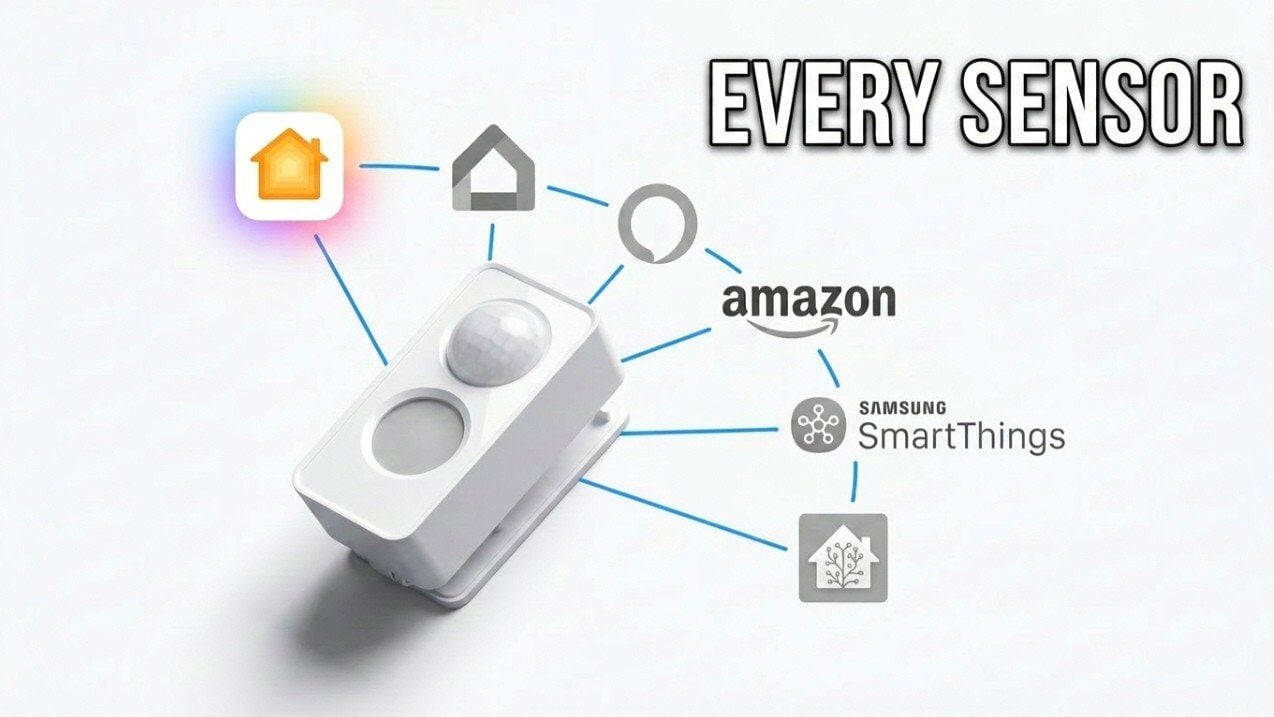
Many smart homes struggle with accurately detecting presence, which can lead to inconveniences like lights turning off unexpectedly or inefficient energy use. A Smarter House explains how millimeter wave presence sensors provide a solution by using radar technology to detect even subtle movements, such as breathing. Unlike traditional PIR sensors that may miss stillness, these sensors ensure consistent performance. Options range from the budget-friendly Lefair LWR01 to the feature-rich Aqara FP2, catering to a variety of preferences and budgets.
Discover how specific models address unique needs, such as waterproof designs like the Meeros MS605 for bathrooms or advanced zone control in the Aqara FP400 for larger spaces. Gain insight into compatibility with platforms using Thread and Zigbee protocols and learn how to manage potential challenges like false positives or installation requirements. This overview equips you with the knowledge to make an informed choice for your smart home.
How Millimeter Wave Sensors Work
TL;DR Key Takeaways :
- Millimeter wave sensors use radar technology to detect presence, even without significant motion, addressing the limitations of traditional PIR sensors and enhancing energy efficiency and convenience.
- Different radar frequencies (5.8 GHz, 24 GHz, 60 GHz) impact sensor range, resolution and wall penetration, while advanced chipsets enable features like multi-zone detection and fall detection.
- Popular sensor options range from affordable models like Lefair LWR01 to premium options like Aqara FP2, with features tailored to specific needs such as waterproofing, zone control and multi-person tracking.
- Platform compatibility is crucial, with protocols like Matter and Zigbee offering varying levels of interoperability and functionality, often requiring hubs or vendor-specific apps for advanced features.
- Room-specific recommendations include waterproof sensors for bathrooms, advanced zone control for open spaces and basic PIR sensors for hallways, while careful calibration is needed to avoid false positives.
Traditional PIR sensors are widely used due to their affordability but often fail to detect stillness, leading to inconveniences like lights turning off unexpectedly. Millimeter wave sensors overcome this limitation by employing radar frequencies such as 5.8 GHz, 24 GHz and 60 GHz. These frequencies allow the sensors to detect even subtle movements, such as breathing, making sure consistent presence detection.
The choice of radar frequency impacts the sensor’s range, resolution and ability to penetrate walls, making these devices versatile for various applications. Additionally, the performance of millimeter wave sensors is heavily influenced by their chipsets. Advanced chipsets enable features like multi-zone detection, fall detection and posture recognition, making these sensors particularly suited for smart homes that demand precise and reliable presence detection.
Comparing Popular Millimeter Wave Sensors
The market offers a variety of millimeter wave sensors tailored to different budgets and requirements. Below is a comparison of some popular models:
- Affordable Options:
- Lefair LWR01: A cost-effective sensor compatible with multiple platforms but occasionally prone to false positives.
- SwitchBot Presence Sensor: Combines 60 GHz radar with PIR technology for enhanced detection. Requires a hub for Matter protocol support.
- Mid-Range Options:
- Meeros MS605: Features three detection zones, IP67 waterproofing and long battery life, making it ideal for bathrooms and kitchens.
- Meeros MS600: A wired model offering wider coverage but less flexibility compared to battery-operated alternatives.
- Aqara FP300: Includes environmental sensors but requires Zigbee mode and a hub for advanced features.
- Premium Options:
- Aqara FP2: Offers advanced zone control, multi-person tracking and fall detection. Requires constant power and works best with a hub.
- Aqara FP400: An upcoming model with Thread protocol support, posture detection and reduced false positives.

Gain further expertise in smart home by checking out these recommendations.
Understanding Platform Compatibility
Platform compatibility is a critical factor when selecting a presence sensor. The Matter protocol, which operates over Thread, enhances interoperability and minimizes platform lock-in. However, some advanced features may not be accessible in Matter mode. Zigbee protocol, on the other hand, often unlocks the full functionality of sensors but necessitates additional hubs, such as the Aqara Hub M2.
Thread border routers, like the IKEA Dirigera or Apple’s HomePod Mini, provide network support for Thread-enabled devices. However, these routers typically lack device control capabilities, meaning vendor-specific apps may still be required for setup and advanced configurations. Making sure compatibility with your existing smart home ecosystem is essential for seamless integration.
Choosing Sensors for Specific Rooms
Selecting the right sensor depends on the unique requirements of each room in your home. Here are some recommendations:
- Bathrooms: Waterproof models like the Meeros MS605 are well-suited for humid environments.
- Home Offices: Reliable static presence detection is crucial. Consider the Aqara FP300 or Meeros MS605 for consistent performance.
- Hallways and Stairs: Basic PIR sensors are often sufficient for detecting motion in these areas.
- Open Plan Spaces: Advanced zone control and multi-person tracking make the Aqara FP2 or FP400 excellent choices.
Challenges to Consider
While millimeter wave sensors offer numerous advantages, they are not without challenges. Feature discrepancies across platforms can limit functionality, as some sensors require vendor-specific apps for initial setup and advanced configurations. Additionally, sensitivity settings must be carefully calibrated to avoid false positives caused by pets, fans, or airflow. These considerations highlight the importance of understanding the specific capabilities and limitations of each sensor before making a purchase.
What’s Next for Millimeter Wave Sensors?
The future of millimeter wave sensors is promising, with new models and features on the horizon. Upcoming devices like the Lefair LWR02 aim to integrate environmental sensors, while the Aqara Thermostat Hub W200 combines presence detection with smart climate control. These advancements are expected to further enhance the functionality and intuitiveness of smart home systems, offering even greater convenience and efficiency.
Media Credit: A Smarter House
Filed Under: Gadgets News, Top News
Disclosure: Some of our articles include affiliate links. If you buy something through one of these links, Geeky Gadgets may earn an affiliate commission. Learn about our Disclosure Policy.