

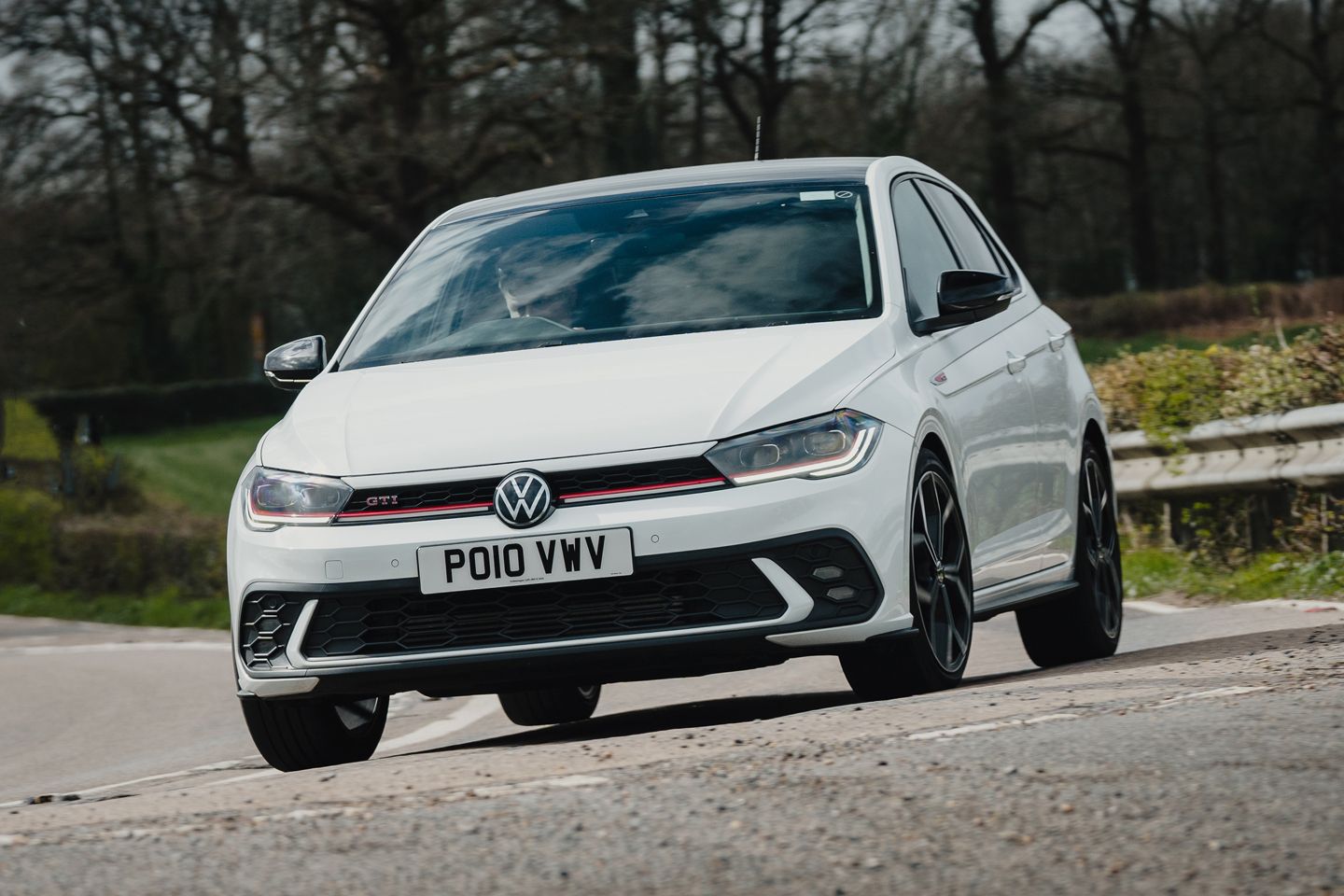
The Polo was not big and it was not clever. But it had a great name (only the Golf exceeds it in familiarity), and much like its big brother, it typically looked the part – especially when it came to the introduction of the Mk3 in 1994, a car that totally nailed the girl-friendly styling brief. It was so successful that the subsequent Mk4, despite earning a new platform, barely strayed from the formula. Both rode the wave of Europe’s long-running obsession with sensibly-priced B-segment hatchbacks, and helped VW rival the Ford Fiesta and Vauxhall Corsa in the UK.
There was a GTI too, though intermittently and less successfully marketed – partly a facet of its maker’s obsession with the sacrosanct positioning of the Golf GTI, partly because the job of making the Polo seem like a friendly runaround had undermined its credibility as a hot hatch, and partly because VW toyed with the idea of making the sharper-looking Seat Ibiza fit the enthusiast mould. But with the introduction of the Mk5, the manufacturer had another go – first with the twin-charged 1.4-litre motor, and then, post facelift, with a more conventional 1.8-litre TSI.
Amid the changeover, VW missed a trick. In 2013, it took the Polo rallying, effectively dominating the WRC for four years, a period that ought to have cast new light on the production model. But the limited edition R Street variant, finally earning the 220hp 2.0-litre engine from the Golf GTI, never made it to the UK. Granted, it never got the all-wheel-drive system befitting an homologated special (it was left to Audi to pioneer that option in the manifestly superior A1 quattro and then S1), but it finally gave the Polo the kind of visual gristle needed to persuade people that the sixth-gen Fiesta ST might not in fact be the best thing since sliced bread.

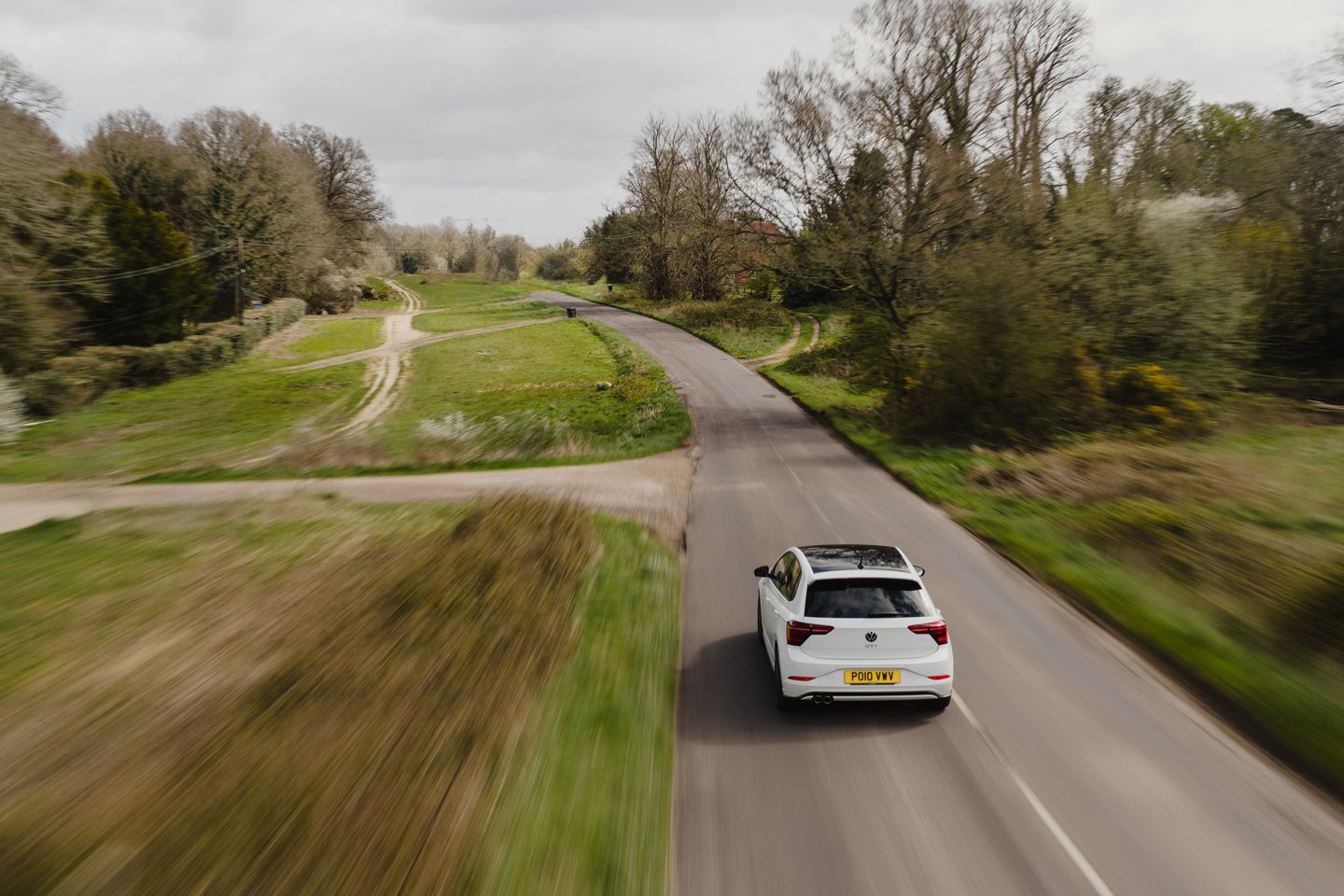
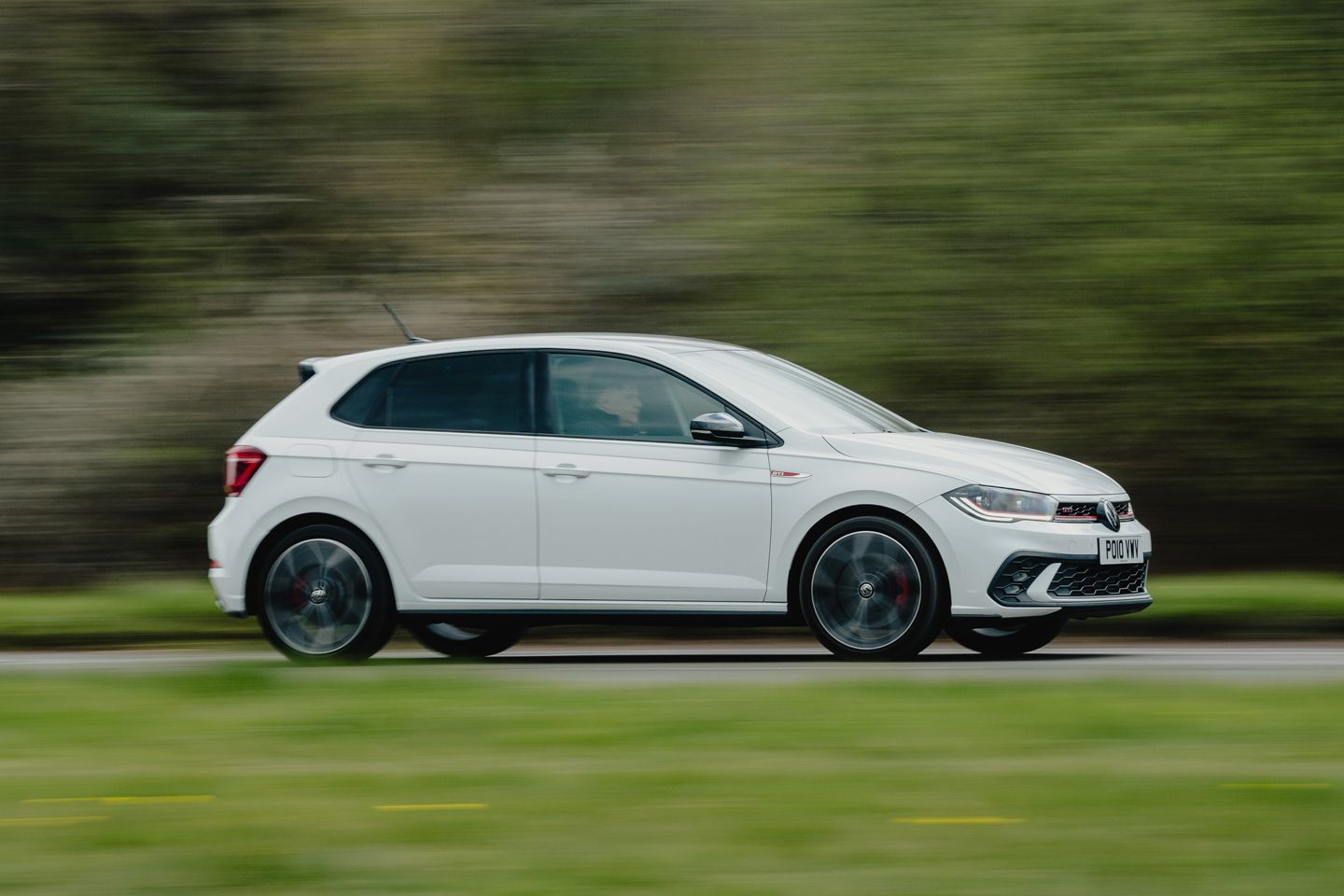
Sadly, it was not to be: hardly anyone remembers the WRC R Street now, and the chance for the Polo to carve a properly differentiated niche for itself in the UK was lost. Instead, with the follow-up Mk6, VW leaned in the opposite direction, using the shared MQB platform to nudge the model closer to the Golf GTI than it had ever been. This delivered the EA888 2.0-litre unit to the Polo for the first time, and arguably resulted in the best looking generation – one that could even be bought (albeit briefly) with a manual gearbox. But with 200hp from its detuned engine, its maker was still careful to make the junior partner slower, even if the weight difference versus the Mk7 Golf was now trifling.
We tested the cars back-to-back in the summer of 2018 and declared the choice a close run thing, based on the newness of the Polo’s interior and the all-court sorted-ness of its handling – and suggested that the smaller car, were it to receive the Performance Pack it deserved, might even edge ahead of its more famous sibling. Alas, despite having the best part of a decade to play with, that day never arrived. Aside from a light facelift in 2022, one that extracted a measly 7hp uplift in output terms, VW opted to never seriously move the game on. ‘Very agreeable’, we called it at the time. Driven four years later, this summation serves equally well as an epitaph for the GTI.
It says much about the car that VW has snuffed it out with precisely zero fanfare: officially, the model remains in production, though all of the UK build slots are now allocated, meaning that choice is now limited to existing stock. Compare and contrast that with the automotive equivalent of a state funeral that awaits the eventual demise of the combustion-engined Golf. Strategically speaking, the new battery-powered Polo (revealed earlier this week) is said to be supremely important, heralding a new wave of VW-branded EVs. Conceptually, though, expect it to conform rigorously to type: affordable, well-made, sensible, proficient and practical.
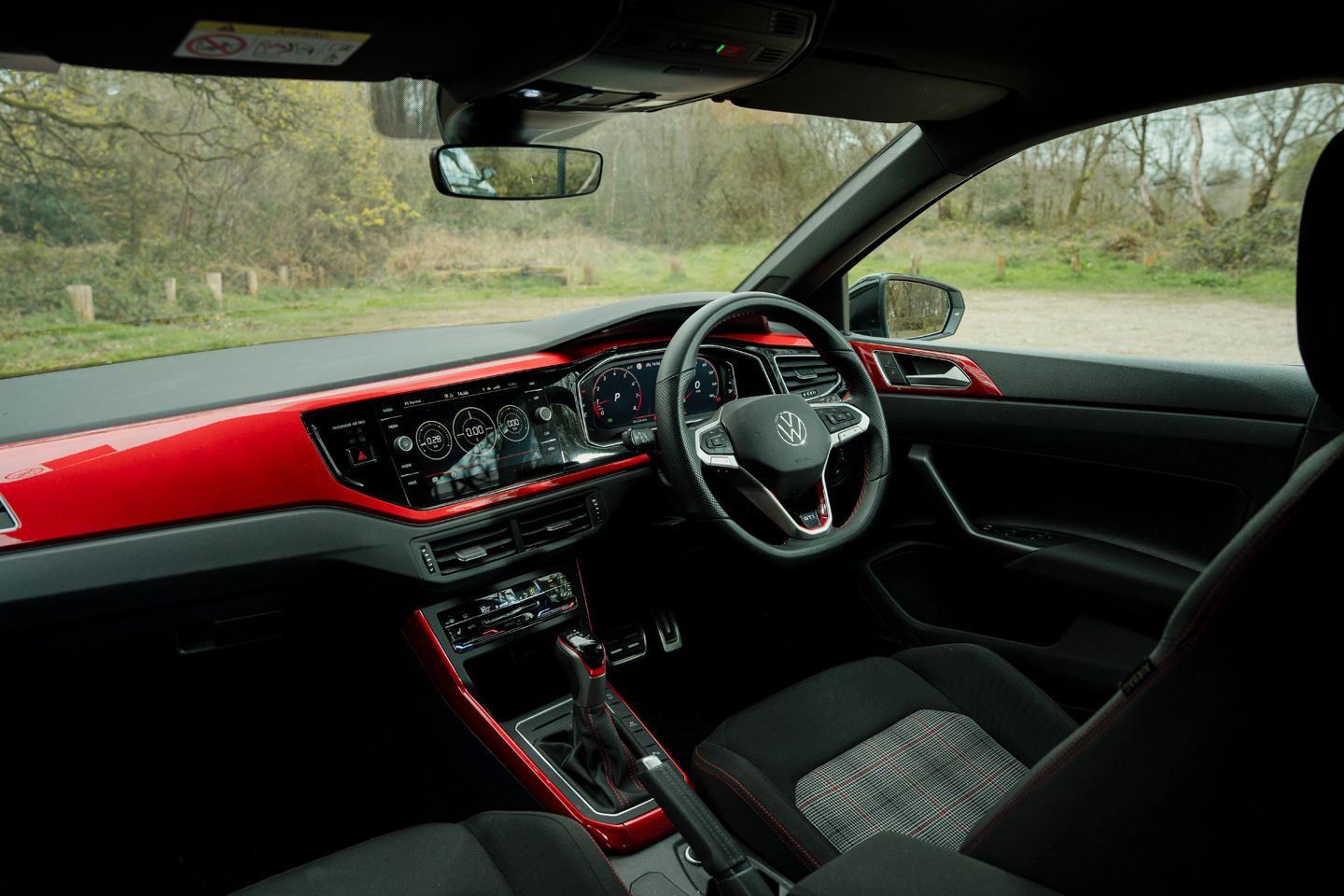
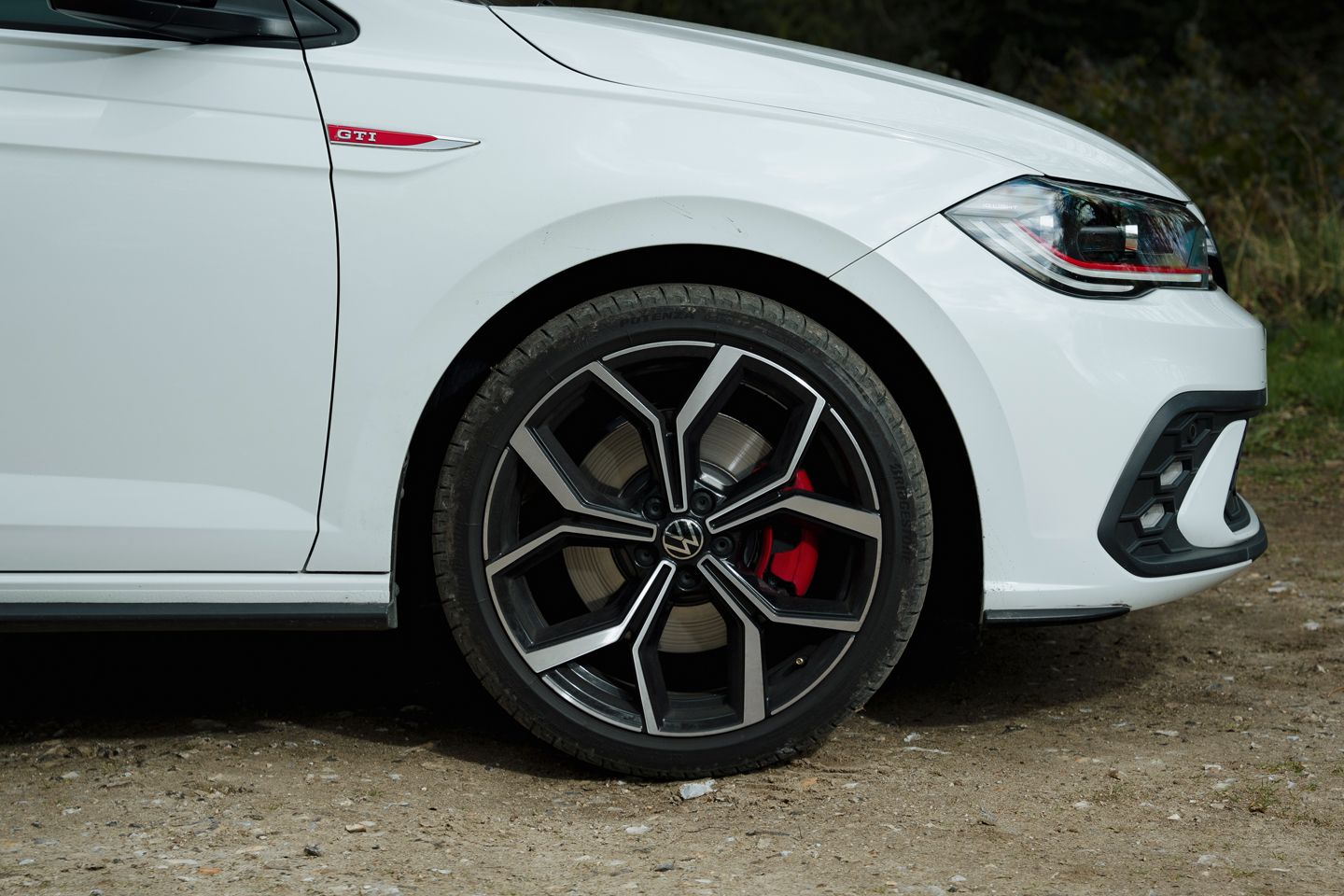
Hard to argue with those qualities in this year or any other. The GTI stuck to them doggedly till the end. Many years on from launch, it still feels thoughtfully put together, and because it’s from a previous generation of VW interiors, it is sensibly laid out, too. The smaller infotainment display and dedicated HVAC switchgear – not to mention the full-size gear lever – recall a time when functionality was championed in Wolfsburg. You won’t need long to comfy, just as you won’t need long to recall an era when small hot hatches were peppy and firmly sprung and much closer to one tonne than two.
Easy to forget based on time spent in its shadow, but the Polo was as quick as the Fiesta ST in a straight line, and an enduring emphasis on torque delivery means you accelerate smartly just about everywhere. This was always a strength of the seven-speed DSG, too; its capacity for quickly finding that point in the rev range where everything seems to be contentedly simmering – a distinction you could easily extend to the chassis, which defaults to a taut but always forgiving sort of compromise.
Control surfaces that seemed overly light back in the day are easily forgiven now, if only because the Polo responds so pleasingly to input: not in the glued-down way VW makes umpteen EVs go round corners, but with a permissive degree of lean that cues you into its limits. Of course, if you intend on riding roughshod beyond that point, the GTI’s failure to flamboyantly modify its line in the manner of an ST or i20 N or (heaven forbid) a Clio RS, was always its great undoing: VW wants you to pedal quickly with confidence and comfort, not by the seat of your pants.
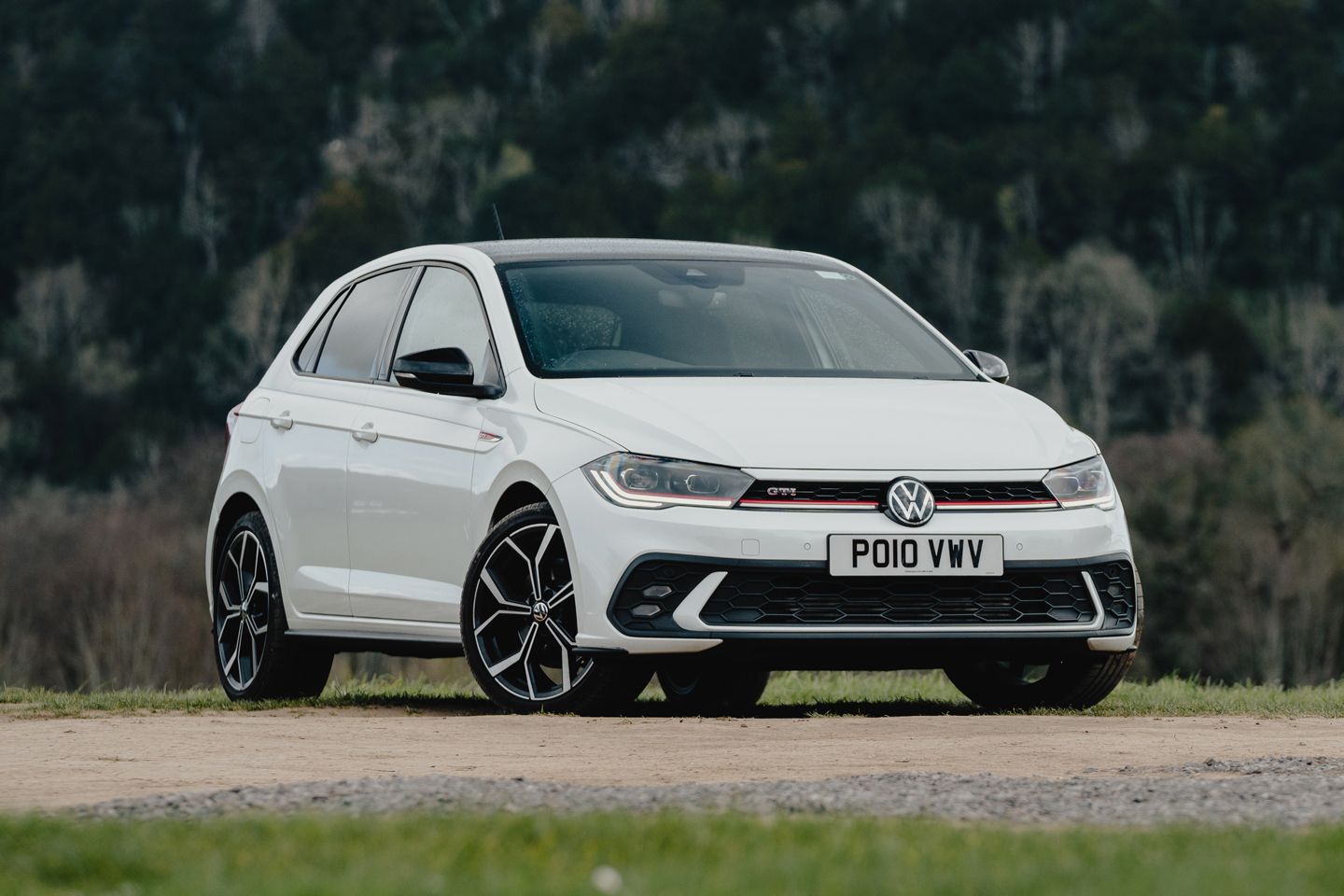
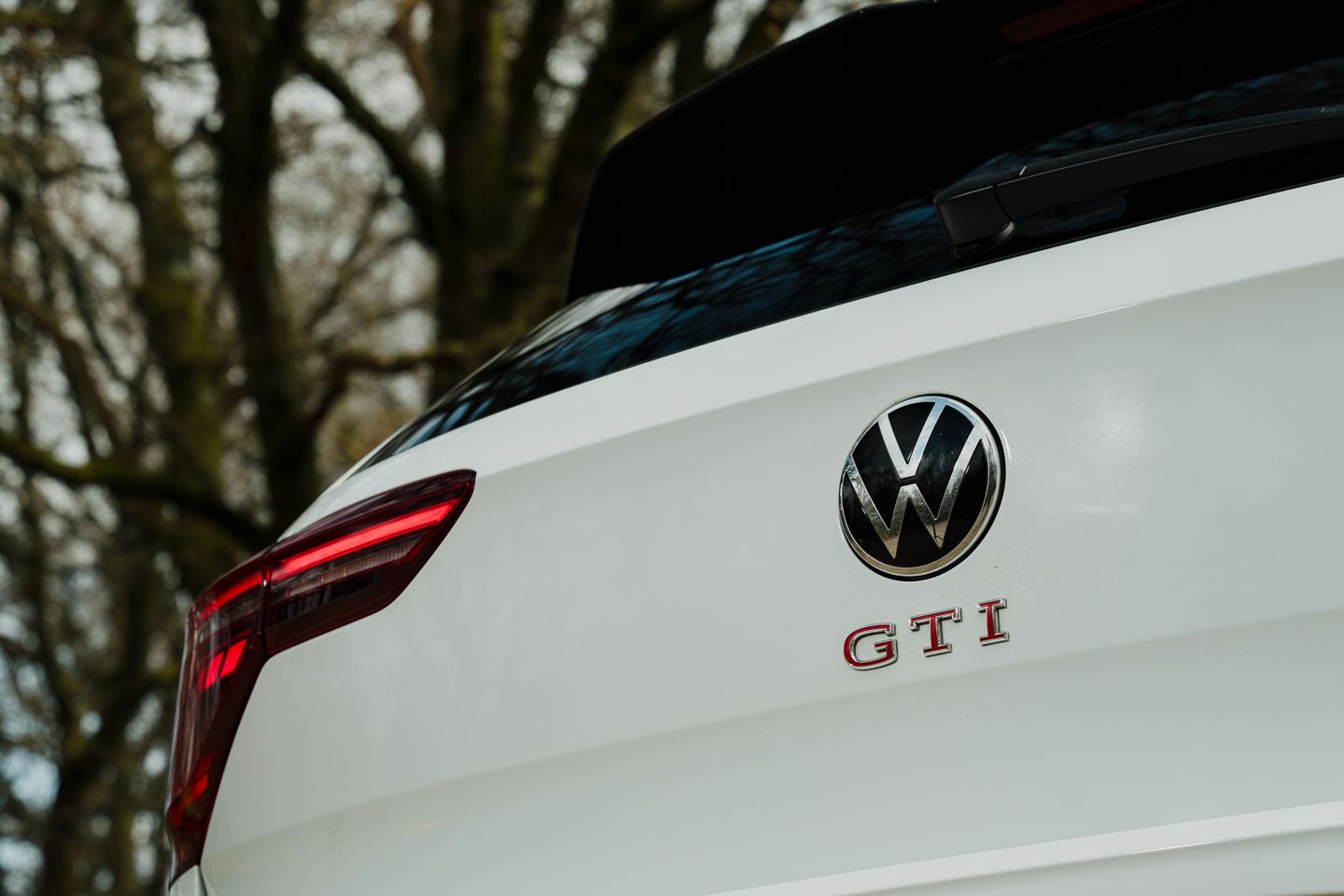
Not for the first time, the thought occurs that this preoccupation with a modest amount of pleasure at seven-tenths would have been better served by 245hp than the 207hp the GTI ended up with. Ditto the interactivity and directness of a manual transmission, which might’ve compelled owners to take greater liberties with the EA888’s power band, rather than allowing the auto to stick to the shallow end. As it is, the Polo is a fine reminder that VW’s bashful paddles are barely worth touching if there’s anything less than 300hp attached to the other end.
Still, if you need a reminder of the many other fine qualities that will depart the world with small, sparky combustion cars, the GTI, like the rest of its fast-disappearing peer group, provides it in spades. Perhaps VW was guilty of sticking too rigidly to the Polo’s somewhat staid blueprint – if ever there was a hot hatch that needed its hair letting down, this is it – nevertheless, it manages to convey much that is good and true about the cherubic combination of oversized motor and undersized footprint. In time, there will be a new Polo GTI to replace it, but it will be like its predecessor in name only. And like so many things in life, you cannot truly miss it until it’s gone for good.
Specification | Volkswagen Polo GTI
Engine: 1,984cc, turbocharged, inline four
Transmission: 7-speed dual-clutch automatic, front-wheel drive
Power (hp): 207
Torque (lb ft): 236 @ 1,500-4,500rpm
0-62mph: 6.5 secs
Top speed: 149mph
Weight: 1,371kg (EU)
MPG: 43.5
CO2: 148g/km
Price: £31,415
Price as tested: £33,620