

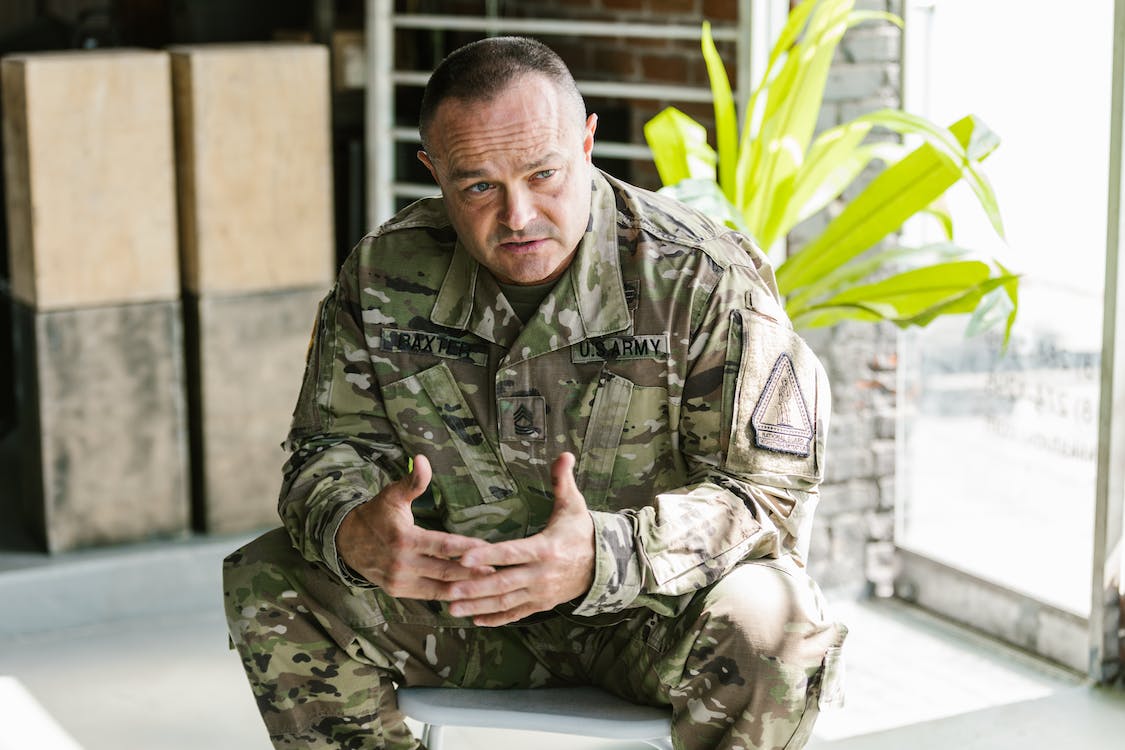
For many military veterans, the psychological impact of service continues long after they return home, shaping daily life in ways that are often hard to articulate. A new study published in the European Journal of Trauma & Dissociation suggests that one factor may quietly influence recovery more than others: the ability to find meaning in traumatic experiences.
The research examined 587 veterans who were actively seeking mental health treatment, using a detailed network analysis to explore how different aspects of resilience connect. Rather than treating resilience as a single trait, the study broke it down into specific thoughts and behaviours, revealing how they interact in real-world contexts.
Veterans face higher risks of conditions such as post-traumatic stress disorder, anxiety, depression, and suicide compared with the general population. Exposure to combat, life-threatening situations, and prolonged stress contributes to this pattern, yet outcomes vary widely between individuals.
What stood out in this study was the central role of meaning-making. Veterans who were able to make sense of their experiences appeared more likely to develop other adaptive responses, including emotional control, perspective-taking, and confidence in handling future challenges. This process sat at the centre of the resilience network, linking to multiple other coping behaviours.
The findings reflect the idea of post-traumatic growth, where individuals experience positive psychological change following adversity. This can include a stronger sense of personal strength, improved relationships, or a deeper appreciation for life. The study suggests that such growth may begin with how people interpret what has happened to them.
Other elements of resilience also played an important role. Behaviours such as viewing difficulties as opportunities for growth and learning from past experiences were among the most strongly connected factors. These patterns indicate that resilience is not a fixed quality but a dynamic process shaped by everyday thinking and behaviour.
Spiritual coping emerged as another notable feature. Responses related to prayer or reliance on a higher power were closely linked within the network, although researchers note that this may reflect the characteristics of the sample rather than a universal pattern.
The study does not claim that meaning-making directly causes recovery, as it is based on cross-sectional data rather than long-term tracking. However, the results provide a clearer picture of how different components of resilience fit together and influence one another.
This has implications for mental health treatment. Approaches that focus on helping individuals process trauma and reshape its meaning, such as cognitive processing therapy and exposure-based treatments, may support recovery more effectively than symptom-focused strategies alone.
The findings also challenge a narrow view of mental health that centres only on reducing distress. Recovery for many veterans appears to involve rebuilding a sense of purpose and identity, alongside managing symptoms.
Further research is needed to understand how these processes develop over time and whether they apply across more diverse groups of veterans. The current sample was largely male and already engaged in treatment, which may limit how widely the findings can be applied.