

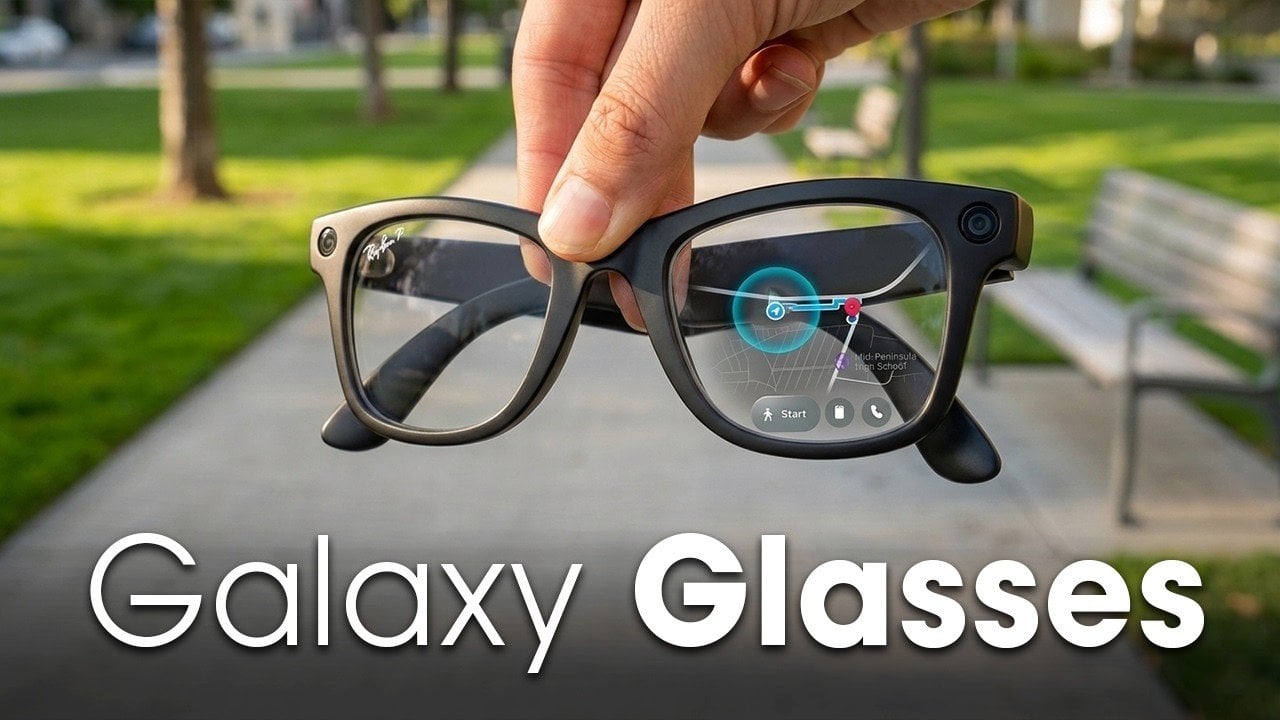
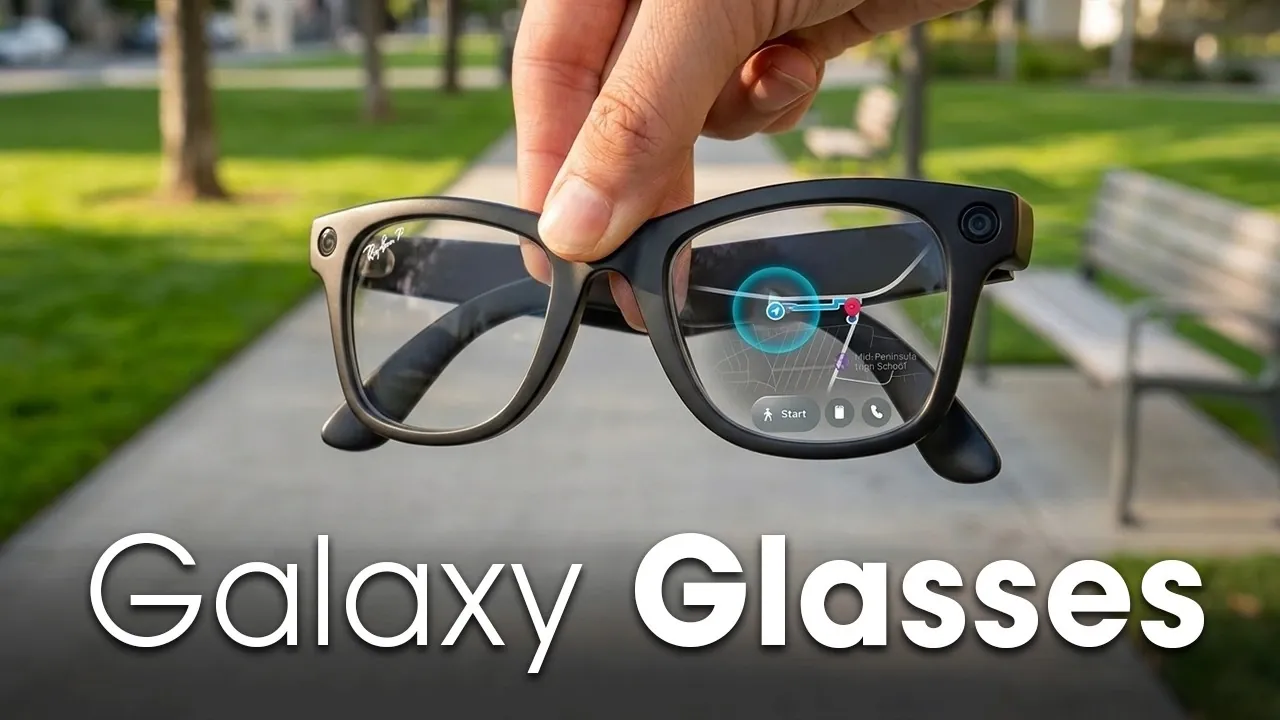
Samsung’s upcoming Galaxy Glasses are generating significant interest, particularly due to their built-in display and thoughtful design choices. With a 245mAh battery capacity, these smart glasses are positioned to support a lightweight yet functional heads-up display (HUD) system, offering features like notifications and navigation prompts without venturing into fully immersive augmented reality. TechAvid highlights how this battery size aligns closely with competitors like Meta, suggesting that Samsung is targeting a balance between energy efficiency and advanced functionality. This calculated approach reflects a focus on practicality while leaving room for future enhancements.
Dive into this analysis to explore how Samsung’s potential dual-version strategy—offering both display-equipped and simpler non-display models, could appeal to a wide range of users. You’ll also gain insight into how the Galaxy Glasses compare to Meta’s offerings in terms of battery capacity and functionality and what this means for the competitive landscape. Finally, understand how Samsung’s strategic choices aim to address diverse consumer needs while laying the groundwork for its role in the evolving wearable tech market.
Battery Capacity: A Key Indicator of Display Integration
TL;DR Key Takeaways :
- Samsung’s Galaxy Glasses will feature a built-in display powered by a 245mAh battery, focusing on heads-up display (HUD) technology for practical functionality.
- The glasses are expected to prioritize simplicity and energy efficiency, avoiding fully immersive AR systems while delivering essential features like notifications and navigation prompts.
- Samsung may release dual product versions, offering both display-equipped and simpler non-display models to cater to diverse consumer preferences and budgets.
- The Galaxy Glasses position Samsung as a competitor to Meta, with similar battery capacities but a more flexible product lineup to attract a broader audience.
- This launch marks Samsung’s strategic entry into the wearable tech market, blending innovation with adaptability to meet evolving consumer needs and gather insights for future advancements.
The inclusion of a 245mAh battery in the Galaxy Glasses offers a strong clue about the device’s capabilities. This specification suggests that the glasses will feature a built-in display, as such components require a reliable power source to operate efficiently. For context, simpler smart glasses without displays typically rely on smaller batteries, often around 150mAh. Samsung’s choice aligns closely with Meta’s display-equipped smart glasses, which feature a similar 248mAh battery capacity. This parallel hints at comparable functionality, likely focused on heads-up display (HUD) technology rather than fully immersive augmented reality (AR) systems. The battery size underscores Samsung’s intent to deliver a balance between performance and practicality, making sure the glasses remain lightweight while supporting advanced features.
Heads-Up Display: Balancing Functionality and Simplicity
The built-in display of the Galaxy Glasses is expected to function as a minimal heads-up display (HUD), providing users with essential information such as notifications, navigation prompts, or quick updates. This approach prioritizes practicality over complexity, avoiding the challenges of fully immersive AR systems, which often require more power and advanced hardware. By focusing on a streamlined HUD, Samsung ensures that the glasses remain energy-efficient while delivering meaningful functionality. This design choice also opens the door for future enhancements, such as dual displays or more sophisticated AR capabilities, without overburdening the initial product. Samsung’s strategy reflects a thoughtful balance between innovation and usability, catering to users who value convenience and simplicity.

Gain further expertise in Samsung Galaxy Glasses by checking out these recommendations.
Dual Versions: Catering to a Diverse Audience
One of the most intriguing aspects of the Galaxy Glasses is the potential release of dual product versions. Samsung may offer both a display-equipped model and a simpler, non-display version, providing clear options for consumers with varying preferences and budgets. This dual-version strategy allows Samsung to appeal to a broader audience, from tech-savvy users seeking advanced features to those who prefer a more affordable and straightforward wearable device. By diversifying its product lineup, Samsung positions itself as a versatile player in the competitive smart glasses market, addressing the needs of both casual users and early adopters of wearable technology.
Samsung vs. Meta: A Competitive Landscape
The Galaxy Glasses naturally invite comparisons with Meta’s display-equipped smart glasses, particularly in terms of battery capacity and functionality. Both devices feature batteries in the 245-248mAh range, suggesting similar performance capabilities. However, Samsung’s potential dual-version approach could give it a competitive edge, offering consumers more tailored options. While Meta has established a foothold in the market, Samsung’s strategy of addressing diverse consumer needs could help it carve out a unique position. By combining practical innovation with a flexible product lineup, Samsung has the potential to challenge Meta’s dominance and attract a wider range of users.
A Strategic Move in Wearable Technology
The launch of the Galaxy Glasses reflects Samsung’s calculated entry into the wearable tech market. By offering both display and non-display versions, the company demonstrates a clear understanding of consumer diversity and market dynamics. This approach allows Samsung to test the waters for display-equipped wearables while minimizing risks associated with high-cost innovation. The dual-version strategy also provides an opportunity to gather valuable user feedback, which could inform the development of future products. If successful, this move could position Samsung as a key player in the evolving smart glasses market, paving the way for further advancements in wearable technology.
The Significance of the Galaxy Glasses
The Galaxy Glasses represent Samsung’s first foray into the realm of display-equipped smart glasses, signaling a broader commitment to advancing wearable technology. While the built-in display may be modest in its initial iteration, it lays the groundwork for future innovations, such as enhanced AR capabilities or dual-display systems. By offering both advanced and simplified versions, Samsung demonstrates a willingness to adapt to market demands and cater to a wide range of consumer preferences. This launch could mark the beginning of a new chapter for Samsung in wearable tech, with the potential to influence the industry and redefine how users interact with digital information.
- The 245mAh battery capacity highlights a focus on heads-up display technology, emphasizing practicality and energy efficiency.
- Dual product versions provide options for both advanced users and those seeking simpler, more affordable wearables.
- Samsung’s strategic approach balances innovation with market adaptability, reducing risks while exploring new opportunities.
The Galaxy Glasses could reshape Samsung’s role in wearable technology, offering a glimpse into the future of smart glasses and their potential to enhance everyday life. By combining practical design with forward-thinking innovation, Samsung is setting the stage for a new era in how we interact with the digital world.
Media Credit: TechAvid
Filed Under: Gadgets News, Top News
Disclosure: Some of our articles include affiliate links. If you buy something through one of these links, Geeky Gadgets may earn an affiliate commission. Learn about our Disclosure Policy.