

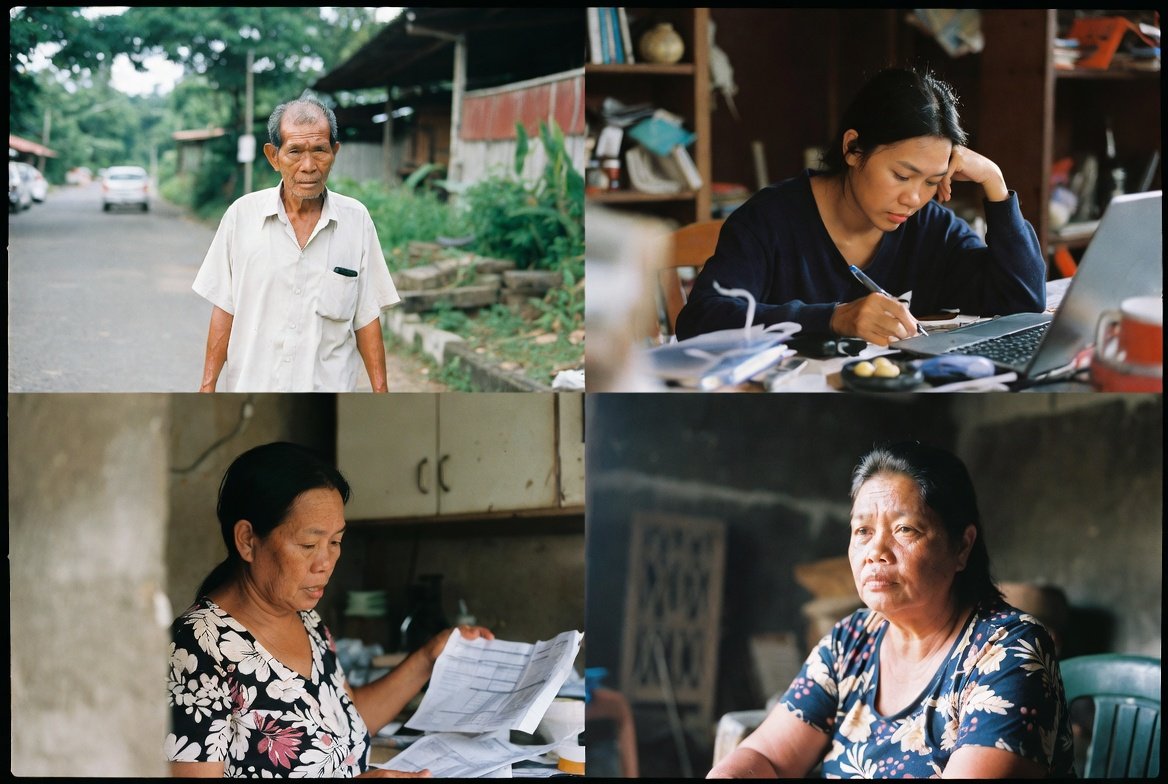
A new study has found that stress among Filipinos is not a single shared experience but a set of distinct patterns shaped by age, gender, income, and where people live. The research, which analysed data from nearly 1,200 adults in Northern Luzon in the Philippines, offers one of the clearest pictures yet of how financial stress, work pressure, and family responsibilities affect people’s mental health in the region. The findings were published in Cambridge Prisms.
Researchers used a statistical method called latent class analysis to group participants into four stress profiles. The first group, made up largely of older male retirees, reported relatively low levels of stress overall, with moderate financial concerns managed through exercise and eating. The second, and largest, group consisted of younger, employed and educated urban dwellers who cited work and study as their main stressors, and who turned to a wider range of coping strategies including prayer and massage.
The third group experienced the highest levels of psychological distress. These participants, predominantly older women who worked as homemakers or were self-employed, reported stress linked to both family responsibilities and financial pressures. Despite earning relatively higher incomes than other groups, they managed stress through eating, exercise, and prayer rather than costlier activities. This pattern may reflect the dual burden many women carry in managing both household and working life.
The fourth group was defined by financial stress and a preference for staying at home. Members of this group were less likely to exercise, which researchers suggest may reflect limited access to affordable exercise facilities rather than a lack of motivation. They tended to cope by remaining indoors, eating, and praying.
Prayer featured prominently across all four groups, a finding the researchers attribute to the deep roots of Catholicism and broader religious culture in Filipino society. Food also played a consistent role as a coping mechanism, which the study links to the collectivist nature of Filipino culture, where communal eating serves as a form of social support during difficult times.
The study drew on data collected in 2017, before the Covid pandemic, and the researchers note it provides a useful baseline for understanding stress and mental health in the Philippines before lockdowns and economic disruption took hold. The sample was weighted towards rural and older adults, groups that have historically been underrepresented in mental health research in South East Asia.
The findings carry practical implications for public health. The study’s authors argue that a one-size-fits-all approach to stress management will not work for communities as varied as those found across the Philippines. Interventions, they suggest, need to be tailored to specific groups, particularly older women in rural areas who carry the heaviest burden of psychological distress.
As awareness of mental health in low and middle-income countries continues to grow, research of this kind offers a more culturally grounded way of thinking about stress relief strategies and support for underserved populations.