

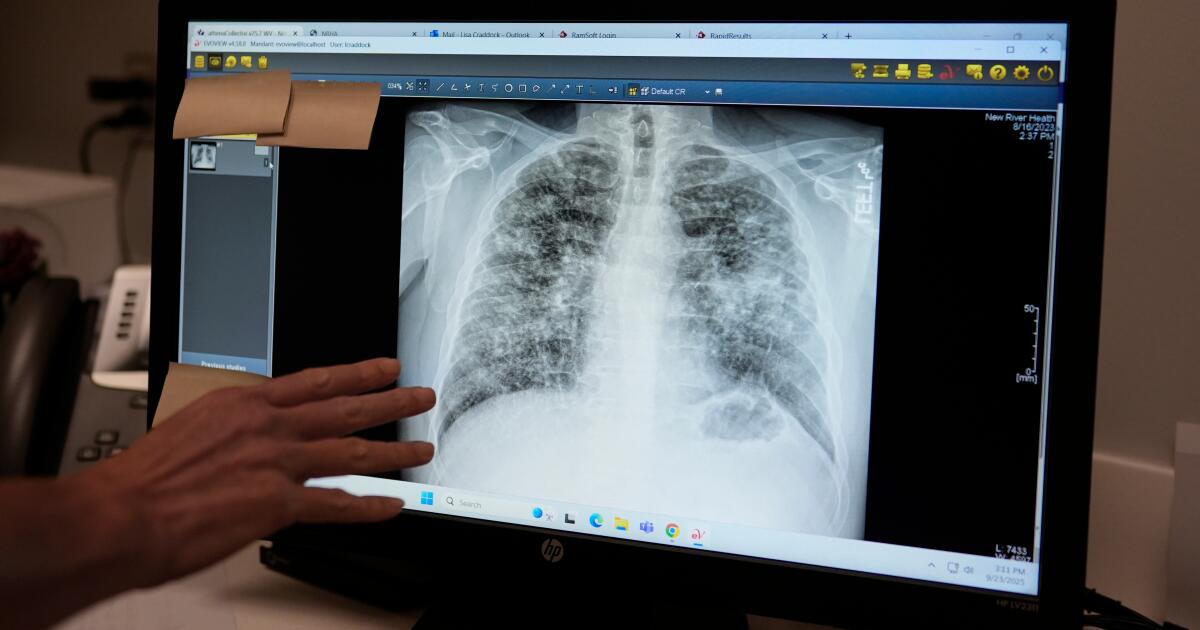
To the editor: When I started my medical career 45 years ago, CT scans weren’t readily available. Later, when I first ordered one, I diagnosed a brain tumor. Unfortunately, at that time, we were unable to treat that patient, but at least informed him of his prognosis.
Every day there are advances in medicine, from the tools we use to new drugs developed by ever-evolving technology, enabling us to treat patients more effectively. But sometimes, we are led down a winding path to prove there is no threat to our patient, and this costs money (“How the waste in healthcare drives the U.S. debt,” May 5). Certainly, AI will help us better discern our human flaws.
Defensive medicine in decision-making does play a role in our litigious society, but not following an evidence-based approach because of costs might increase the risk of a lawsuit (the No. 1 reason for bringing a medical malpractice suit is failure or delay to diagnose a disease).
Using the term “wasted” is inappropriate because knowing one does not have a life-threatening diagnosis ultimately provides reassurance and hope, allowing us to move forward in life.
Ask yourself whether this is worth the extra expense.
Gene Dorio, Santa Clarita
..
To the editor: I can’t argue with the author’s conclusions concerning potential benefits in the application of AI in diagnosis and treatment to increase the standard of care. However, I can cite an important element of increased cost in the healthcare landscape that the author did not address: Administrative costs in hospitals have been growing at a staggering rate — more than the cost of directly providing care. Isn’t this also worth addressing? Could it be that there’s no profit for Microsoft in addressing administrative costs?
Before we start increasing costs by purchasing AI tools to question providers, how about we use AI to analyze redundancies in the administrative side and make changes there? Now that is a good use of intelligence.
Richard Rodriguez, Los Angeles