

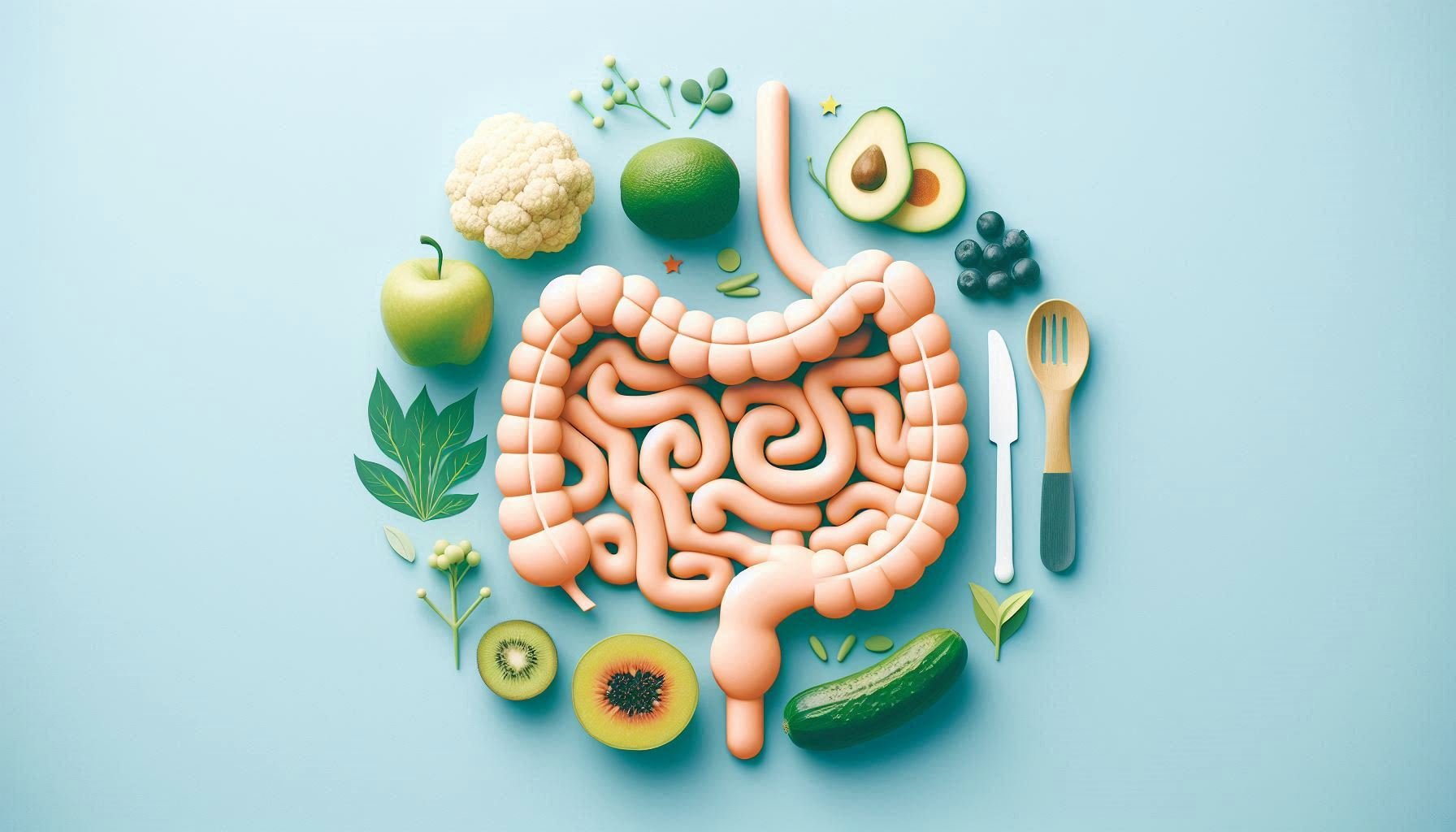
The trillions of bacteria living in the human gut may do more than digest food. New research suggests that the gut microbiome plays a significant role in mental health, and one study goes a step further, arguing that caring for these microbes could also be an act of spiritual significance.
A philosophical exploration published in the Journal of Religion and Health proposes that the relationship between the gut microbiome and the brain has implications not just for physical and psychological well-being, but for how humans understand themselves in relation to God and the natural world. The authors, based at the Aristotle University of Thessaloniki and Harvard Medical School, draw on both microbiology and Christian theology to make their case.
The science behind the argument is well established. The gut contains what researchers call the “second brain,” a dense network of neurons that communicates constantly with the central nervous system. When the microbiome is disrupted, through poor diet, stress, or overuse of antibiotics, it can contribute to inflammation and impaired neurotransmitter production, which in turn is associated with depression and anxiety.
Conversely, a diverse microbiome, supported by diets rich in plant-based foods, probiotics, and fermented products, appears to support emotional stability and reduce stress responses. These so-called psychobiotic interventions are gaining traction in mental health research as a complement to conventional approaches.
What makes this paper unusual is its theological dimension. The authors introduce the concept of the “holobiont”, a term borrowed from biology referring to the human body understood as a composite of host and microbial life. They argue that this image of interconnected life resonates with Christian teachings about the relational nature of human personhood and the sanctity of the body.
Drawing on patristic writers including John Chrysostom and Basil the Great, the paper notes that early Christian thinkers were already attentive to the moral and spiritual implications of diet and bodily regulation. Seen through the lens of microbiome science, these ancient reflections take on fresh relevance.
The study also engages with an eco-Christological framework, suggesting that caring for the microbiome is inseparable from care for the broader environment. In this view, gut health, ecological responsibility, and spiritual well-being are not separate concerns but part of a single ethical and theological commitment.
Practical recommendations in the paper include prioritising vaginal birth and breastfeeding for early microbial development, maintaining diverse and unprocessed diets throughout life, practising intermittent fasting where medically appropriate, reducing antibiotic use, and supporting regular sleep and social connection.
The authors are careful to note the speculative nature of some claims. Microbiome science is still at an early stage, and many findings remain correlational rather than causal. The theological arguments are presented as exploratory rather than definitive.
The study concludes that bringing microbiome research into conversation with spiritual traditions could enrich both medicine and theology, offering a more integrated vision of what it means to be human.