

IKEA’s decision to discontinue its Zigbee-based smart blinds has left many smart home enthusiasts searching for viable alternatives. Once a budget-friendly option for automating window coverings, these blinds were celebrated for their accessibility and ease of use. However, their absence, coupled with the lack of a successor supporting modern protocols like Thread or Matter, has exposed significant gaps in IKEA’s smart home ecosystem. A Smarter House examines how these limitations are compounded by the Dirigera hub’s struggles to integrate third-party blinds, particularly highlighting issues with firmware and app compatibility that restrict its ability to meet evolving user needs.
Explore how Smart Wings has emerged as a compelling alternative, offering customizable motorized blinds with protocol flexibility, including Matter over Thread and Zigbee support. Gain insight into the advanced automation features that allow blinds to adjust based on sunlight or weather conditions, as well as the power options, such as solar panels and rechargeable batteries, that cater to diverse installation scenarios. This breakdown also provide more insights into the challenges of integrating Smart Wings blinds with IKEA’s Dirigera hub, providing a comprehensive look at the trade-offs and opportunities in the current smart blinds market.
Why IKEA Discontinued Its Zigbee Smart Blinds
TL;DR Key Takeaways :
- IKEA has discontinued its Zigbee-based smart blinds, leaving a gap in the market for affordable, integrated smart window coverings, with no successor supporting modern protocols like Thread or Matter.
- Smart Wings has emerged as a strong alternative, offering customizable motorized blinds with support for multiple protocols, including Matter over Thread, HomeKit, Zigbee and Z-Wave.
- Smart Wings blinds integrate seamlessly with major smart home platforms like Apple Home, Google Home, Amazon Alexa and Samsung SmartThings, emphasizing local control for faster response times and enhanced privacy.
- Advanced automation features, such as sunlight-based adjustments and alarm synchronization, make Smart Wings a dynamic option for smart home enthusiasts, though minor synchronization tweaks may be needed for multiple blinds.
- While Smart Wings blinds are more affordable than premium competitors like Lutron Serena, their starting price of $399 per blind (plus optional solar panels) reflects a balance between cost and advanced functionality.
IKEA’s Zigbee smart blinds were once celebrated for their affordability and ease of use, making them a go-to option for those looking to automate their window coverings without breaking the bank. Despite their popularity, IKEA decided to cease production of these blinds, leaving many users disappointed. The company has yet to introduce a successor that supports modern smart home protocols like Thread or Matter, which are increasingly becoming the standard for interoperability and reliability. This decision has left a void in the market, forcing users to explore alternatives that can integrate seamlessly into their existing smart home setups. The absence of a clear replacement from IKEA has also raised concerns about the company’s long-term commitment to smart home innovation.
Smart Wings: A Versatile and Customizable Alternative
In the wake of IKEA’s exit from the smart blinds market, Smart Wings has emerged as a strong competitor, offering a diverse range of customizable motorized blinds. Their product lineup includes solutions for unique window shapes, such as trapezoid or sloped windows, as well as various styles like roller shades, cellular shades, Roman shades and even outdoor blinds. This variety ensures that users can find a product tailored to their specific needs.
What sets Smart Wings apart is its protocol flexibility. Their blinds support Matter over Thread, HomeKit, Zigbee and Z-Wave, making them compatible with a wide range of smart home ecosystems. Additionally, Smart Wings offers multiple power options, including rechargeable batteries, hardwiring and Power over Ethernet (PoE). This flexibility caters to diverse installation requirements, making sure that users can choose the most convenient and efficient setup for their homes.
Uncover more insights about IKEA in previous articles we have written.
Seamless Integration with Major Smart Home Platforms
Smart Wings blinds are designed to integrate seamlessly with major smart home platforms, including:
- Apple Home
- Google Home
- Amazon Alexa
- Samsung SmartThings
- Home Assistant
- Homie Pro
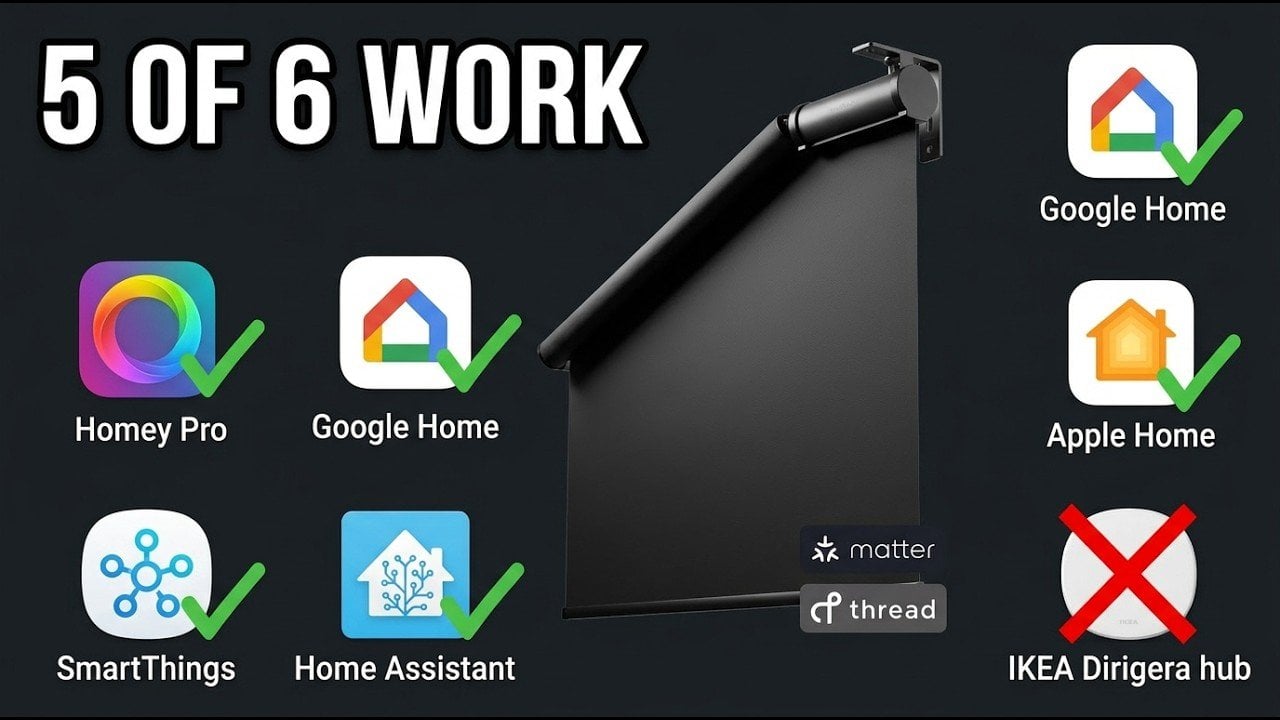
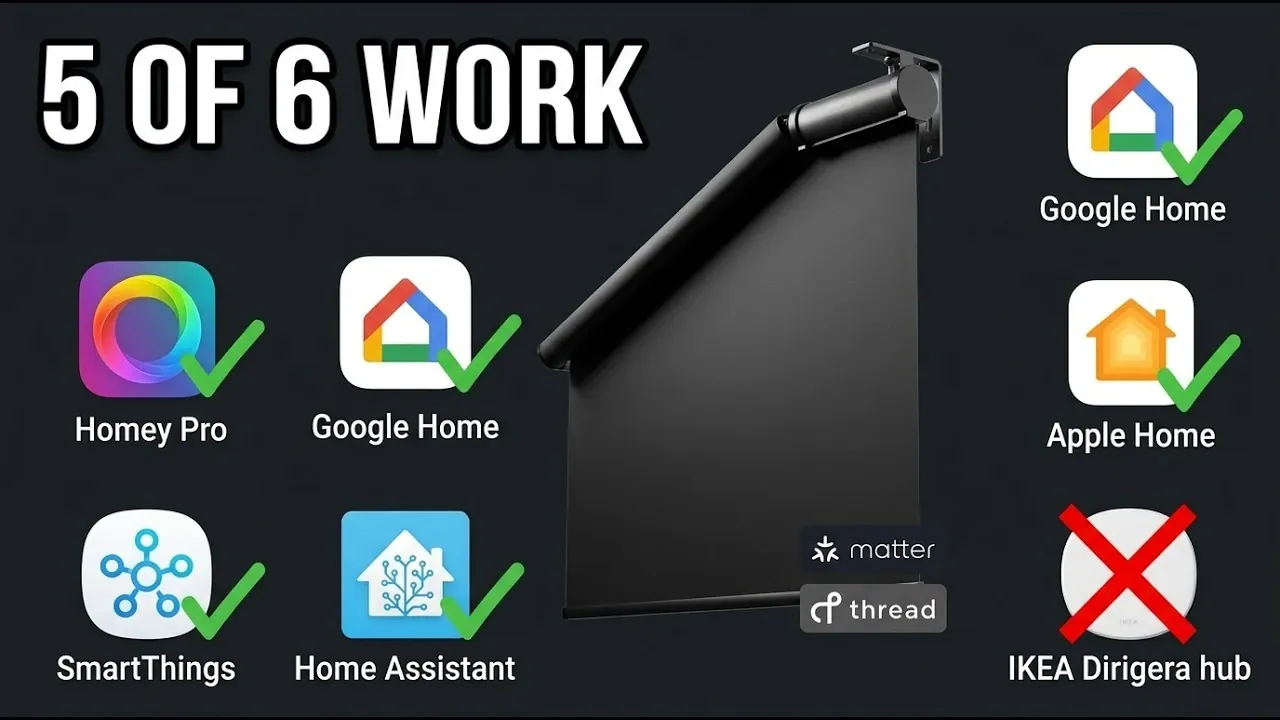
By relying on local communication protocols like Thread, Smart Wings eliminates the need for proprietary apps or cloud-based systems. This approach not only ensures faster response times but also enhances privacy by reducing reliance on external servers. Additionally, the blinds support multi-admin functionality, allowing users to share control across different ecosystems without compromising ease of use. This level of integration makes Smart Wings a compelling choice for those seeking a cohesive and efficient smart home experience.
Advanced Automation Features
For users looking to enhance their smart home automation, Smart Wings blinds offer robust integration with platforms like Homie Pro. This system enables advanced automation capabilities, such as programming blinds to open with a morning alarm or adjusting automatically based on sunlight levels or weather conditions. These features allow users to create a more dynamic and responsive living environment. While the system is generally reliable, minor adjustments may be required to synchronize simultaneous actions across multiple blinds. Nevertheless, the flexibility and functionality offered by Smart Wings make it a standout option for those seeking advanced automation.
Challenges with IKEA’s Dirigera Hub
Despite the advanced features of Smart Wings blinds, IKEA’s Dirigera hub faces significant challenges in supporting them effectively. While the hub can detect the blinds on a Thread network, it fails to integrate them into the IKEA Home Smart app. This limitation is likely due to firmware or app constraints, highlighting the hub’s inability to accommodate third-party devices. For users who have invested in IKEA’s smart home ecosystem, this presents a major roadblock. The lack of compatibility not only limits the functionality of the Dirigera hub but also undermines its appeal as a central smart home controller.
Solar Panel and Battery Options
Smart Wings offers an optional solar panel for continuous charging, which is particularly beneficial for hard-to-reach windows. This feature ensures that the blinds remain operational without frequent manual recharging. Without the solar panel, the rechargeable battery can last between four to six months, supporting up to 600 cycles. This level of durability provides users with a reliable and low-maintenance solution, even in homes where access to power outlets is limited. The availability of multiple power options further enhances the versatility of Smart Wings blinds, making them suitable for a wide range of installation scenarios.
Cost Considerations
Custom trapezoid blackout shades from Smart Wings start at $399 each, with optional solar panels priced at $49.99. For a set of four custom shades with solar panels, the total cost ranges from $2,000 to $3,000. While this price point may seem high, it remains more affordable than premium competitors like Lutron Serena. Additionally, Smart Wings blinds offer features such as Matter over Thread compatibility, which are not available in some higher-priced alternatives. This combination of affordability and advanced functionality makes Smart Wings a compelling choice for users seeking a balance between cost and performance.
How Smart Wings Compares to Competitors
Smart Wings distinguishes itself from competitors through its focus on local control, multiplatform support and the absence of subscription fees. In contrast, Lutron Serena shades, while renowned for their high quality, are significantly more expensive and lack the protocol flexibility offered by Smart Wings. This makes Smart Wings a more attractive option for users who prioritize advanced integration and customization. By offering a versatile and user-friendly solution, Smart Wings has positioned itself as a leading choice in the smart blinds market.
The Evolving Landscape of Smart Blinds
The discontinuation of IKEA’s Zigbee smart blinds has left a void in the market, but Smart Wings has stepped in to fill this gap with its versatile and customizable offerings. However, IKEA’s Dirigera hub continues to struggle with third-party integration, highlighting the challenges of creating a truly cohesive smart home ecosystem. For users seeking advanced features, multiplatform compatibility and local control, Smart Wings provides a compelling alternative. While the higher price point may deter some, the combination of functionality, flexibility and reliability makes Smart Wings a standout choice in the evolving landscape of smart blinds.
Media Credit: A Smarter House
Filed Under: Gadgets News, Top News
Disclosure: Some of our articles include affiliate links. If you buy something through one of these links, Geeky Gadgets may earn an affiliate commission. Learn about our Disclosure Policy.