

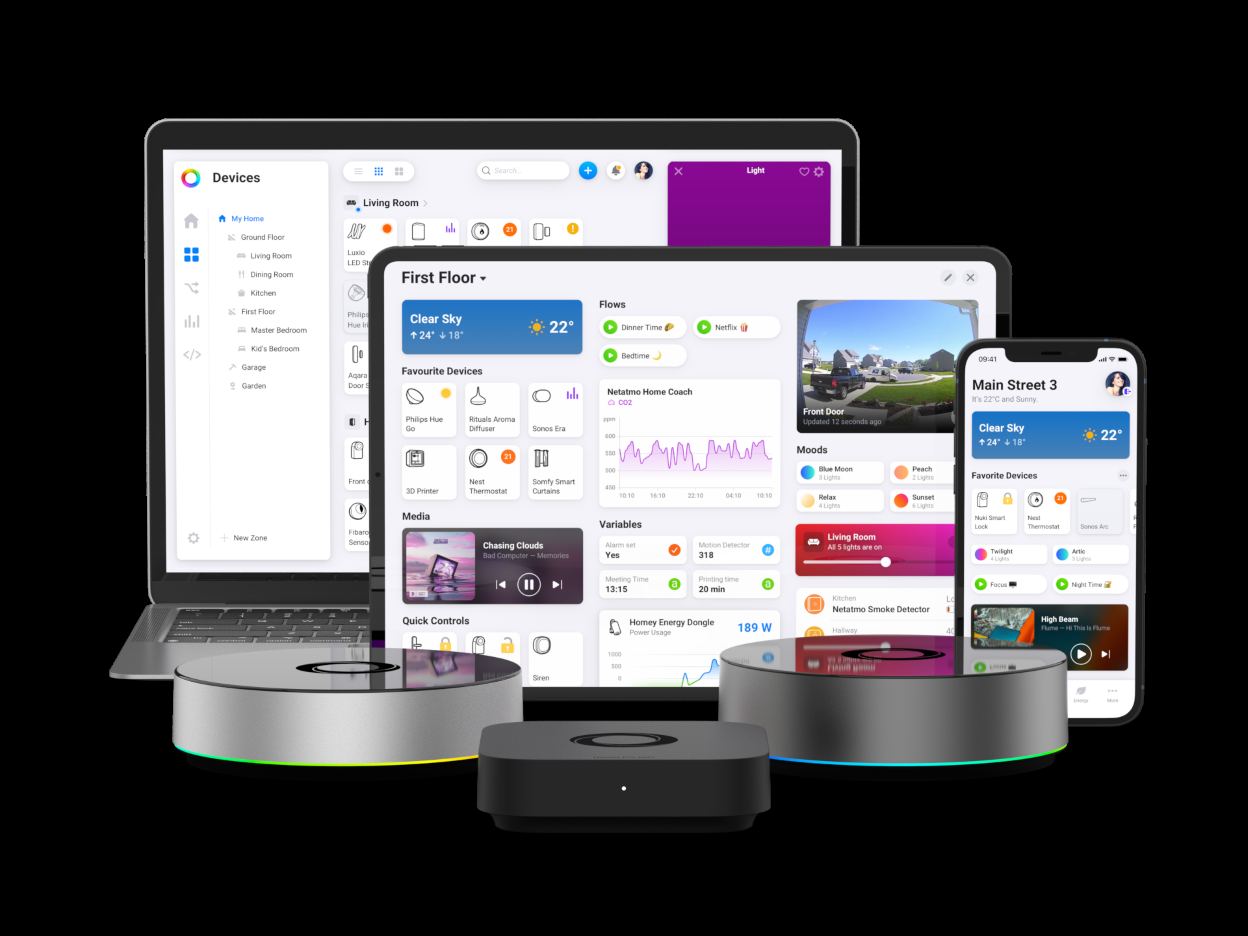
Athom has announced a new partnership with DREO, bringing expanded climate control capabilities to the Homey smart home ecosystem. The collaboration introduces a dedicated DREO app within the Homey App Store, allowing users to seamlessly connect, control, and automate DREO’s growing range of smart cooling devices.
With this integration, several of DREO’s latest products — including the TurboCool Misting Fan Series and the TurboPoly Fan 765S — can now be managed directly through Homey. Once linked via the app, these devices become part of a unified smart home setup, sitting alongside lighting, security, and other connected systems.
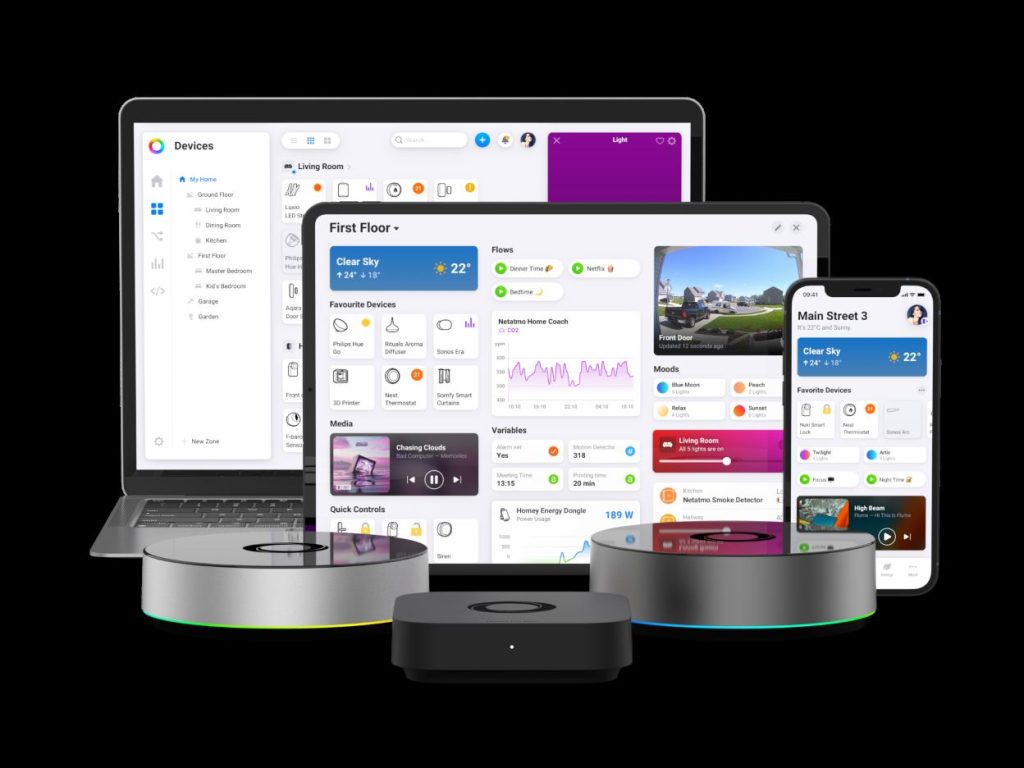
The real advantage, however, lies in automation. Through Homey Flow, Homey’s powerful automation engine, users can incorporate DREO devices into intelligent routines. For example, a fan can automatically switch on when indoor temperatures rise above a set threshold, while misting functions can activate ahead of particularly hot periods. Rather than operating cooling devices in isolation, users can now embed them into broader, fully synchronised smart home scenarios.
Stefan Witkamp, CEO of Athom, emphasised the importance of effortless automation in everyday comfort: cooling, he noted, should respond intuitively to user needs without requiring constant manual input. By integrating DREO into Homey, that level of convenience becomes part of existing smart home routines.
DREO shares a similar vision. Norlan Cai, the company’s Marketing Director, highlighted the goal of making smart comfort feel natural and unobtrusive. The partnership with Athom enables DREO users to experience their devices as part of a wider, more cohesive ecosystem rather than as standalone products.
The DREO app is available now via the Homey App Store and supports a wide range of Homey platforms, including Homey Cloud, Homey Pro, Homey Pro mini, and Homey Self-Hosted Server. Notably, the TurboPoly Fan 765S also includes Matter over Wi-Fi support, enabling fully local connectivity with Homey Pro for faster response times and improved privacy.
For smart home enthusiasts, this integration represents another step towards a truly unified ecosystem — where comfort, automation, and control work together seamlessly in the background.
Post Views: 5,691