

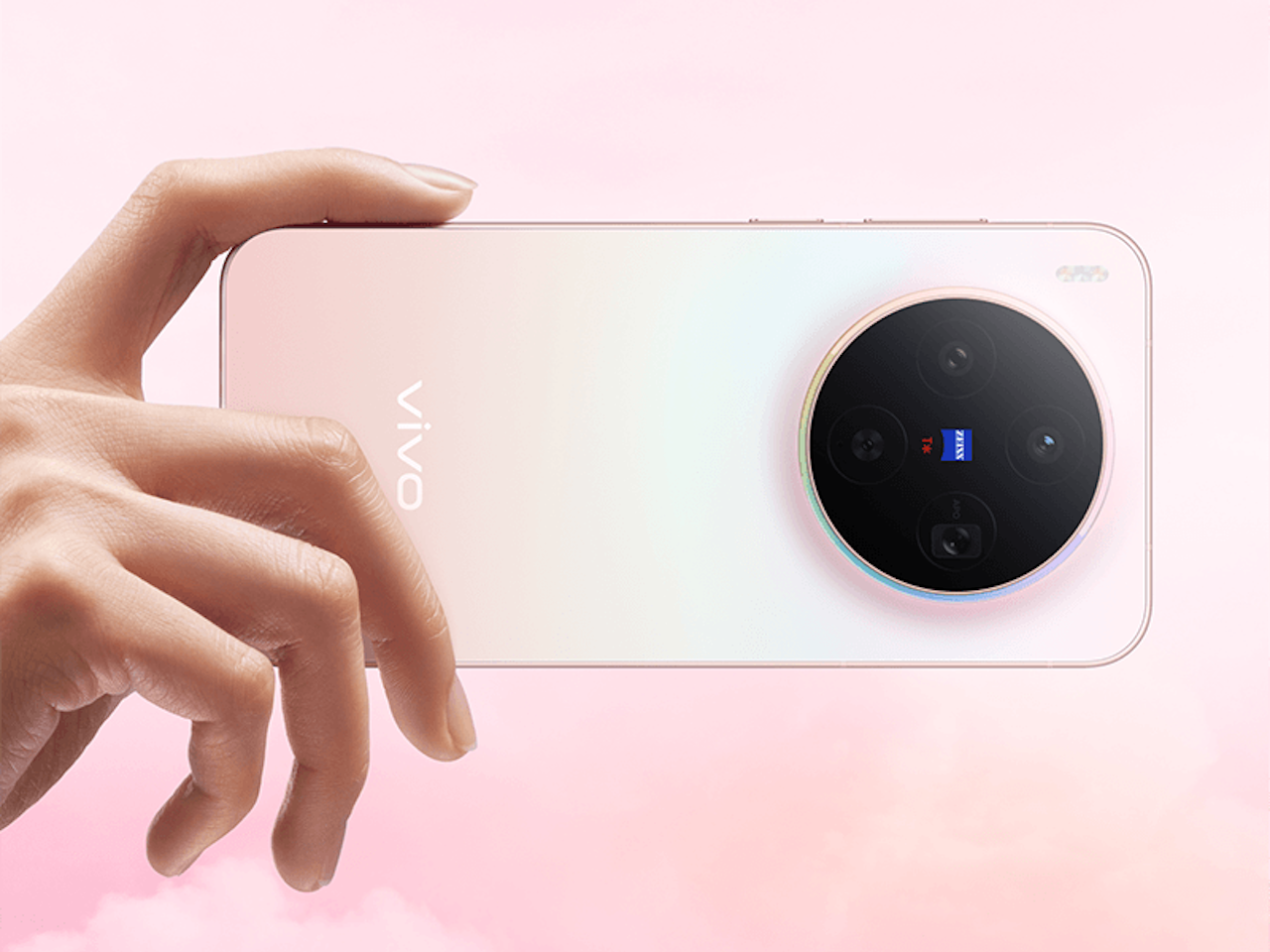
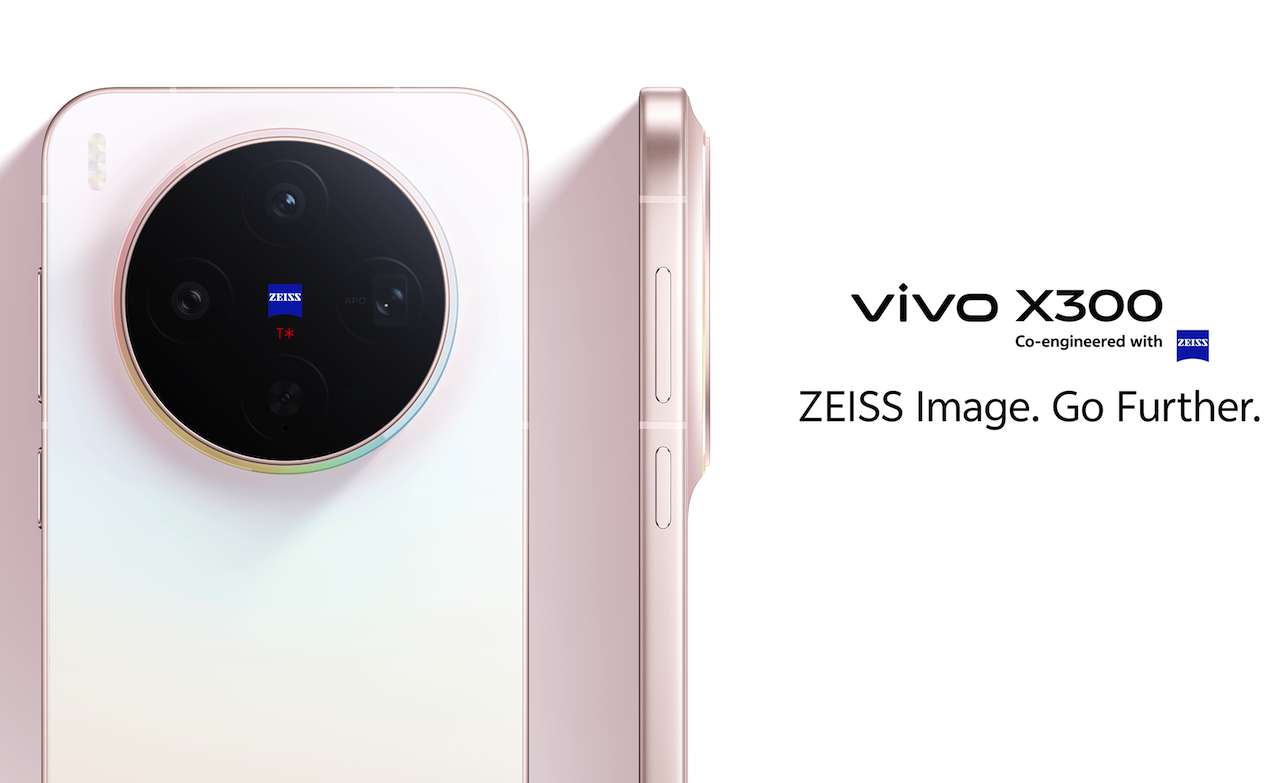
 Small phones don’t sell like they used to. Most brands dropped compact flagships years ago, chasing bigger screens and bigger batteries because that’s what moves units. Vivo didn’t get that memo. The X300 fits a 200MP Zeiss camera, a Dimensity 9500 chip, and a 6,040mAh battery into a body that’s 6.31 inches across and weighs 190 grams. You can wrap your whole hand around it, and in 2025’s lineup of oversized flagships, that feels genuinely rare.
It picks up where the X200 Pro Mini left off, is one of the few compact X-series phones to get a proper global launch, and earned a spot on our Best of MWC 2026 list. European RRP sits at €1,049, though street prices have already dipped below €900 at some retailers. India gets it at ₹75,998. Not cheap, but the spec sheet reads like it was borrowed from something much larger.
Price: €1,049 (Around $1,200)
Where to Buy: VIVO
Can a compact phone hold its own against flagships two full size classes above it? That depends on what you care about most. Camera quality doesn’t compromise. Display brightness punches above its weight. Processing power matches the best for short bursts. Battery life splits by region in a way worth knowing about. The trade-offs exist, but the X300 makes fewer of them than you’d expect.
Add The Gadgeteer on Google Add The Gadgeteer as a preferred source to see more of our coverage on Google.
ADD US ON GOOGLE
The 200MP Zeiss camera system
The main camera is a 200MP sensor at 1/1.4 inches with an f/1.68 lens at 23mm, paired with Zeiss T* coating that cuts glare and ghosting better than most phones at any price. Optical stabilization keeps things steady when light drops. Photo quality holds up well, with sharp detail and controlled smoothing even in dim rooms. Behind it sits a 50MP zoom lens at 85mm with its own stabilization, delivering portrait shots with natural background blur that wider lenses can’t replicate.
The 50MP ultrawide rounds out the triple setup at 15mm, covering 119 degrees with autofocus. Ultrawide shots look surprisingly clean for the class. It shows how seriously Vivo tuned the whole camera chain rather than dumping the budget into one sensor. You notice the consistency across lighting before anything else.
Video tops out at 4K at 120fps with HDR, still rare on phones under 6.5 inches. The phone includes gyro-based electronic stabilization, with a dedicated mode for when smooth footage matters more than resolution. The X300 supports Vivo’s Zeiss 2.35x Telephoto Extender too, a clip-on lens that pushes reach well past the built-in zoom. Zeiss tuning keeps colors grounded rather than pushing the oversaturated look most phones default to, and the T* coating makes a visible difference shooting into bright light. For a phone you can fit in a shirt pocket, that kind of camera commitment is a welcome surprise.
What’s under the hood
The processor is MediaTek’s Dimensity 9500, built on a 3nm design with eight cores hitting 4.21 GHz. With up to 16GB of RAM and 1TB of storage, benchmark scores sit alongside the Galaxy S25+ and Oppo Find X9. That’s impressive for something this compact. Sustained performance tells a different story: under heavy load the phone slows past the 50 percent mark, though quick bursts of demanding work feel smooth.
The 6.31-inch OLED screen runs at 2640 x 1216 with a 120Hz refresh rate. Vivo rates peak HDR brightness at 4,500 nits, and testing confirmed 4,072 nits, well ahead of the Galaxy S25+ at 2,900. Samsung edges past in everyday brightness (2,695 vs 2,386 nits), but color accuracy is strong enough that photo edits on the phone hold up on a calibrated monitor.
Battery size depends on where you buy. The global model packs 6,040mAh while Europe gets a smaller 5,360mAh cell. Charging runs at 90W wired and 40W wireless everywhere. The European unit managed 19.6 hours of Wi-Fi browsing in testing, decent but not chart-topping. IP68 and IP69 ratings handle water and pressure jets. Software ships with Android 16 and OriginOS 6, backed by five years of system updates and seven years of security patches.
Where the Ultra fits in
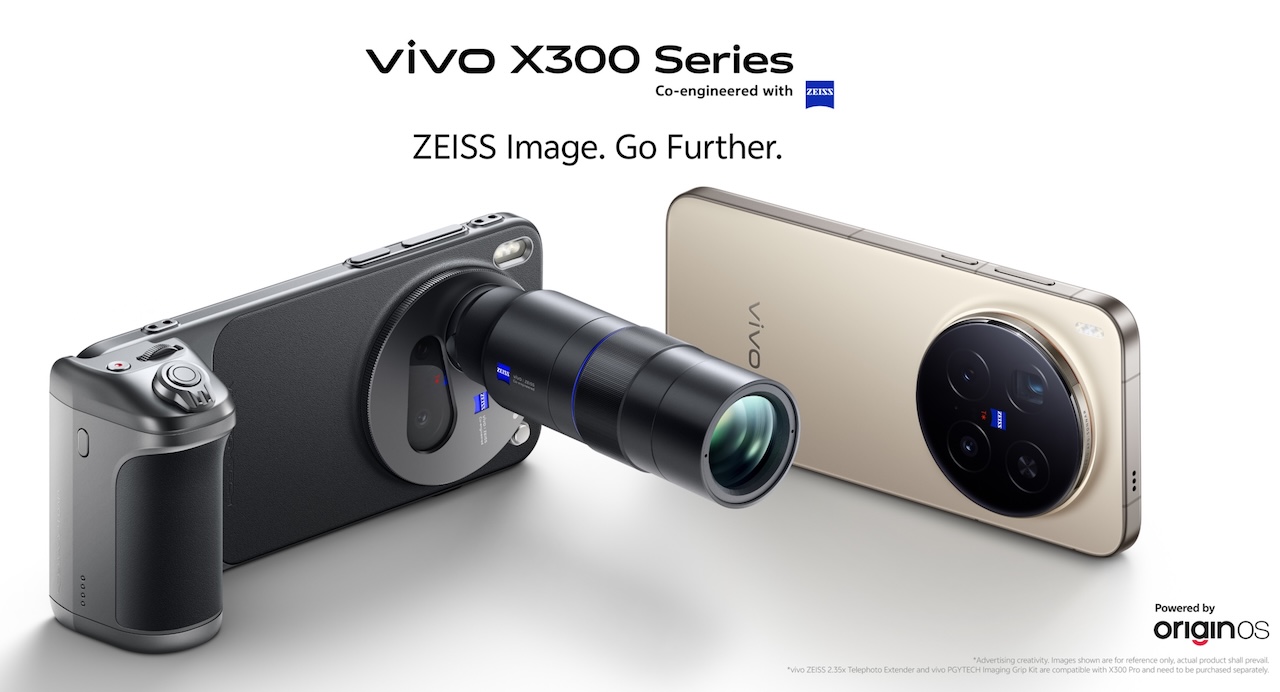 Vivo also makes an X300 Ultra, and despite sharing a name, the two target very different people. The Ultra is the cinema-focused sibling: bigger screen, bigger sensor, longer zoom reach, and a body built for a professional camera cage. It’s made for video creators who want phone footage that looks like it came from a dedicated rig. Production tool first, phone second.
The standard X300 isn’t trying to be that. It’s a compact camera phone with flagship specs that doesn’t ask you to carry extra gear or learn a cinema workflow. You pick it up, point it, and get a great shot. The size is the whole point. If you don’t need your phone to double as production gear, the X300 is the one to look at.
Who this is for
If you’ve been waiting for a genuinely compact flagship that doesn’t gut the camera to save space, start here. The X300 sits in a thin slice of the market where small phones actually compete at the top of the spec sheet. If the Xiaomi 17 and Galaxy S25+ feel too wide in your hand and you care about photography above all else, this is the one to shortlist.
It also works as a capable secondary camera for creators who want something lighter than their main setup. The Zeiss optics, 4K120 video, and clip-on lens support make it more flexible than most phones this size. You can toss it in a jacket pocket and trust it when a good shot shows up.
Pricing puts the X300 against the Galaxy S25+ and Oppo Find X9, both significantly larger phones. If screen size isn’t your deciding factor, the X300 is the only real option at this performance level. Upgraders from the X200 Pro Mini or an iPhone Mini will notice a full generational leap in a body that barely grew.
Who should skip this
European buyers face the toughest call. The 5,360mAh battery delivered 19.6 hours of Wi-Fi browsing, solid on its own but thin next to the Oppo Find X9’s 29.1 hours. If you push heavy screen time through a full day, that gap catches up fast.
Thermal throttling is the other concern. Push the Dimensity 9500 for long stretches with gaming or 4K exports and performance drops by more than half. You can feel the body warm up during heavy processing. The phone protects itself aggressively, smart engineering but frustrating if you need steady power over time. Bigger flagships handle heat better, and that’s a physics problem no software can fix.
Price: €1,049 (Around $1,200)
Where to Buy: VIVO
At its €1,049 RRP, the X300 costs about the same as a Galaxy S25+, though real-world pricing closer to €900 narrows that gap. Samsung’s trade-in deals and service network are still hard to match. If sustained power and battery life rank above camera quality and compact size on your list, the bigger phones still give you more room to work with.
Love our content?
Sign up for our newsletter today.
No ads, no spam, just links to our latest articles!