

Every fitness wearable on the market tracks the same handful of metrics. Heart rate, step count, blood oxygen, sleep stages. The list hasn’t changed in five years, and most of it measures what’s happening inside your body while completely ignoring what’s leaving it. Your sweat carries data that no wristband or ring has figured out how to capture. Sweat analysis patches from companies like Nix and Gatorade have taken a run at the problem, but the category still hasn’t hit mainstream the way heart rate monitors did a decade ago. That gap has quietly shaped how millions of athletes hydrate: by guessing.
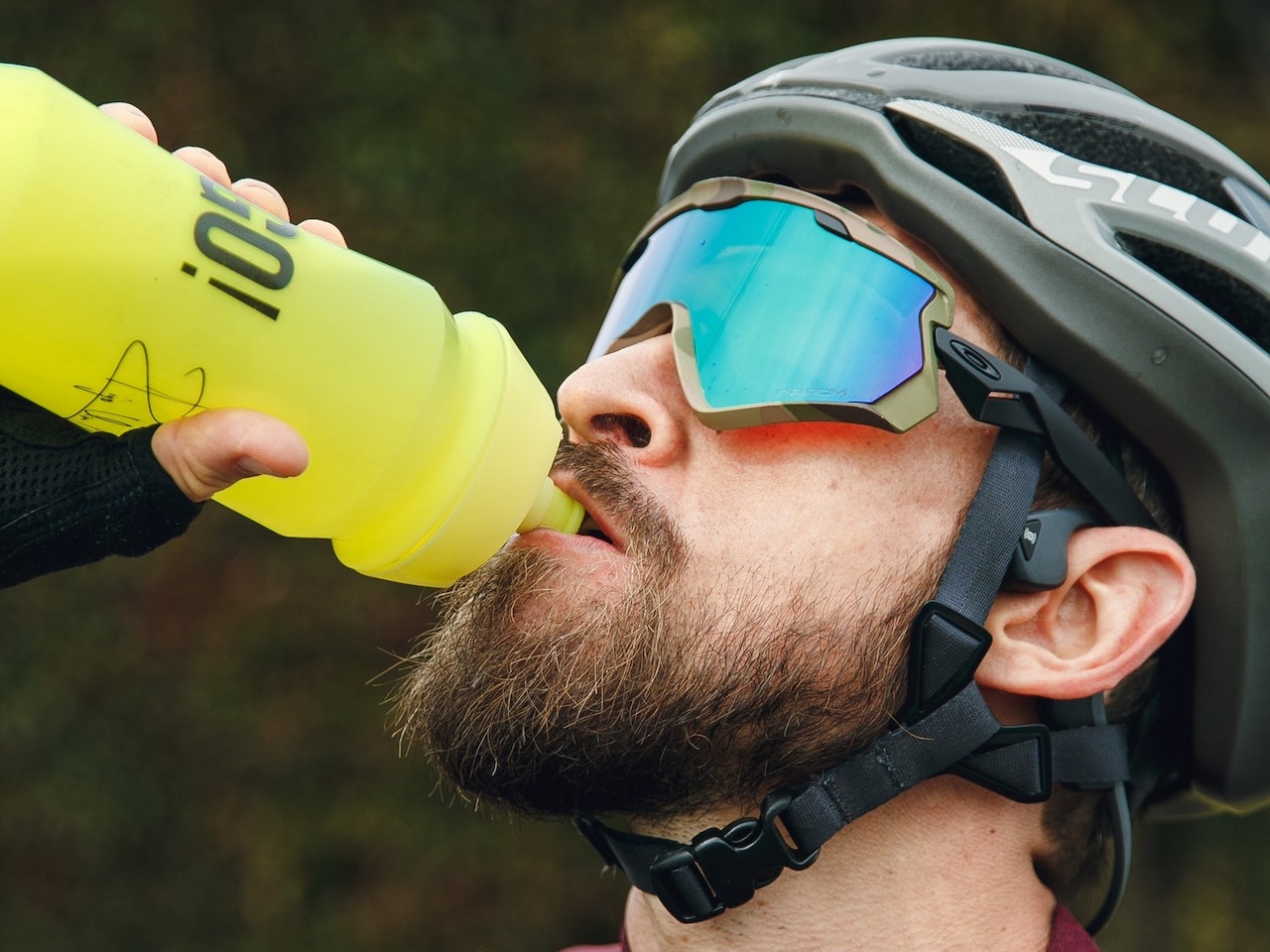
So the real question isn’t whether you’re drinking enough water. It’s whether you’re replacing the specific electrolytes your body dumped during that last session, in the right ratios, at the right time. A runner in Miami heat and a cyclist in dry mountain air lose completely different amounts of sodium per liter of sweat. That difference determines whether you cramp at mile 18 or finish strong. Smartwatches can’t tell you any of that because they don’t have the sensors for it. The entire wearable industry built its hydration advice around generic “drink more water” reminders that treat every body the same, which is roughly as useful as a thermometer that only reads “warm.”
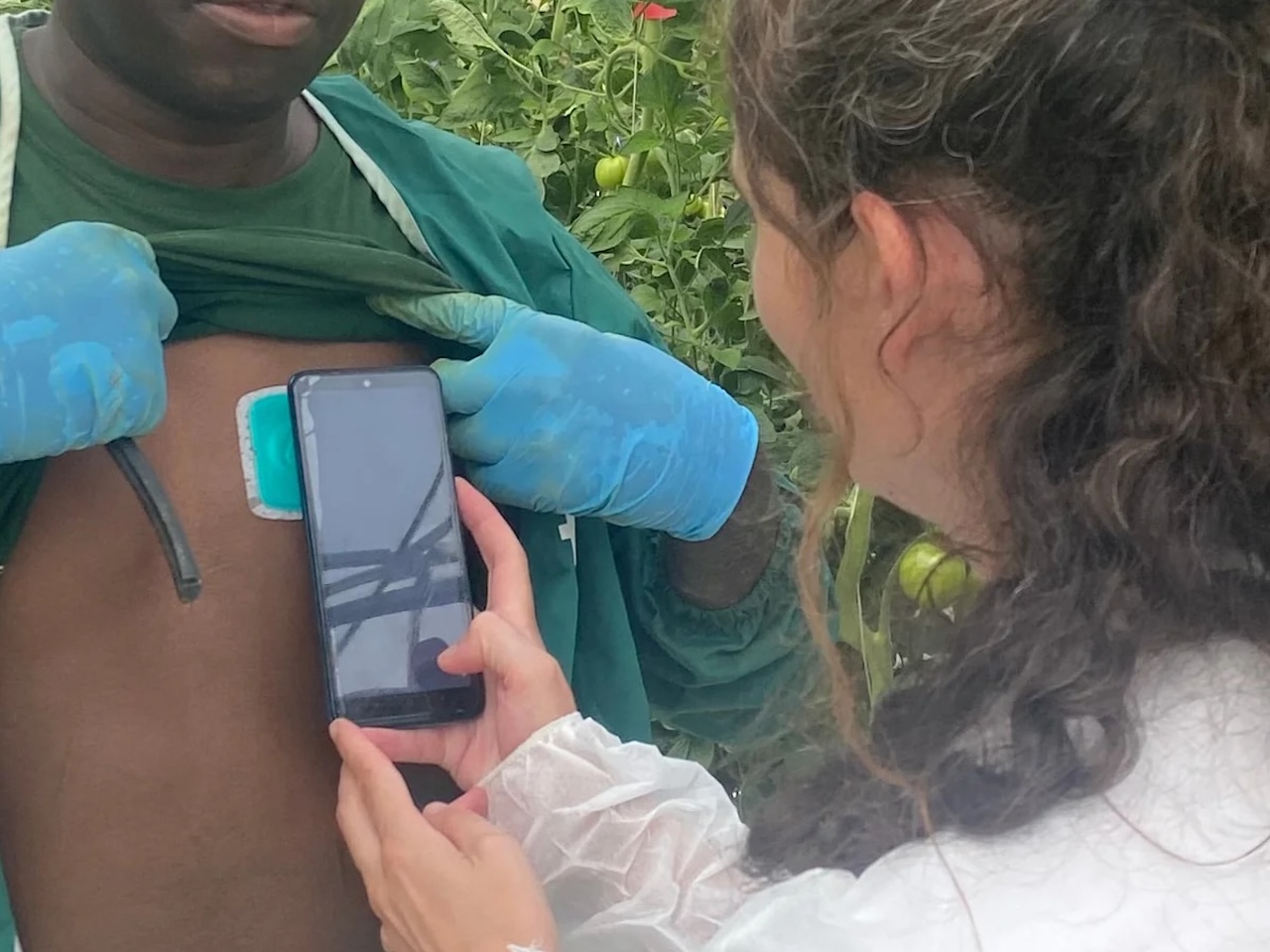
Sweanty, a Spanish startup that’s been building sweat analysis patches since 2021, showed up at MWC 2026 with a fix that feels overdue. The technology was developed during co-CEO Laura Ortega Tañá’s PhD research, and according to the company, the patented sensor has since been validated with high-performance athletes and industrial workers in extreme heat. The company demoed its SweaTracker in Barcelona, and the pitch turned heads for what it didn’t require: no charging cable, no Bluetooth pairing, no wrist real estate.
Add The Gadgeteer on Google Add The Gadgeteer as a preferred source to see more of our coverage on Google.
ADD US ON GOOGLE
What it is
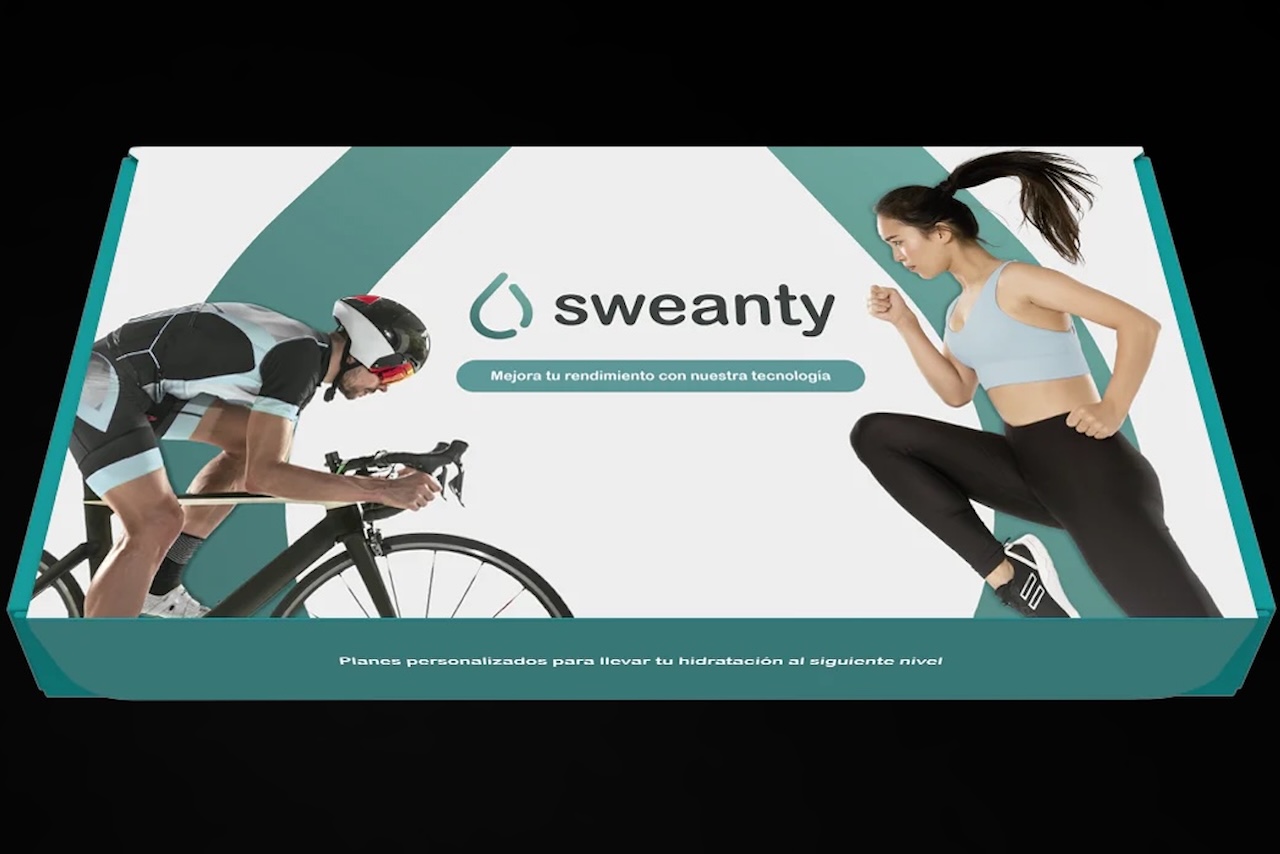
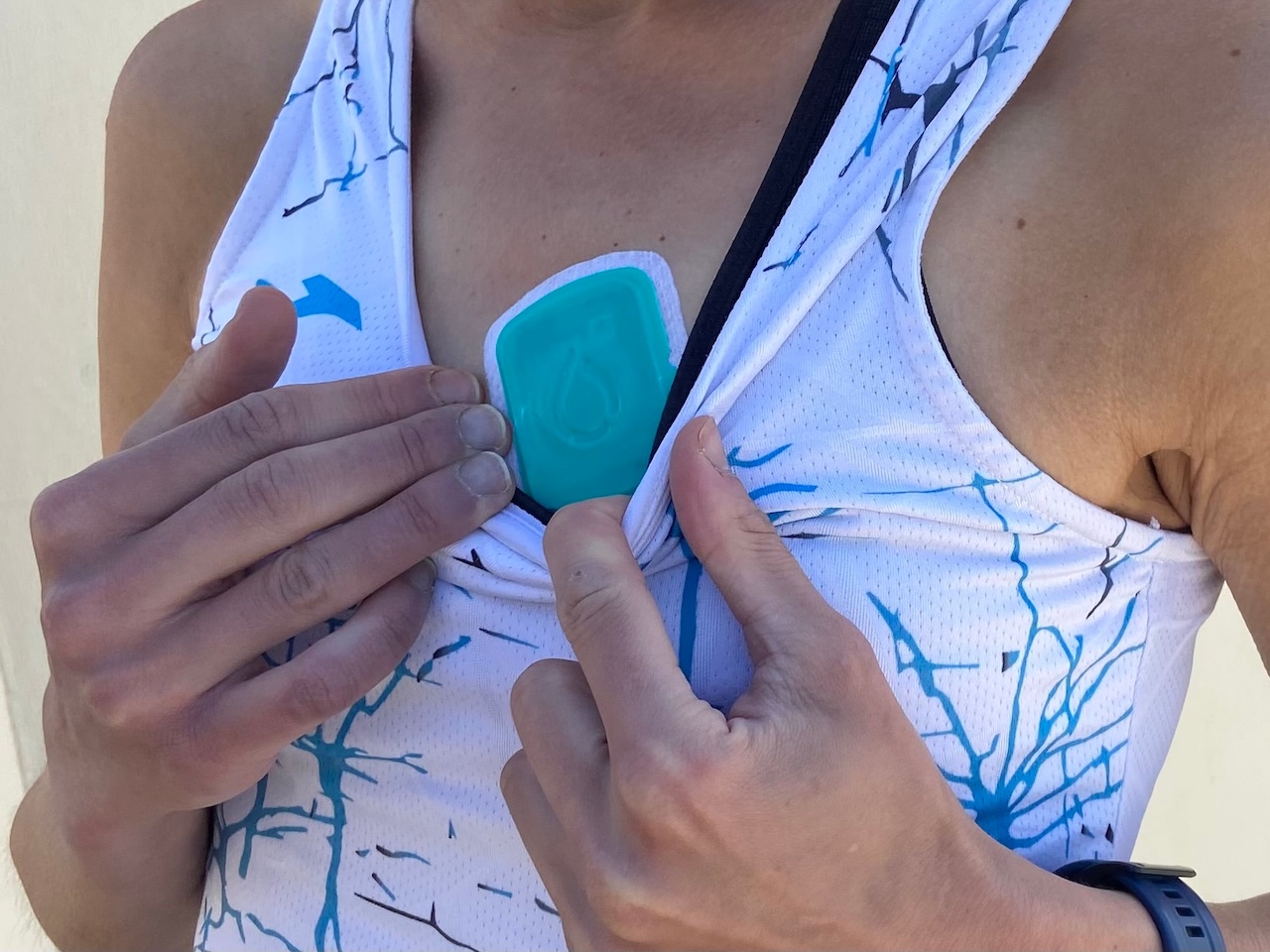
The SweaTracker is a disposable sensor patch that sticks to the base of your back and measures how much salt you’re losing through sweat during exercise. Sold in packs of three, which is the minimum Sweanty needs to build your initial “SWEATPROFILE,” a baseline reading of your body’s unique electrolyte output. Each patch is single-use. You peel it on before training and toss it when the session ends.
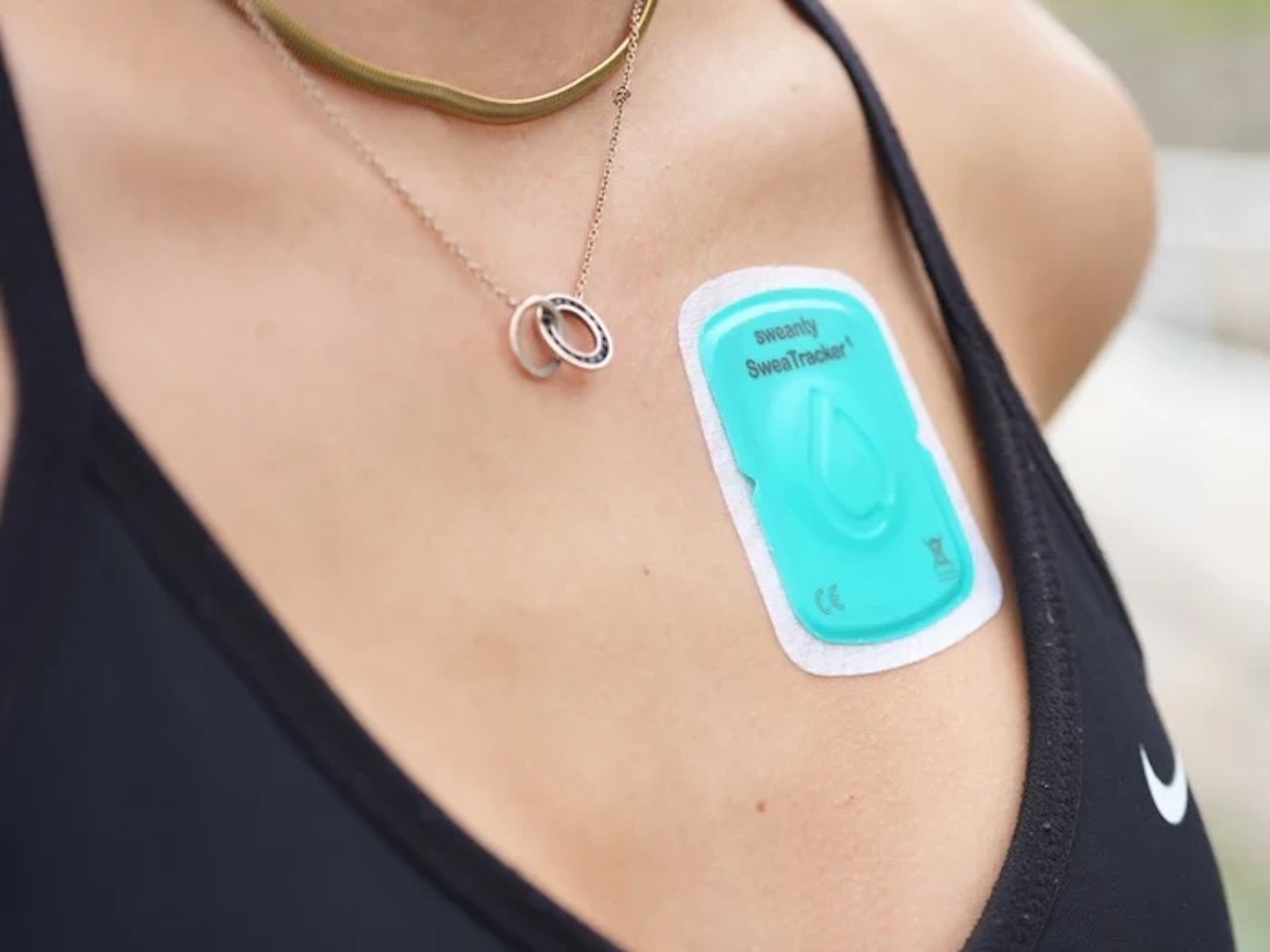
The form factor looks closer to a medical adhesive strip than anything you’d associate with a fitness tracker. Flexible electronics sit inside a thin layer of medical-grade materials designed to handle high sweat rates without degrading mid-run. If you’ve ever worn a continuous glucose monitor, the physical experience is familiar: lightweight, stays put while you move, thin enough that clothing doesn’t catch on it.
The patch talks to your phone through NFC rather than Bluetooth, which means you tap it against your device after the workout instead of keeping your phone nearby during the session. That’s a genuinely smart choice for trail runners who leave phones behind on long efforts. No mid-workout syncing keeps the patch lighter and simpler.
Sweanty places the patch on the lower back, a choice the company hasn’t publicly explained but that tracks with research showing sweat composition varies across body zones. A forehead patch would give you different numbers than a chest patch on the same run. You notice the deliberate positioning once you consider how placement affects data quality.
How the paper battery changes the game
The core technology is a patented paper-based battery with two electrodes embedded inside. When the paper is dry, the battery stays dormant. The moment sweat absorbs into it, the device wakes up and generates a current that correlates directly to salt concentration in the perspiration. That method eliminates the need for a lithium-ion cell, a charging port, or any of the power management complexity that inflates the cost and size of conventional wearables. There’s an elegant efficiency to a sensor that draws power from the same substance it’s designed to analyze.
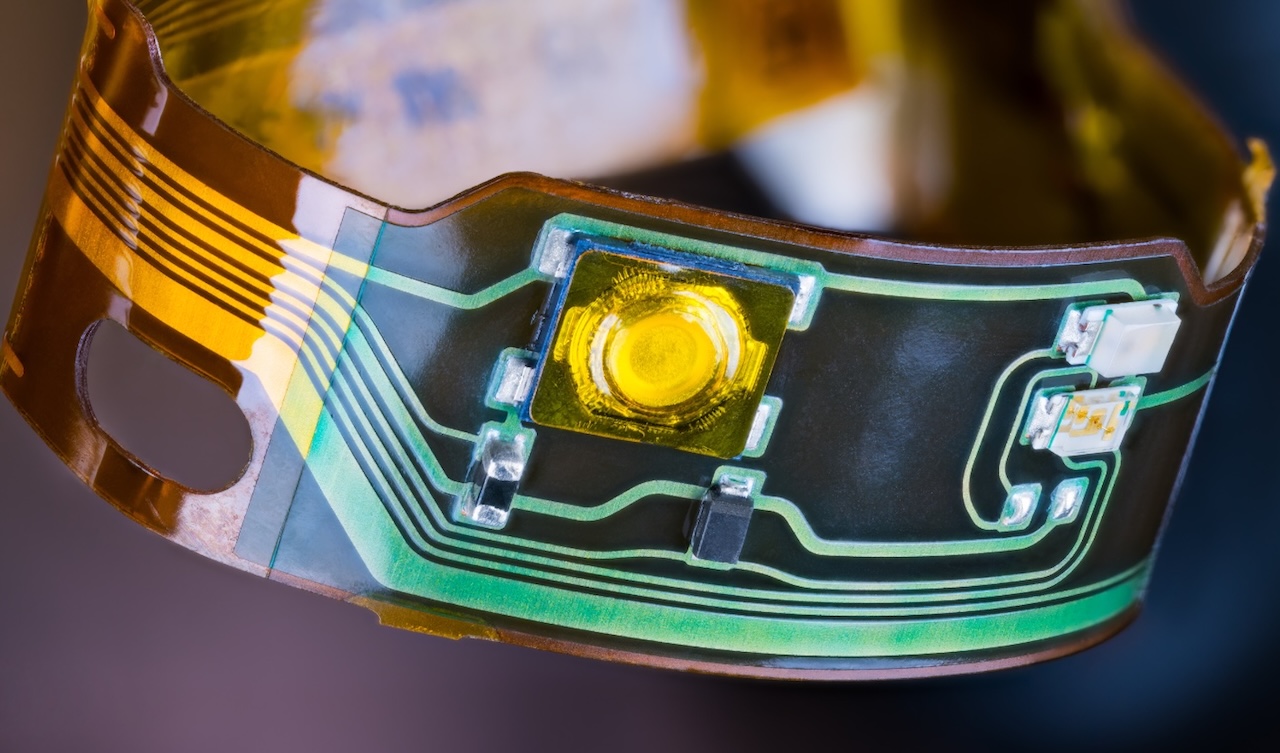
NFC handles data transfer after the session. You hold your phone against the used patch, and the accumulated sweat data moves over in a single contactless tap. No pairing process, no background app drain during your run.
Sweanty generates a SWEATPROFILE from the first three patches in a Welcome Pack. Each session contributes sweat rate, salt concentration, and estimated fluid loss data, which the app combines with your weight, age, height, and sport. The company recommends refreshing your profile every three months with a two-patch refill pack, since environmental changes and fitness shifts affect composition over time. That cycle keeps hydration plans calibrated to your current physiology rather than stale data from a different season.
As of early 2024, the team was also developing a version where the electronics could be retained after each use, with only the disposable sweat-collection layer being replaced. If that effort is still active and Sweanty cracks the engineering challenge while keeping accuracy intact, the business model shifts from consumable patches to a reusable platform with replaceable inserts. That iteration could be the inflection point between a niche pro-athlete tool and something every weekend runner considers.
The companion app builds your hydration playbook
The Sweanty app translates raw sweat data into specific hydration plans: what products to consume, how much, and when during your event. For a marathon, it lays out pre-race nutrition, mid-race electrolyte timing, and recovery products, all personalized to your profile. You notice the specificity immediately when you compare it to the vague “stay hydrated” prompts on most smartwatch apps.

Premium subscribers can generate unlimited plans for their primary sport. Each one specifies salt content and carbohydrates per hour for recommended products, though Sweanty doesn’t sell or bundle the products themselves. That’s a welcome choice because it keeps recommendations honest: the system isn’t incentivized to push branded supplements. If your preferred electrolyte brand doesn’t match your profile, the app suggests alternatives based on composition rather than sponsorship. For a startup that was still listed as pre-seed at MWC, the software depth suggests the team spent as much time on the app as on the patch hardware.
Who should skip this
Swimmers and water sport athletes can stop here. The SweaTracker can’t function when submerged, and that’s a physics limitation of the paper battery, not a design oversight.
If you train casually and never compete, the cost math gets harder to justify. Three patches to build your initial profile plus refill packs every three months adds up, and the benefit tilts toward athletes who push hard enough that electrolyte depletion actually affects performance.
The SweaTracker is already available for purchase, with 2024 estimates putting the Welcome Pack at roughly €120 for three patches plus three months of app access. Each patch is single-use and the three-month data window means recurring purchases are baked into the model. Weekend joggers who stay under 45 minutes in mild weather probably won’t notice the difference between a Sweanty plan and just carrying a water bottle.
Who this is for
Trail runners, road cyclists, triathletes, outdoor construction crews, firefighters working in extreme heat, and anyone who’s cramped during a race because the wrong electrolytes got replaced at the wrong time. If you’ve ever done a professional sweat test at a lab, you already understand the value of knowing your salt loss rate, and you know a single lab visit costs far more than a pack of these patches while giving you data from only one controlled session.
The SweaTracker turns that clinical measurement into a field-portable, self-administered tool that works wherever you train. Coaches building individualized hydration protocols across a full roster could find this especially practical. The industrial safety angle adds another layer: employers with crews in extreme heat could use the data to reduce heat stress incidents instead of relying on generic break schedules.

Your smartwatch tells you how fast your heart was beating and how many calories you burned. Sweanty tells you what your body actually lost and exactly how to put it back. That’s a category of wearable data that hasn’t existed at consumer prices until now, and it took a PhD, a paper battery, and a startup booth at MWC to get it there.
Love our content?
Sign up for our newsletter today.
No ads, no spam, just links to our latest articles!
STREBITO Electronics Precision Screwdriver Sets 142-Piece with 120 Bits Magnetic Repair Tool Kit for iPhone, MacBook, Computer, Laptop, PC, Tablet, PS4, Xbox, Nintendo, Game Console
(as of March 9, 2026 18:37 GMT -05:00 – More infoProduct prices and availability are accurate as of the date/time indicated and are subject to change. Any price and availability information displayed on [relevant Amazon Site(s), as applicable] at the time of purchase will apply to the purchase of this product.)