

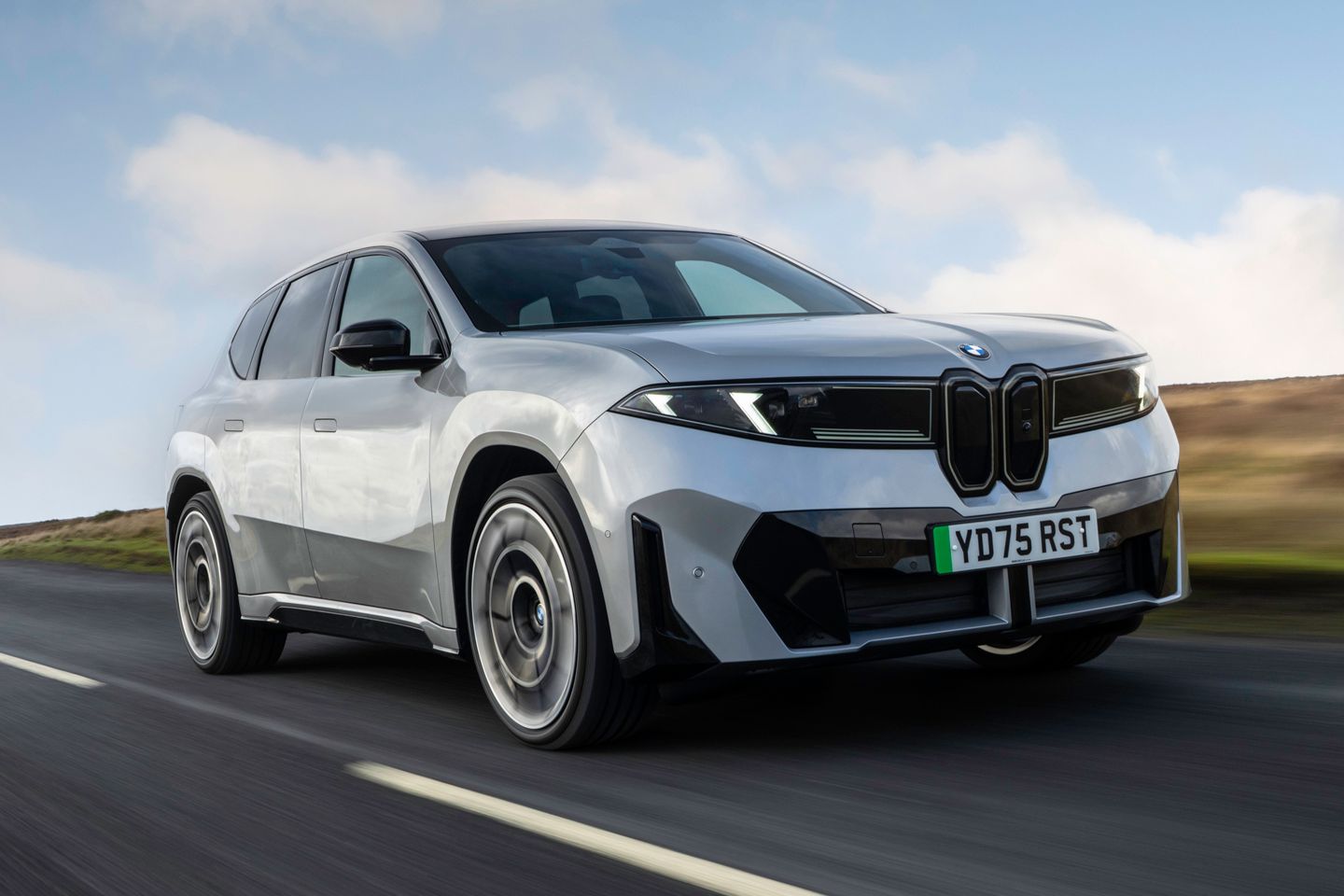
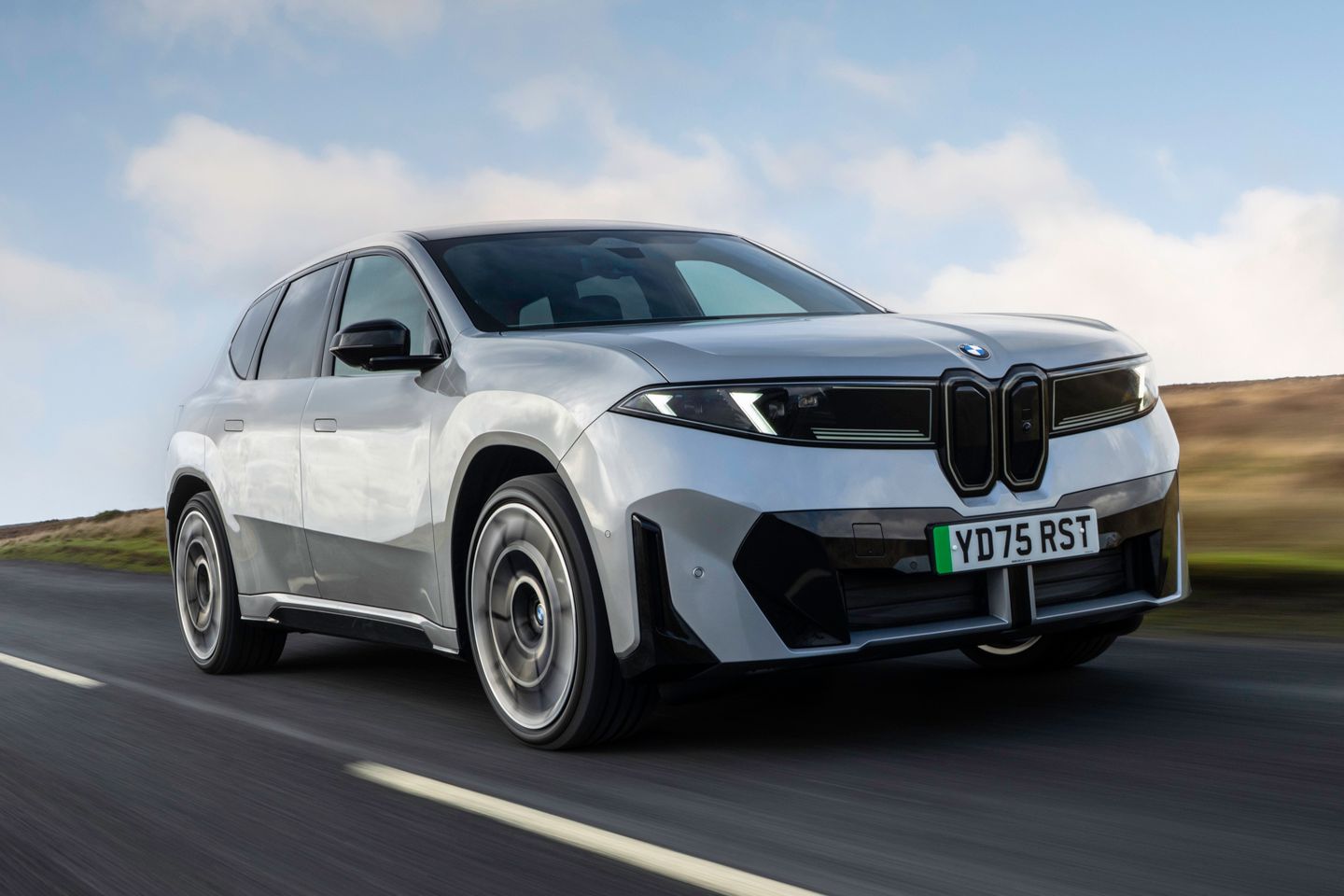
As the first of 40 new models to come out by 2030 using Neue Klasse underpinnings, there really is no understating the significance of the all-new BMW iX3. If the car is a hit, it might elevate the manufacturer to the top of European EV sales charts and buy the brand sufficient emissions breathing room to ensure the survival of combustion engines elsewhere in the lineup. Conversely, if it’s sub-par, BMW – now faced not only with its usual cohort of European rivals but also the onslaught of cheaper options from China – is in for a tough end to the decade.
The good news so far is the iX3 seems to have gotten off to a cracking start. After (but probably not entirely because of) a surprisingly positive reaction to its September reveal in the PH forums, BMW has added a second shift at its 100 per cent renewable energy-powered Debrecen plant in Hungary, which can produce 150,000 cars a year, to keep up with demand. No doubt a decline in Tesla sales has helped BMW attract customers looking for a European alternative, yet it also seems desirable enough to have received a near full bank of opening orders in its own right, even before customer test drives commence.
Demand is likely helped by the fact that the 50 xDrive model we’re getting first has a beefy 108.7kWh (usable) battery with a claimed 500-mile range, making the iX3 the first production EV to go on sale in Europe to hit the psychological mark. It might be beaten by a Volvo EX60 later this year, but only by an anticipated three miles, and with 800-volt architecture, the iX3 can fight back with a 400kW charging capability, for 231 miles of added range in 10 minutes. Even on one of the UK’s 350kW service station chargers, that would equate to adding London to Leeds distance in little more time than it takes to choose the components of a Boots meal deal.

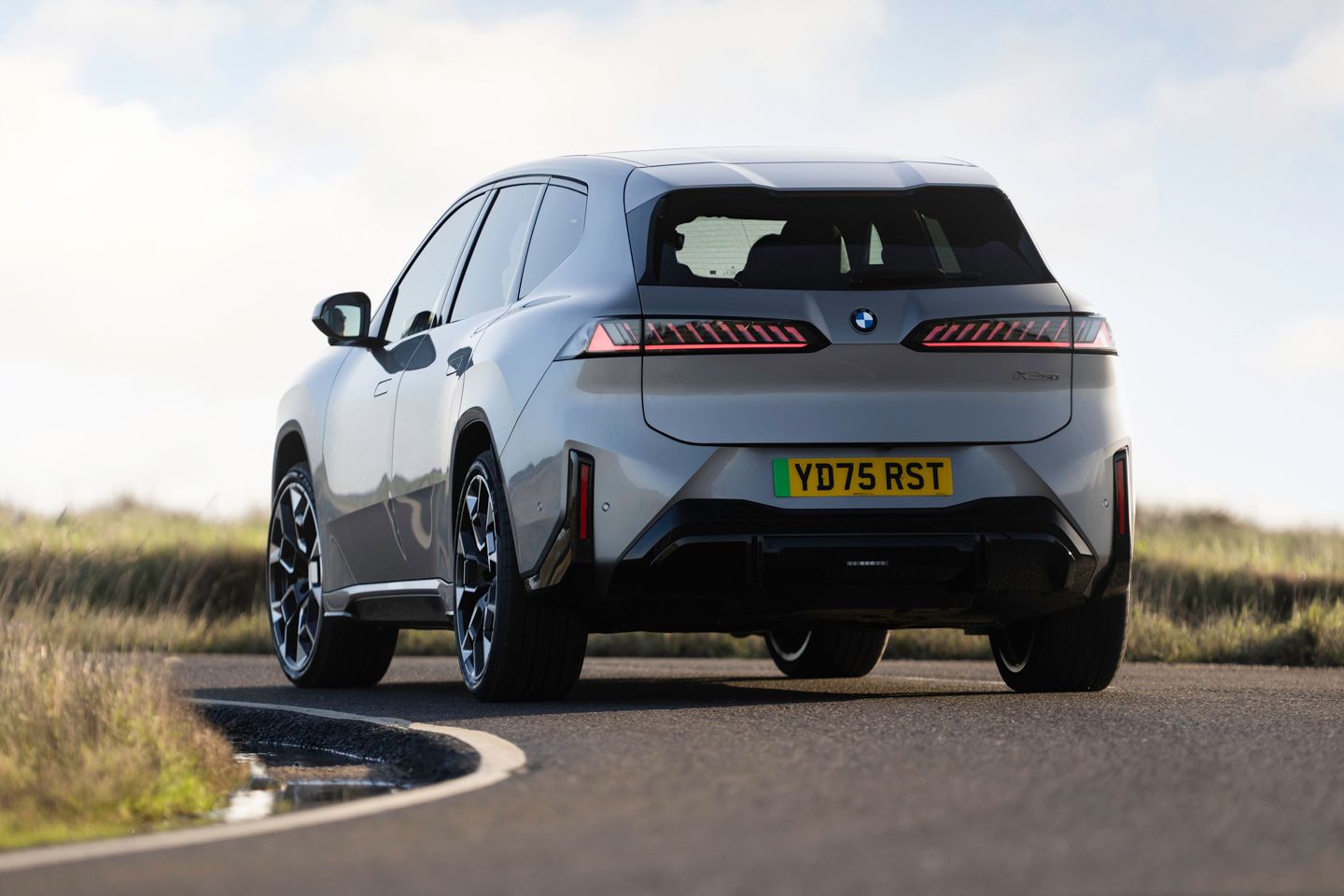
Coming out of the gates in 50 xDrive format does mean the iX3 starts at £58,755 and quickly rises over £60k once the M Sport box is ticked. But that’s actually competitive versus the Mercedes GLC EV and Audi A6 e-tron – plus lower-specification batteries and powertrains are due – meaning all of the car’s numbers, including its near-2.4-tonne kerbweight, should come down in lesser variants. That said, the car we’re driving, a top-grade M Sport Pro, is the priciest of the lot so far, with 22-inch alloy wheels, a panoramic sunroof and other optional extras adding ten grand to its £62k list price.
All 50 xDrive models use the same twin-motor setup for 469hp, 476lb ft of torque and a quoted 0-62mph time of 4.9 seconds. But the additional mass – both unsprung and sprung – of our car means this iX3 loses 10 per cent on that headline figure for a claimed range of 449 miles. Also, with no adaptive damping available yet, the iX3 gets a fully passive suspension setup, which, given the state of UK roads at the moment, does mean that forking out £3.3k on those admittedly very cool-looking 22s might not be the wisest choice. More on that in a bit.
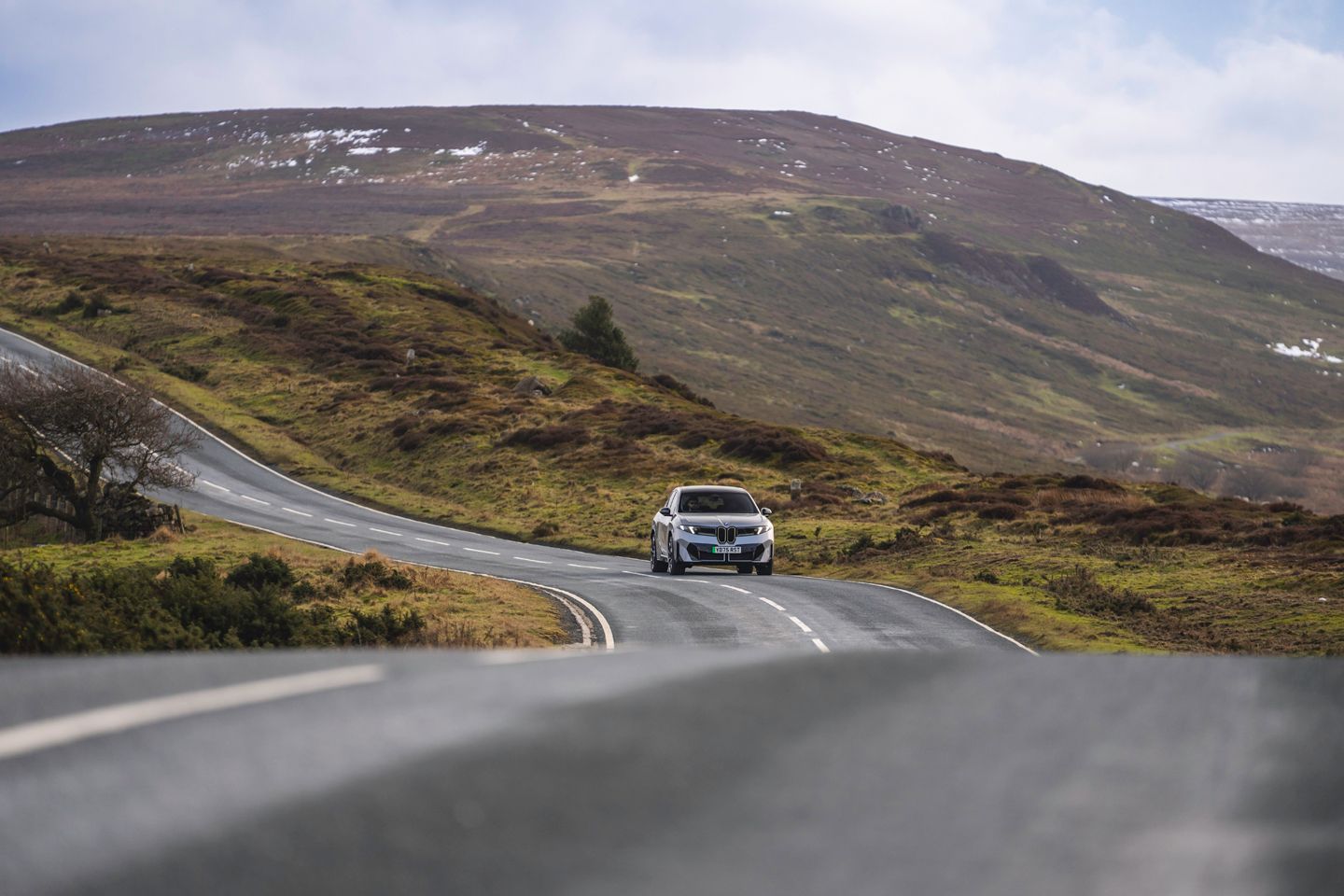
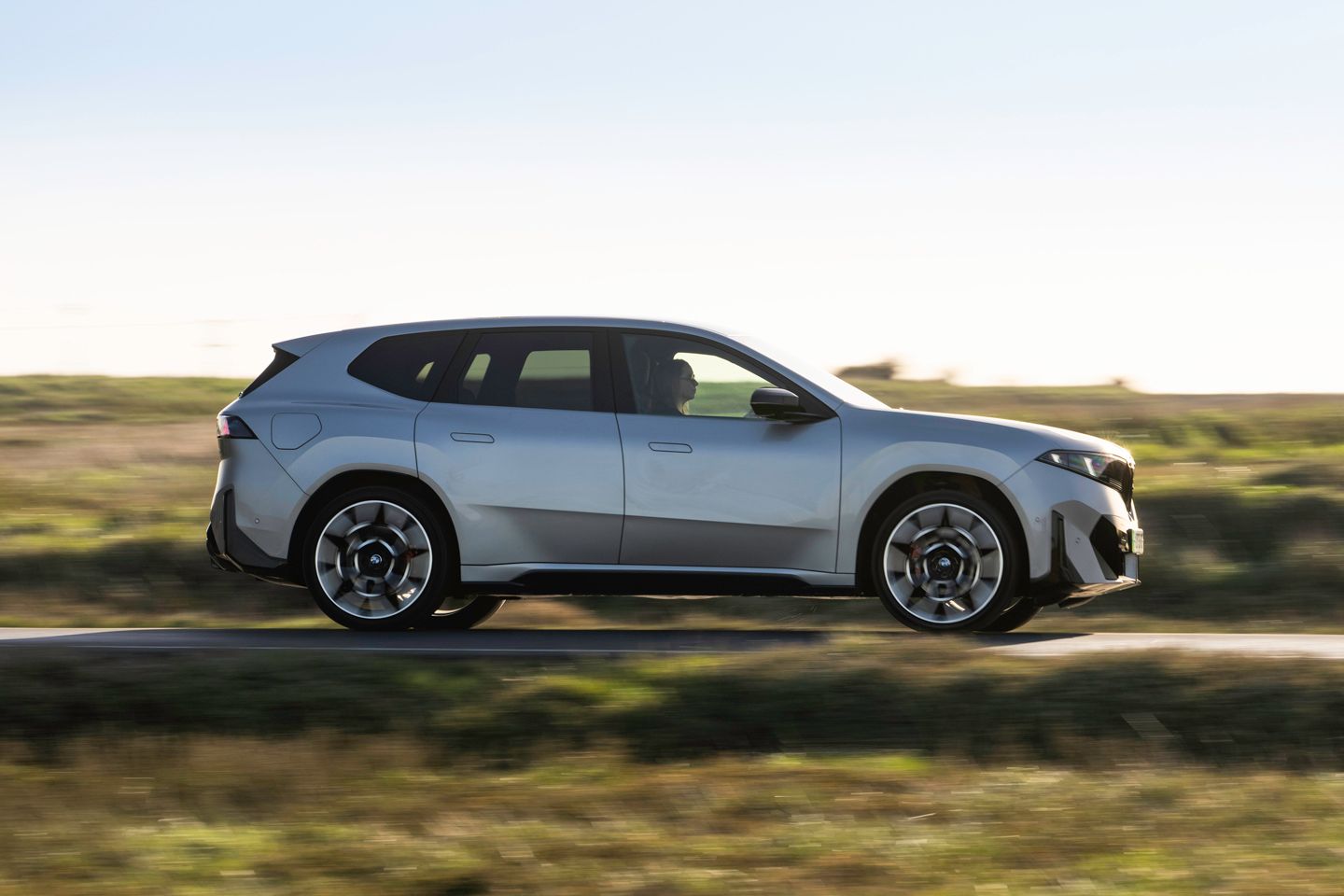
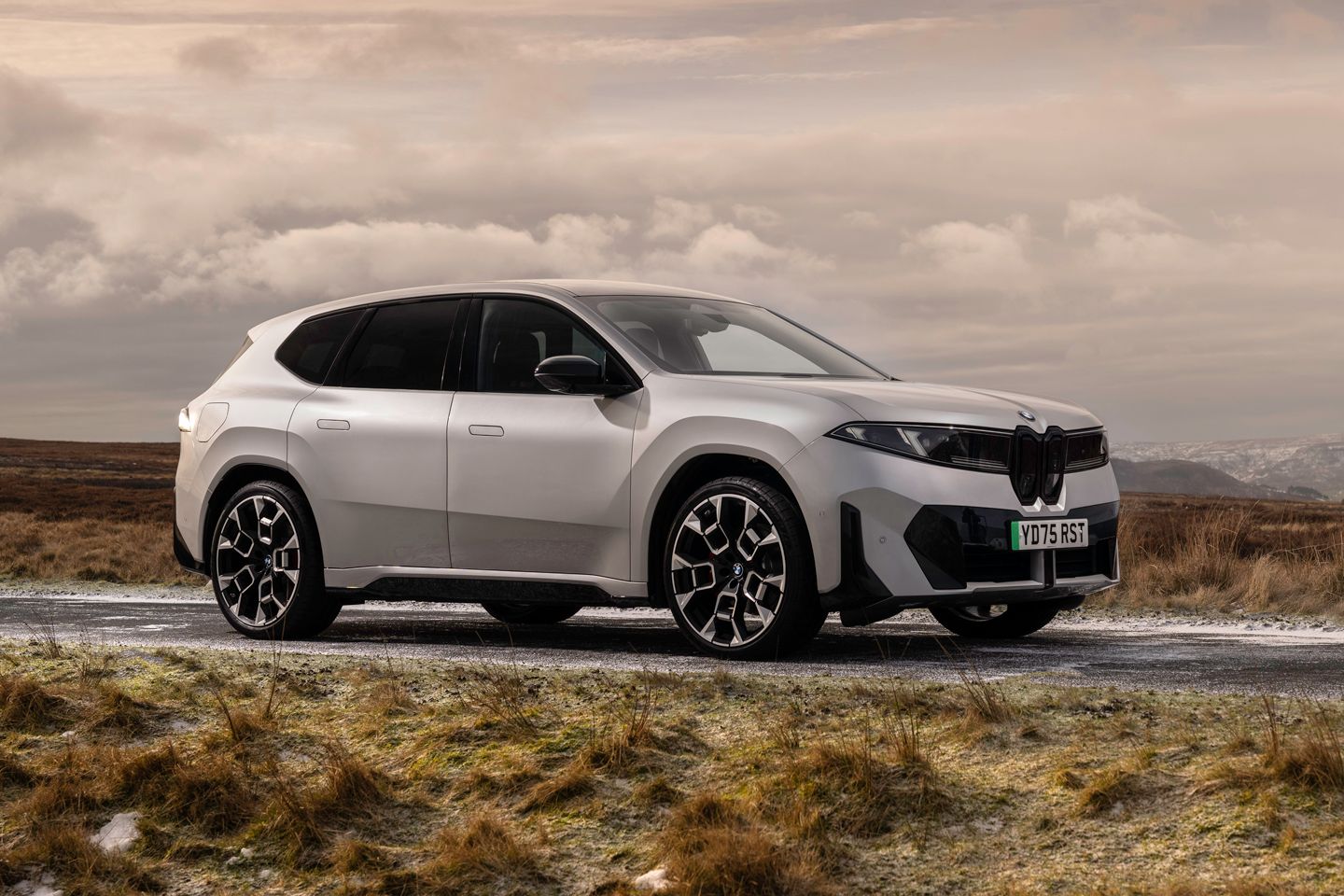
First, that design. After years of us acclimatising to the iX’s gopping front kidney grilles, the iX3’s small ones – which are inspired by the original Neue Klasse BMW, the 1500 of 1962 – will be to some a bit of a relief. Whatever your thoughts of the front end, this is a more distinctive design than the old iX3 featured, and, particularly in one of the lighter colours, the dark accents applied to M Sport models emphasise the new car’s larger muscles.
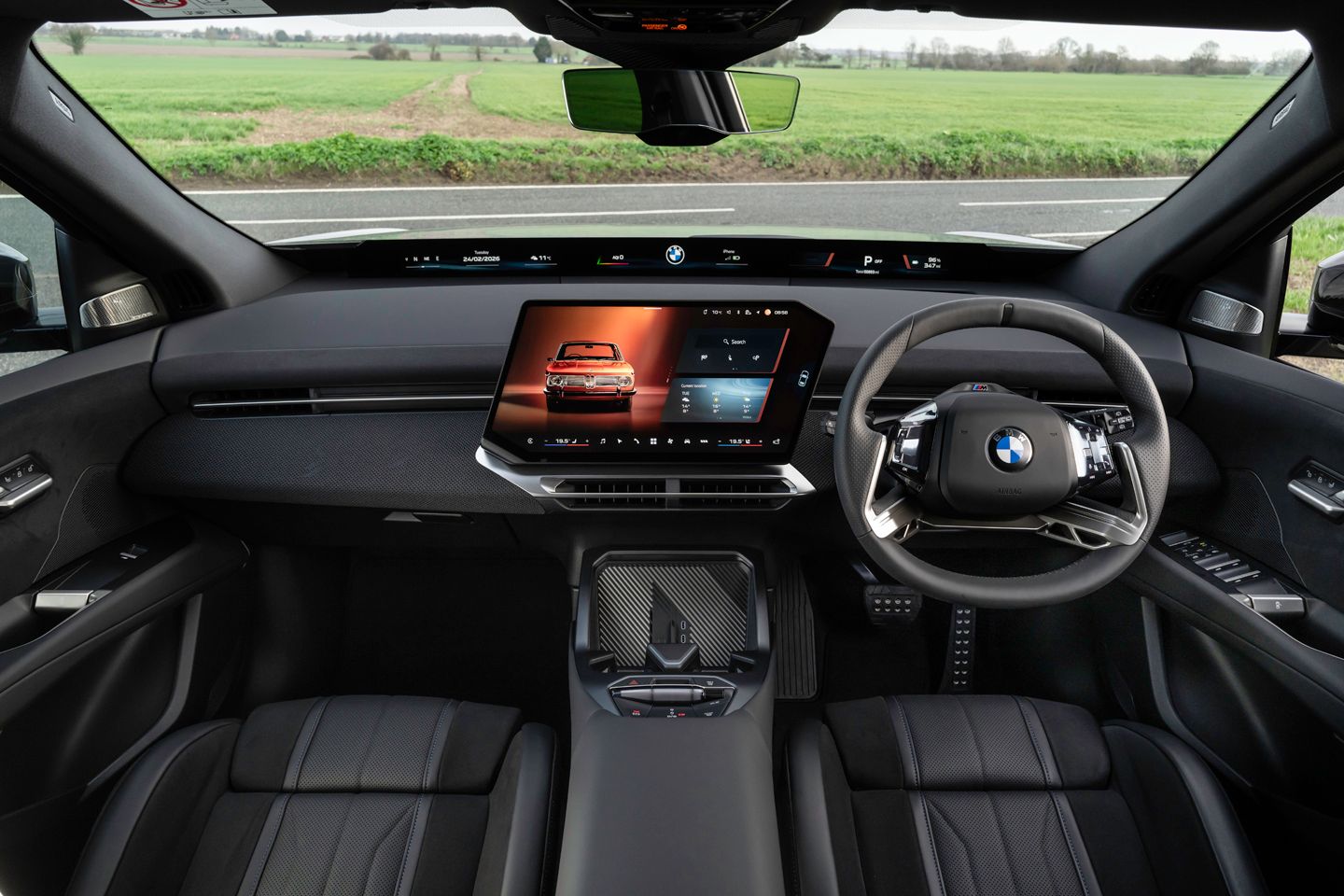
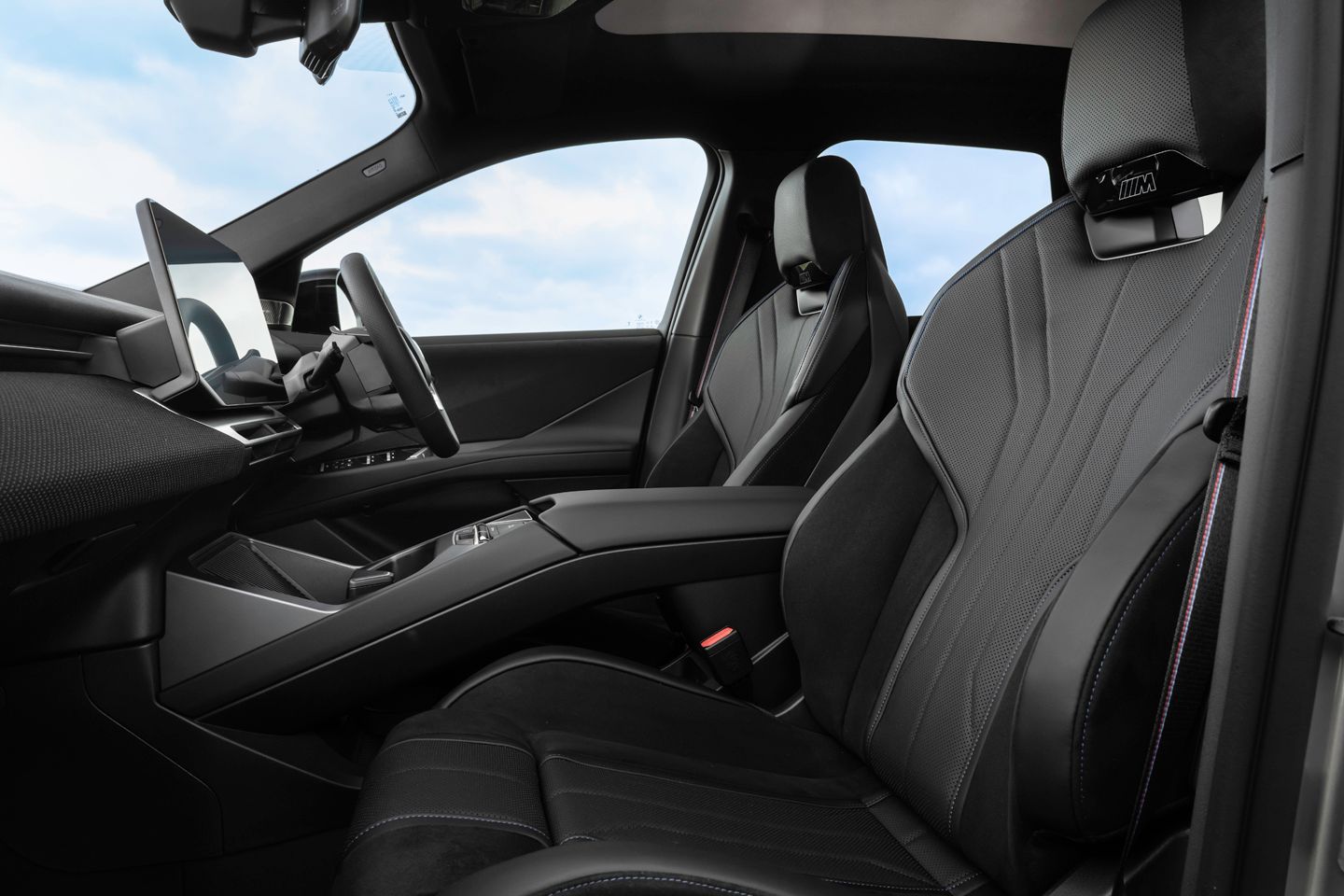
Inside, the Neue Klasse interior features lots of recycled plastics and yet it feels well put together. The fit and finish of panels and fabrics is tight and tough, and even the digital stuff looks quality. The 43-inch-wide projected display that spans the entire dashboard acts as a neat way to display lots of information, without it feeling cluttered or distracting. While an optional head-up display, part of the Technology Pack, projects sharp details directly onto the windscreen. Both displays are customisable as well, as is the 18-inch central infotainment system, which has smartphone-like reactivity, with customisable shortcuts to key pages to prevent you from getting lost in the many menus.
Still, I won’t be the only PHer frustrated to find a lack of physical controls for climate, even if BMW says customers of its other models – which have had fully digitised climate control for years now – apparently prefer on-screen buttons (I’m yet to meet someone of that opinion myself). At least the temperature controls for the driver and passenger are permanently on the lower section of the screen, although to make manual adjustments to fan speed requires a tap of the fan button, and then a second of the adjustment bar, which means three to four seconds with your eyes off the road. It’s a far cry from the interior of an E53 X5, put it that way.
The main controls for media and cruise control are, mercifully, physical buttons on the steering wheel. Well, technically they’re part of single-piece plastic panels, but their 3D texture and haptic feedback do a good enough job of making them easy to use without requiring you to look away from the road. And talking of ergonomics, while you’re very obviously in an SUV, the seat can be lowered for a BMW-appropriate view out, the wheel is in easy reach and the supportive M Sport seats offer plenty of adjustment. The odd-shaped wheel won’t be to everyone’s taste, but at least M Sport Pros get a helm with thinner grips at 10 and 2 o’clock, which contrasts with the thick rims of BMWs of late for more ‘feel’.
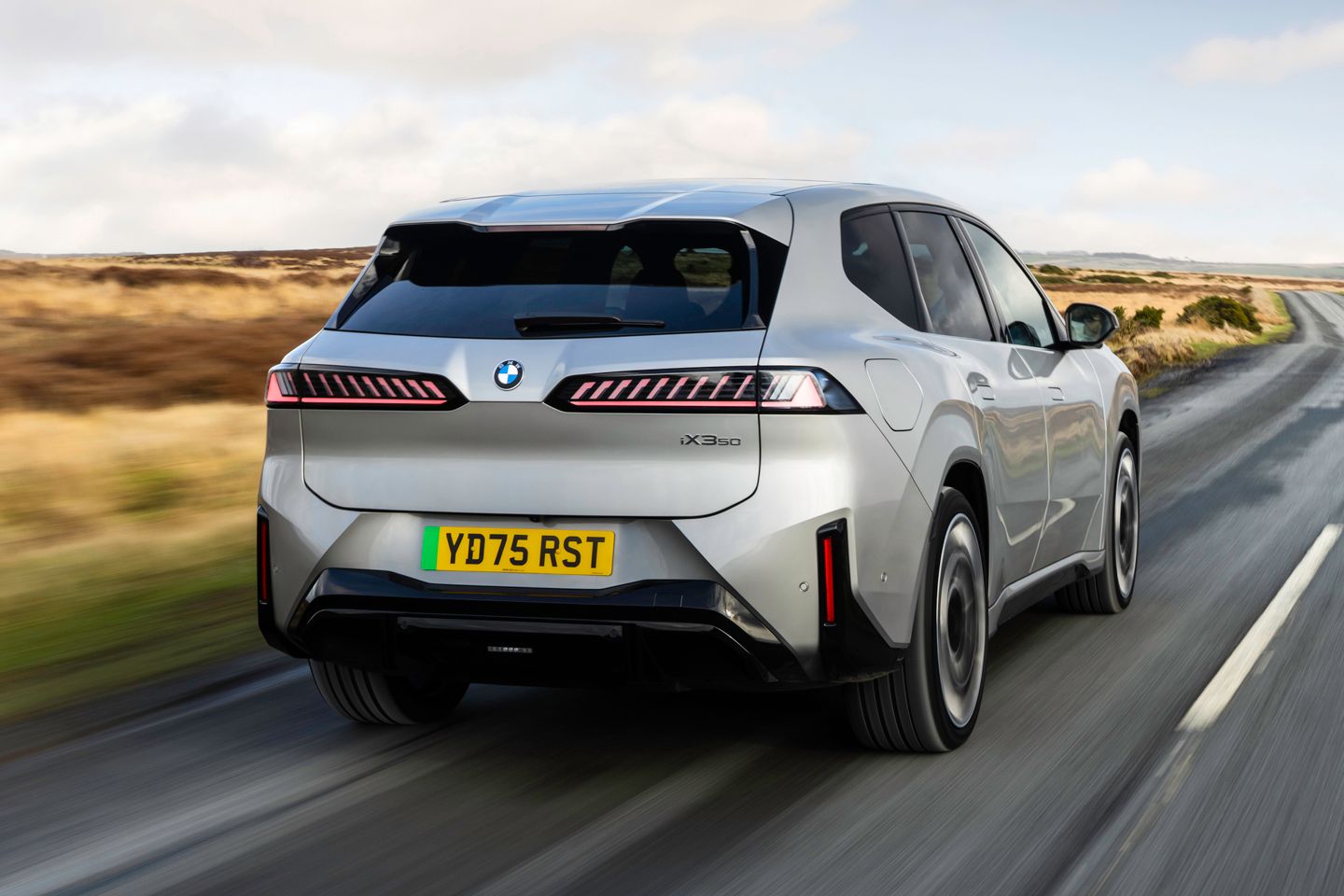
While this obviously isn’t an M car, the iX3 50 xDrive really does get a move on. A 0-62mph time of 4.9 seconds is fairly average in the world of dual-motor EVs, but the iX3’s rolling acceleration and spaceship noises make it feel like a quicker machine. Admittedly, this early model’s passive springs allow for a bit of nose lift under heavy power and some lateral roll through the bends (no matter how low in the body its 600+ kilos of battery are, physics is physics) but the damping does keep lean in check after a few degrees. There’s plenty of room for an adaptive damper model to boost body control, yet even in this fully passive iX3 50, there’s some serious cross-country pace. Albeit with controls that are totally void of feedback.
Well, that is unless you count the feedback coming through the floor, as our car’s 22-inch rims, great as they look, do mean the ride is busier on a UK road. It’s never crashy and there’s enough squidge in the configuration to soak up speed humps and bigger lumps, but cracks and drain covers are often very noticeable. Even a smooth (by UK standards) motorway can’t completely isolate you from the occasional jiggle through the body, meaning it’d probably be wiser for Brits to stick with the standard M Sport 21s – or better yet, wait until adaptive dampers with a Comfort mode join the available options.
Something that won’t be joining the iX3’s extras list are steering wheel paddles to adjust regenerative braking because – like the manual climate control buttons – BMW says these are something its EV buyers typically don’t use. Without them, it means you’re forced to dive into the menus to adjust regen strength, although thankfully, BMW’s Adaptive setting is actually very good, automatically reducing the resistance provided by battery regeneration when you’re on open roads, and ramping it up as you approach slower traffic or road furniture, such as a roundabout. It works well enough, though it does still prevent EV drivers who like maximum control from getting fully engaged. Even if we’re considered a minority.
As for the majority, interior practicality is probably be of much greater importance than flappy paddles, and the iX3 delivers on that front. There is generous amounts of rear legroom across all three seats, helped by the compactness of the battery and its short cylindrical cells below. The boot behind is 10 litres bigger than the old iX3s as well, and it has some underfloor storage space to go with more room in a ‘frunk’ under the bonnet. Nevertheless, the new iX3 cannot claim class honours versus the bigger GLC EV in terms of space.
The key area it wins, then, is tech. With a new park assist that’s genuinely useful (it’s much faster than before and even has a remote function), and, when it arrives this summer, a hands-off semi-autonomous driving system for the motorway, there are clearly several class-leading features in this first Neue Klasse car. But the one that matters most is the range, because for families in need of an EV that can really go the distance, there’s now an electric car that could feasibly be your exclusive source of year-round transport. Especially if you save a few quid and stick with the M Sport’s standard 21s.
Specification | BMW iX3 50 xDrive M Sport Pro
Engine: twin electric motors, 108.7kWh usable battery
Transmission: single-speed auto, all-wheel drive
Power (hp): 469
Torque (lb ft): 476
0-62mph: 4.9secs
Top speed: 130mph
Weight: 2,360kg (unladen)
Efficiency: 3.68 miles / kWh (PH averaged 3.0 to 3.5 miles / kWh)
Electric range: 449 miles (500 miles in non-M Sport)
Price: £62,755 for M Sport Pro; price as tested, £72,162 (50 xDrive entry price: £58,755)