

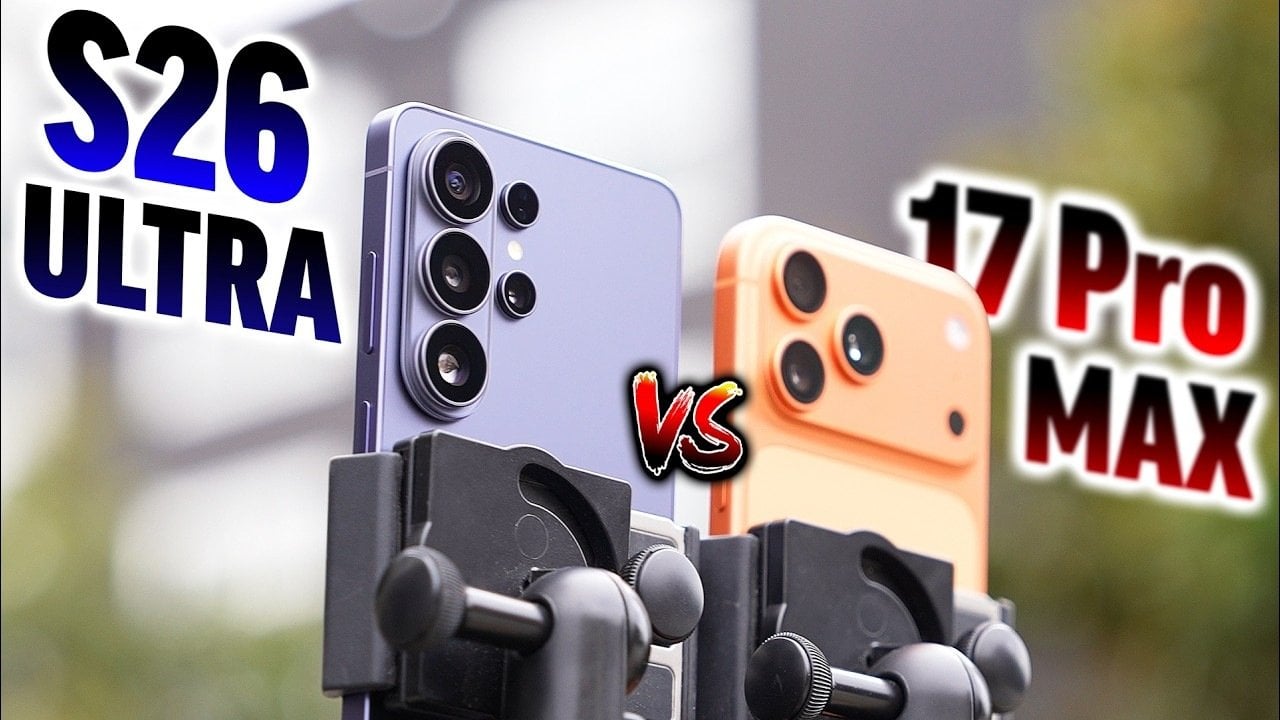
Smartphone cameras have become a defining feature of modern devices, and the Galaxy S26 Ultra and iPhone 17 Pro Max represent the pinnacle of this evolution. Both phones promise innovative performance, but their strengths vary depending on the scenario. This detailed comparison explores their capabilities across key areas such as HDR, zoom, stabilization, and night mode, helping you decide which device best suits your photography and videography preferences. The video below from Max Tech compares the cameras on the two handsets side by side.

Main Camera: HDR and Everyday Photography
The iPhone 17 Pro Max excels in capturing natural colors, balanced contrast, and superior HDR performance in standard 1x photos and videos. Its ability to reproduce realistic tones and handle dynamic range makes it a standout choice for everyday photography. Whether you’re capturing a vibrant sunset or a family gathering, the iPhone consistently delivers lifelike results.
On the other hand, the Galaxy S26 Ultra struggles with dull skies and less vibrant tones in similar conditions. However, it compensates with exceptional detail retention at higher zoom levels, particularly at 5x and 10x. If your focus is on zoom photography rather than natural color reproduction, the S26 Ultra offers a compelling alternative.
Ultrawide Camera: Field of View and Optimization
For ultrawide photography, the iPhone 17 Pro Max provides a slightly wider field of view, making it ideal for capturing expansive landscapes or group shots. Its ability to encompass more of the scene ensures that no detail is left out, especially in outdoor settings.
Samsung’s Galaxy S26 Ultra introduces minor AI and ISP enhancements to its ultrawide camera, but these changes are incremental compared to its predecessor, the S25 Ultra. While both devices perform admirably in this category, the iPhone’s broader perspective gives it a slight edge, particularly for users who prioritize wide-angle shots.
Zoom Capabilities: Detail at a Distance
Zoom photography is where the Galaxy S26 Ultra truly stands out. Its 5x and 10x optical zoom capabilities deliver unmatched sharpness and detail, making it the go-to device for capturing distant subjects like wildlife or architectural details. The clarity and precision at these zoom levels are unparalleled, offering a significant advantage for users who frequently rely on telephoto photography.
In comparison, the iPhone 17 Pro Max performs well up to 4x zoom, maintaining clarity and detail. However, it struggles to compete with the S26 Ultra at higher zoom levels, where the image quality begins to degrade. If zoom photography is a priority, the S26 Ultra is the clear winner in this category.
Portrait and Macro Photography
Portrait mode is a strong suit for the iPhone 17 Pro Max, which delivers natural and balanced results with realistic skin tones and excellent depth of field scaling. Its ability to create lifelike portraits makes it a top choice for capturing people and pets in a variety of settings.
Samsung’s S26 Ultra, while vibrant and detailed in macro shots, occasionally falters in color accuracy, particularly in challenging lighting conditions. For users who enjoy close-up photography, the S26 Ultra’s macro capabilities are impressive, but its portrait performance lags behind the iPhone. If lifelike portraits are your priority, the iPhone is the better option.
Video Stabilization and Cinematic Features
When it comes to video stabilization, the iPhone 17 Pro Max leads the way. Its cinematic video mode produces smooth, professional-grade footage with natural blur effects, making it ideal for content creators and videographers. Whether you’re filming a dynamic scene or a steady shot, the iPhone ensures polished results.
Samsung’s Galaxy S26 Ultra offers super steady stabilization with horizontal lock, which is particularly useful for action shots. However, its 3x cinematic video mode can sometimes appear overly processed, detracting from the natural look of the footage. For those seeking refined and natural-looking videos, the iPhone remains the top choice.
Selfie Camera: Front-Facing Features
The iPhone 17 Pro Max introduces center stage functionality, allowing for landscape video recording and delivering natural skin tones in selfies. This feature enhances the user experience, particularly for video calls and social media content.
In contrast, the Galaxy S26 Ultra’s selfie camera, largely unchanged from the S25 Ultra, produces cooler tones and less accurate HDR. While it performs adequately, it lacks the refinement and versatility of the iPhone’s front-facing camera. For users who prioritize selfies and front-facing video, the iPhone offers a more polished experience.
Night Mode: Low-Light Photography
Low-light photography is a critical area where the iPhone 17 Pro Max excels. Its ability to reduce noise, preserve detail, and reproduce natural colors ensures consistent results in challenging lighting conditions. Whether capturing a cityscape at night or a dimly lit indoor scene, the iPhone delivers reliable performance.
The Galaxy S26 Ultra performs well in specific scenarios, such as 5x optical zoom in low light, but struggles with color accuracy and glare in general night mode shots. For users seeking dependable low-light performance across a variety of settings, the iPhone is the more reliable choice.
Audio Features and Noise Reduction
Both devices incorporate advanced noise reduction technologies, enhancing the clarity of audio recordings. Samsung introduces an audio eraser tool for third-party apps, allowing users to remove unwanted background noise from recordings. This feature adds versatility for those who frequently record in noisy environments.
While the iPhone lacks a comparable tool, its overall audio quality remains competitive, delivering clear and crisp sound for both recordings and playback. Depending on your specific audio needs, either device can provide a satisfactory experience.
Choosing the Right Device for Your Needs
The iPhone 17 Pro Max stands out for its superior HDR performance, stabilization, and natural color reproduction, making it the ideal choice for users who prioritize lifelike imagery and smooth video. Its strengths in portrait photography, ultrawide shots, and low-light performance further solidify its position as a versatile and reliable option.
Meanwhile, the Galaxy S26 Ultra dominates in zoom capabilities and vibrant macro photography, catering to users who value detail and versatility. However, its improvements over the S25 Ultra are minimal, which may influence its appeal as an upgrade.
Ultimately, your choice will depend on your specific photography and videography needs. Whether you prioritize zoom, natural tones, or cinematic video, both devices offer compelling features tailored to different preferences.
Advance your skills in Galaxy S26 Ultra by reading more of our detailed content.
Source & Image Credit: Max Tech
Filed Under: Gadgets News
Disclosure: Some of our articles include affiliate links. If you buy something through one of these links, Geeky Gadgets may earn an affiliate commission. Learn about our Disclosure Policy.