

Ask audiophiles to name the best HiFi audio brands, and the same names keep coming up. You’ll see them in forums, Reddit threads, and community polls. They aren’t always the brands with the biggest ad budgets. The ones that earn real trust tend to share a few traits most casual listeners don’t notice.
What makes a brand trusted isn’t just good sound. It’s making every product well, putting clean signal ahead of fancy features, and building gear that still holds value decades later.
1. Yamaha: Built for the Long Haul
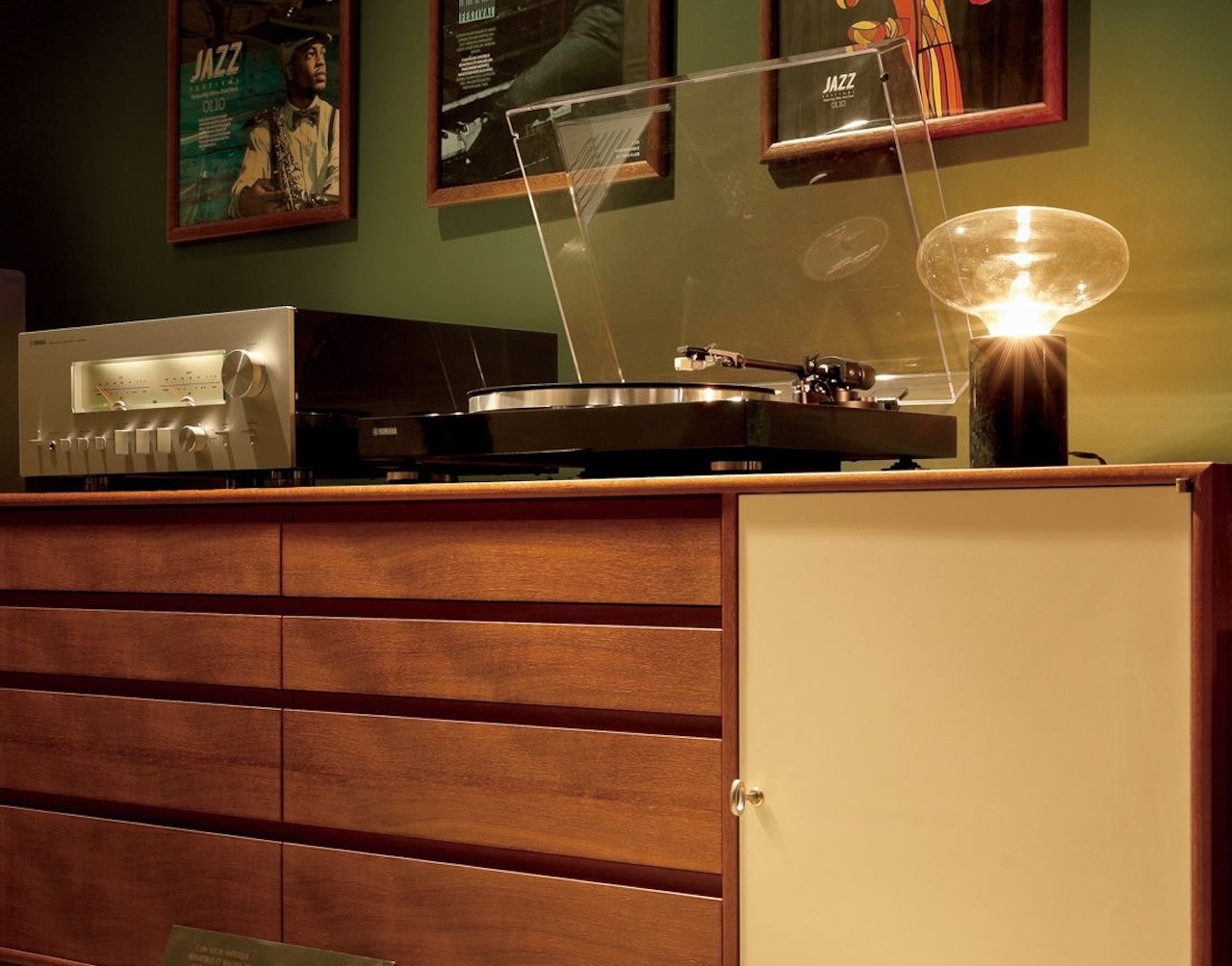
Yamaha shows up at the top of trust lists for a simple reason. The company has made audio gear for more than 60 years with one clear goal: build the basics really well, keep prices fair, and let the sound do the talking. The NS-1000M speakers came out in 1974 with pure beryllium tweeters. People still want them 50 years later, which says a lot about how Yamaha builds for the long run.
That same thinking shows up in today’s 5000-series amps, which use huge transformers and thick copper bars to do the heavy work. The R-N803 receiver adds streaming without hurting sound quality, and it costs less than most rivals. What stands out about Yamaha is how wide its range is. You’ll find entry-level receivers in college dorms and flagship gear in dedicated listening rooms. That reach, paired with gear that refuses to quit, keeps the brand popping up in every “what should I buy first” thread online.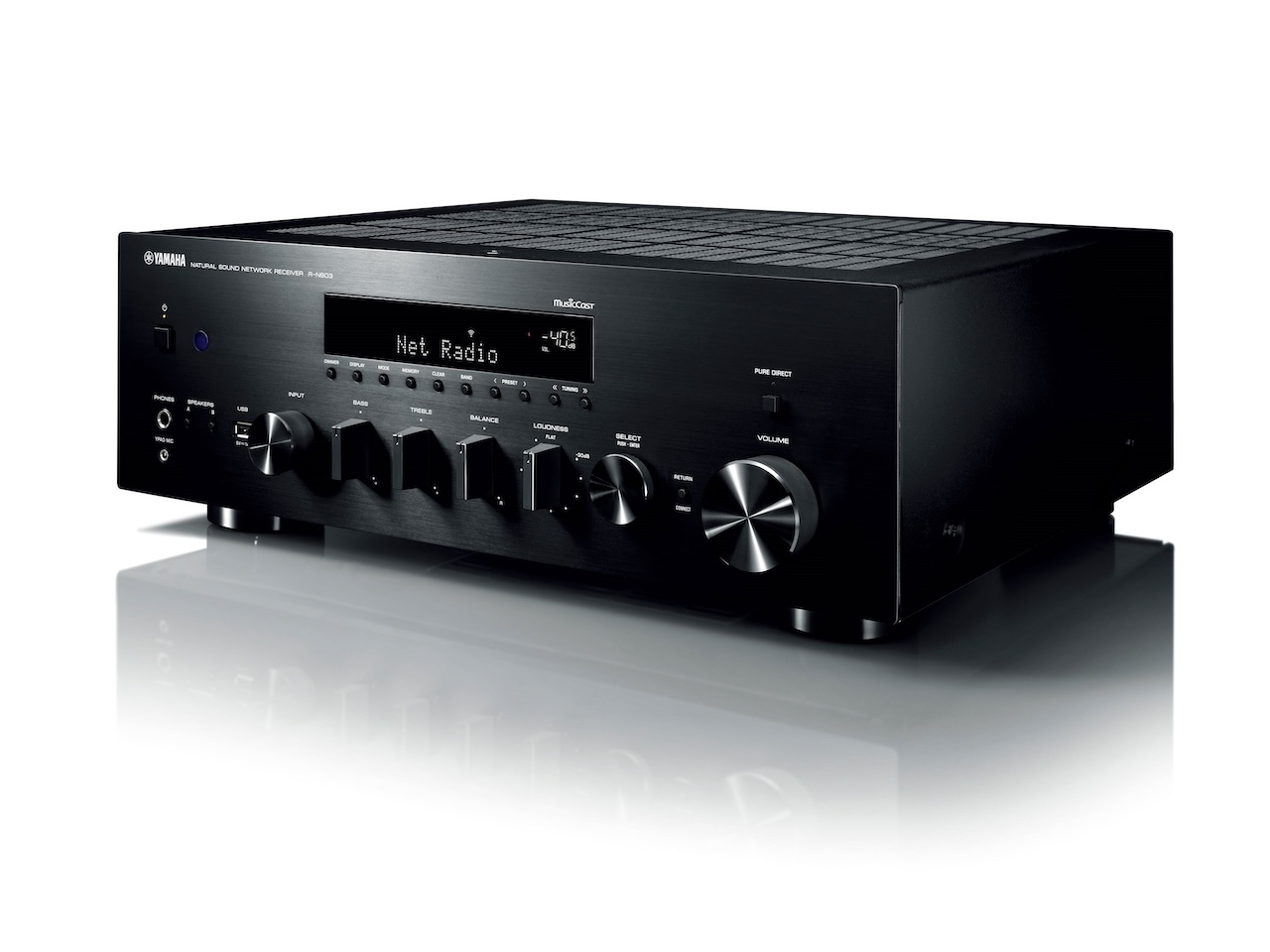
Price: $8,999.95
Where to Buy: Yamaha
Worth a closer look: Yamaha A-S3200 integrated amplifier. A fully balanced, class-AB amp with a built-in MM/MC phono stage, two VU meters, and solid brass feet with pinpoint chrome spikes. Reviewers love how quiet it runs, and its grounding design is built to cut transformer buzz. A beautiful piece of gear that sounds as clean as it looks.
2. Marantz: The Warmth Specialists
Marantz built its name on warmth. Fans describe its house sound as relaxed and detailed, but never cold or clinical. It’s tuned to make music feel a certain way, not just play it back with perfect accuracy. If Yamaha is the reliable workhorse, Marantz is the brand you pick when feeling matters more than numbers.
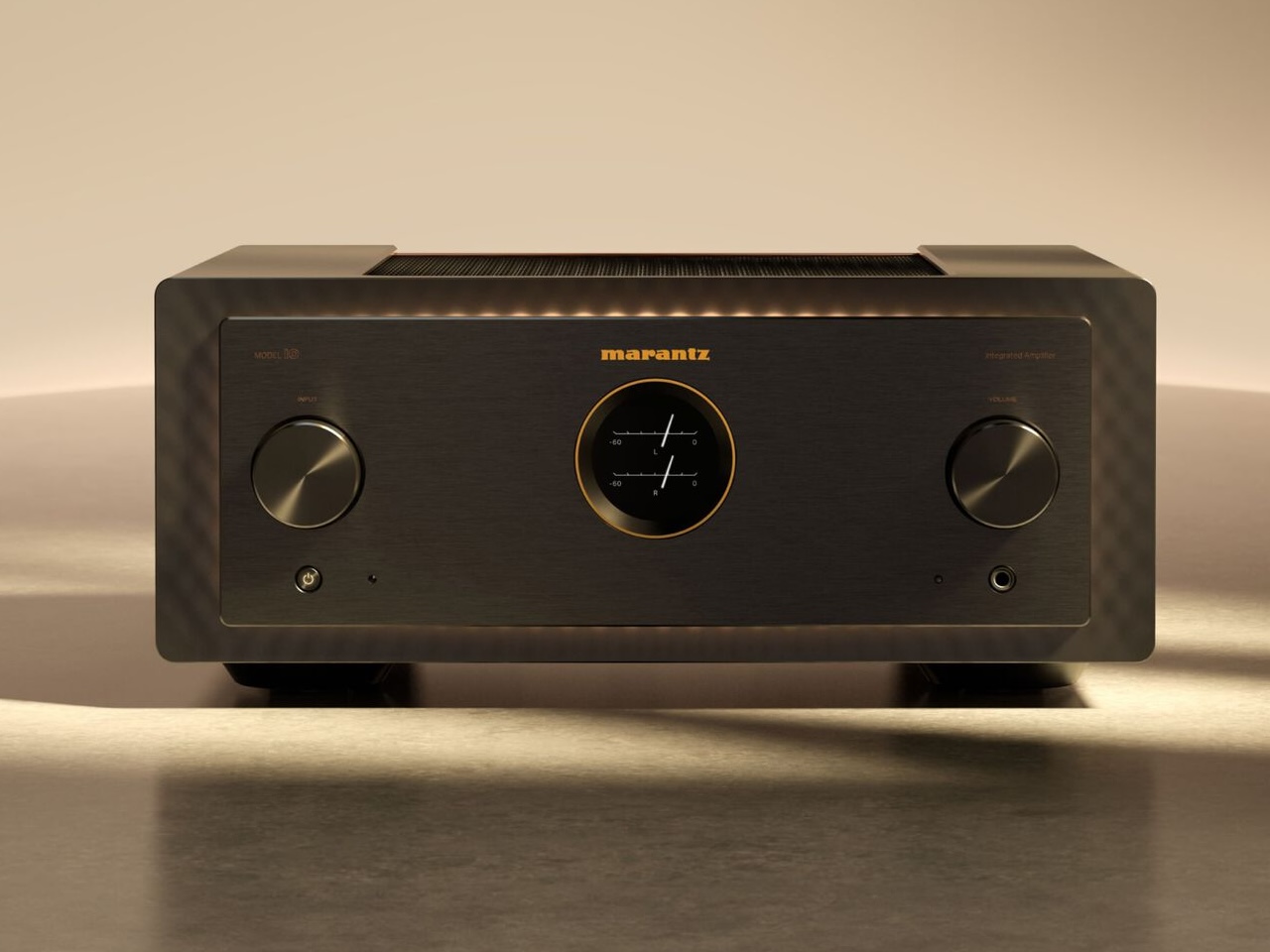
The flagship Model 10 amp pushes 250 watts per channel. Its case is plated with copper to block electrical noise, and inside, custom HDAM parts replace the usual chips to keep the signal cleaner. The Model 10 is also Marantz’s first flagship to use Class D power, built on Purifi tech, with a modern switching power supply. Even with all that new hardware, it still has the warm midrange Marantz fans love.
The CINEMA series AV receivers carry that same tuning into home theater, which is rare for an audiophile brand. Most companies treat stereo and surround as separate problems. Marantz treats them as the same problem with more speakers, and that consistency across formats is a smart move.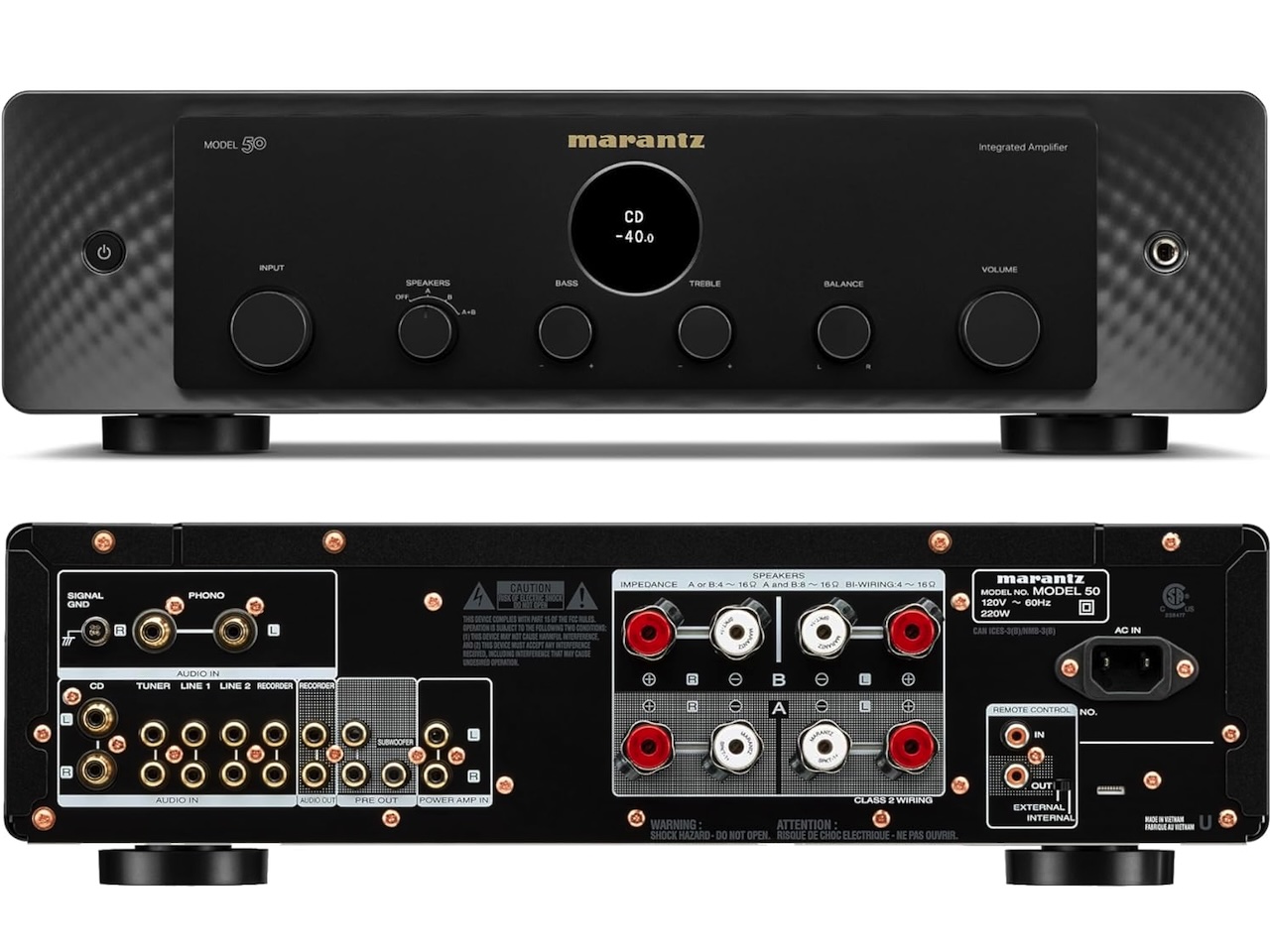
Price: $2,000
Where to Buy: Amazon
Worth a closer look: Marantz Model 50 integrated amplifier ($2,000). A pure analog design with no digital inputs, 70 watts per channel, and HDAM SA-3 circuits pulled from pricier models. Marantz left out streaming and DAC features on purpose, betting that stereo fans want a clean signal path with no digital shortcuts. It’s the cheapest way into the Marantz house sound, and it punches well above its price.
3. Technics: Precision Engineering
Technics made its name with turntables. The original SL-1200 became the DJ standard in the 1970s because the direct-drive motor didn’t drift, the tonearm tracked even under rough use, and the whole thing survived years of nightclub abuse without fuss.
The Grand Class SL-1200G revival pushed that further with a coreless twin-rotor direct-drive motor that most belt-drive designs can’t match for speed stability. This isn’t just nostalgia. The engineering underneath is genuinely better than what rivals offer at similar prices, and the speed measurements prove it. Talk to longtime owners and reliability comes up right away, which matters in a category where precision shapes the sound. Beyond turntables, the SB-G90M2 speakers and SU-G700M2 amp apply that same focus on stability to the rest of the system. Technics picks specific engineering problems and solves them with care most brands save for marketing copy.
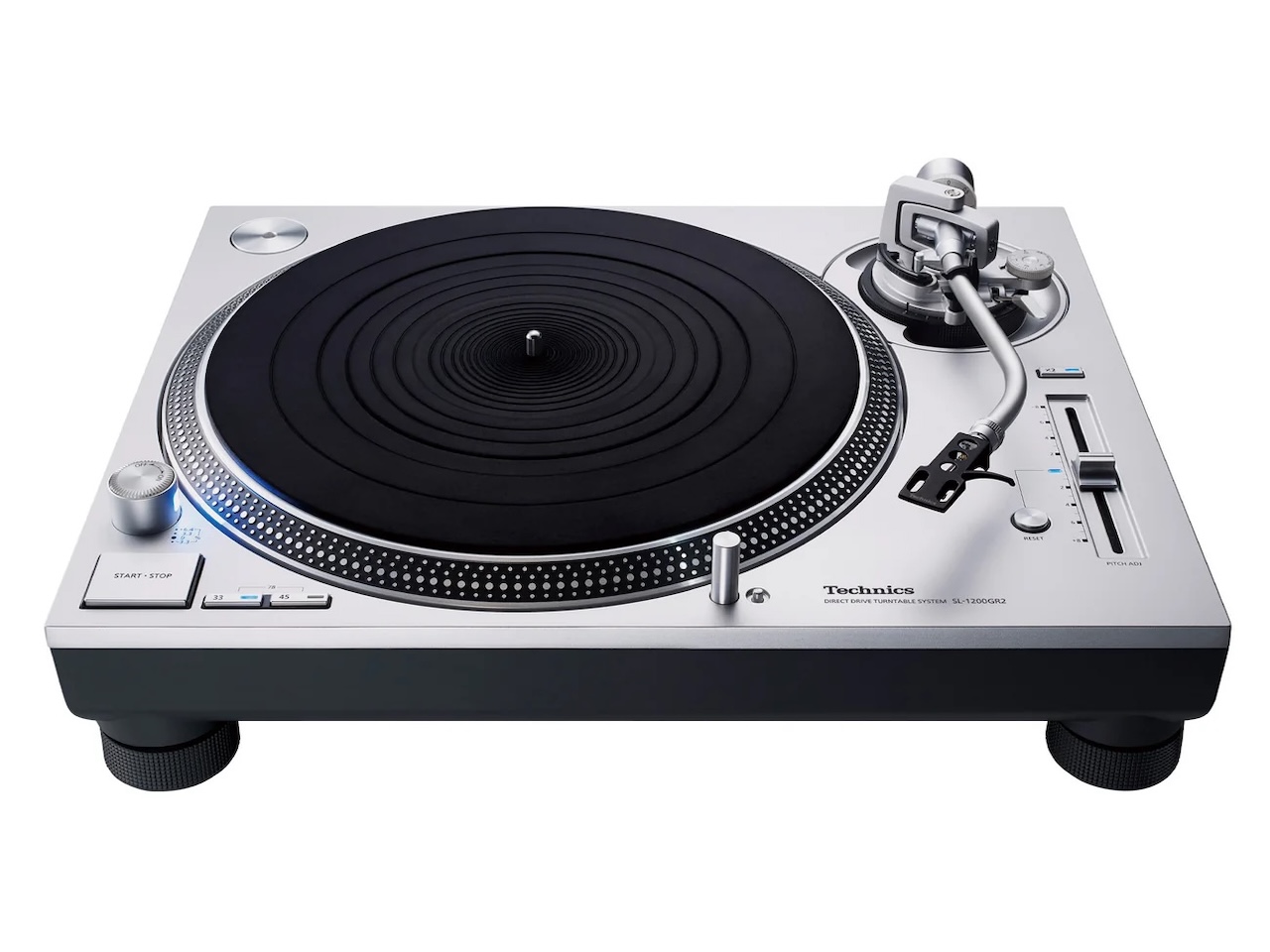 Worth a closer look: Technics SL-1200GR2 turntable ($2,499).
Price: $2,499.99
Where to Buy: Technics
The newest model in the SL-1200 line adds Delta Sigma Drive motor control for even smoother rotation, plus a new power supply that lowers the noise floor. It’s built like the tank you remember, but the tech inside is a full step ahead. Reviewers love its build quality and steady rhythm, and it’s the cheapest way into Technics’ Grand Class lineup.
4. KEF: Driver Innovation
KEF doesn’t always top popularity polls, but its impact on speaker design goes way beyond name recognition. The company invented the Uni-Q driver. Instead of mounting the tweeter next to the midrange cone like most speakers do, KEF puts it right in the middle of the cone. Sound comes from a single point, so you hear the same thing whether you sit dead center or off to the side. It fixes one of the oldest problems in speaker design: most speakers only sound their best in one spot.
The LS50 Meta bookshelf uses the 12th generation of Uni-Q and has become a benchmark in its price range. You’ll find it in studios, living rooms, and desktop setups because the imaging stays sharp no matter where you place it. The Blade flagship tower takes that same tech full-size, and the KC62 subwoofer packs real bass into a cabinet small enough to hide behind a couch cushion.
KEF’s wireless and powered models add the Music Integrity Engine DSP on top of the hardware. KEF isn’t ditching acoustic engineering. It’s adding digital polish where it counts, which is different from brands that use DSP to cover up weak drivers. That difference matters to listeners who read the white papers before they buy.
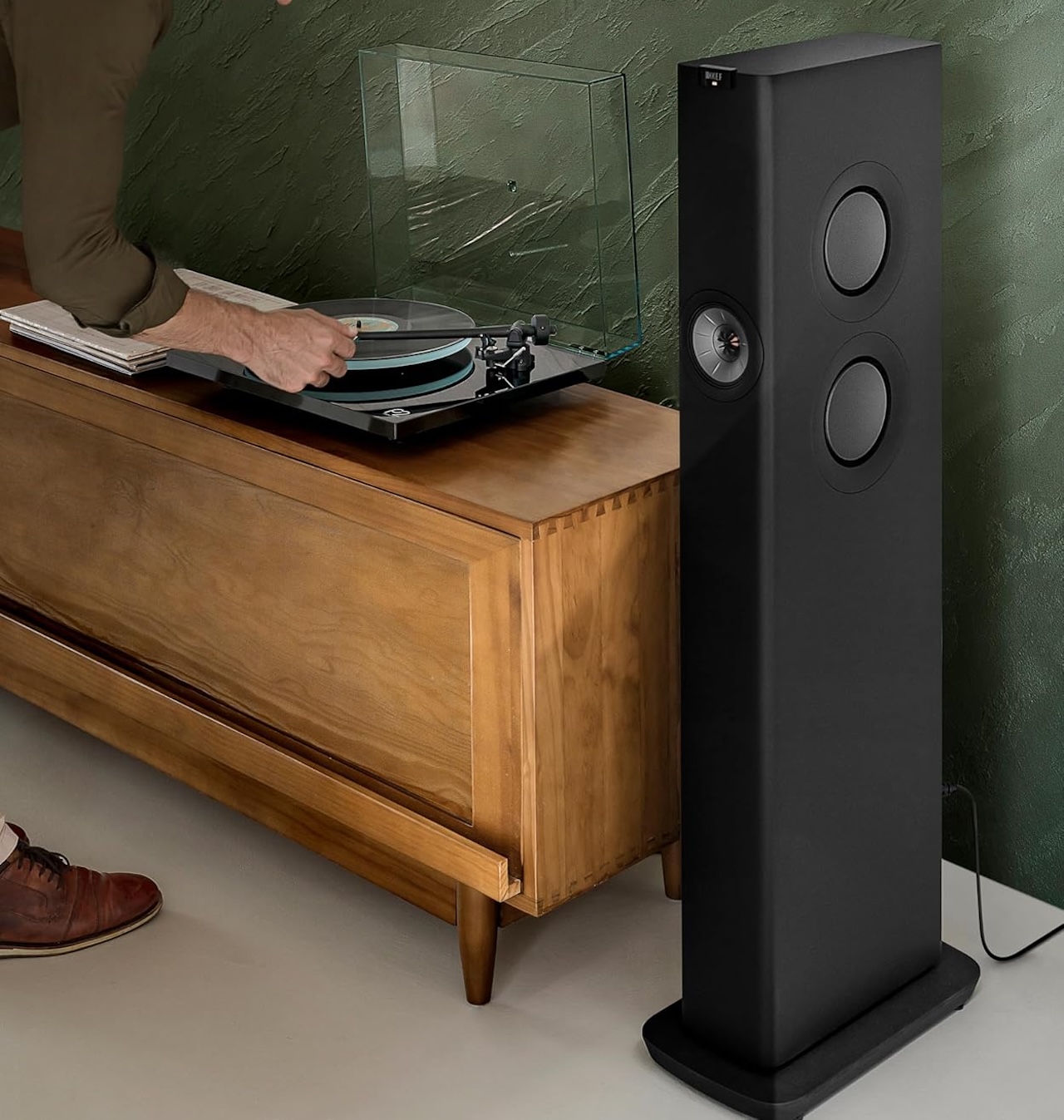
Price: $5,999.99
Where to Buy: Amazon
Worth a closer look: KEF LS60 Wireless floorstanding speakers ($5,999/pair). A fully active, all-in-one system with 12th-gen Uni-Q, Metamaterial Absorption Technology, and 700 watts of power per speaker. Streaming is built in with AirPlay 2, Chromecast, and Roon Ready support. Hi-Fi News called them “a compact version of the Blade, without the hassle of hunting for matching sources or amplification.” If you want KEF’s best tech without needing a rack of separate components, this is the one.
5. Klipsch: Horn-Loaded Legacy
Klipsch may not top every popularity list, but its spot is locked in by a design idea that hasn’t changed since Paul Klipsch built the first Klipschorn in 1946. Horn-loaded speakers use the horn as a funnel that focuses the driver’s energy into the room instead of letting it scatter. The horn flares out from the tweeter or midrange and pushes sound forward with less effort, which makes them louder and more efficient than regular speakers. Heritage models hit sensitivity above 100 dB, which means they play at concert levels with amps that would barely make other speakers whisper.
The Cornwall IV keeps that tradition going with updated materials and cleaner horn shapes. The smaller RP-600M bookshelf brings horn sound to listeners with less floor space or a smaller budget. What Klipsch gives you that others don’t is immediacy. Horn speakers react faster than regular dome tweeters, and the dynamics feel less squashed at normal volumes. Audiophiles who want music to feel “live” rather than “played back” come here for that exact reason. The trade-off is a sound some find too forward, but that’s taste, not quality. Klipsch picks a lane and commits to it.
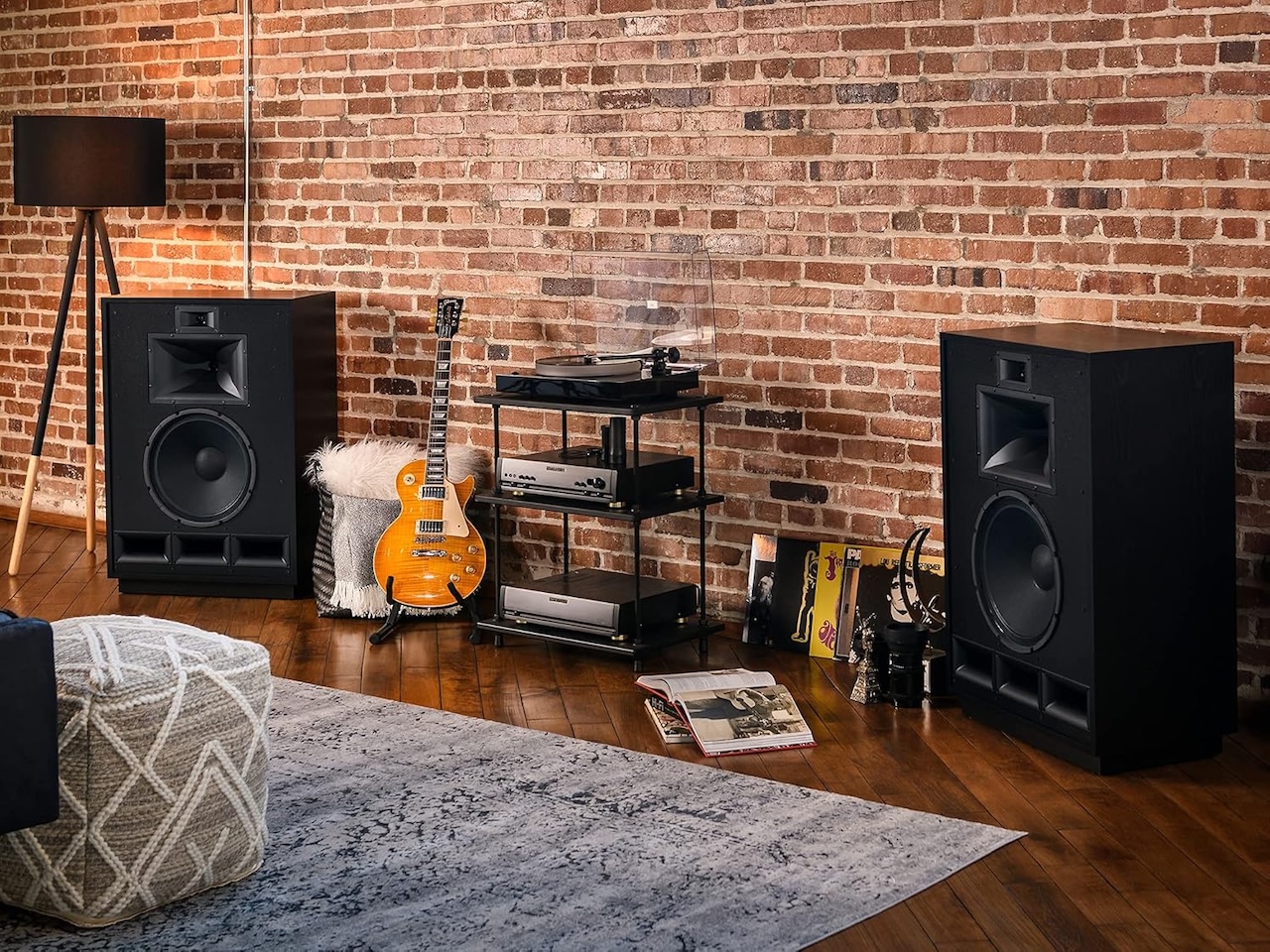
Price: $7,299.98
Where to Buy: Amazon
Worth a closer look: Klipsch Cornwall IV floorstanding speakers (~$6,600/pair). A three-way design with a horn-loaded titanium tweeter, a horn-loaded midrange, and a 15-inch direct-firing woofer. Sensitivity is 102 dB, and the cabinet uses Tractrix ports with inner flares. Each speaker weighs close to 100 pounds and comes in book-matched real wood veneer. Pair them with a small tube amp and you’ll get concert-level dynamics from gear that costs a fraction of most high-end setups. They’re built in Hope, Arkansas, just like the originals.
What sets these brands apart
What ties these five together isn’t price or country. It’s engineering conviction. Yamaha builds for reliability. Marantz tunes for warmth. Technics is obsessed with precision. KEF pushes driver tech forward. Klipsch commits to horn efficiency, no apologies.
None of them try to be everything to everyone, and that’s exactly why audiophiles keep coming back. In a market full of brands chasing trends and spec sheets, the best HiFi audio brands are the ones with a clear idea of what good sound means. These five have it. Whether their version matches yours is the right place to start.
One honest note: none of these are budget brands. But if you read The Gadgeteer because you want the best HiFi gear, not just something that plays music, this list is built for you.
Frequently Asked Questions
Which HiFi brand is best for beginners?
Yamaha. The R-N803 receiver and entry-level Yamaha speakers deliver real HiFi sound, easy setup, and the same engineering as the flagship 5000-series amps at a fraction of the price.
Are KEF and Klipsch worth the price?
Yes, if you match the model to your room and taste. KEF’s Uni-Q widens the sweet spot for group listening. Klipsch horns play loud on less power, ideal for tube amps. Demo both first.
Which HiFi brand has the warmest sound?
Marantz. Its warm, detailed house sound favors feel over flat accuracy, ideal for vocals, jazz, and acoustic music.
Is a new Technics turntable worth it in 2026?
Yes, for direct-drive. The SL-1200GR2 ($2,499) pairs Technics’ newest motor control and a lower noise floor with the classic tank build. Few belt-drives match its speed stability at this price.
What’s the best HiFi amplifier under $2,500?
Marantz Model 50 ($2,000). 70 watts per channel, HDAM SA-3 circuits from pricier models, and a pure analog signal path. The cheapest door into the Marantz house sound.
Love our content?
Sign up for our newsletter today.
No ads, no spam, just links to our latest articles!