

People feel the difference before they understand the technology. A sneaker that stays cool on a long walk. A watch band that flexes without rubbing skin raw. A fitness shoe that supports weight without feeling stiff. These changes come from material-level wearables, not from new apps or smarter dashboards.
For years, wearable innovation focused on software. Brands added sensors, tracking features, and AI-driven insights. That strategy worked for data, but it hit limits on comfort, durability, and long-term use. Now companies push innovation deeper, into the materials themselves. This shift affects athletes, casual users, and anyone who wears technology for hours each day.
The change matters now because consumers expect wearables to disappear into daily life. People want performance without discomfort. They want durability without bulk. Smarter materials promise those gains, but they also bring new trade-offs in cost, manufacturing, and access.
Why Smarter Materials Matter More Than Smarter Apps
Software can only improve what hardware allows. A fitness app cannot fix a shoe that traps heat. A health dashboard cannot solve pressure points in a rigid sole. Material-level wearables address the physical experience first.
Smart materials respond to stress, heat, and motion in measurable ways. Engineers now design wearables that flex where feet bend, stiffen where support matters, and channel airflow where heat builds. These changes reduce fatigue and improve comfort without asking users to learn new software.
This approach also lowers cognitive load. Users no longer need to check settings or analyze charts to feel improvement. The product performs better by default. That simplicity explains why brands invest heavily in material science rather than new companion apps.
The shift also reflects maturing markets. Smartwatches and fitness trackers reached feature saturation. Most users already track steps, heart rate, and sleep. Material-level wearables open new performance gains where software can no longer compete.
3D-Printed Sneakers Show How the Shift Works
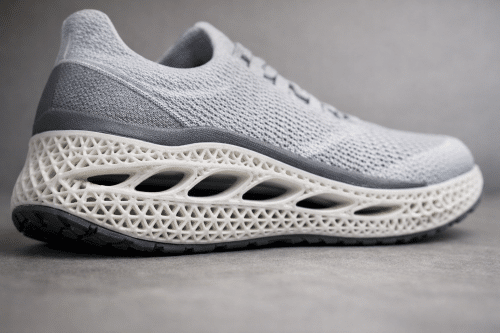
3D-printed sneakers highlight the clearest example of material-level wearables in action. Brands now use additive manufacturing to design midsoles with precise lattice structures. These structures control airflow, cushioning, and energy return at a millimeter scale.
Traditional foam soles rely on uniform density. Engineers can only tune performance by changing materials or thickness. 3D printing removes that limit. Designers now vary density across the sole. They add flexibility at the forefoot and firmness at the heel. They carve airflow channels that release heat during movement.
This approach improves performance through physics, not software. Air moves where pressure builds. Impact energy spreads across tuned structures. The shoe adapts to motion without sensors or batteries.
Adidas helped popularize this approach with its Futurecraft line, which you can explore further on the brand’s official innovation page here: https://www.adidas.com. The concept now spreads across performance and lifestyle footwear as costs slowly fall.
These sneakers also reveal a key advantage of material-level wearables: customization. Brands can adjust lattice patterns for weight, gait, or sport without retooling factories. That flexibility may reshape how companies design and sell wearables in the next decade.
How Material-Level Design Changes Performance
Material-level wearables improve performance through measurable physical effects. Airflow increases cooling efficiency. Tuned stiffness reduces energy loss. Flexible zones lower strain on joints.
In footwear, airflow-optimized materials reduce internal temperature during long use. Studies from sports engineering groups like those referenced by MIT Technology Review show that heat buildup directly impacts endurance and comfort. You can read more about material science trends here: https://www.technologyreview.com.
In wrist wearables, advanced polymers reduce skin irritation while maintaining durability. These materials stretch under motion and recover shape without cracking. That behavior increases long-term wear compliance, which improves health tracking accuracy.
This design philosophy also improves longevity. Smarter materials resist fatigue better than uniform structures. Instead of cracking at stress points, they distribute load across engineered patterns. That durability lowers replacement cycles and reduces waste.
Material-level wearables also reduce reliance on electronics. Fewer sensors mean fewer failure points. That shift matters for sustainability and repairability, two growing concerns among buyers.
Trade-Offs and Limits of Re-Engineered Wearables
Despite the promise, material-level wearables carry real trade-offs. Cost remains the largest barrier. 3D printing and advanced polymers cost more than traditional manufacturing. Brands often pass those costs to buyers.
Production speed also limits scale. Additive manufacturing takes longer than injection molding. That delay complicates mass-market releases and seasonal demand.
Accessibility presents another challenge. Custom-fit or advanced material wearables often reach premium buyers first. Budget-conscious consumers may wait years for prices to fall.
Repairability creates mixed outcomes. Some material-level designs improve durability but complicate repairs. A cracked lattice midsole may require full replacement instead of partial fixes.
Regulation also lags behind innovation. New materials must meet safety and durability standards across regions. That process slows deployment and increases development costs.
Brands must balance these risks against performance gains. Not every wearable needs advanced materials. In some cases, traditional designs still offer better value.
What This Shift Means for Consumers and Brands
For consumers, material-level wearables signal a return to comfort-first design. Buyers should expect fewer flashy features and more subtle improvements. The best products will feel better, not just measure more data.
Shoppers should also look for transparency. Brands that explain how materials improve airflow, flexibility, or durability offer clearer value than vague claims about innovation.
For brands, this shift demands new skills. Material science, industrial design, and manufacturing now matter as much as software engineering. Companies that rely only on apps risk falling behind.
This trend also reshapes competition. Footwear companies with deep materials expertise may outperform tech-first startups. Partnerships between material labs and consumer brands will likely increase.
Culturally, the shift reflects wearable fatigue. People want technology that supports life without demanding attention. Material-level wearables meet that desire by working silently in the background.
Practical Takeaways for Readers
If you plan to buy new wearables, prioritize physical comfort and build quality over feature lists. Look for designs that explain airflow, flexibility, or pressure distribution.
Expect higher prices for early material-level wearables, but also expect longer lifespan and better daily comfort.
Watch footwear innovation closely. Sneakers often serve as the testing ground for material advances that later reach other wearables.
Understand the trade-offs. Smarter materials improve experience, but they may limit customization or repairs.
Most importantly, trust how a wearable feels over what it promises. The future of wearables lives in materials you notice less, not features you check more.