

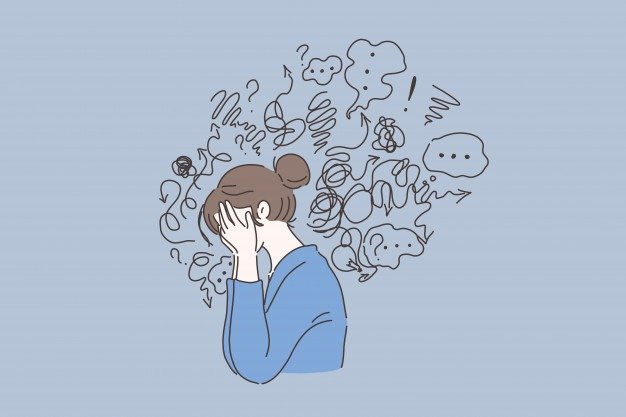
The term “minority stress” has become increasingly important for understanding why some groups experience higher rates of mental health difficulties. First described by researcher Ilan Meyer in 2003, it refers to the ongoing stress that people from marginalised groups face because of their social position. Unlike everyday stress, minority stress is unique, socially based, and long-lasting.
Understanding this concept matters not only for therapists and researchers, but for anyone who wants to make sense of their own experiences; or to better understand the lives of people around them.
What is minority stress?
Minority stress is the extra burden of stress that people from stigmatised groups carry as a result of being part of that group. It’s not about isolated incidents of discrimination, though those certainly play a part. It’s the ongoing, daily pressure of moving through a world that wasn’t designed with your identity in mind.
Researcher Ilan Meyer’s model identifies several layers of minority stress:
- External events are the most obvious. These include direct experiences of discrimination, prejudice, or violence. They are the moments when something happens to you because of who you are.
- Expectation of rejection is the vigilance that develops when you anticipate prejudice. This means constantly scanning your environment for safety, preparing for potential negative reactions, and managing how you present yourself in ways that others don’t have to think about. This takes real mental energy.
- Internalised stigma happens when negative messages from the outside world become part of how you see yourself. Over time, the prejudice you encounter can turn into an inner voice of self-criticism, shame, or feeling that something is wrong with you.
- Concealment is the burden of hiding parts of your identity to stay safe or avoid rejection. Sometimes hiding is a practical choice, but it comes with costs: feeling inauthentic, disconnected, and isolated from others.
How minority stress affects mind and body
Research consistently shows that minority stress contributes to mental health problems. People who experience chronic minority stress have higher rates of anxiety, depression, and substance use compared to those who don’t.
The reasons for this are well understood. When we face ongoing stress, our bodies stay in a state of high alert. Stress hormones like cortisol remain elevated. While this system evolved to help us handle short-term threats, being in this state for long periods takes a toll.
Over time, this chronic stress affects physical health too. It’s linked to heart problems, weakened immune systems, and sleep difficulties. Mentally, the constant vigilance drains energy and can make it harder to concentrate, make decisions, or manage emotions.
Why minority stress often goes unnoticed
One challenge is that people who experience minority stress may not recognise it for what it is. The stress becomes normal; just part of everyday life. Someone might think, “This is just how life feels,” and blame themselves rather than the conditions they’re navigating.
When society minimises or denies the experiences of marginalised groups, it can make things worse. People may start to doubt their own perceptions, wondering if they’re overreacting. This adds another layer of stress on top of the original one.
Ways to manage minority stress
While minority stress comes from social conditions beyond any individual’s control, research points to several approaches that can help.
- Learning about it can be powerfully validating. Simply knowing that minority stress exists and has a name helps people understand that their responses are not personal weaknesses but predictable reactions to difficult circumstances.
- Finding community makes a real difference. Connecting with affirming social networks (including chosen family and LGBTQ+ community spaces) offers opportunities to be yourself and receive support from others who understand.
- Mindfulness practices can help. Learning to notice stress responses without being overwhelmed by them creates space for more intentional responses.
- Setting boundaries where possible allows people to limit their exposure to stressful environments. This isn’t about withdrawing from the world; it’s about protecting your well-being.
- Seeking professional support from therapists who understand minority stress can be especially valuable. A knowledgeable therapist can help you sort out what’s coming from inside and what’s coming from outside, process difficult feelings, and build a kinder relationship with yourself. For those whose stress is connected to LGBTQ+ identity, working with a specialist (such as an online LGBTQ+ therapist) means entering a space already equipped to understand your experience.
Strength and growth
It’s also important to recognise that minority stress isn’t the whole story. Many people from marginalised communities develop real strengths through navigating these challenges. These can include deep empathy, strong community connections, clear values, and creative ways of building relationships.
Research on post-traumatic growth suggests that struggling with significant challenges can sometimes lead to positive change. For some, the process of managing minority stress contributes to greater self-understanding and a more authentic way of living.
Minority stress is a significant but often invisible factor in mental health among LGBTQ+ people and other marginalised groups. Understanding how it works is valuable for both therapists and those who experience it directly.
The stress is not a sign of weakness. It’s a predictable response to difficult social conditions. With the right support – including affirming communities, good information, and skilled professional help. Its effects can be managed, and the strengths developed along the way can be recognised and valued.
Duncan Long is a UKCP-accredited psychotherapist offering online therapy for individuals and couples, with a special focus on supporting the LGBTQ+ community. He practices from an integrative, Psychosynthesis-based approach. You can find him at duncanlongtherapy.com.