

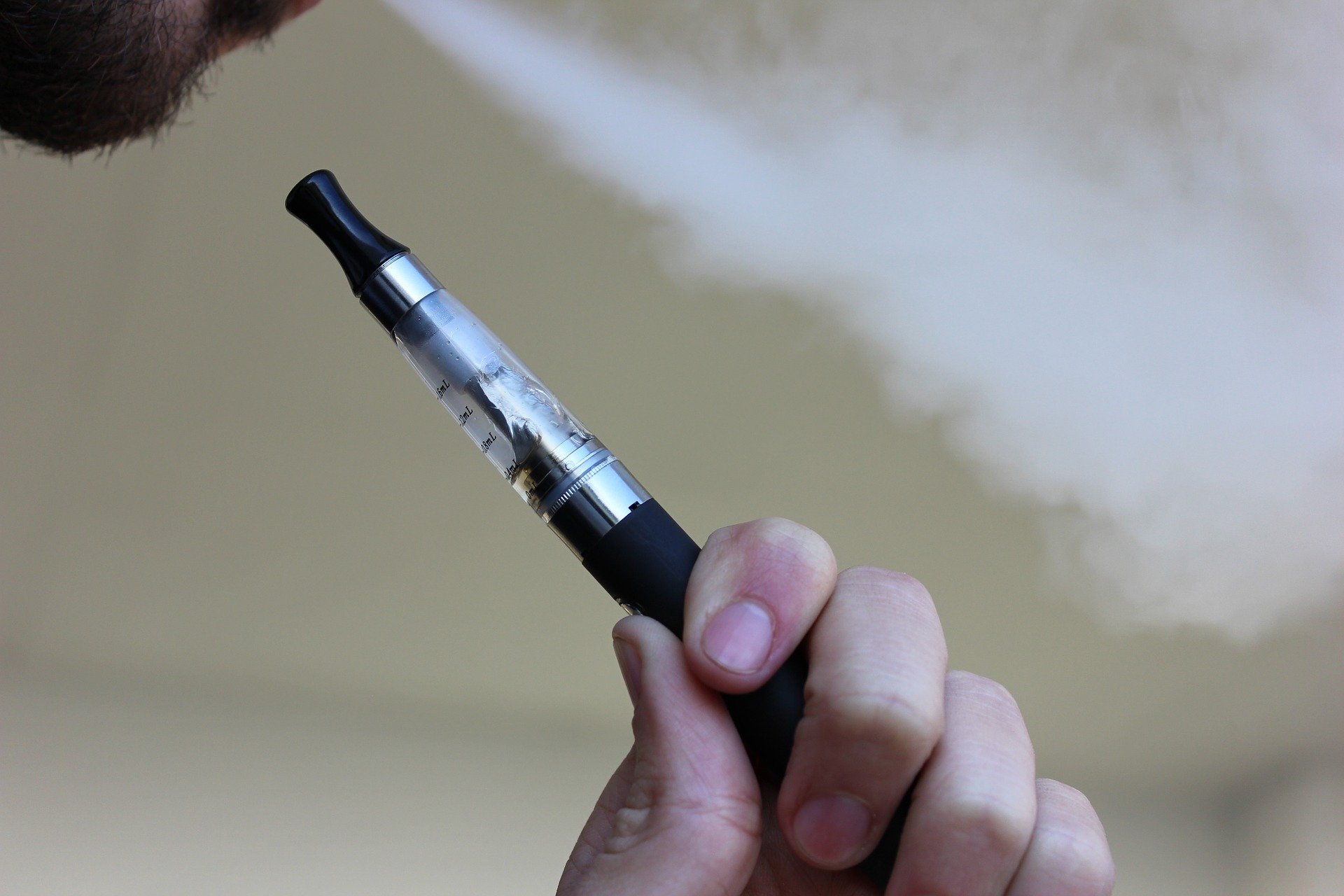
Teenagers who smoke and drink are far more likely to struggle with anxiety, loneliness and risky behaviour, according to a major new study that sheds light on how lifestyle habits shape adolescent mental health. The findings, published in the Journal of Affective Disorders, suggest that mental health problems in young people rarely develop in isolation but are closely tied to patterns of everyday behaviour.
Researchers analysed data from more than 2,500 school pupils aged 16–17 across Malaysia, offering one of the most detailed pictures yet of how unhealthy habits cluster together in adolescence. Rather than acting alone, behaviours such as smoking, drinking, poor diet and physical inactivity tend to form distinct lifestyle patterns.
Two clear groups emerged. One centred on smoking and alcohol use. The other focused on physical inactivity, high levels of sitting time and low fruit and vegetable intake. Each cluster showed different links to mental health and social outcomes.
Teenagers in the smoking and drinking group were significantly more likely to report anxiety, loneliness and suicide attempts. They were also more prone to violence, including physical fighting and carrying weapons, and were much more likely to engage in early sexual activity.
This pattern highlights how substance use in teenagers often travels with wider emotional and behavioural difficulties. Rather than being a simple phase, smoking and drinking may signal deeper distress that increases vulnerability across many areas of life.
By contrast, adolescents in the inactivity and unhealthy diet group showed fewer links with severe mental health problems. However, they still reported lower self esteem than their peers, suggesting that poor lifestyle habits can quietly undermine confidence and emotional well being even without obvious crisis signs.
Self esteem emerged as a common thread across both groups. Teenagers in either lifestyle cluster scored lower on measures of self worth, reinforcing the idea that how young people feel about themselves is tightly connected to their everyday habits.
The study also found clear social patterns. Boys were more likely to fall into the smoking and drinking group, while girls were more likely to be in the inactivity and unhealthy diet group. Poor academic performance increased the likelihood of belonging to either cluster, pointing to the close relationship between school experience and health behaviour.
Family environment mattered too. Teenagers with divorced parents or weak parental connection were more likely to be in the inactivity and unhealthy diet group. This suggests that emotional support at home plays a role not only in mental health but also in shaping daily routines around food and activity.
Although the research focused on Malaysia, its implications extend far beyond one country. International evidence shows similar behaviour patterns among teenagers worldwide, including in the UK, where concerns about anxiety in teenagers and declining physical activity remain high.
The researchers argue that public health strategies need to reflect this reality. Tackling smoking or poor diet alone is unlikely to be enough if young people’s problems are interconnected. Programmes that address mental health, self esteem and lifestyle together may be more effective.
The findings also reinforce the importance of early intervention. Habits formed in adolescence often track into adulthood, increasing the long term risk of depression, substance dependence and chronic illness.
For parents, schools and policymakers, the message is clear. Supporting teenage mental health means paying attention not only to emotional symptoms but also to the everyday behaviours that quietly shape young lives.