

Every phone screen is a tradeoff. AMOLED panels deliver the deep blacks and punchy colors that make everything from photos to video look stunning, but they also blast concentrated light directly into your retinas for hours on end. Paper-like displays ease that strain considerably, yet they’ve always come at a cost: muted colors, lower brightness, and a viewing experience that feels like looking through a window that hasn’t been cleaned in a while. TCL thinks it’s cracked how to get both, and the concept phone it’s showing at MWC 2026 in Barcelona makes a surprisingly strong case.
The company unveiled what it’s calling Natural Light, a next-generation version of its NXTPAPER display technology that moves from LCD panels to AMOLED for the first time. It’s not a software filter layered on top of a standard screen. TCL rebuilt the display architecture from the hardware level up, creating what the industry is now calling TCL NXTPAPER AMOLED, a fusion of its eye-comfort engineering with the contrast and vibrancy that AMOLED is known for. The result, according to early hands-on impressions from the show floor, looks significantly better than anything NXTPAPER has produced before.
What TCL actually changed under the glass
Three core upgrades make this work. TCL achieved a 90 percent circular polarization rate, which is the technical way of saying it dramatically reduced glare. The company also pushed blue light reduction down by 15 percent compared to existing NXTPAPER screens, reaching as low as 2.9 percent of total output. That’s a meaningful number for anyone who reads on their phone before bed or stares at a screen for most of the workday.
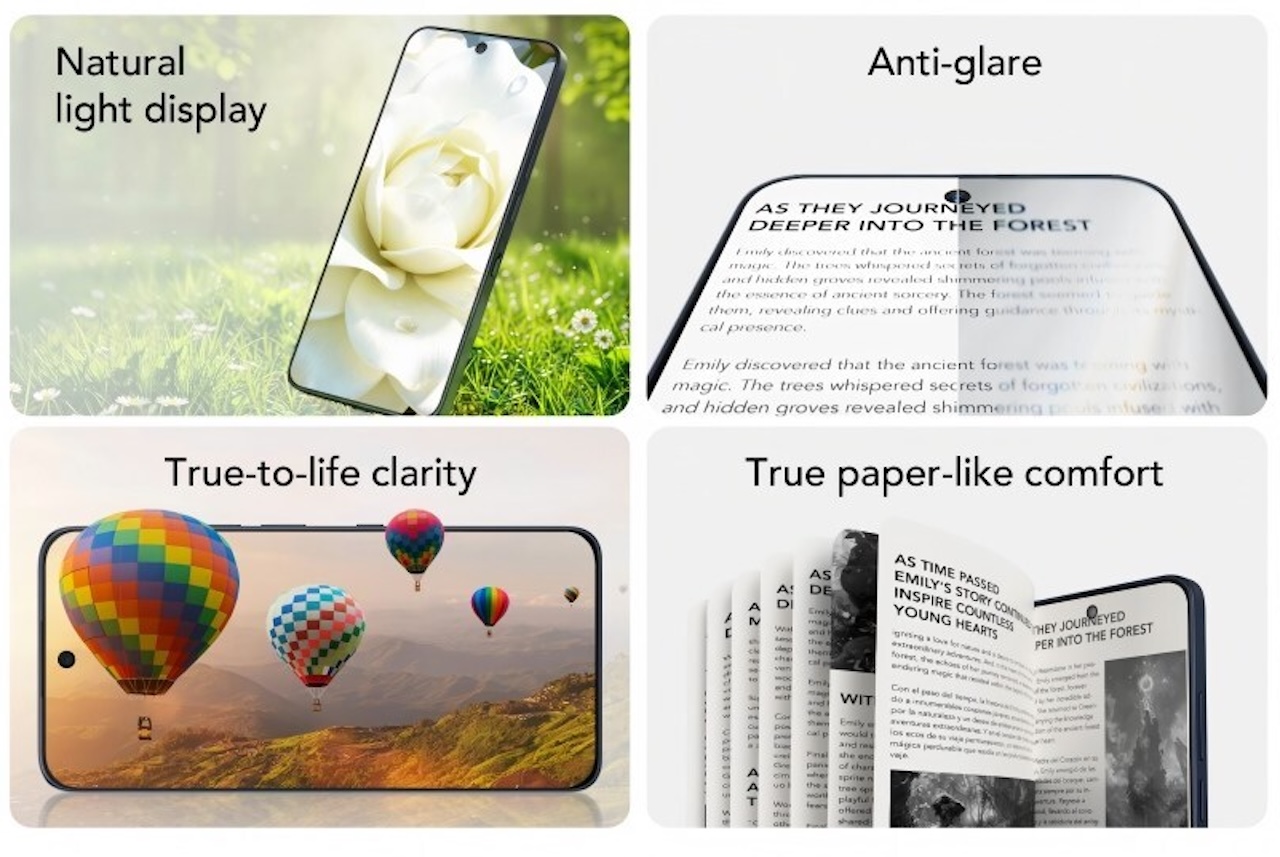
The third piece is adaptive brightness and color temperature that follows ambient lighting conditions throughout the day. The display shifts its tone based on natural light patterns, tracking the kind of gradual warm-to-cool cycle that matches circadian rhythms. TCL paired that system with an anti-flare coating designed to smooth out how the screen looks in ereader mode. It’s the kind of detail that sounds minor on a spec sheet but changes the experience when you’re reading in bed at midnight or scrolling through emails on a sunlit patio.
On the raw performance side, the numbers tell their own story. The TCL NXTPAPER AMOLED concept hits 3,200 nits of peak brightness. For context, the NXTPAPER 70 Pro that TCL showed at CES just two months ago topped out at 900 nits. That’s more than a three-fold jump. Full P3 color gamut coverage and a 120Hz refresh rate with variable refresh rate support round out the spec sheet, putting this firmly in flagship display territory.
Why NXTPAPER needed AMOLED to grow up
TCL has been building its NXTPAPER brand for several product generations, and the technology earned genuine fans along the way. The paper-like reading mode, the reduced eye fatigue during long sessions, and the ability to switch between full color and ereader modes gave NXTPAPER devices a personality that most budget-friendly phones and tablets completely lacked.
But the LCD foundation created a ceiling. Brightness was mediocre. Outdoor readability suffered. Colors looked washed out compared to the AMOLED screens on competing devices, even ones at similar price points. Reviewers consistently praised the comfort features while noting that the overall display quality trailed behind what most buyers expected in 2025. Moving to AMOLED removes that ceiling entirely and lets TCL keep the comfort layer while delivering a screen that doesn’t ask you to compromise on how things look.
TCL is also describing this as the world’s first anti-glare AMOLED panel. The company says it uses nanomatrix lithography to cut reflections without sacrificing brightness, a combination that glossy AMOLED screens have struggled with since they became the smartphone standard. If the claim holds up in real-world testing, it could address one of the most persistent complaints about high-end phone displays: that gorgeous screen becomes nearly unreadable the moment you step into direct sunlight.
What’s coming and when
The TCL NXTPAPER AMOLED display is still a concept. TCL showed it to select press at MWC as a working demo unit, though some features weren’t fully functional during hands-on sessions. No specific device has been announced yet. The company has committed to launching a smartphone with the technology before the end of 2026, though pricing and model details remain under wraps. TCL also confirmed it has no plans to license NXTPAPER to other manufacturers, which means this will stay exclusive to TCL hardware for the foreseeable future.
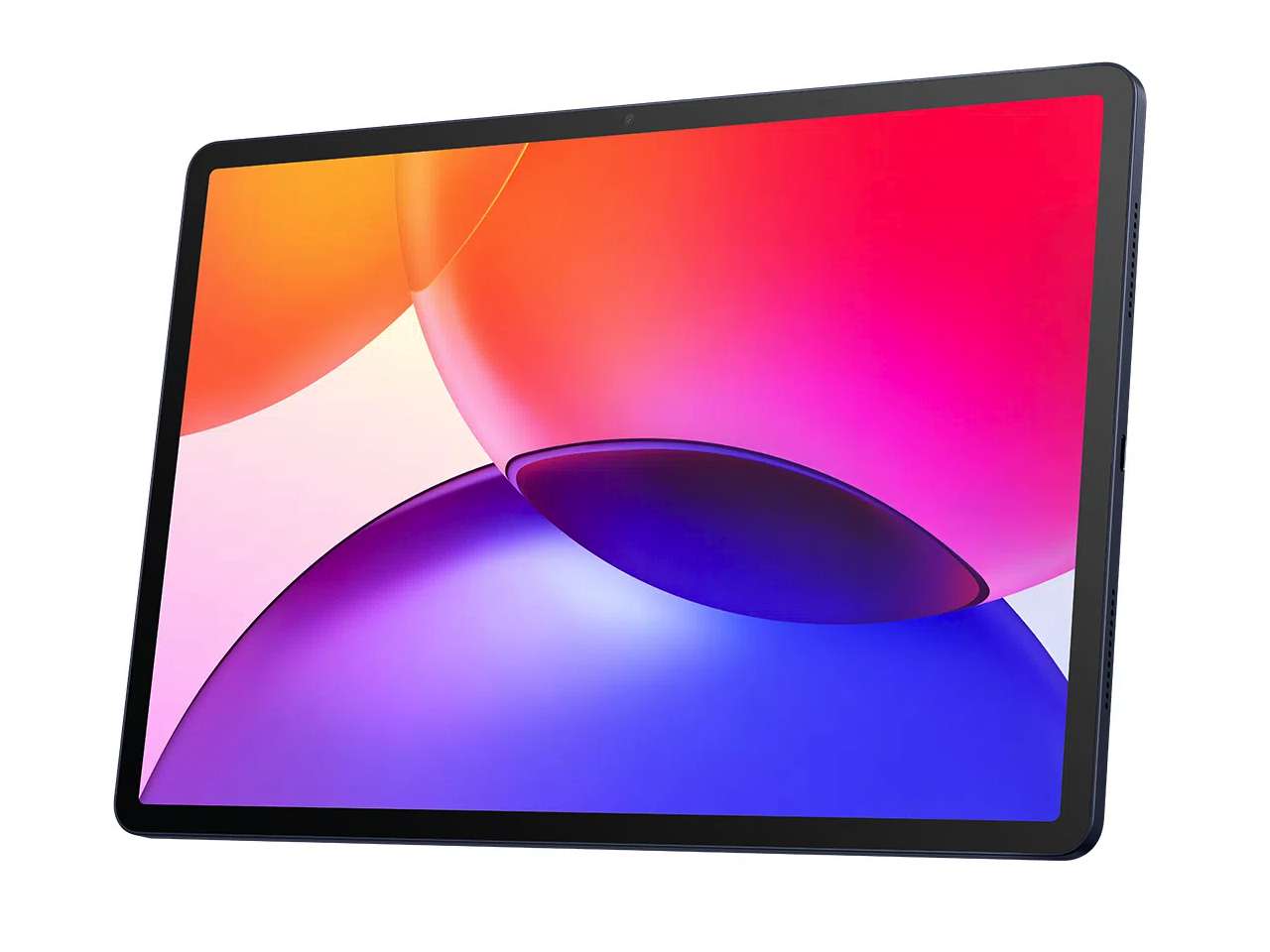
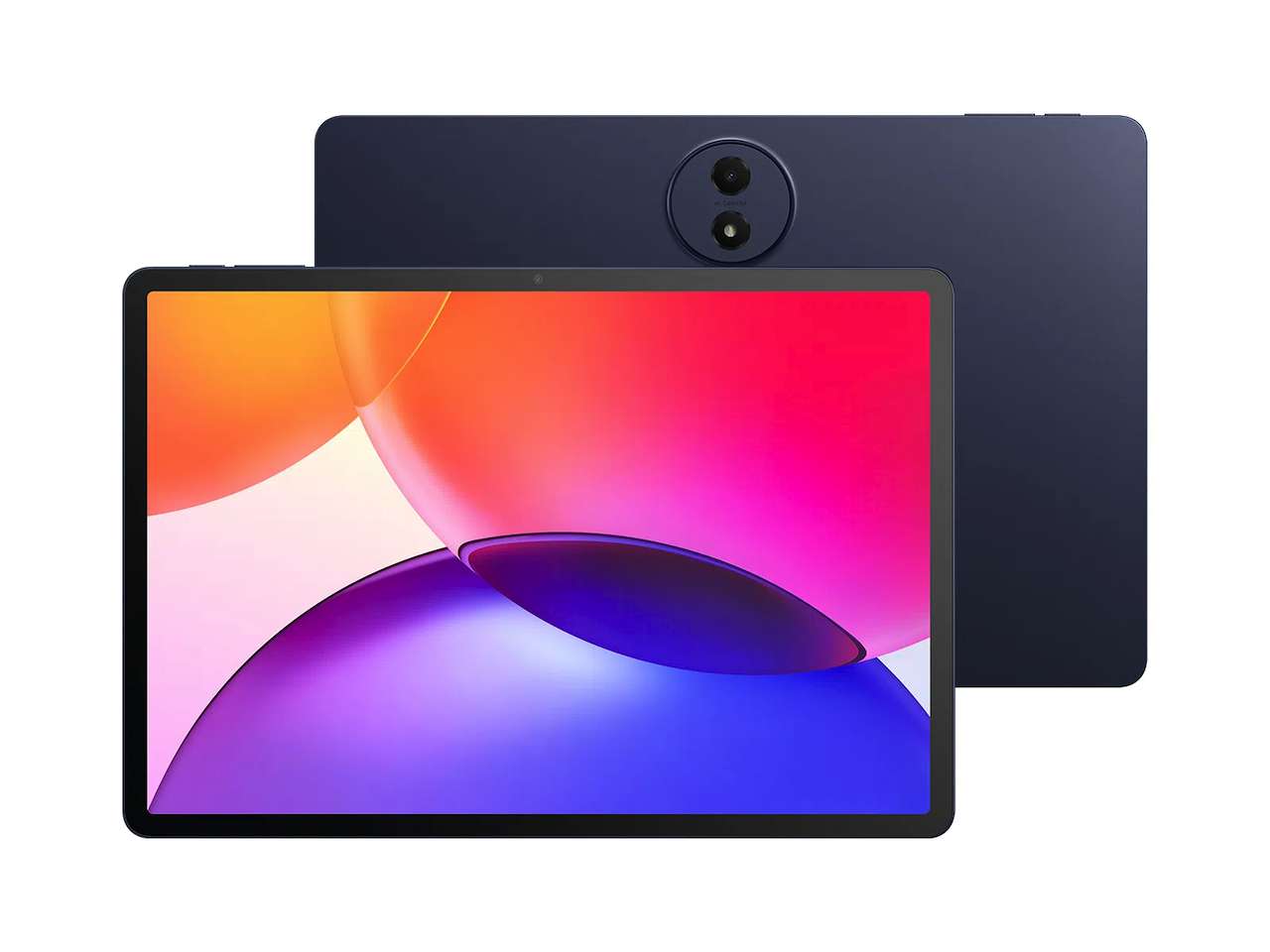
Separately, TCL used MWC to announce the Tab A1 Plus and the Tab A1 Plus NXTPAPER, a pair of affordable 12.2-inch tablets running a Qualcomm Snapdragon 4 Gen 2 processor with 6GB of RAM (expandable to 10GB via virtual memory) and 128GB of storage. The standard model uses a conventional LCD, while the NXTPAPER variant adds TCL’s existing eye-comfort treatment. The Tab A1 Plus will hit the US market in April or May in Space Blue, while the NXTPAPER version is headed to Europe later this year.
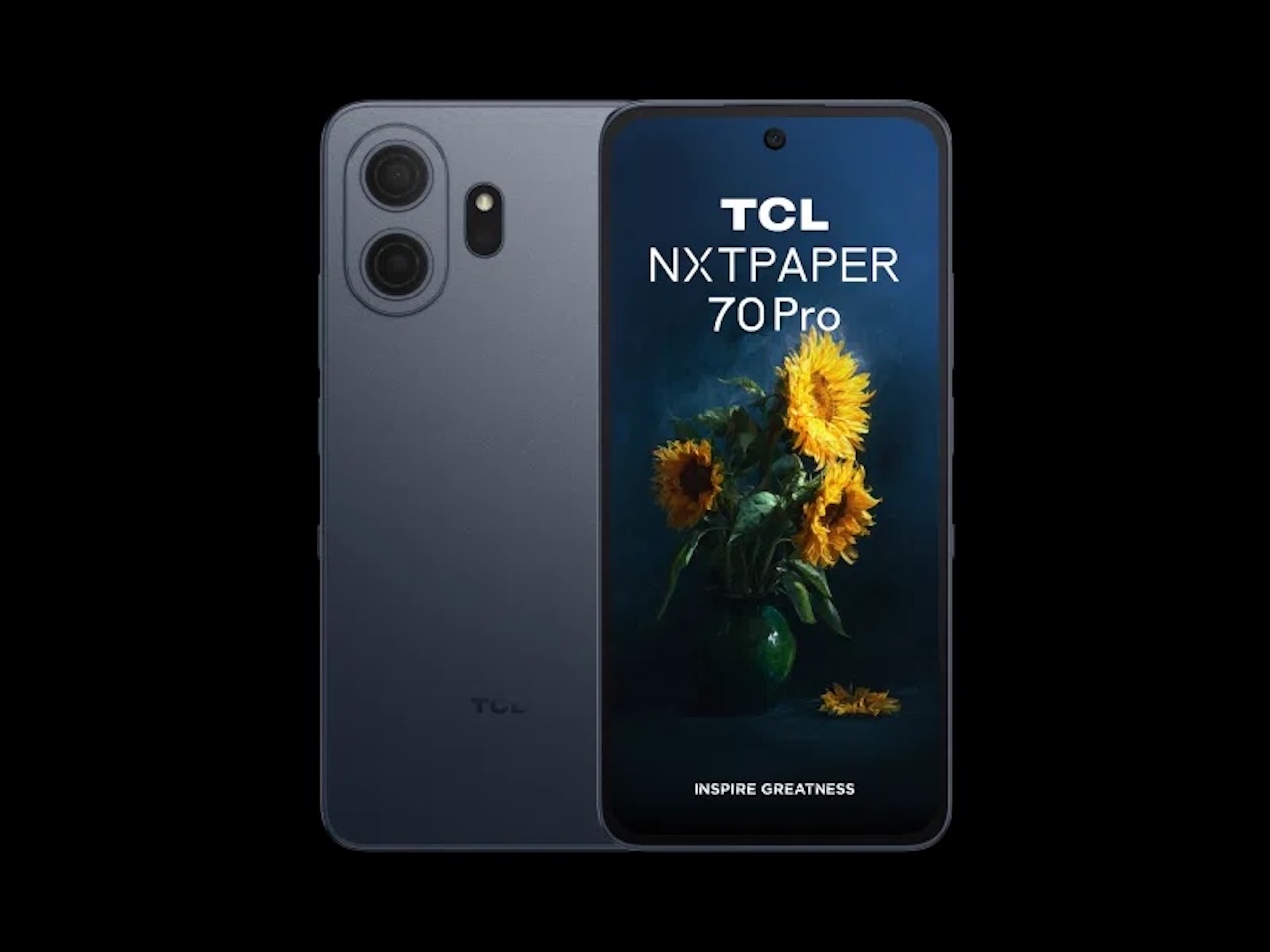
The NXTPAPER 70 Pro, which debuted at CES 2026 as TCL’s latest phone with the current LCD-based NXTPAPER tech, is also set to go on sale in the US starting in April. TCL hasn’t shared pricing yet.
The bigger picture for phone displays
TCL isn’t the only company thinking about screen comfort. Xiaomi’s matte-glass tablet variant earned strong reviews for its reduced glare, and the broader e-ink tablet market continues to grow as readers look for something easier on the eyes than a standard LCD or AMOLED panel. But most of those solutions still force a choice: comfort or performance, pick one.
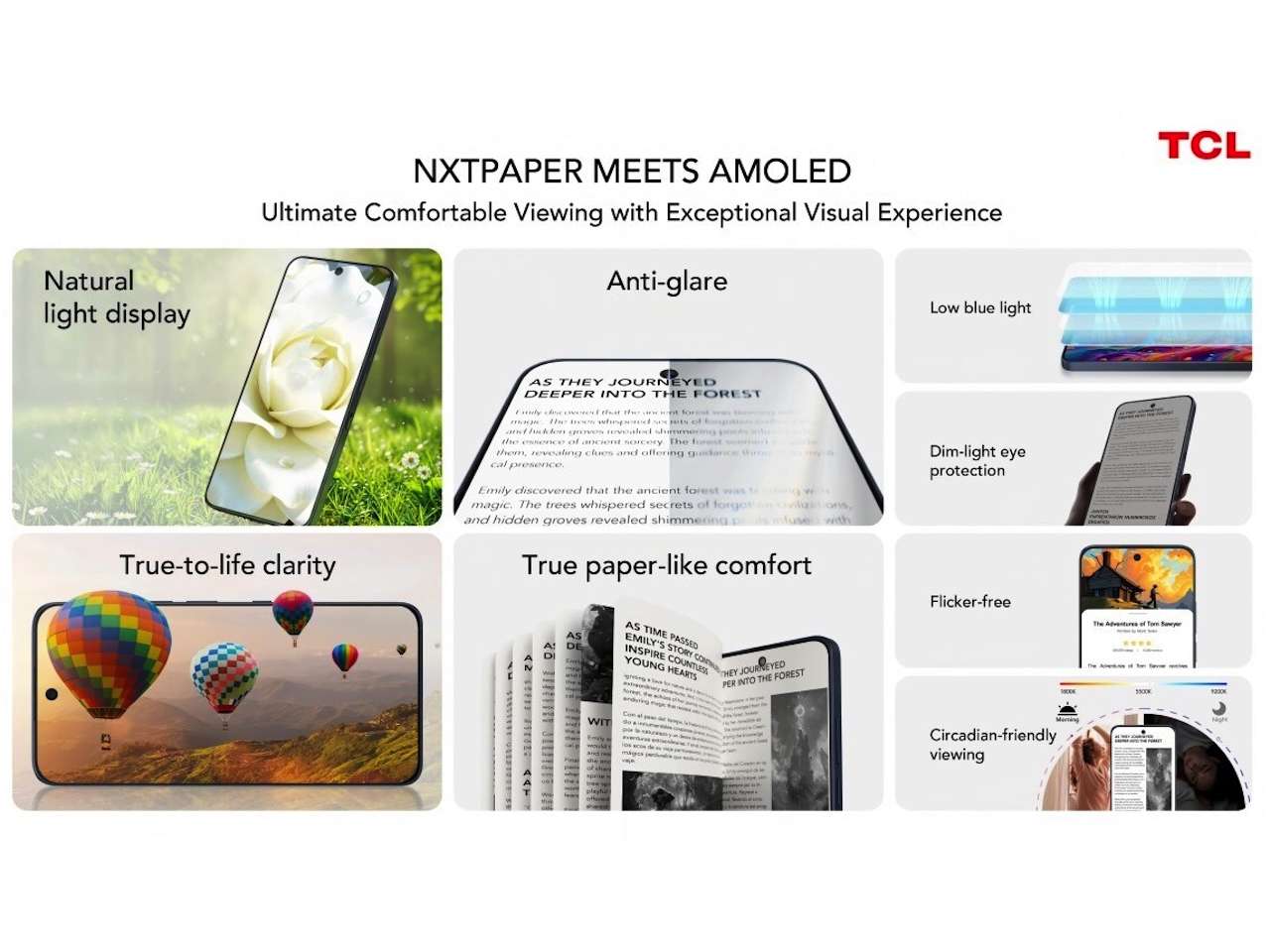
What makes TCL’s approach interesting is the refusal to accept that tradeoff. The NXTPAPER AMOLED concept suggests it’s possible to build a display that hits flagship brightness and color standards while genuinely reducing the visual fatigue that comes from staring at a phone for six or eight hours a day. Whether the final shipping product delivers on everything the concept promises will depend on how well TCL translates demo conditions into real-world hardware. But the technology itself represents a shift in how display manufacturers are thinking about what a screen should do beyond just looking good.
The phone that carries this tech doesn’t have a name yet. It doesn’t have a price. What it does have is a screen that looked, by all accounts from MWC, like nothing else on the show floor. And for a company that’s spent years building paper-like displays that people loved to read on but rarely bragged about, that’s a significant turning point.
Love our content?
Sign up for our newsletter today.
No ads, no spam, just links to our latest articles!