

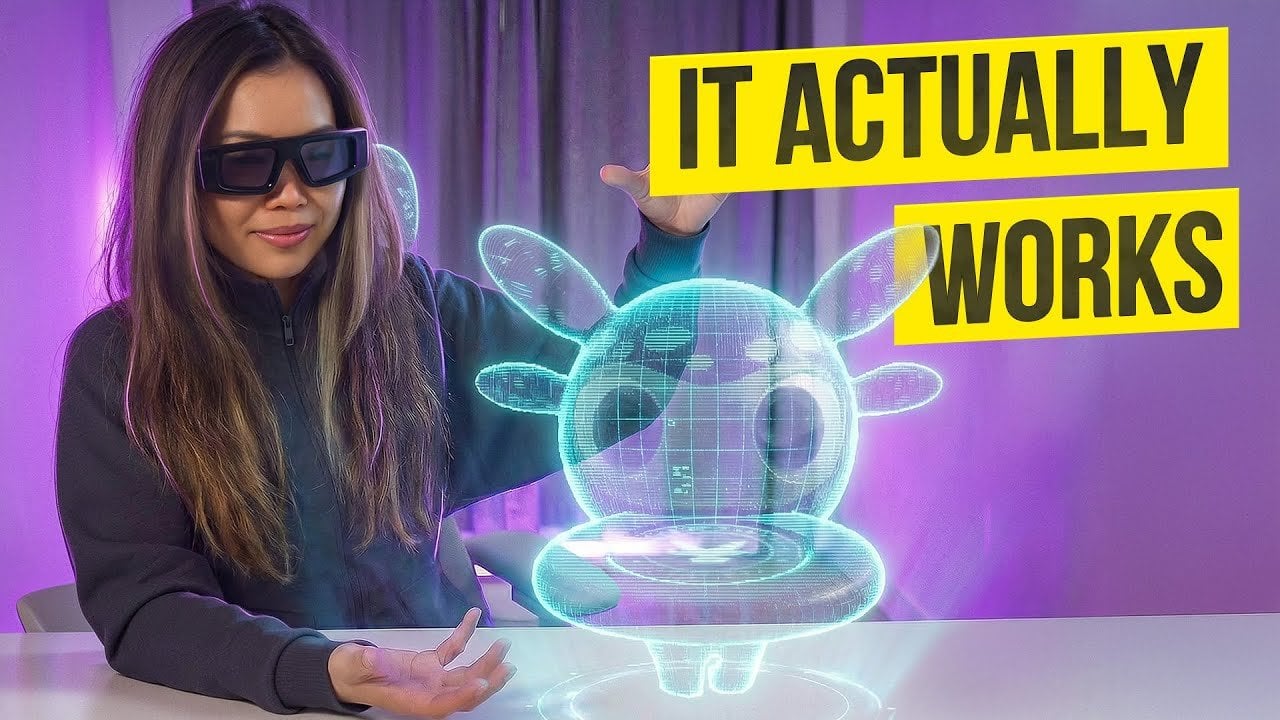
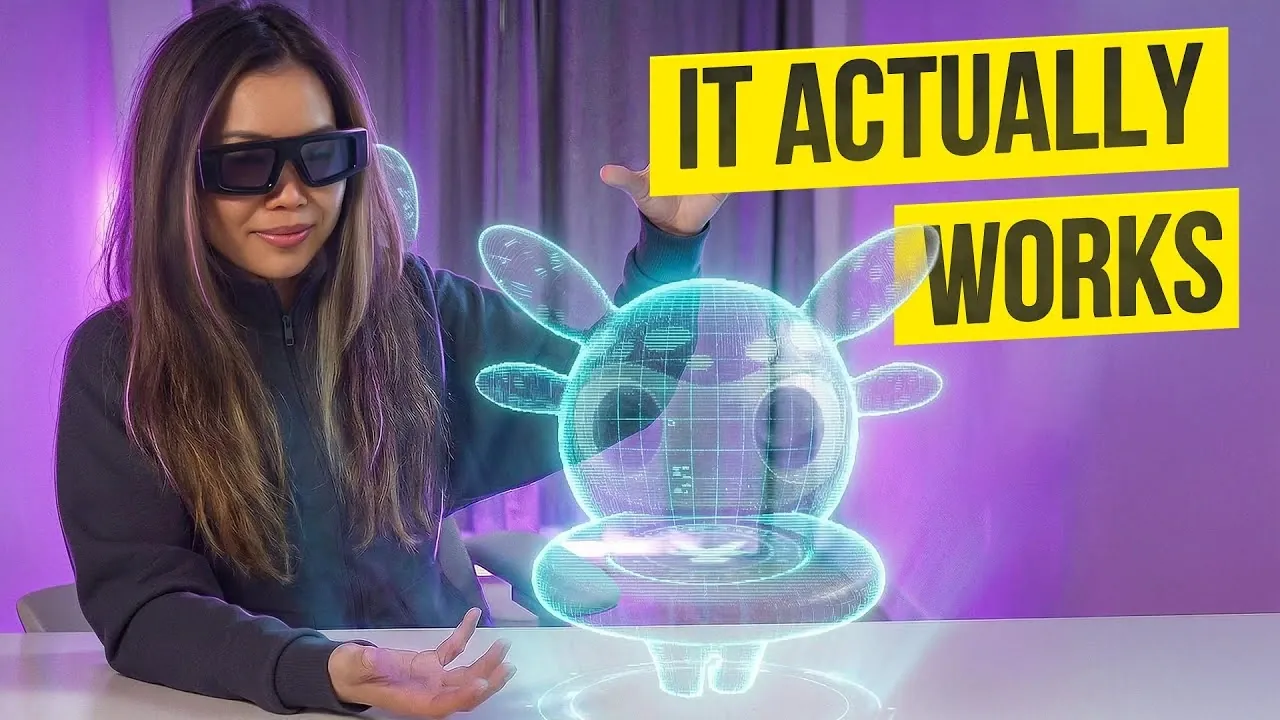
Snap’s latest AR glasses, available as the Spectacles developer kit, mark a notable advancement in wearable augmented reality. Unlike systems that depend on external devices, these glasses project holograms directly into the user’s surroundings. According to Cas and Chary XR, the hardware still has significant constraints, such as a 46° diagonal field of view and a battery life limited to 45 minutes. These factors underscore the ongoing challenge of balancing technical performance with usability in compact designs.
You’ll learn how Snap’s AR glasses use features like instant spatial mapping to streamline interactions without requiring prior environment scanning. The guide also examines the role of Snap OS 2.0 and the Lens system in supporting app functionality and performance. Additionally, you’ll see how specific use cases, such as live translation and interactive gaming, demonstrate the potential of this technology in everyday scenarios.
What Sets Snap’s AR Glasses Apart?
TL;DR Key Takeaways :
- Snap’s advanced AR glasses aim to integrate holograms seamlessly into physical surroundings, showcasing significant progress in consumer AR technology despite current hardware limitations like bulky design, short battery life and narrow field of view.
- The glasses feature instant spatial mapping, allowing immediate interaction with AR applications such as interactive games and practical tools like live translation, enhancing both entertainment and productivity.
- Snap OS 2.0 and the mature “Lens” system provide a robust software foundation, making sure smooth AR experiences and supporting future hardware advancements.
- Unlike VR headsets, Snap’s AR glasses maintain user connection to the real world, offering practical features like tinted lenses for outdoor use and instant media transfer for seamless content sharing.
- Challenges such as restricted compute power, small tracking range and design constraints remain, but Snap’s focus on ecosystem readiness positions it as a leader in shaping the future of AR technology.
Snap’s Spectacles developer kit represents a bold step forward in AR hardware. Unlike traditional AR systems that depend on smartphones or external displays, these glasses anchor holograms directly into your environment. This approach creates a more natural and engaging experience, but the hardware still faces notable challenges:
- Bulky design, which limits comfort and portability
- Short battery life of just 45 minutes, restricting extended use
- Narrow field of view (46° diagonally), reducing immersion
Despite these limitations, the glasses showcase AR’s potential to evolve into a practical, everyday technology. By addressing these challenges, Snap could pave the way for AR glasses to become a mainstream tool.
Key Features and Everyday Applications
Snap’s AR glasses are designed to simplify how you interact with augmented reality, offering features that prioritize ease of use and functionality. One standout capability is instant spatial mapping, which eliminates the need to scan or prepare your environment before engaging with AR applications. This allows you to immediately dive into a variety of experiences, such as:
- Interactive games like Lego building or virtual darts, blending entertainment with creativity
- Practical tools such as live translation, allowing seamless communication across languages
The glasses use transparent lenses to ensure holograms are stable and naturally layered onto your surroundings. This design creates a more intuitive experience compared to camera-based AR systems, which often feel disconnected from the real world. These features demonstrate how AR can integrate into your daily life, enhancing both productivity and leisure.
Snap AR Glasses Reviewed

Take a look at other insightful guides from our broad collection that might capture your interest in smart glasses.
The Technology Driving Snap’s AR Vision
At the heart of Snap’s AR glasses is Snap OS 2.0, a dedicated operating system designed to support advanced features like spatial mapping, hand tracking and multiplayer alignment. This software ensures that AR applications run smoothly and consistently, providing a reliable user experience. Additionally, Snap’s “Lens” system uses over a decade of AR software development through Snapchat, offering a mature platform for app integration.
This robust software foundation positions Snap to effectively support future hardware advancements. By prioritizing software readiness, Snap ensures that its AR ecosystem is prepared to meet the demands of both developers and consumers.
How AR Glasses Differ from VR
Snap’s AR glasses are fundamentally different from virtual reality (VR) headsets in their design and purpose. While VR headsets often isolate users from their surroundings, AR glasses are built to maintain your connection to the real world. You can make eye contact, remain aware of your environment and interact naturally with others, making them more suitable for everyday use.
Practical features further enhance their usability, including:
- Tinted lenses for outdoor wear, making sure comfort in various lighting conditions
- Instant media transfer capabilities, allowing you to share content seamlessly
These glasses are not solely about immersive experiences, they are designed to make AR a functional and integrated part of your daily routine, bridging the gap between digital and physical realities.
Challenges and Opportunities
While Snap’s AR glasses represent a significant step forward, several challenges must be addressed before they can achieve widespread adoption. Current limitations include:
- Restricted compute power, which limits the complexity of applications
- Small tracking range for hand gestures, reducing interactivity
- Vertically oriented display, narrowing the field of view and limiting immersion
- Design constraints, making the glasses uncomfortable for extended wear
These hurdles highlight the need for continued innovation in hardware design and performance. However, Snap’s focus on software development and ecosystem readiness provides a strong foundation for overcoming these obstacles.
The Road Ahead for AR Technology
Snap’s commitment to advancing AR technology positions it as a leader in the industry. By prioritizing software development and creating a user-friendly ecosystem, the company is laying the groundwork for future hardware innovations. The convergence of AR, VR and display glasses into a unified immersive technology appears inevitable, offering you a seamless blend of digital and physical realities.
For AR glasses to achieve mainstream success, they must strike a balance between hardware improvements and a mature, accessible ecosystem. Snap’s vision for the future suggests that AR could soon become an integral part of how you interact with the world, enhancing both personal and professional experiences. As the technology evolves, the possibilities for AR applications will continue to expand, reshaping the way you engage with your surroundings.
Media Credit: Cas and Chary XR
Filed Under: Gadgets News, Top News
Disclosure: Some of our articles include affiliate links. If you buy something through one of these links, Geeky Gadgets may earn an affiliate commission. Learn about our Disclosure Policy.