

Saudi Arabia and Qatar have signed an agreement to implement a 785km high-speed electric passenger railway connecting Riyadh and Doha.
The major development strengthens regional connectivity and reflects the deep-rooted fraternal relations between the two countries.
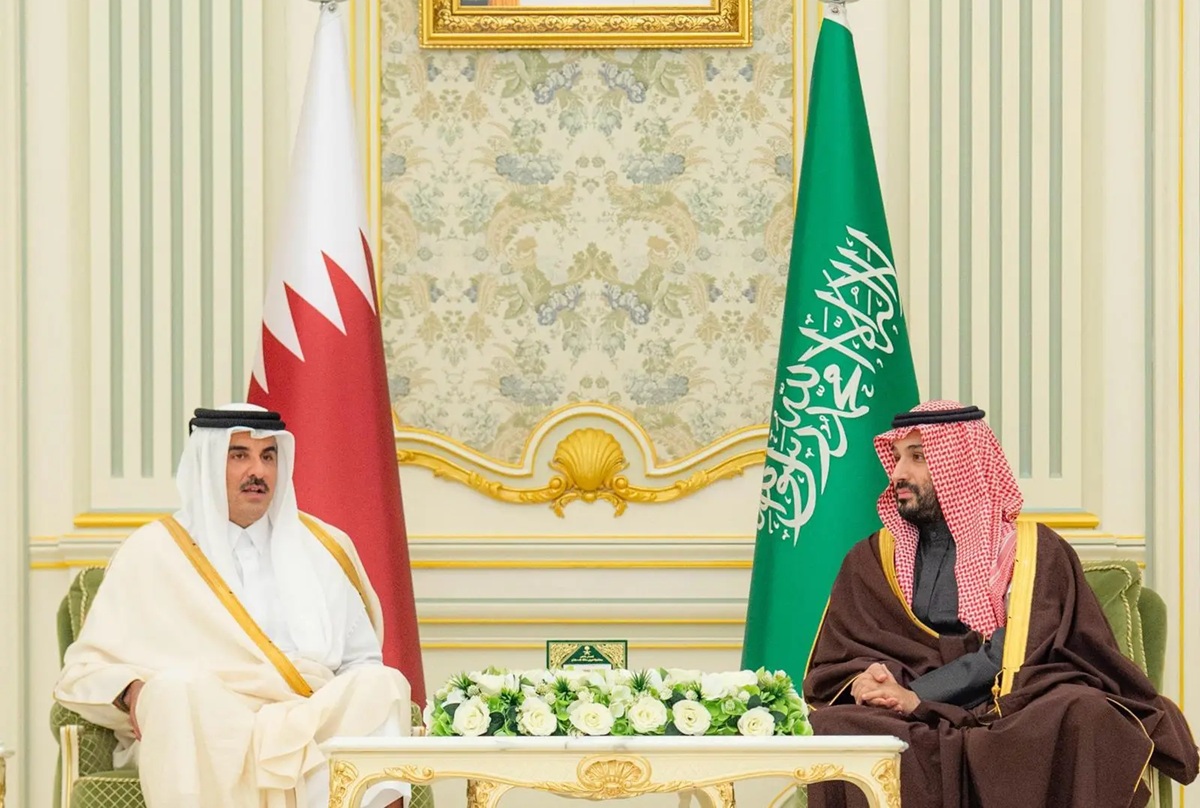
The signing was witnessed by Prince Mohammed bin Salman bin Abdulaziz Al Saud, Crown Prince and Prime Minister, and Amir of the State of Qatar Sheikh Tamim bin Hamad Al Thani.
Saudi to Qatar rail network
The agreement was signed by Minister of Transport and Logistic Services Saleh Al-Jasser and Minister of Transport of Qatar Sheikh Mohammed bin Abdulla bin Mohammed Al Thani within the framework of the Saudi-Qatari Coordination Council.
It represents a strategic move aimed at enhancing cooperation, developmental integration and sustainable development, while underscoring a shared commitment to regional prosperity.
Designed for speeds exceeding 300kmph, the route will reduce travel time between Riyadh and Doha to approximately two hours, significantly improving mobility, supporting trade and tourism, and enhancing quality of life.
According to the agreement, the project will be completed within six years and will deploy advanced railway technologies and smart engineering systems to ensure safe, seamless operations that meet the highest international standards of quality and safety.
GCC transport link
The high-speed line is expected to have an economic impact of nearly SR115bn ($30.67bn) on the GDP of both countries.
It will serve more than 10m passengers annually and create more than 30,000 direct and indirect jobs.
The environmentally sustainable nature of the project is another strategic advantage. The high-speed railway will reduce carbon emissions and support the shift toward more efficient and innovative transportation systems, contributing to smart and sustainable mobility across the region.
It also reinforces efforts to strengthen connectivity and economic integration among the Gulf Cooperation Council countries.