

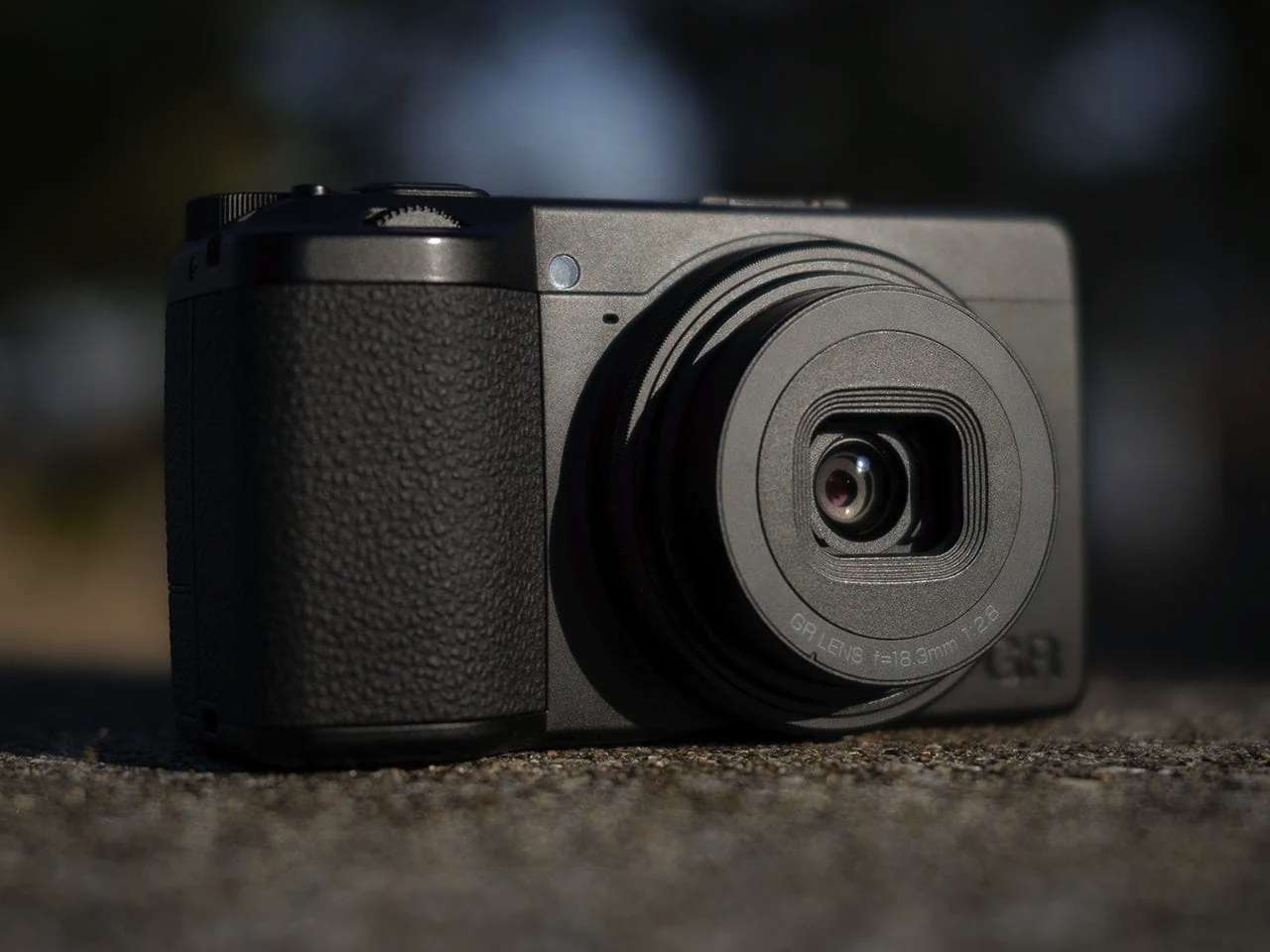
Most companies add features to charge more money. The Ricoh GR IV Monochrome does the opposite. It removes the ability to shoot color photos completely, then charges $700 more than the regular version. It’s a pocket-sized camera that takes out the color filter and bets that photographers who want to shoot black and white will pay 46% more for a cleaner sensor. That’s unusual. Usually when you remove features, the price goes down, not up.
Price: $2,199.95
Where to Buy: Ricoh
The technical reason is simple. When you remove the filter that normally sits over the sensor, each pixel can record light directly. It doesn’t have to split light into red, green, or blue channels. That means sharper photos, better performance in low light, and no color mixing problems. Whether that’s worth an extra $700 depends on how much you shoot black and white and whether you’d feel stuck with a camera that can’t shoot color at all.
Pre-orders opened this week. Units will ship by mid-February through Ricoh’s site and camera stores. At $2,199.95, it’s priced at the premium end of the compact camera market.
Add The Gadgeteer on Google Add The Gadgeteer as a preferred source to see more of our coverage on Google.
ADD US ON GOOGLE
What the Monochrome Sensor Actually Changes
The 25.74-megapixel sensor has no color filter and no blur-reducing filter. In a normal camera, each pixel only sees one color because tiny filters sit over the sensor. The camera’s processor then guesses the missing colors from nearby pixels. That guessing step creates problems like softer edges and false colors. Taking away the filter removes those problems. Every pixel captures the full strength of light without any guessing.
You’ll notice the difference in fine details and textures. When you photograph fabric, hair, or buildings with detailed patterns, this sensor can show details that a color sensor would blur or get wrong. But you might see wavy patterns if you shoot fine grids. Ricoh decided most GR users want sharpness more than protection from those patterns.
The sensor gathers light better without the filter blocking parts of the light spectrum. Each pixel can gather significantly more light compared to a filtered sensor, often up to three times as much. That means less noise at high ISO settings. Ricoh pushed the sensitivity range to ISO 409,600, which extends beyond the regular GR IV’s maximum ISO. It’s a real advantage when shooting in dark places without flash.
One unique feature is a built-in red filter. Press a button and the camera switches on an internal filter that blocks everything except red light. That makes blue skies much darker and increases contrast with clouds or leaves, copying what film photographers did with screw-on filters.
Image Controls and Hardware
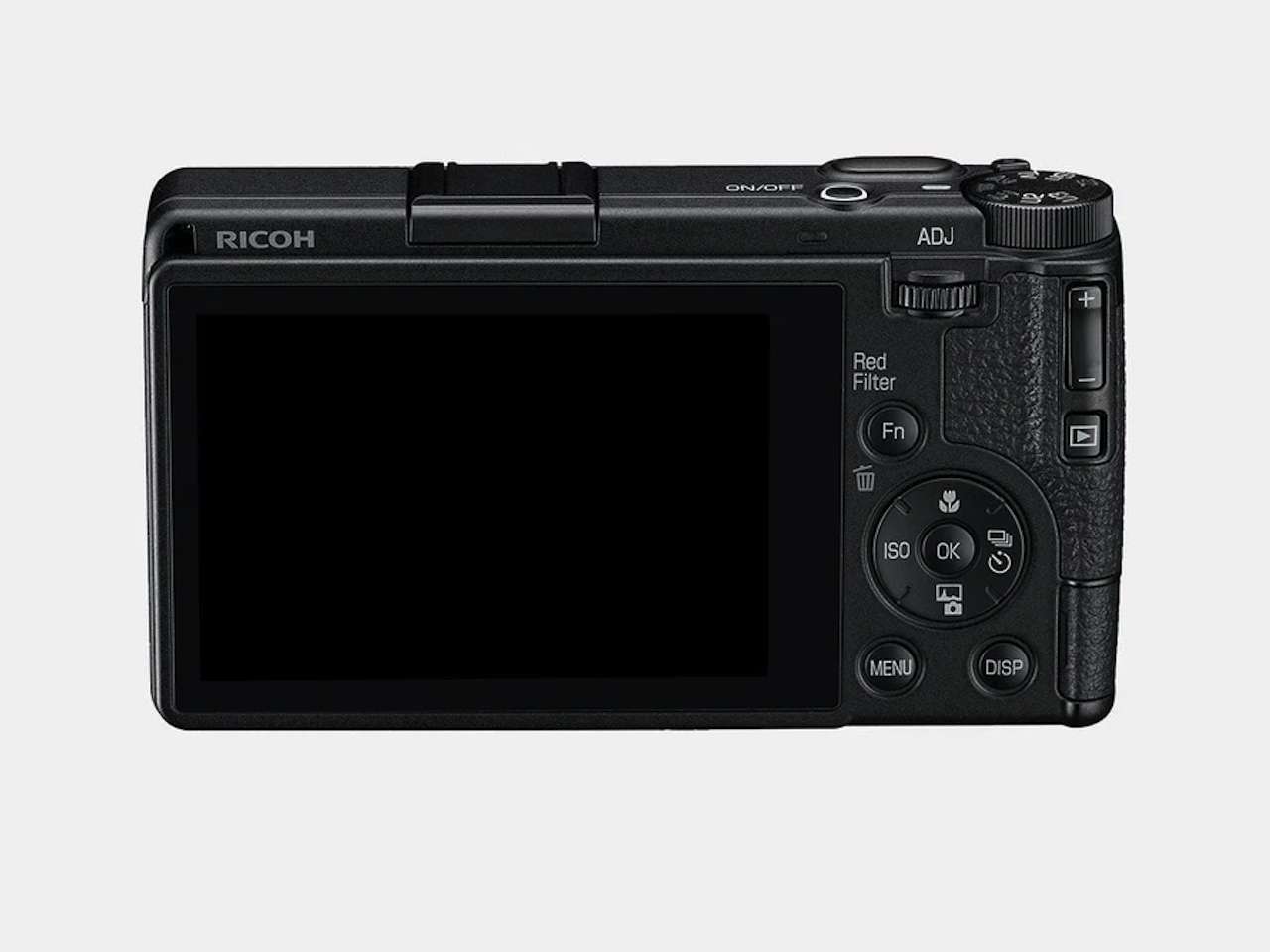
Ricoh built two special modes for this camera. “Solid” uses strong contrast that emphasizes sharp edges and clean separation between tones. “Grainy” adds visible grain texture similar to old silver prints. Both let you adjust contrast, sharpness, clarity, toning, and grain strength. You can even reprocess RAW files directly on the camera. The camera stores files to 53GB of built-in memory or a microSD card slot.
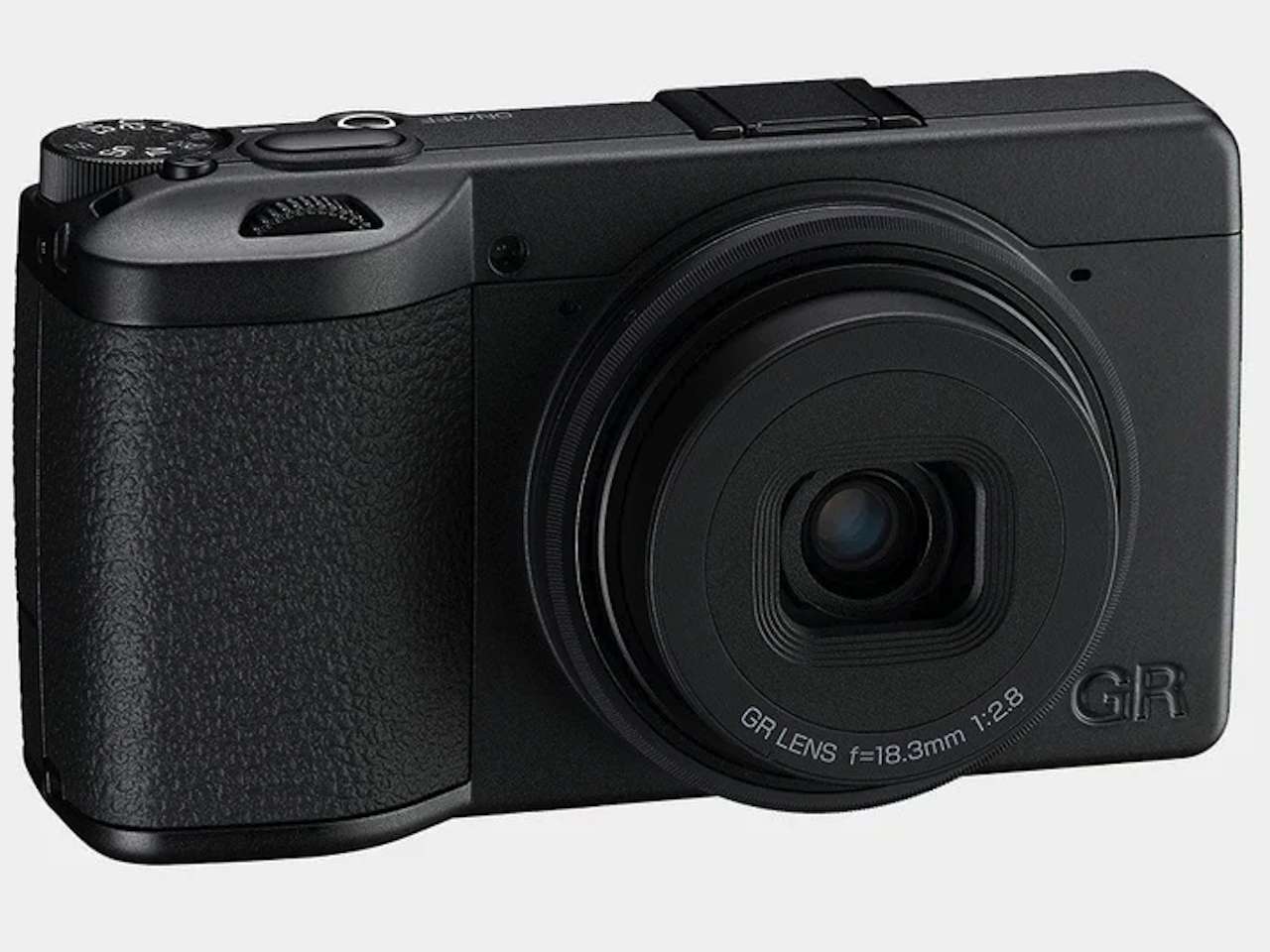
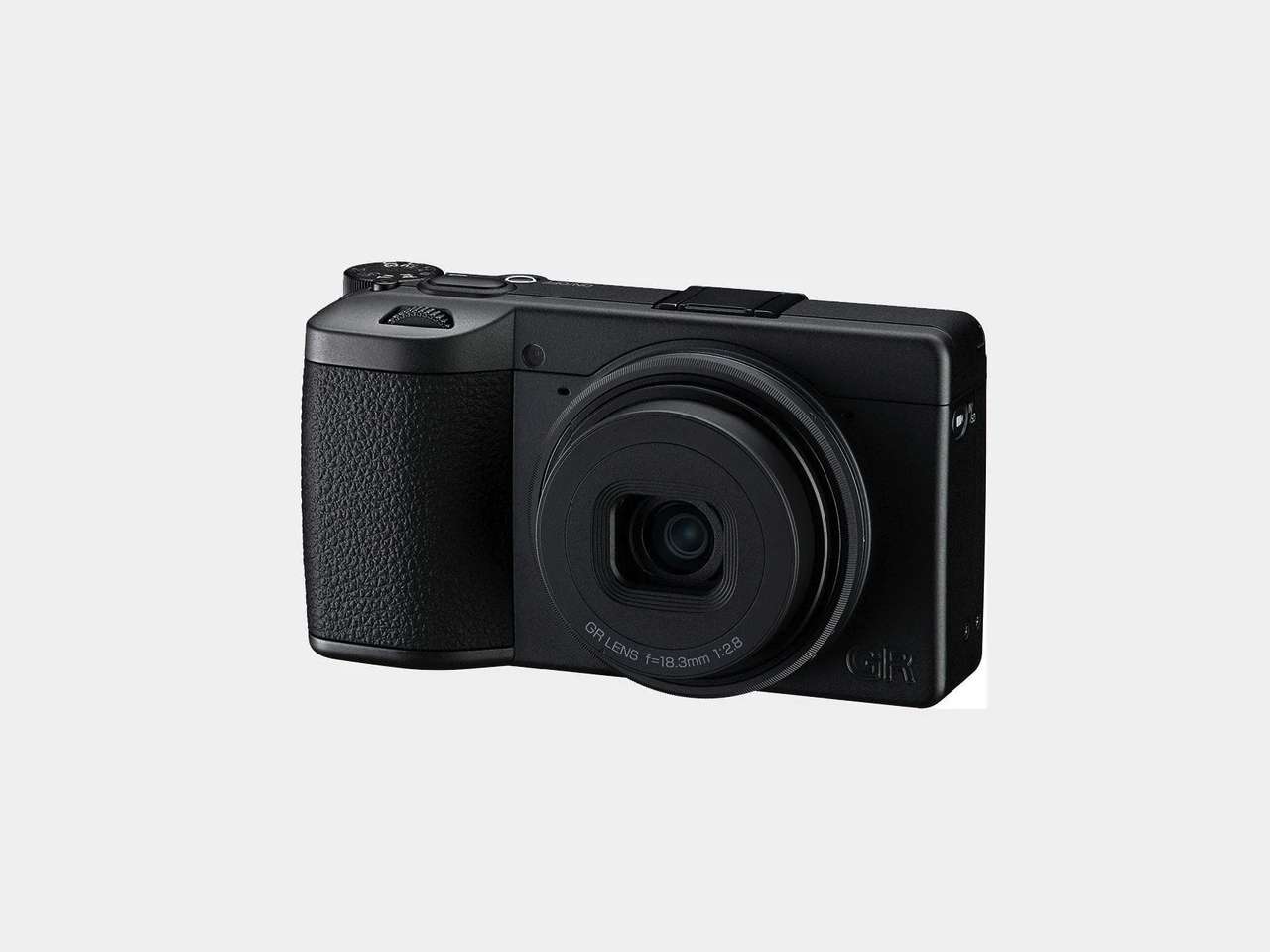
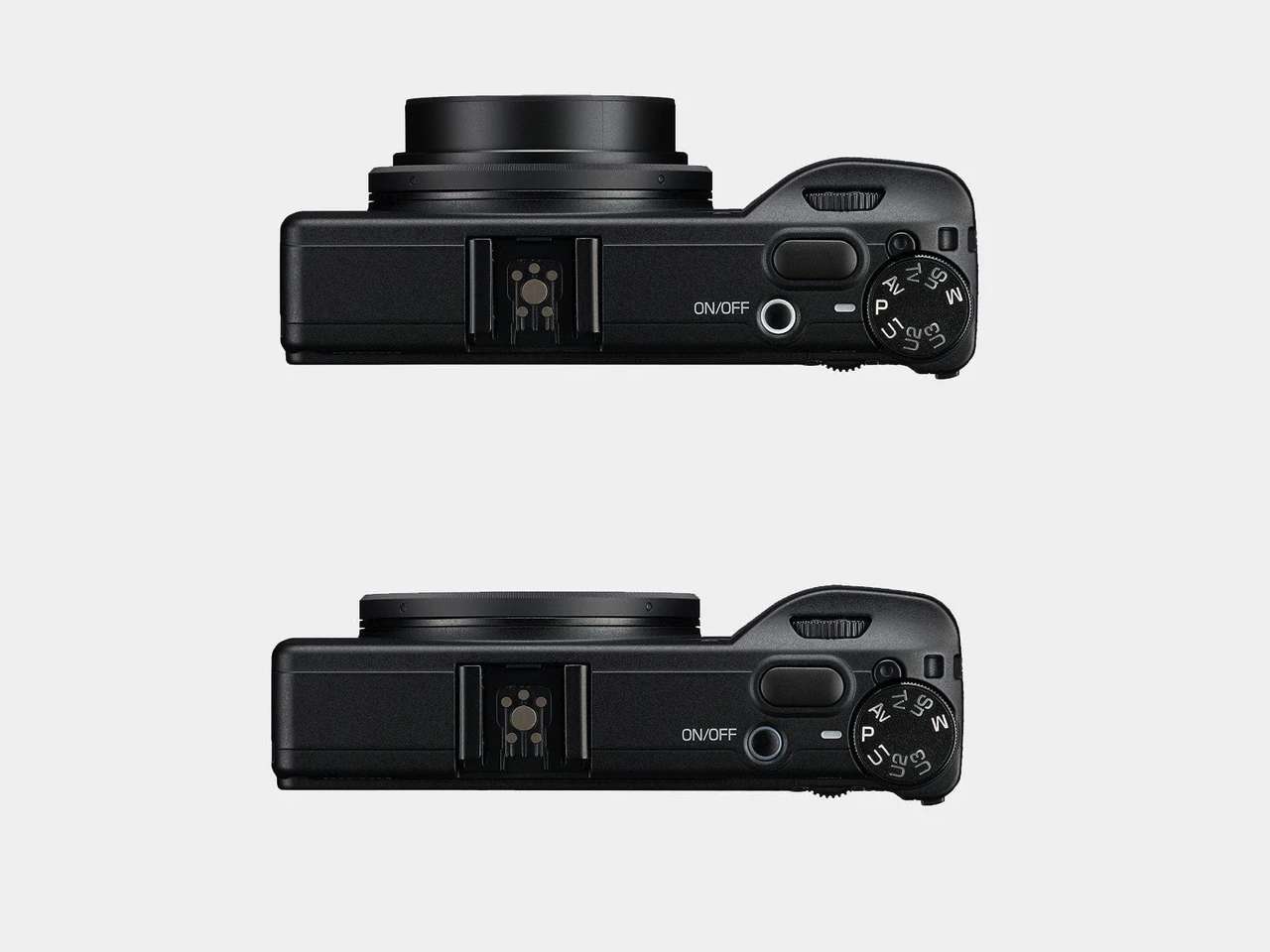
The body size matches the standard GR IV at 109.4 x 61.1 x 32.7mm and weighs 262g. What changed is the all-matte-black finish. The lens is the same 28mm f/2.8 fixed lens. It’s sharp but you can’t zoom—you have to move your feet instead. This model adds an electronic shutter reaching 1/16,000 second, useful when shooting wide open in bright daylight. The mechanical shutter tops out at 1/4,000 second. One thing missing is an electronic viewfinder. The GR series has never had one, and the Monochrome doesn’t change that.
Why This Exists
Black and white cameras occupy a strange position in the market. Most photographers convert color files in post-processing software. That’s flexible and reversible. But dedicated monochrome sensors offer advantages software can’t replicate: sharper detail rendering, better low-light performance, and no color artifacts. Film photographers understood this. Digital photographers are still deciding if it matters.
Ricoh’s betting that enough photographers care about sensor purity to accept a camera that can’t shoot color at all. The GR series has always attracted photographers who value image quality in a compact body. The Monochrome extends that philosophy to its logical extreme. It removes flexibility to maximize optical performance within one specific discipline.
The camera arrives just four to five months after the regular GR IV, suggesting Ricoh planned the Monochrome version from the start. It’s part of a broader revival in compact cameras despite overall market decline. The GR series turns 30 this year, and Ricoh’s expanding the lineup with both the Monochrome and the recently announced HDF model. That’s confidence in a shrinking category.
The $700 Question
Black and white cameras have always cost extra, but the amount varies. Leica’s Q3 Monochrom costs $7,790, a substantial premium over the color version. Ricoh’s Pentax K-3 III Monochrome added a smaller $200 premium when it launched in 2023.
The GR IV Monochrome’s $700 increase represents a 46% premium over the regular GR IV’s $1,499.95 price. The premium raises questions about actual costs versus pricing strategy. A monochrome sensor is simpler to make, but production volumes are low. It’s hard to know if the $700 reflects real costs or strategic pricing.
The premium creates a choice. If you shoot black and white sometimes or rely on editing software to convert color files, the regular GR IV gives you more flexibility for $700 less. If you shoot black and white almost all the time and want the purest sensor quality, the Monochrome offers technical advantages that editing can’t copy.
Who Should Skip This
Anyone who needs color as a backup should skip the Monochrome completely. There’s no switch or hidden color mode. The camera makes grayscale files only. If you’re not sure you’ll shoot black and white for most of your work, the lack of flexibility will feel limiting fast.
Budget-focused buyers should also think twice. At $2,199.95, the GR IV Monochrome costs more than some full-frame cameras with interchangeable lenses. If you’re building a camera kit from scratch or stretching your budget, the regular GR IV or a more flexible system makes more sense. The Monochrome is a second or third camera for photographers who already know they want it.
Availability and Key Specs
The Ricoh GR IV Monochrome is available for pre-order now at $2,199.95 and ships mid-February 2026 through Ricoh’s website and camera stores. Pre-orders are also live on B&H Photo and other retailers.
Core specs: 25.74-megapixel monochrome sensor, 28mm f/2.8 lens, 5-axis stabilization, phase and contrast detection autofocus, ISO 160-409,600, mechanical shutter up to 1/4,000 second, electronic shutter up to 1/16,000 second, Wi-Fi 6, Bluetooth 5.3, and USB-C. Image stabilization uses 5-axis sensor movement. Autofocus combines phase and contrast detection. The 3-inch touchscreen has about 1,037,000 dots.
Price: $2,199.95
Where to Buy: Ricoh
Whether sensor purity matters enough to commit to black and white only depends on how you work. If you already shoot primarily in monochrome and want the technical advantages a dedicated sensor provides, the Monochrome delivers measurable improvements. If you value flexibility or shoot color occasionally, the regular GR IV makes more sense. The $700 premium buys optical performance gains that software conversion can’t match, but only if you’re willing to accept the limitations that come with it.
Love our content?
Sign up for our newsletter today.
No ads, no spam, just links to our latest articles!