

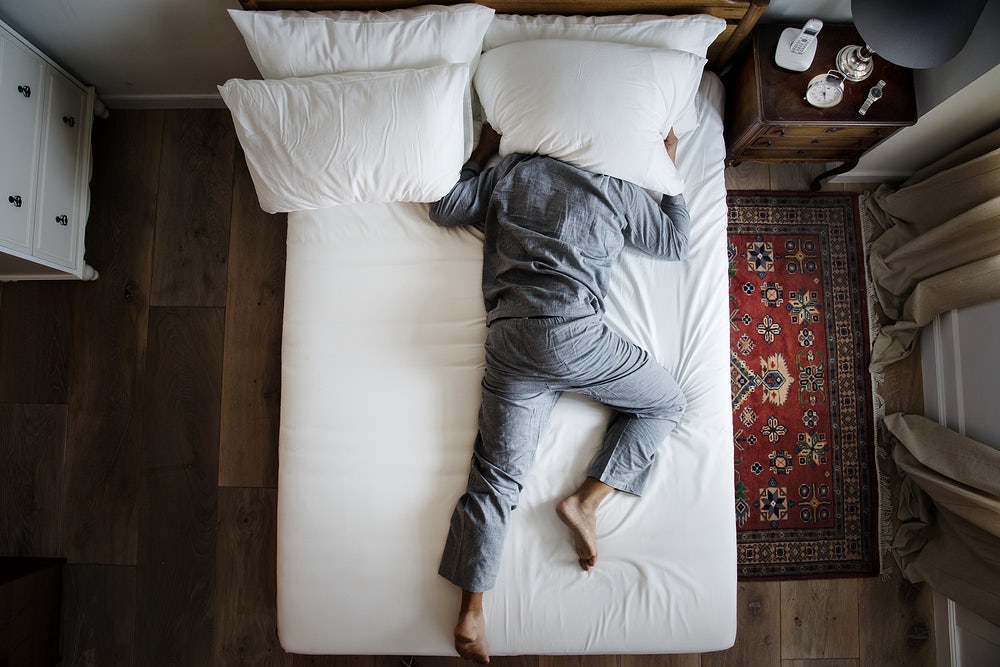
Many people notice stomach problems after a bad night’s sleep. Scientists now think this is not just coincidence but a biological chain reaction linking sleep loss directly to gut damage.
Researchers found that sleep disturbance sends abnormal signals from the brain to the digestive system, damaging the cells responsible for maintaining the intestinal lining. These cells normally repair everyday wear and tear caused by food, bacteria and inflammation. The findings were published in Cell Stem Cell.
The study shows that even short periods of sleep deprivation can weaken the gut barrier and disrupt normal digestion. Over time, this could help explain why poor sleep is associated with conditions such as irritable bowel syndrome and inflammatory bowel disease.
The process begins in a brain region that controls automatic body functions. When sleep is disrupted, this centre becomes overactive and sends excessive signals down the vagus nerve, a major communication pathway between brain and gut.
These nerve signals release large amounts of acetylcholine into the intestine. That chemical then triggers a surge in serotonin inside the gut, far beyond normal levels.
Although serotonin is commonly known as a mood chemical in the brain, most of it actually lives in the digestive tract. When too much accumulates there, it creates oxidative stress, a damaging chemical environment that injures intestinal stem cells.
These stem cells are essential for renewing the gut lining. When they malfunction, the intestinal wall becomes thinner and less able to repair itself, leaving it vulnerable to inflammation and disease.
The researchers observed shortened intestinal structures, fewer regenerative cells and slower tissue turnover after sleep loss. Damage continued even after normal sleep returned, suggesting long lasting effects on digestive health.
Importantly, the team showed the problem was not caused by gut bacteria changes. Instead, the brain signal itself drove the damage, highlighting the importance of the brain gut connection in physical health.
Blocking the nerve pathway or reducing serotonin activity protected the gut in experimental models. Antioxidants also improved recovery by reducing cellular stress, pointing toward possible treatments for sleep related digestive disorders.
The findings help explain why people with chronic insomnia often report abdominal pain, bloating or irregular bowel habits. They also reinforce the growing medical view that sleep is essential for organ repair, not just mental restoration.
Rather than simply feeling tired, the body may enter a biological stress state where tissues fail to maintain themselves properly. Over time, this could increase vulnerability to chronic inflammatory disease.
Doctors already recommend good sleep hygiene for mental health, but this research suggests digestive health may depend on it just as strongly. The gut appears to monitor sleep quality through nerve signalling from the brain, reacting rapidly when rest is insufficient.
Scientists believe future therapies might target this pathway, either by calming nerve activity or preventing serotonin driven damage in the intestine.