

Pongal

Pongal is one of the most cherished festivals of Tamil Nadu, celebrated with great enthusiasm across South India and by Tamil communities worldwide. Deeply rooted in agrarian culture, Pongal is a thanksgiving festival dedicated to nature, marking the end of the winter solstice and the beginning of the Sun’s northward journey. It coincides with the harvest season, when newly gathered crops symbolize prosperity, renewal, and gratitude.
The festival spans four days, each with its own rituals, symbolism, and social significance.
Bhogi Pongal – Renewal and Letting Go
.jpeg "Pongal Festival Celebration in Tamil Nadu") The first day, Bhogi Pongal, is devoted to cleansing and transformation. Homes are cleaned thoroughly, and old, unused belongings are discarded, representing the shedding of negativity and past burdens. Traditionally, families light bonfires at dawn, symbolizing the burning away of outdated habits and the welcoming of new beginnings. Houses are decorated with fresh kolams (rangoli) drawn using rice flour, often accented with flowers, reflecting positivity and hospitality.
The first day, Bhogi Pongal, is devoted to cleansing and transformation. Homes are cleaned thoroughly, and old, unused belongings are discarded, representing the shedding of negativity and past burdens. Traditionally, families light bonfires at dawn, symbolizing the burning away of outdated habits and the welcoming of new beginnings. Houses are decorated with fresh kolams (rangoli) drawn using rice flour, often accented with flowers, reflecting positivity and hospitality.
Thai Pongal – Gratitude to the Sun God
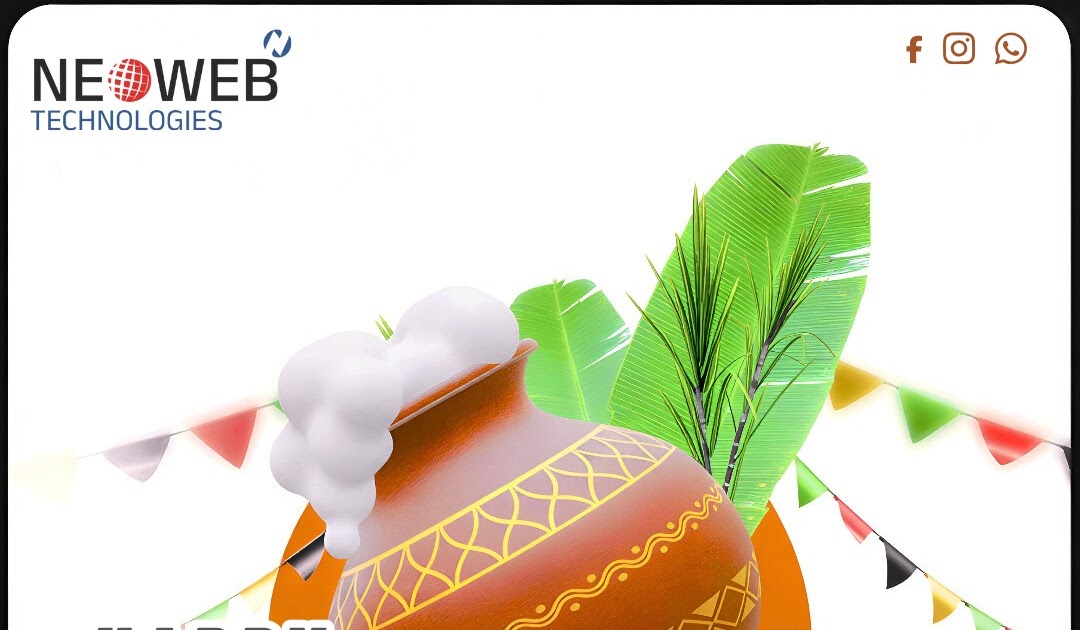
The second day, Thai Pongal, is the central and most sacred day of the festival. It falls on the first day of the Tamil month Thai and is dedicated to Surya, the Sun God, revered as the life-giver and source of agricultural abundance. Families gather early in the morning to prepare the ceremonial dish “Pongal.”
This dish, made from freshly harvested rice, milk, and jaggery, is cooked in a traditional earthen pot, often placed outdoors under sunlight. As the milk boils over, people joyfully chant “Pongalo Pongal!” The overflowing pot symbolizes prosperity, abundance, and good fortune. The prepared Pongal is offered to the Sun God along with sugarcane, bananas, and coconut, expressing heartfelt thanks for a successful harvest.
Mattu Pongal – Honoring Cattle
 The third day, Mattu Pongal, highlights the indispensable role of cattle in agriculture. Cows and bulls seen as sacred and vital companions in farming are bathed, decorated with colorful garlands, bells, and painted horns. Special prayers are performed to honor their contribution to livelihood and sustenance. In rural regions, traditional events such as cattle processions and cultural performances add vibrancy to the celebrations.
Kaanum Pongal – Family and Community Bonding
The fourth day, Kaanum Pongal, is a day of social connection and leisure. Families and friends visit relatives, enjoy picnics, and participate in communal gatherings. It is a time to strengthen bonds, share festive meals, and celebrate togetherness. In many places, people visit riversides, beaches, or temples, embracing joy and relaxation.
Cultural and Spiritual Significance
Beyond its rituals, Pongal embodies themes of gratitude, harmony with nature, and respect for all elements that sustain life Sun, earth, water, and animals. It reinforces family unity, celebrates rural heritage, and reflects the Tamil ethos of thanksgiving and optimism.
The festival’s visual richness kolams, sugarcane decorations, traditional attire, music, and dance adds to its charm. Pongal also promotes generosity, with many families engaging in charitable acts and food sharing.
In essence, Pongal is not merely a harvest festival; it is a celebration of life’s abundance, cultural identity, and the enduring relationship between humanity and nature.