

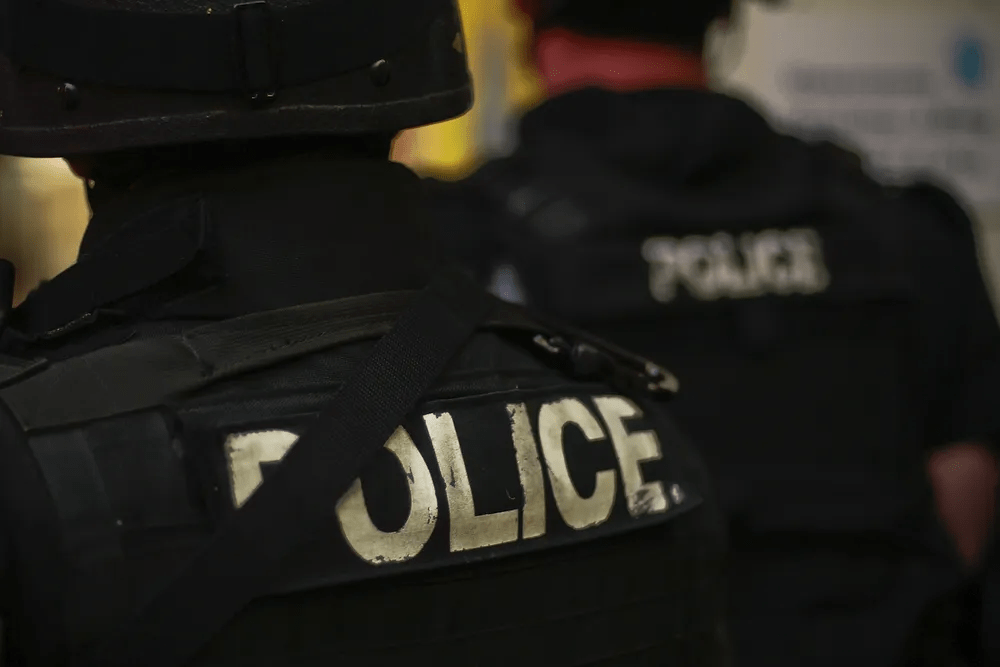
Police officers are often the first people called when others are in crisis, yet new research suggests many struggle to recognise depression in themselves and colleagues. The findings, published in Psychiatry International, highlight a quiet but important risk for mental health in policing, where distress is common but often labelled in safer, less clinical ways.
The study examined mental health literacy among Portuguese public security police officers, focusing on how well they identify depression, understand treatment options, and respond to mental health crises. While most officers rejected the idea that depression reflects weakness or danger, only a minority correctly recognised depression when presented with clear symptoms .
Just over one third of participants identified depression accurately. Many instead described the same symptoms as stress or anxiety, suggesting that emotional distress is being reframed in ways that feel more acceptable within police culture. This matters because recognising depression is a key step towards seeking timely support and treatment.
The research paints a complex picture. Explicit stigma was low, with most officers disagreeing that depression is not a real illness or that people experiencing it are dangerous. At the same time, there was hesitation around formal labels, which may reflect concerns about professional consequences rather than personal prejudice.
Help seeking preferences also revealed important patterns. Officers showed strong confidence in informal support such as friends and family, and high trust in psychologists and psychiatrists. In contrast, hierarchical figures within the police organisation were seen as far less helpful, pointing to persistent organisational barriers around mental health support.
Views on treatment were especially striking. A substantial proportion of officers regarded antidepressants and other psychiatric medications as harmful, even while valuing mental health professionals. This suggests unease about medication rather than a rejection of care itself, possibly linked to fears about side effects, dependence, or impact on operational performance.
When it came to coping strategies, officers strongly endorsed physical exercise, relaxation, meditation, and professional therapy. Harmful strategies such as using alcohol or smoking to cope were widely rejected, indicating good awareness of healthier responses to stress and depression.
Skills linked to mental health first aid were generally strong. Most officers supported empathetic listening and encouraging professional help. However, there was uncertainty around managing more acute risk. Only around half felt that directly asking about suicidal thoughts was helpful, while a notable minority believed it could be harmful.
This hesitation is important because police officers frequently encounter people at risk of suicide. Avoiding direct questions may limit effective intervention at critical moments. The findings suggest a need for targeted training that builds confidence in handling suicide risk safely and appropriately.
The study highlights a paradox at the heart of police mental health. Officers appear open to mental health support and largely reject stigma, yet still struggle to recognise depression and remain cautious about certain forms of treatment. Addressing this gap will likely require changes at both individual and organisational levels, including training, leadership engagement, and clearer protections around confidentiality and career impact.