

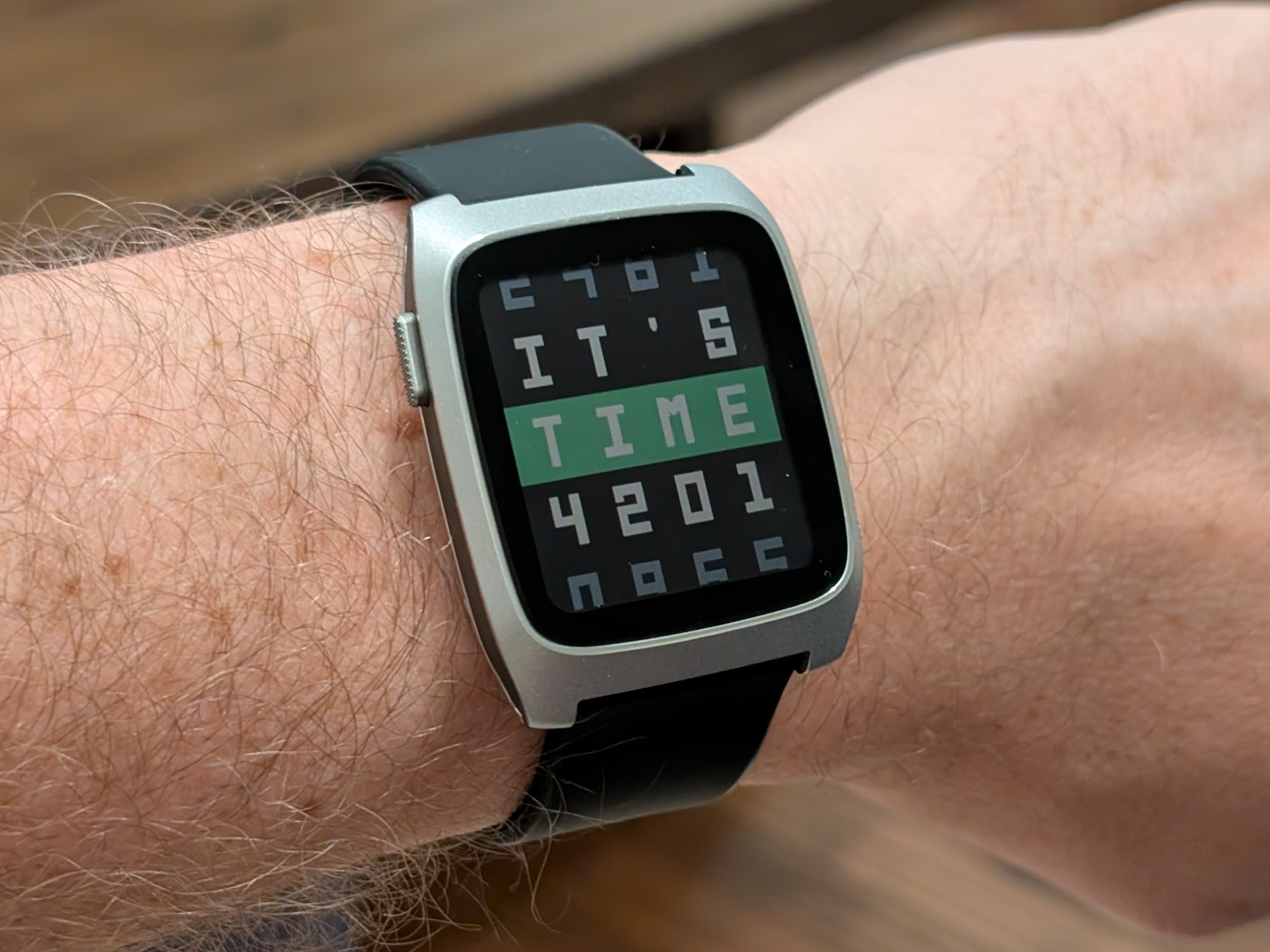
Eric Migicovsky, founder of the Pebble smartwatch, is turning to open-source to ensure device longevity with the iconic wearable’s relaunch.
When a hardware vendor folds, the device usually dies with it. By advancing Pebble’s software stack from partial to complete openness, Core Devices – the company behind Pebble – is effectively insuring its hardware against its own potential failure.
The weak link in any hardware is rarely the device itself; it is the tether to a proprietary cloud or mobile application. Migicovsky admitted that while Android users could previously limp along with sideloaded legacy APKs, iPhone users were often left with paperweights once the official app vanished from distribution channels.
To fix this dependency, Core Devices rebuilt the Pebble mobile companion application using Kotlin Multiplatform and made the code open-source on GitHub. This ensures the bridge between the peripheral and the smartphone remains maintainable by the community, regardless of future app store purges or corporate insolvency.
With this strategy, the “black hole” scenario – where a company’s disappearance bricks its products – is effectively neutralised.
Centralised repositories represent a single point of failure. When Fitbit shut down the original Pebble servers, the community had to scramble to archive assets to keep their smartwatch functional. The new architecture abandons the walled garden for a federated model similar to package managers like pip, AUR, or APT.
The open-source mobile app now consumes multiple “feeds,” allowing any entity to host a repository of Pebble smartwatch applications and watchfaces. Core Devices has launched its own feed, which pipes a backup of all content directly to Archive.org. This democratises the infrastructure, ensuring that data persistence does not rely on a single company’s balance sheet.
Physical maintenance usually relies on the original equipment manufacturer (OEM), creating a lifespan cap based on part availability. Core Devices is handing more of that control to the user. The new Pebble Time 2 abandons glue for screws, allowing straightforward battery swaps by removing the back cover.
More aggressively, the company has essentially made the actual hardware for one of its devices open-source by publishing the full electrical and mechanical design files – including KiCad project files – for the Pebble 2 Duo smartwatch. This invites third-party manufacturing and allows engineers to design compatible hardware variants.
Even the development environment required an overhaul. The previous state of Pebble development involved archaic Ubuntu virtual machines and Python 2 scripts. The toolchain has been upgraded to run in modern browsers, removing the technical debt that discourages new contributors.
Migicovsky notes that while the core system is open, some proprietary blobs – such as the heart rate sensor driver and Memfault library – still remain. However, the architecture treats these as optional; the operating system compiles and boots without them, ensuring the device remains functional even if those components cannot be distributed in the future.
By ensuring the Pebble operating system, mobile app, and hardware schematics are open-source, Core Devices converts what is typically a depreciating wearable into a smartwatch they can rely on for potentially even decades to come.
See also: Open-source developer burnout fuels supply chain risks

Want to learn more about the IoT from industry leaders? Check out IoT Tech Expo taking place in Amsterdam, California, and London. The comprehensive event is part of TechEx and is co-located with other leading technology events including AI & Big Data Expo and Cyber Security Expo. Click here for more information.
IoT News is powered by TechForge Media. Explore other upcoming enterprise technology events and webinars here.