

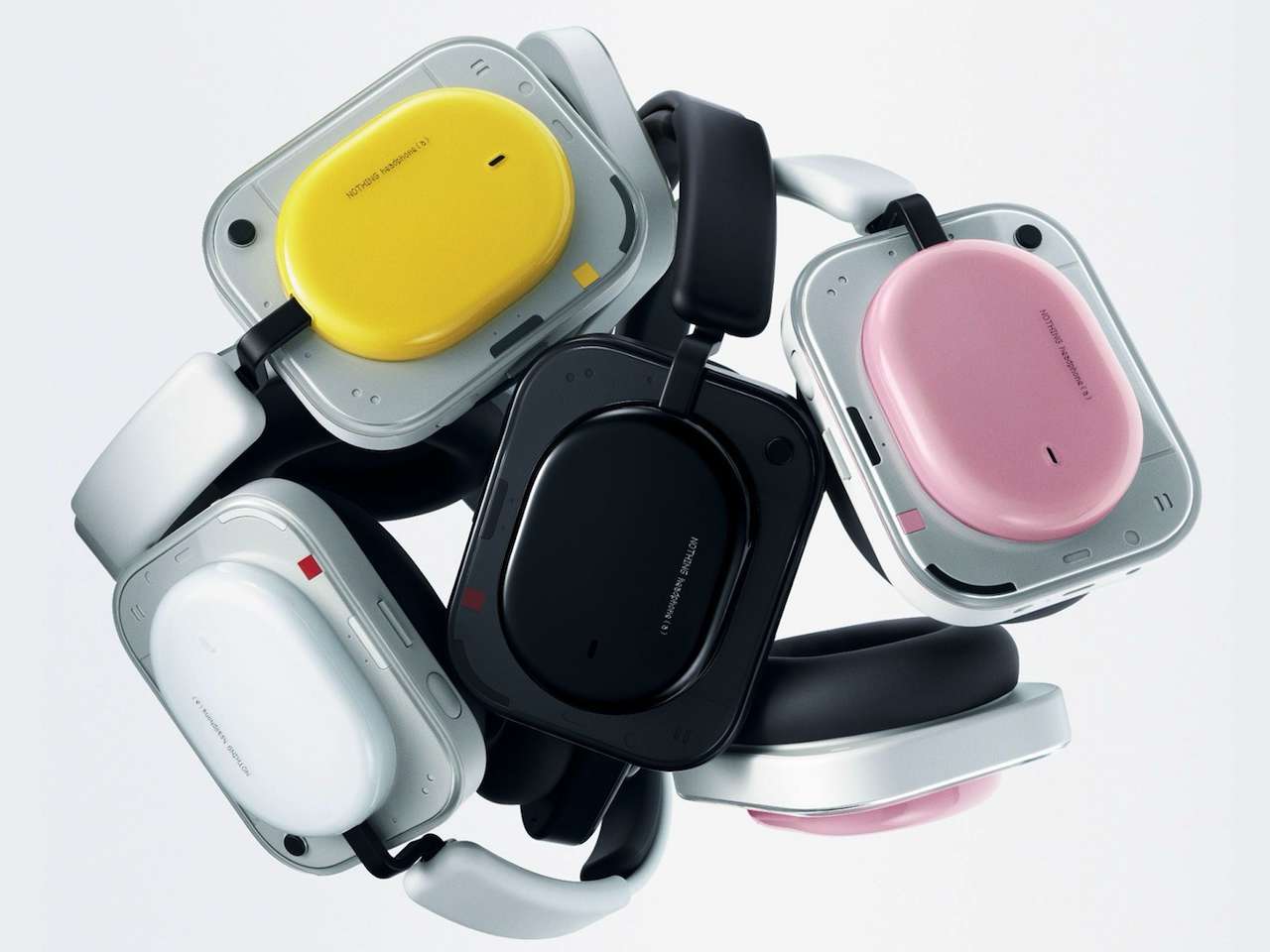
Most mid-range headphones treat battery life as a checkbox. Hit 30 hours, maybe 40, slap “all-day battery” on the box, and move on. Nothing looked at that formula and decided 135 hours on a single charge was a more interesting number to chase. That isn’t an incremental bump over the competition. It’s a different conversation entirely, the kind that makes you stop scrolling and double-check the spec sheet.
Price: $199
Where to Buy: Nothing
The Nothing Headphone (a) landed alongside the Phone (4a) series on March 5, and it isn’t trying to be a stripped-down version of last year’s Headphone (1). It’s trying to answer a question that the $150 to $250 bracket hasn’t answered well: can you build headphones that sound good, feel deliberate in your hands, and don’t die before the weekend? Nothing thinks $199 is the right price to prove that point. You’ll know within the first week whether they pulled it off.
So the real question is: what did Nothing actually keep, what got cut, and does any of it matter when you’re wearing these on a Tuesday morning commute?
Add The Gadgeteer on Google Add The Gadgeteer as a preferred source to see more of our coverage on Google.
ADD US ON GOOGLE
What it is
Noise cancellation: Adaptive ANC adjusts automatically based on your surroundings, with Nothing claiming up to 40dB of noise reduction. Transparency mode lets ambient sound through when you need situational awareness. ANC holds up well for $199, though it won’t match the isolation you’d get from Sony or Bose flagships at twice the cost. What matters more is that it works without constant fiddling, and early impressions suggest it does.
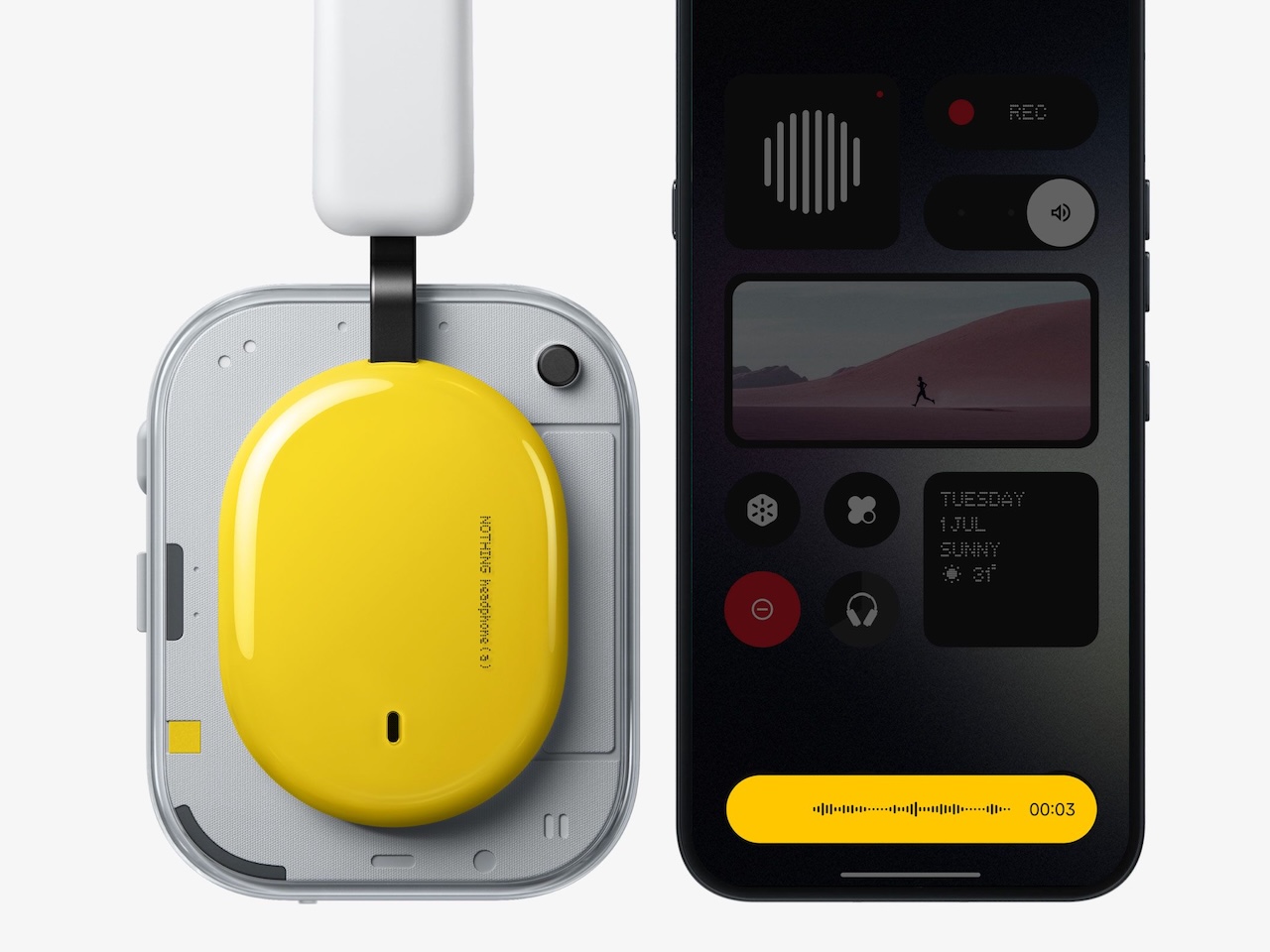
Dropping these headphones alongside the Phone (4a) and Phone (4a) Pro positions the (a) tier as the front door to Nothing’s hardware family. If you couldn’t justify $299 for headphones, $199 with this feature list is a much easier entry point.
A custom button on the right ear cup lets you assign ChatGPT, a camera trigger, or quick device switching to a single press. It signals where Nothing thinks headphones are heading next.
Physical controls and custom button
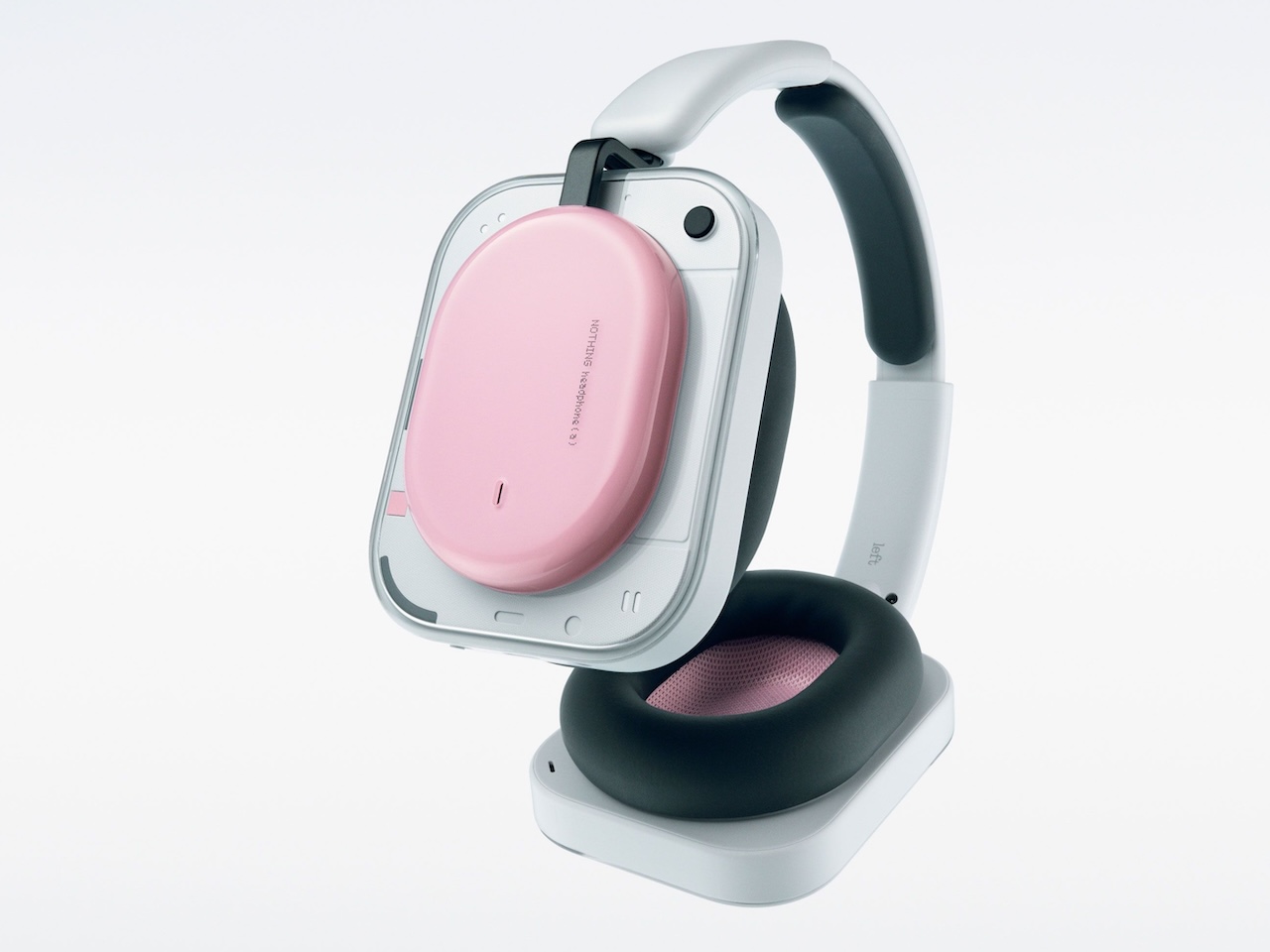
Nothing carried the physical controls over from the Headphone (1). A tactile roller on one ear cup handles volume, and a paddle on the other manages track skipping. Both are mechanical inputs, not touch-sensitive panels. In a market that keeps defaulting to flat, minimal surfaces, Nothing went the opposite direction with controls that click and respond under your thumb.
Each input registers with enough resistance to feel intentional. Keeping mechanical controls at the $199 price point prioritizes usability over aesthetics, a trade-off that separates the Headphone (a) from most competitors in this bracket.
Nothing Headphone (a) specs and audio
LDAC support pushes wireless audio up to 24-bit/96kHz, the ceiling for most Hi-Res wireless playback right now. The 40mm drivers handle that bandwidth without sounding thin or harsh in the upper mids, which is exactly where cheaper drivers tend to fall apart under pressure. You’ll hear the difference on well-mastered tracks, where the separation between instruments stays clean even when you push the volume higher than you probably should.

IP52 dust and water resistance handles sweat and light rain, a practical detail for runs or wet commutes. Bluetooth 5.4 with dual-device support means switching between a laptop and phone doesn’t require the disconnect-reconnect cycle that plagues most headphones at this price.
The 3.5mm jack survived the cost cut, worth noting because plenty of headphones at this price have quietly dropped it. Wired mode bypasses the Bluetooth codec entirely for the cleanest possible audio path.
Nothing positions the sound signature as warm and full without getting muddy, built to sound good on a crowded train or during a late-night walk rather than compete with clinical studio monitors.
Battery life and charging
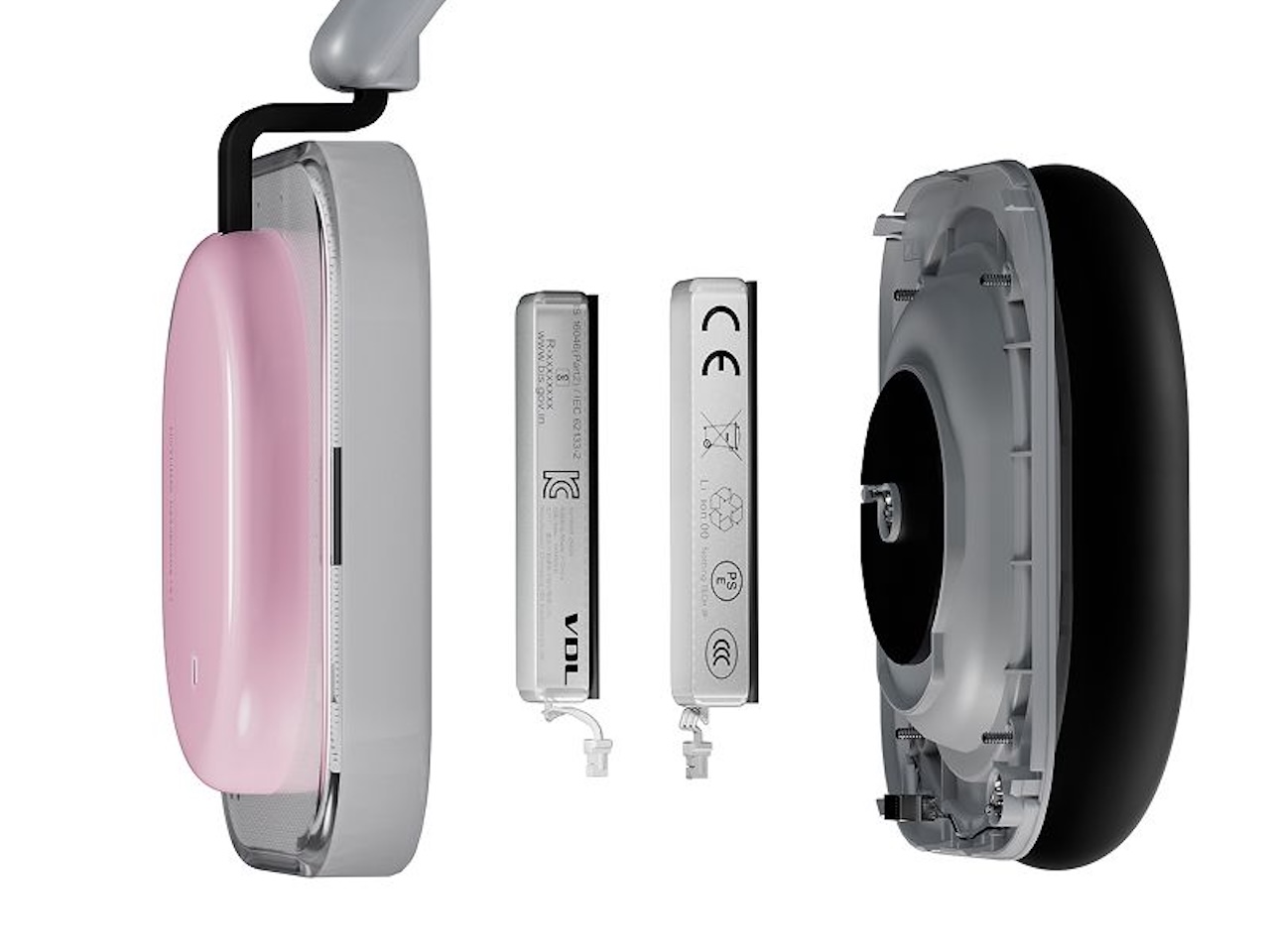
Nothing claims 135 hours with ANC off, 90 hours streaming over LDAC, and 75 hours with ANC on. The battery driving those figures also charges fast enough to reshape daily habits. Five minutes on USB-C gets you eight hours of playback, which turns a forgotten overnight charge from a morning crisis into a minor inconvenience you solve while brushing your teeth.
A full charge takes about two hours. The real shift is how rarely you’ll think about charging at all. Most mid-range headphones need topping up every few days. The Headphone (a) stretches that cycle to once a week or less.
What’s missing

Nothing swapped the hard carrying case that shipped with the Headphone (1) for a drawstring carrying bag. It’s lighter and more packable, but offers zero structural protection, which means you’re relying on soft fabric between your headphones and whatever else is in your bag.
Who should skip this
Anyone who travels heavily and expects protective storage in the box will feel the missing case fast. At 310 grams with no included protection, these headphones need more care in transit than competitors that ship with hard-shell cases as standard. If durability on the road ranks high on your buying criteria, factor in a third-party solution when comparing the true total cost against the sticker price.
Who this is for
The Headphone (a) is built for the person who wears headphones every single day and resents charging them every few nights. If your current pair dies mid-commute or mid-flight with frustrating regularity, the 135-hour battery isn’t a spec advantage on a comparison chart. It’s a lifestyle change. Five and a half days of continuous playback means weekly charging replaces daily anxiety, and that shift in your relationship with your gear matters more than most spec bumps ever will.

It’s also the right pick for anyone who’s been curious about Nothing but couldn’t justify the Headphone (1) at $299. The (a) keeps the physical controls, the wired option, the dual-device Bluetooth, and full LDAC support intact. What you lose is the carrying case, the transparent design DNA, and some ANC headroom at the ceiling. For most people wearing headphones to work, the gym, or the couch, those trade-offs won’t register in daily use.
Price: $199
Where to Buy: Nothing
At 310 grams, the build feels solid without crossing into heavy territory. The 40mm drivers stay clean across genres. Nothing found the intersection of “costs less” and “doesn’t feel like it costs less,” and at $199, the math works in a way it hasn’t before. Available for preorder now through Nothing’s website, with availability starting March 13.
Love our content?
Sign up for our newsletter today.
No ads, no spam, just links to our latest articles!