


Weather Archive Africa takes historical data from 43 countries
Life
Researchers at Maynooth University’s climate research centre Icarus have launched a citizen science project seeking help to rescue African weather data that is vital for research about a part of the world that is very vulnerable to climate change.
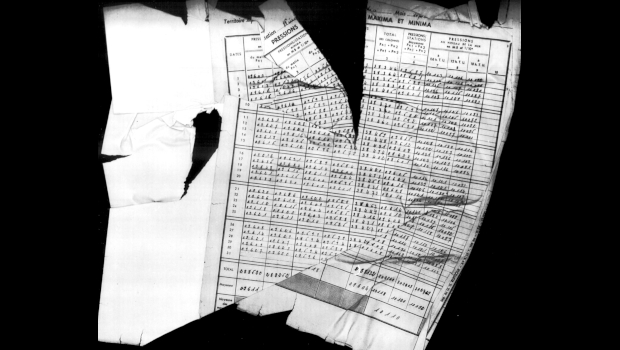
The project, Weather Archive Africa, is seeking volunteers to sift through some 4 million images of historical weather data from 43 African countries to determine which images are usable for their research.
The images come from the African Centre of Meteorological Application for Development (ACMAD) collection. They were transferred to fiche and film by ACMAD, the Royal Meteorological Institute of Belgium and the World Meteorological Organization in the late 1980s/early 1990s and were subsequently converted to electronic images by the Copernicus Climate Change Service.

However, the images are of variable quality and it is unclear where and when the data was obtained.
“Before we can transcribe the data, we need to separate the images that are readable from those that are unreadable,” said Icarus researcher Kevin Healion.
“We also need to make sure that the station name, month, and year of observation are recorded, otherwise rescuing the data will be all but impossible. Once we know which images are usable and where and when they were taken, we can start the process of rescue.”
The project, supported by the Irish Centre for High-End Computing, is being launched on Zooniverse, a global platform for people-powered research which connects professional researchers with volunteers worldwide.
“We have found that those who have helped rescue historical weather data feel that they have made a real contribution towards climate action. I think those who contribute to this project will feel the same,” Healion said.
Icarus director Prof Peter Thorne added: “Rescuing African weather data is vitally important if we are to better understand climate change in this very climate-vulnerable region of the world. This project goes some way towards making this data readily available.”
TechCentral Reporters