

Health researchers have identified a significant link between vitamin D deficiency and the severity of symptoms in patients suffering from a debilitating mosquito-borne illness. The findings, published in the Afro-Egyptian Journal of Infectious and Endemic Diseases, suggest that individuals with lower levels of the “sunshine vitamin” are far more likely to experience intense joint inflammation and require hospitalisation when infected with the virus.
The study focused on a group of patients in North India who were diagnosed with Chikungunya, a viral infection often mistaken for other tropical diseases but notable for its long-lasting and painful impact on the body. While most patients recover from the initial fever within a few days, the associated joint pain can become a chronic burden that limits mobility for weeks or even months.
Medical experts observed that patients needing hospital admission for their symptoms had significantly lower concentrations of vitamin D compared to those who could manage their recovery at home. This connection suggests that maintaining healthy vitamin levels might provide a crucial layer of protection against the most incapacitating effects of the virus.
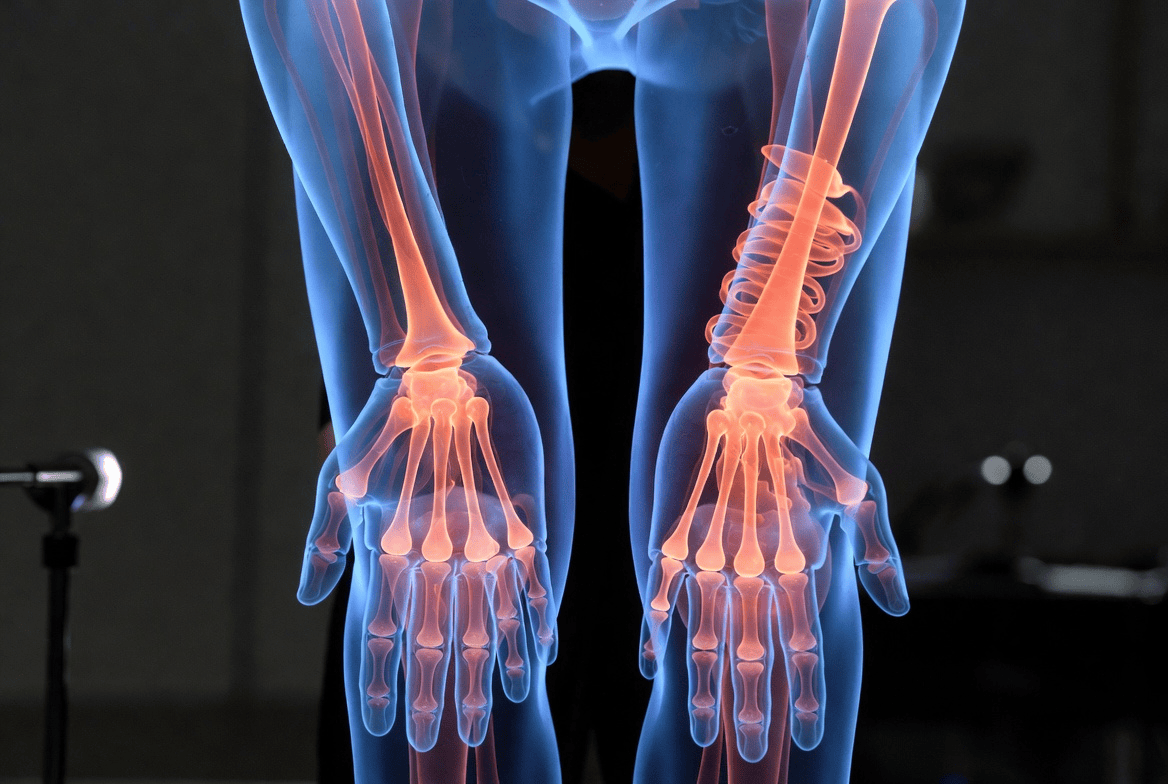
The research also highlighted that certain inflammatory markers in the blood can predict how many joints will be affected by the disease. Higher levels of specific proteins were consistently found in patients who suffered from widespread pain across multiple parts of their body, including the hands, wrists, and knees.
Women appeared to be more susceptible to visible joint swelling during the course of the infection. This pattern of joint involvement often mirrored that of rheumatoid arthritis, although the symptoms were triggered specifically by the viral outbreak. Small joints in the hands were the most frequent site of discomfort for the majority of those affected.
For many patients, the onset of severe aches occurred approximately three days after the initial fever began. While standard painkillers were sufficient for some, a significant number of patients required more intensive treatments such as steroids or opioids to cope with the physical disability caused by the infection.
The rise in cases in regions that were previously less affected has been attributed to changing weather patterns and extended monsoon seasons. These conditions create ideal breeding grounds for mosquitoes, allowing the virus to spread more easily through populations that have not yet built up natural immunity.
Public health officials may now consider vitamin D screening as a tool to identify those at higher risk of severe complications. Supplementation could offer a simple and cost-effective way to reduce the overall health burden during future seasonal outbreaks.