

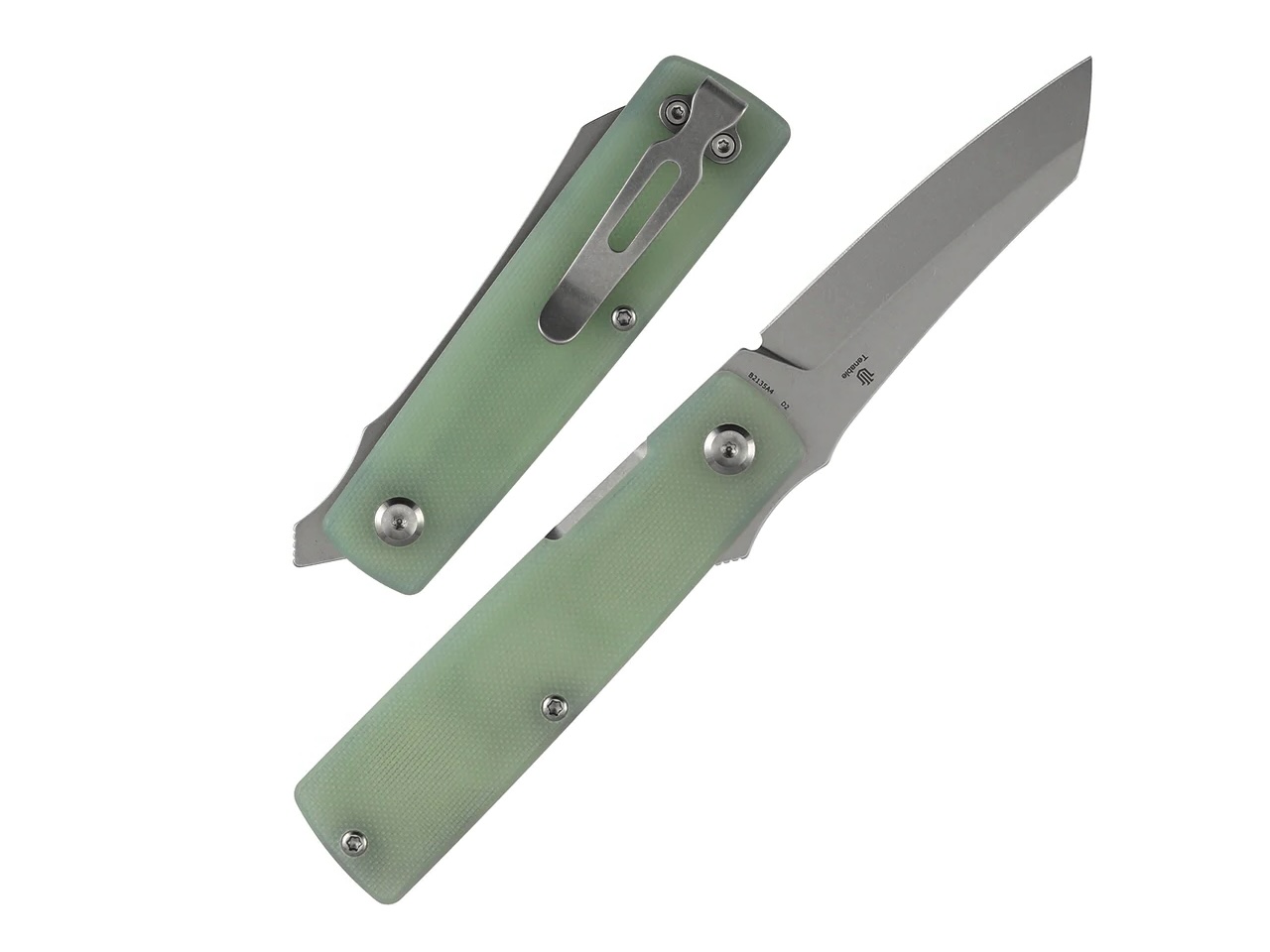
The higonokami is one of the longest-running japanese pocket knife designs in the world, a simple friction folder that first appeared in the mid-1890s in Miki, Japan. Its defining feature is also its biggest compromise. There’s no lock. You hold the blade open with your thumb on a small lever called the chikiri, and if your grip slips during a tough cut, the blade can fold back onto your fingers. For over a century, that trade-off came standard with the design. Tenable, the budget-friendly spinoff of Kansept Knives, just eliminated it, and the knife starts at $56.89.
Price: $56.89
Where to Buy: Tenable
Add The Gadgeteer on Google Add The Gadgeteer as a preferred source to see more of our coverage on Google.
ADD US ON GOOGLE
A Bladesmith Working Out of the Amazon Designed It
The Tenable Higonokami comes from Goran Mihajlovic, a Serbian-born designer who has spent more than 25 years operating out of Colombia’s Tanimboca Natural Reserve, deep in the Amazon. Mihajlovic is an experienced bladesmith and wilderness specialist who works as a field production manager, assisting film crews in remote jungle environments. His interpretation of the higonokami reflects someone who understands what a blade needs to do under real conditions.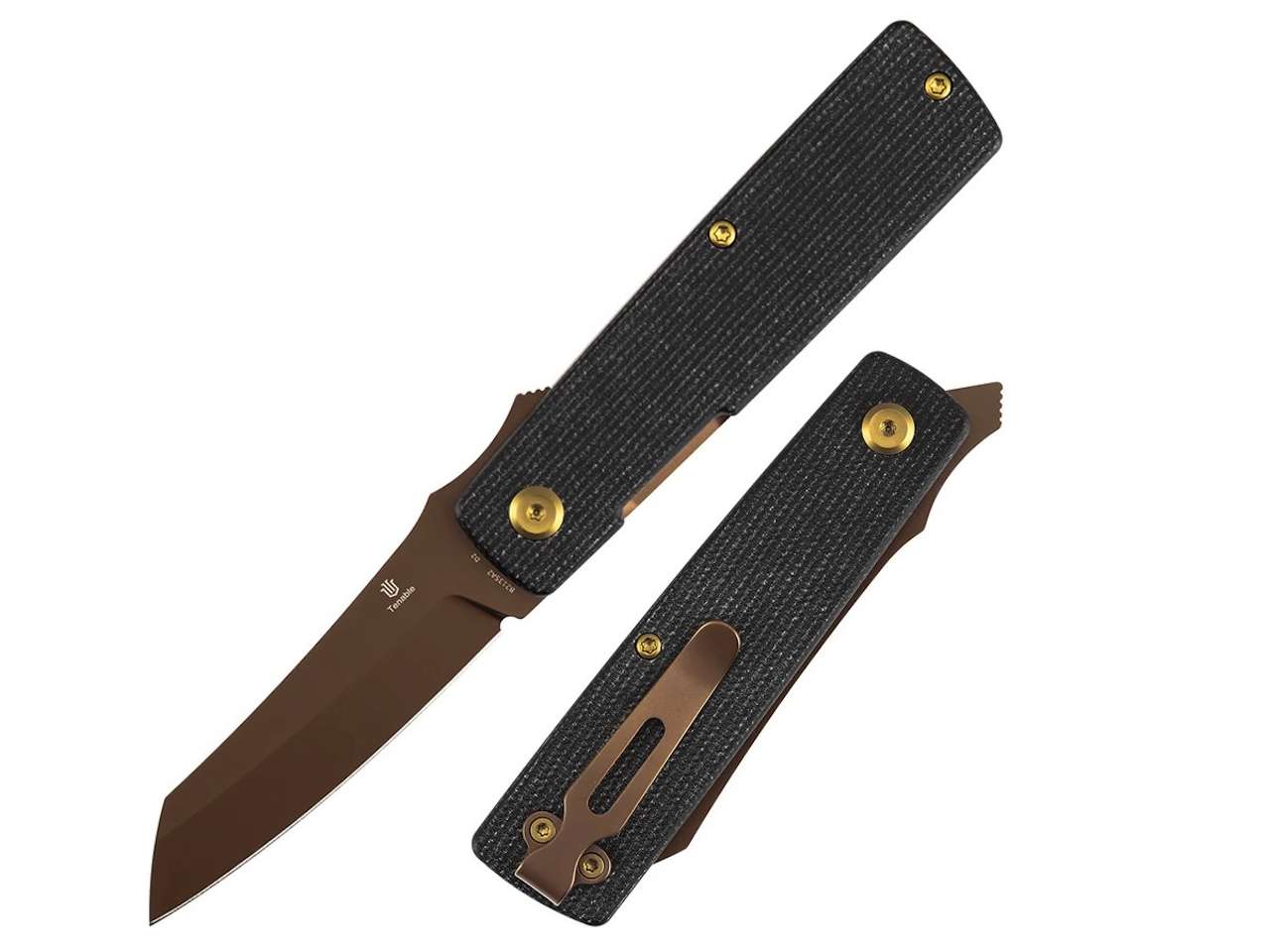
His background shows in the choices. The Tenable Higonokami isn’t a collector’s display piece dressed in exotic materials. It’s a working knife built around reliable steel, a real locking mechanism, and a price that doesn’t require justification, all layered onto a design that hasn’t fundamentally changed since the 1890s.
The lock changes everything on this higonokami knife
The most significant upgrade on the Tenable Higonokami is a liner lock. Traditional higonokami knives rely entirely on thumb pressure against the chikiri to keep the blade in position, which works fine for light tasks but introduces genuine risk when the cutting gets heavy. Tenable’s version keeps the pronounced higonokami-style lever but adds a liner lock underneath, so the blade holds open mechanically whether you’re pressing on the chikiri or not.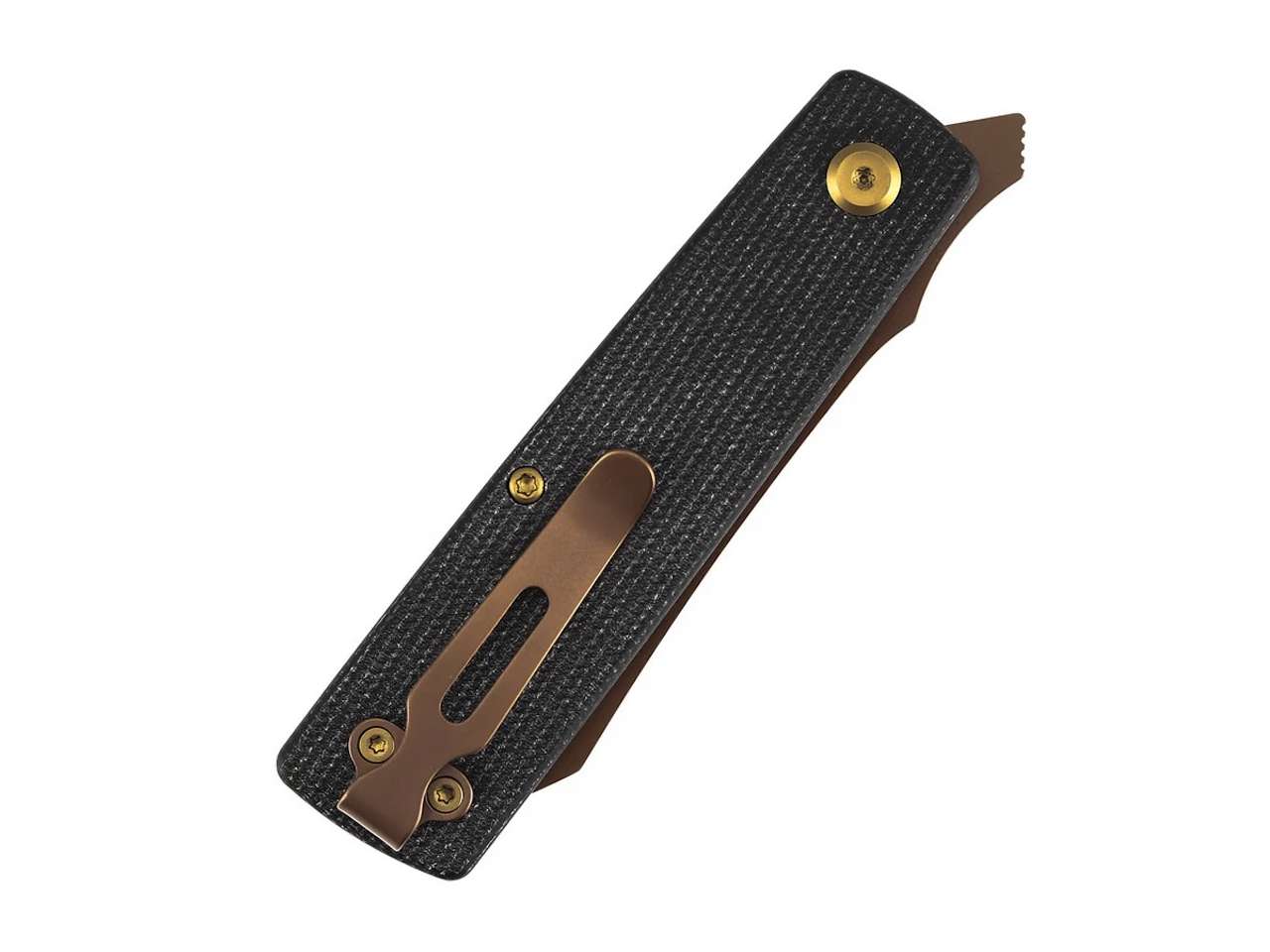
The blade itself is a 3.02-inch modified reverse tanto in D2 steel, a hard-wearing tool steel valued for edge retention and durability in everyday tasks. Blade hardness runs 58 to 60 HRC. A precision-ground swedge along the spine improves piercing ability, and the blade rides on a ceramic ball-bearing pivot for smooth, consistent deployment. At 6.94 inches open, 0.118 inches thick at the spine, and 3.42 ounces on the scale, this is a full-sized folder that still carries comfortably.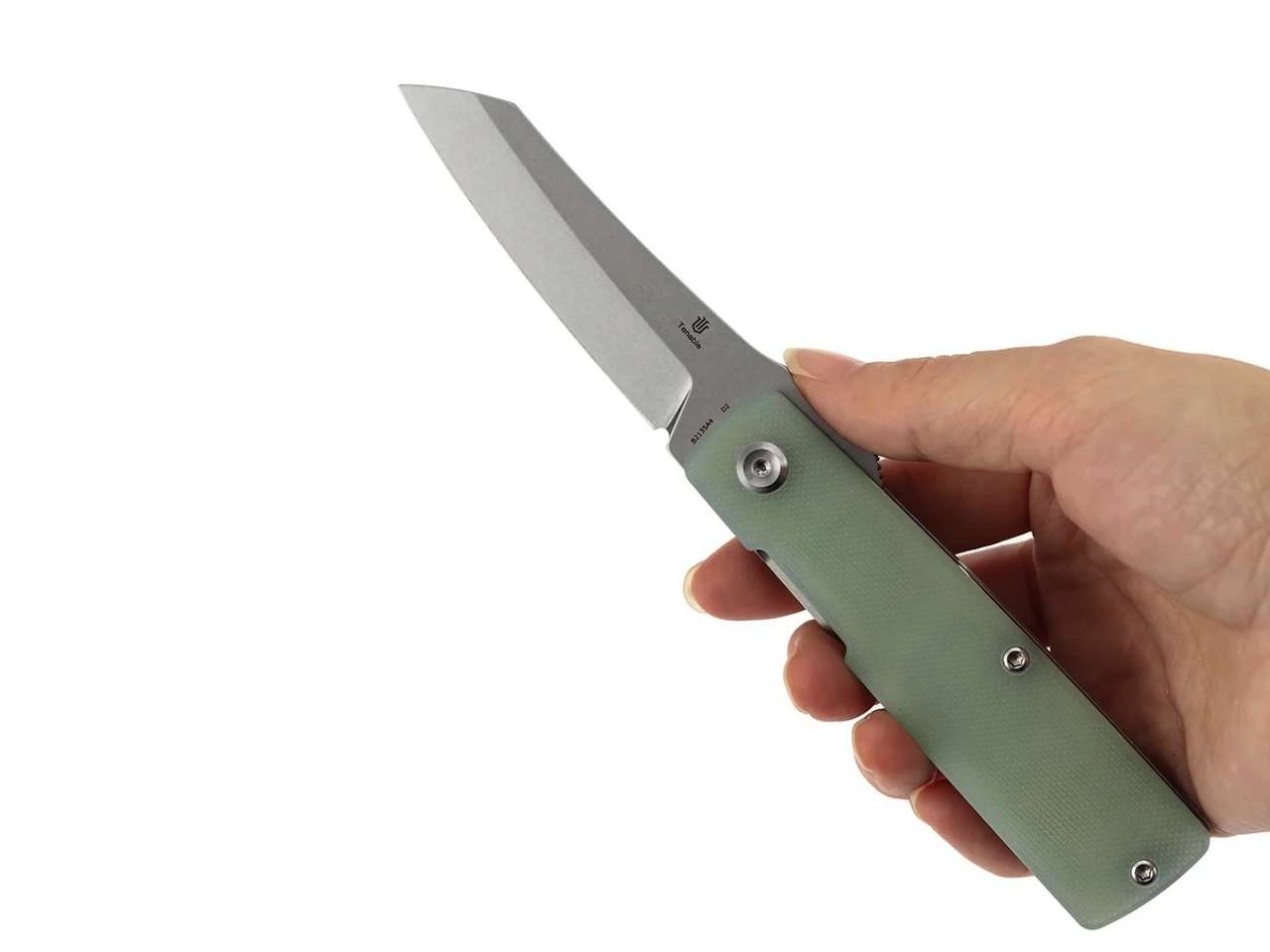
Tenable also added a pocket clip (tip-up, reversible) that traditional higonokami knives have never featured. Adding a modern clip option makes the Tenable version far more practical as a daily carry knife without altering the visual identity that makes the higonokami instantly recognizable.
Five higonokami knife variants, one starting at $56.89
Tenable is offering the Higonokami in five configurations. The entry point is $56.89, and the lineup covers enough aesthetic ground to appeal to different tastes.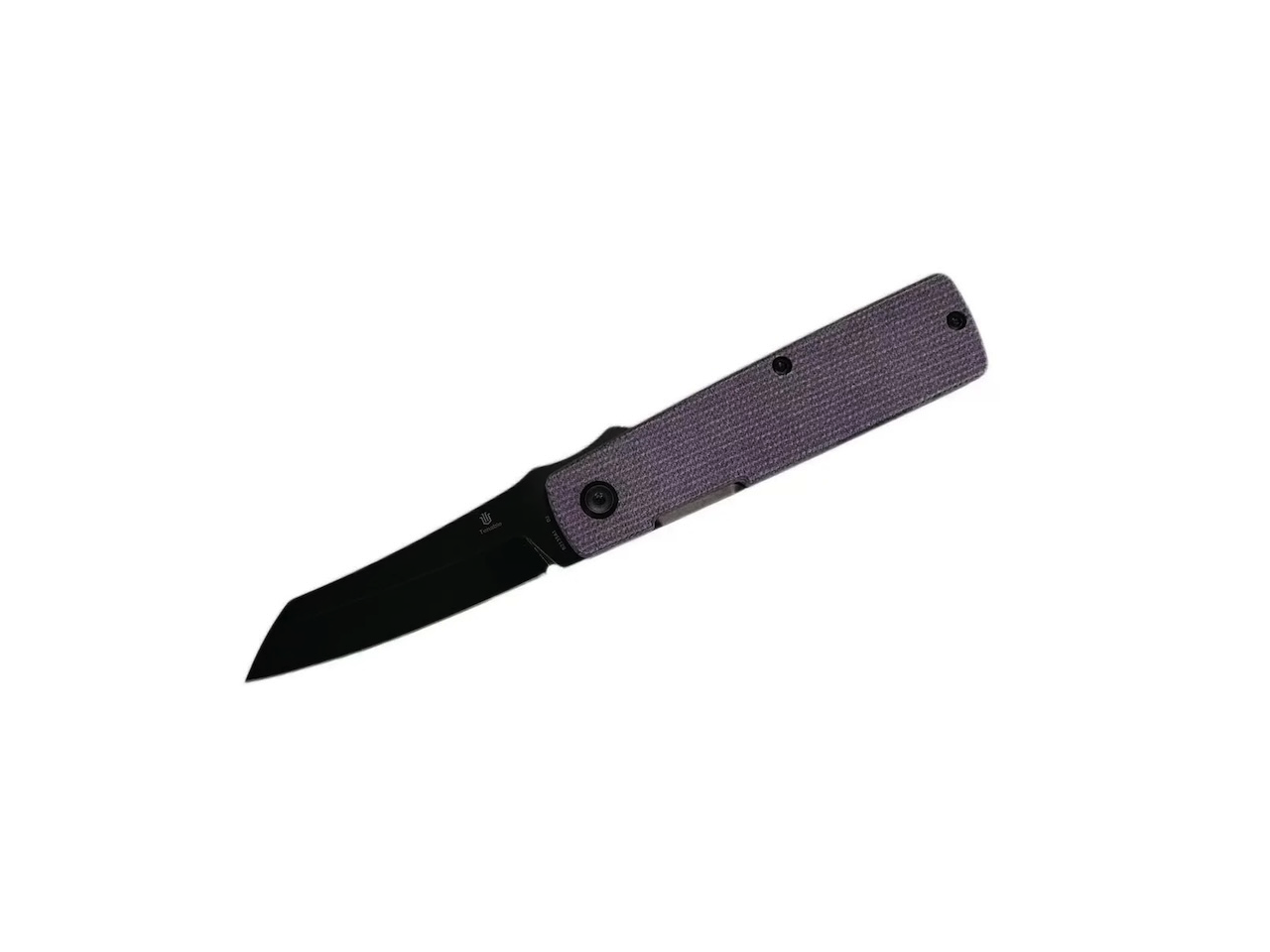
The Black Micarta with Rose Gold Coated D2 blade ($59.89) is the most visually distinctive of the group, with warm blade tones contrasting against a dark textured handle in a way that most budget folders don’t attempt. The Purple Micarta with Black Stonewashed D2 takes a quieter approach, pairing organic handle texture with a blade finish that hides wear well. On the cleaner side, the Jade G10 with Stonewashed D2 and the Light Sand G10 with Gray Coated D2 both lean utilitarian. At the top sits the Twill Carbon Fiber with Water Ripple Damascus at $89.89.
All five share the same core platform: D2 steel (or Damascus for the carbon fiber variant), liner lock, ball-bearing pivot, and reversible pocket clip. The differences are cosmetic, which means the $56.89 entry-level version doesn’t sacrifice any functional capability.
130 years of the friction folder
The higonokami’s origin is tied to a specific shift in late 19th-century Japan. When the wearing of swords in public was banned and the samurai class changed, metal smiths in Miki, Hyogo Prefecture looked for new products to fill their forges. The higonokami emerged in the mid-1890s as a simple, affordable slicer, and the name translates roughly to “Lord of Higo,” a feudal title from the Kumamoto region. The design is elemental: a single blade, a folded metal handle, and a chikiri lever. No springs, no screws, no lock.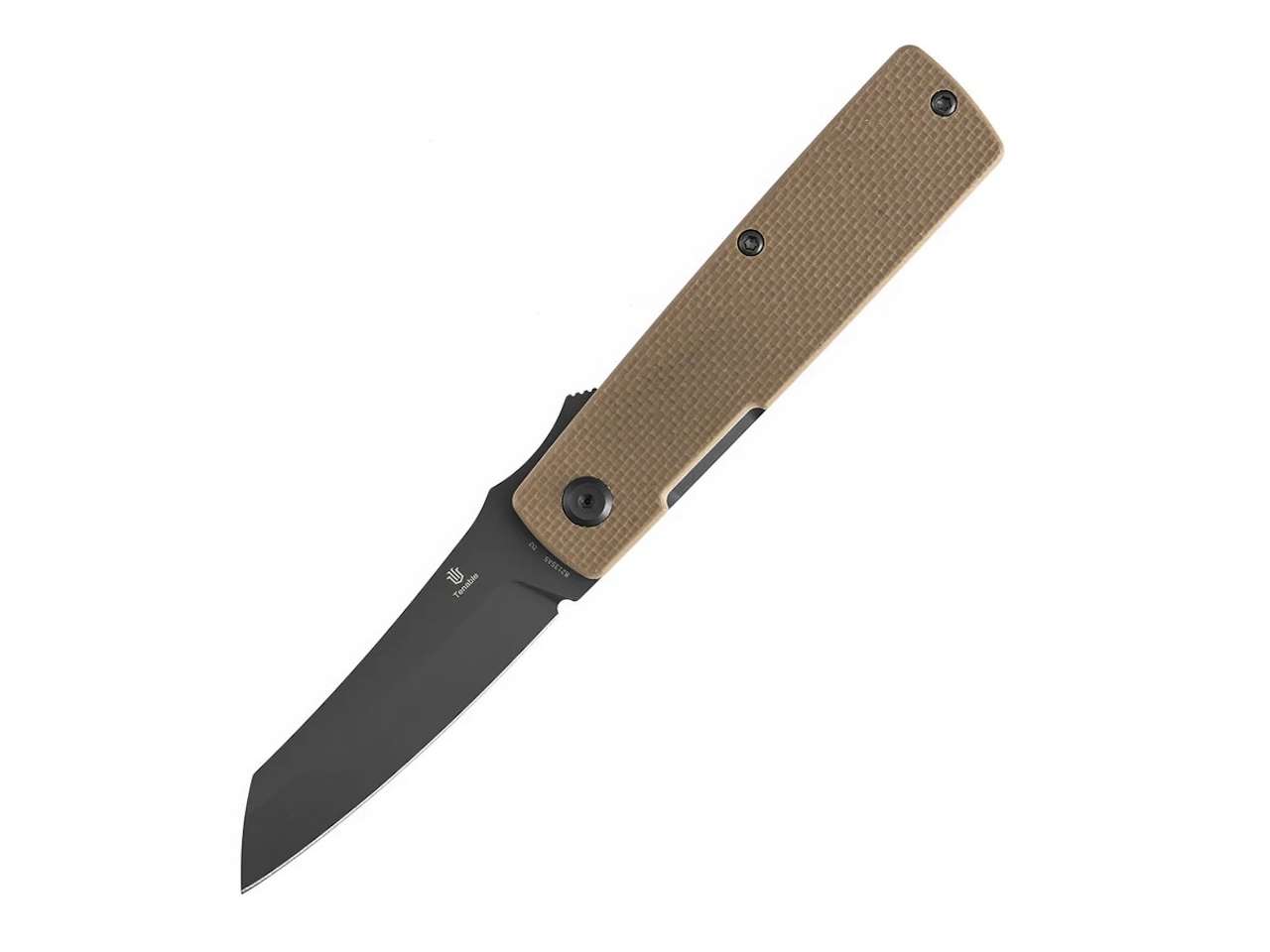
Price: $56.89
Where to Buy: Tenable
That simplicity kept the design alive for more than a century and made it a natural target for modern reinterpretation. Brands from Best Made to Civivi have released their own higonokami-inspired versions in recent years, each adding contemporary materials or mechanisms while trying to preserve the EDC knife‘s essential character. Tenable’s version adds a liner lock, modern handle materials, a ball-bearing pivot, and a pocket clip, all starting at $56.89. The knife ships within the US in 3 to 8 days, with international orders shipping from China in 15 to 30 days.
Love our content?
Sign up for our newsletter today.
No ads, no spam, just links to our latest articles!