

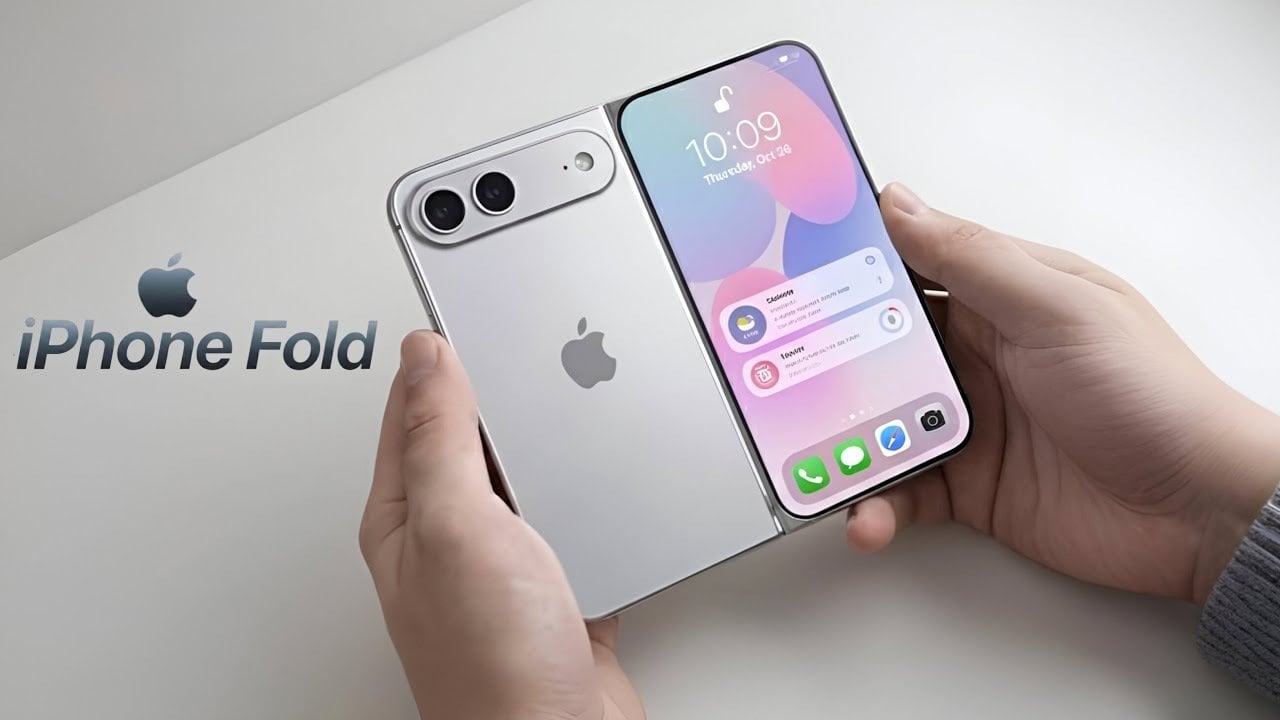
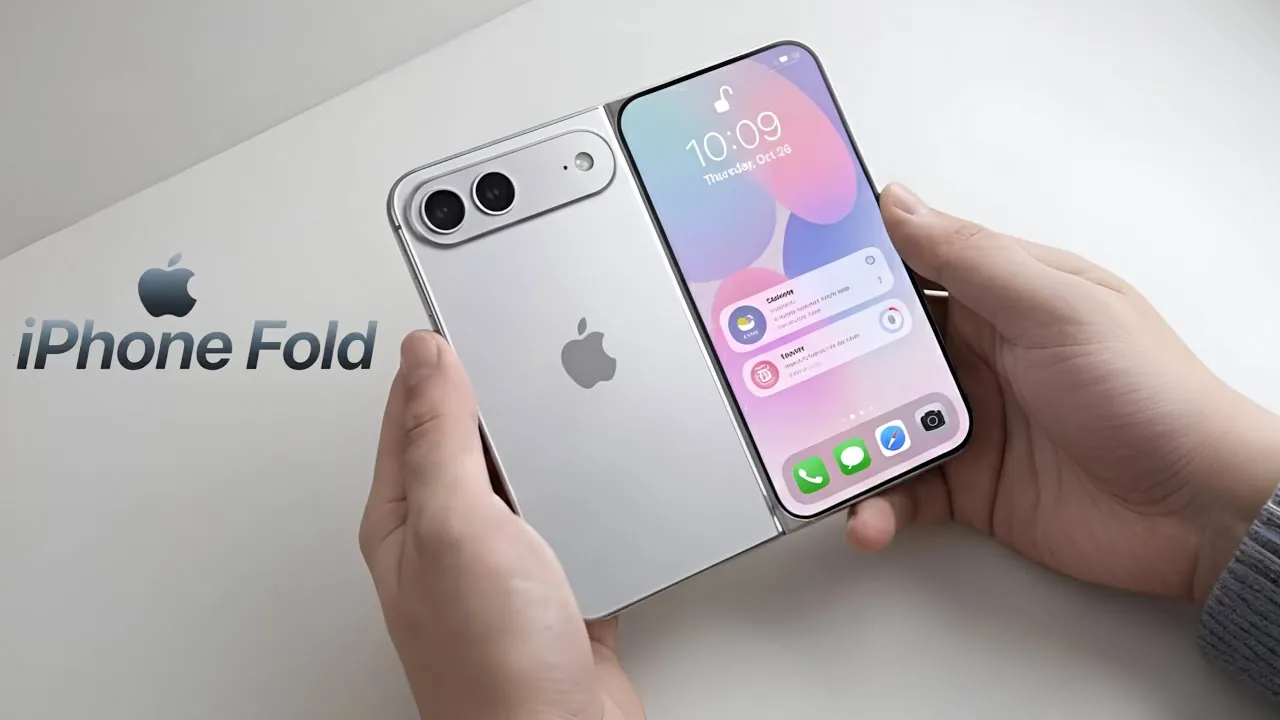
Apple is reportedly preparing to integrate Samsung’s advanced COE (Color on Encapsulation) technology into its upcoming iPhone Fold and potentially future iPhone models. This move represents a significant advancement in display technology, as COE eliminates the traditional polarizer layer in OLED displays. The result is thinner, brighter, and more energy-efficient screens, which could redefine smartphone design and performance for both Apple and Samsung. By adopting this technology, Apple is positioning itself to compete directly in the foldable smartphone market while enhancing its traditional iPhone lineup.

Understanding COE Technology
COE (Color on Encapsulation) is a new innovation in OLED display technology. Unlike traditional displays that rely on a separate polarizer layer, COE embeds the color filter directly into the OLED’s protective layer. This streamlined design delivers several key benefits:
- Enhanced light efficiency, resulting in brighter displays with reduced energy consumption.
- Thinner screens, allowing sleeker and more compact device designs.
- Lower power usage, which can significantly extend battery life.
Samsung first introduced COE technology in 2021 with its Galaxy Z Fold 3, setting a new standard for foldable smartphone displays. Apple’s reported adoption of this technology signals its potential to become a mainstay in the smartphone industry, influencing both foldable and traditional device designs.
What COE Means for the iPhone Fold and Beyond
Apple’s adoption of COE technology is expected to debut with the iPhone Fold, a device that could directly compete with Samsung’s foldable lineup. By eliminating the polarizer layer, Apple can achieve two significant advancements: thinner device designs and improved battery performance. These features align with consumer demand for smartphones that combine sleek aesthetics with long-lasting functionality.
The iPhone Fold is rumored to use this innovation to deliver a premium foldable experience while integrating seamlessly into Apple’s ecosystem. Beyond foldable devices, COE technology could also enhance traditional iPhone models, such as the anticipated iPhone 18 lineup. This would allow Apple to refine its designs further, maintaining its reputation for innovation and user-centric functionality.
Battery Efficiency and Design Advancements
COE technology offers more than just aesthetic improvements; it also delivers notable gains in battery efficiency. By reducing power consumption by up to 37%, COE displays can significantly extend battery life. This is particularly critical for foldable devices, which require more energy to power their larger, more complex screens.
In addition to COE, Apple is reportedly exploring a rigid metal can battery design, which optimizes internal space to accommodate larger batteries without increasing the device’s overall size. The combination of these advancements could result in smartphones that are not only thinner but also capable of lasting longer on a single charge. These improvements address two of the most pressing concerns for modern smartphone users: portability and battery life.
Samsung’s Role in Display Innovation
While Apple is set to adopt COE technology, Samsung remains a leader in its development and implementation. The company has already integrated this innovation into its foldable devices, such as the Galaxy Z Fold 3, and is rumored to expand its use to non-foldable models like the Galaxy S26 Ultra. By continuing to push the boundaries of display technology, Samsung is solidifying its position as a pioneer in the field.
Samsung’s leadership ensures that its devices remain competitive, offering consumers brighter, more efficient screens across its product lineup. As Apple enters the foldable market, the competition between these two tech giants is expected to drive further advancements, benefiting consumers with increasingly sophisticated devices.
Implications for Smartphone Design
The integration of COE technology has far-reaching implications for the smartphone industry. By eliminating the polarizer layer, manufacturers can create thinner devices without compromising performance. This shift could pave the way for a new generation of ultra-slim smartphones that balance aesthetics with functionality.
For foldable devices, COE technology addresses a key challenge: bulkiness. Thinner displays make foldable smartphones more practical and appealing to a broader audience. As Apple and Samsung continue to innovate, consumers can expect devices that are not only more efficient but also more visually striking. This evolution in design could redefine consumer expectations for both foldable and traditional smartphones.
Redefining the Future of Smartphones
The adoption of COE technology by Apple and its continued refinement by Samsung marks a fantastic moment in smartphone design and efficiency. By removing the polarizer layer, this innovation enables brighter, thinner, and more power-efficient devices. Whether through foldable models like the iPhone Fold and Galaxy Z Fold series or traditional smartphones, COE technology is poised to become a defining feature in the industry.
As competition between Apple and Samsung intensifies, the benefits of COE technology will likely extend to consumers. The result will be devices that set new standards for design, performance, and battery life, shaping the future of smartphones in ways that prioritize both form and function.
Here are more detailed guides and articles that you may find helpful on COE Technology.
Source & Image Credit: Demon’s Tech
Filed Under: Apple, Apple iPhone, Gadgets News, Mobile Phone News, Top News
Latest Geeky Gadgets Deals
Disclosure: Some of our articles include affiliate links. If you buy something through one of these links, Geeky Gadgets may earn an affiliate commission. Learn about our Disclosure Policy.