

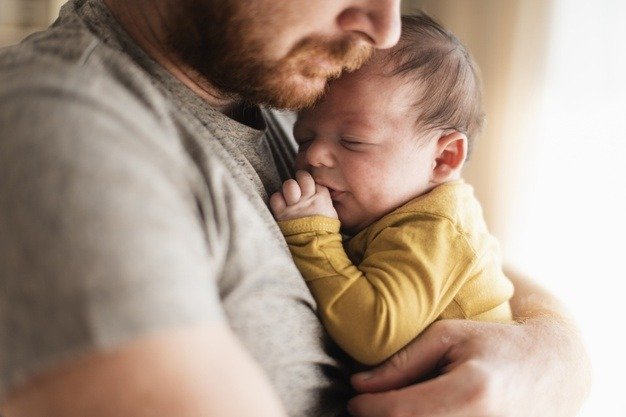
A new study from the University of East Anglia (UEA) has found that infants with heightened sensory sensitivity, including those at increased likelihood of autism, experience shallower deep sleep even in quiet environments.
Researchers examined the relationship between sleep and sensory sensitivity, a trait common in neurodivergent infants. They found that babies with high sensory sensitivity experienced significant disruption to deep sleep when napping in a noisy environment. Even in a quiet room, however, these infants slept more lightly, indicating that both sensory processing differences and environmental factors influence sleep quality.
The findings offer insight into why some babies may struggle to achieve restorative sleep, with potential implications for early brain development and emotional wellbeing.
Professor Teodora Gliga, from UEA’s School of Psychology, who led the study, said: “Many parents tell us their baby seems ‘easily bothered’ by sounds or sensations and we are now beginning to see how that sensitivity can affect their sleep.”
“By monitoring babies’ brainwaves, we could see clear differences in how deeply infants slept in response to sound.”
“More sensitive infants didn’t spend less time in deep sleep; their deep sleep was simply shallower. The slow waves that define this stage were smaller and weaker, showing that while the duration was similar, the depth and quality of their sleep were reduced.”
“Our results show that even everyday sounds can make it harder for some babies to stay in deep sleep, especially those with naturally heightened sensory responses.”
Some infants in the study were at higher likelihood of developing autism because they had an older autistic sibling. This classification reflects increased familial likelihood rather than diagnosable features in infancy.
Dr Anna de Laet, first author of the study and now at King’s College London, said: “Autism is a highly heritable condition. We included infants both with and without an older autistic sibling to capture a wide range of sensory sensitivities, which are common in autism and emerge early in development, often well before a diagnosis is possible.
“These sensitivity traits don’t mean a baby will develop autism, which we can’t diagnose reliably before the age of three, but they help us study how early sensory differences might shape sleep in infancy.”
The research involved families visiting the UEA sleep lab, where each baby completed two naps: one in a quiet room and one in a room with gentle beeps played every few seconds at a volume similar to normal conversation. Researchers used polysomnography to measure brain activity and assess sleep depth under both conditions. Parents also completed questionnaires about their baby’s behaviour and sensory sensitivities, allowing researchers to examine links with sleep patterns.
A total of 41 babies aged 8–11 months were included in the final analysis. Some sources report that 44 participants initially took part.
Professor Gliga said: “Reducing noise may help particularly sensitive babies, but it’s not enough on its own. Their sleep was still shallower in quiet environments.”
“Good sleep is vital for brain development and emotional well-being, so understanding these differences is key to providing better support for families.”
The authors call for further research into ways to support deeper sleep in these infants, including strategies that may enhance the brain’s ability to filter sensory input during sleep.
The study, funded by Wellcome and titled Sound asleep: Sensory decoupling during sleep depends on an infant’s sensory profile, is published in the journal Sleep.