

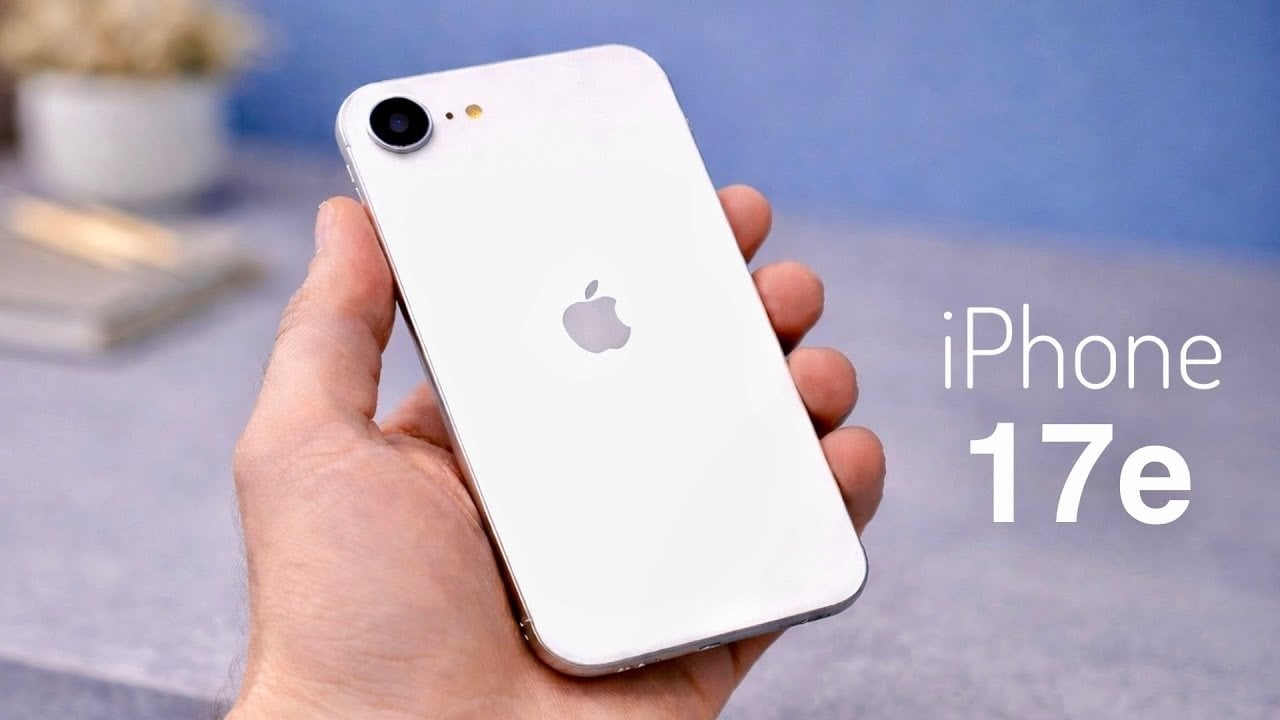
Apple is gearing up for the release of the iPhone 17e, a move that could signify a pivotal change in its approach to budget-friendly smartphones. Reports indicate that the iPhone 16e, launched just a year ago, may be discontinued entirely. If accurate, this decision would mark a departure from Apple’s long-standing strategy of keeping older models available at reduced prices. Such a shift could redefine how Apple manages its affordable smartphone lineup, impacting pricing structures, inventory practices, and consumer expectations.
By focusing on a new model while retiring its predecessor, Apple may be signaling a more streamlined approach to its budget-tier offerings. This potential strategy raises questions about how the company plans to balance affordability with innovation in an increasingly competitive market. The video below from Tech Town gives us more details about the new iPhone 17e.

iPhone 16e: A Short-Lived Model?
The iPhone 16e, part of Apple’s E-series designed for budget-conscious buyers, appears to be on the verge of an early exit. Historically, Apple has maintained older models in its lineup to provide a range of price points for consumers. However, reports of inventory shortages suggest that the iPhone 16e could be discontinued entirely upon the launch of the iPhone 17e.
This would represent a notable shift in Apple’s strategy, as it would eliminate the overlap between E-series generations. For consumers, this could mean fewer options for affordable entry points into the Apple ecosystem. While this approach might simplify Apple’s product lineup, it could also limit choices for those seeking lower-cost alternatives without compromising on quality.
Is an Annual E-Series Release Cycle Emerging?
The rumored discontinuation of the iPhone 16e raises broader questions about Apple’s product strategy. The introduction of the iPhone 17e, coupled with the retirement of its predecessor, suggests that Apple may be moving toward an annual release cycle for its E-series devices. This approach would mirror the strategy used for its flagship models, where new iterations are introduced each year.
For budget-tier devices, adopting an annual release cycle would represent a significant departure from Apple’s traditional practices. Historically, the company has relied on older models to provide a diverse lineup catering to a wide range of price-sensitive buyers. While an annual cycle could streamline offerings and ensure that budget devices feature the latest technology, it might also reduce consumer choice. Buyers accustomed to selecting from multiple generations of devices may find fewer options available, potentially impacting Apple’s appeal in the budget segment.
Pricing Strategy: A New Approach?
If Apple adopts an annual release cycle for its E-series, its pricing strategy could undergo significant changes. By discontinuing older models, Apple might position the latest E-series device as the sole budget-friendly option in its lineup. This could simplify pricing across its product range, making sure consistency and clarity for consumers.
However, such a strategy could also have unintended consequences. The absence of older models at reduced prices might drive demand in secondary markets, where discontinued devices like the iPhone 16e could become highly sought-after alternatives. For consumers unwilling to pay for the newest release, the secondary market may offer a more attractive option, potentially creating a new dynamic in how Apple’s budget devices are perceived and accessed.
Streamlining Inventory Management
This potential shift in strategy may also reflect changes in Apple’s approach to inventory management. By limiting the production and availability of older models, Apple could streamline its supply chain and reduce costs associated with maintaining multiple generations of budget-tier devices.
This focus on operational efficiency aligns with Apple’s broader business priorities. Simplifying its product lineup could help the company optimize manufacturing processes, reduce logistical complexities, and improve overall profitability. However, this approach may come at the expense of consumer choice. For those seeking affordable entry points into the Apple ecosystem, the lack of overlap between E-series generations could be seen as a drawback, potentially influencing purchasing decisions.
What Does This Mean for Apple’s Product Strategy?
The anticipated changes to the E-series lineup suggest that Apple may be rethinking its approach to the budget smartphone market. By focusing on a single, annually updated model, Apple could simplify its product offerings while maintaining its reputation for delivering high-quality devices.
However, this strategy is not without risks. Consumers may perceive the lack of overlap between generations as a reduction in value or choice, particularly if the latest E-series device does not meet their specific needs. Additionally, the absence of older models at lower price points could make Apple’s budget-tier offerings less competitive compared to rival brands that provide a wider range of options.
As Apple continues to refine its product strategy, its decisions in the budget segment will play a critical role in shaping the future of its affordable smartphone offerings. The iPhone 17e’s launch, coupled with the potential discontinuation of the iPhone 16e, could set the tone for how Apple balances innovation, affordability, and consumer expectations in the years to come.
Here are additional guides from our expansive article library that you may find useful on iPhone 17e.
Source & Image Credit: Tech Town
Filed Under: Gadgets News
Disclosure: Some of our articles include affiliate links. If you buy something through one of these links, Geeky Gadgets may earn an affiliate commission. Learn about our Disclosure Policy.