

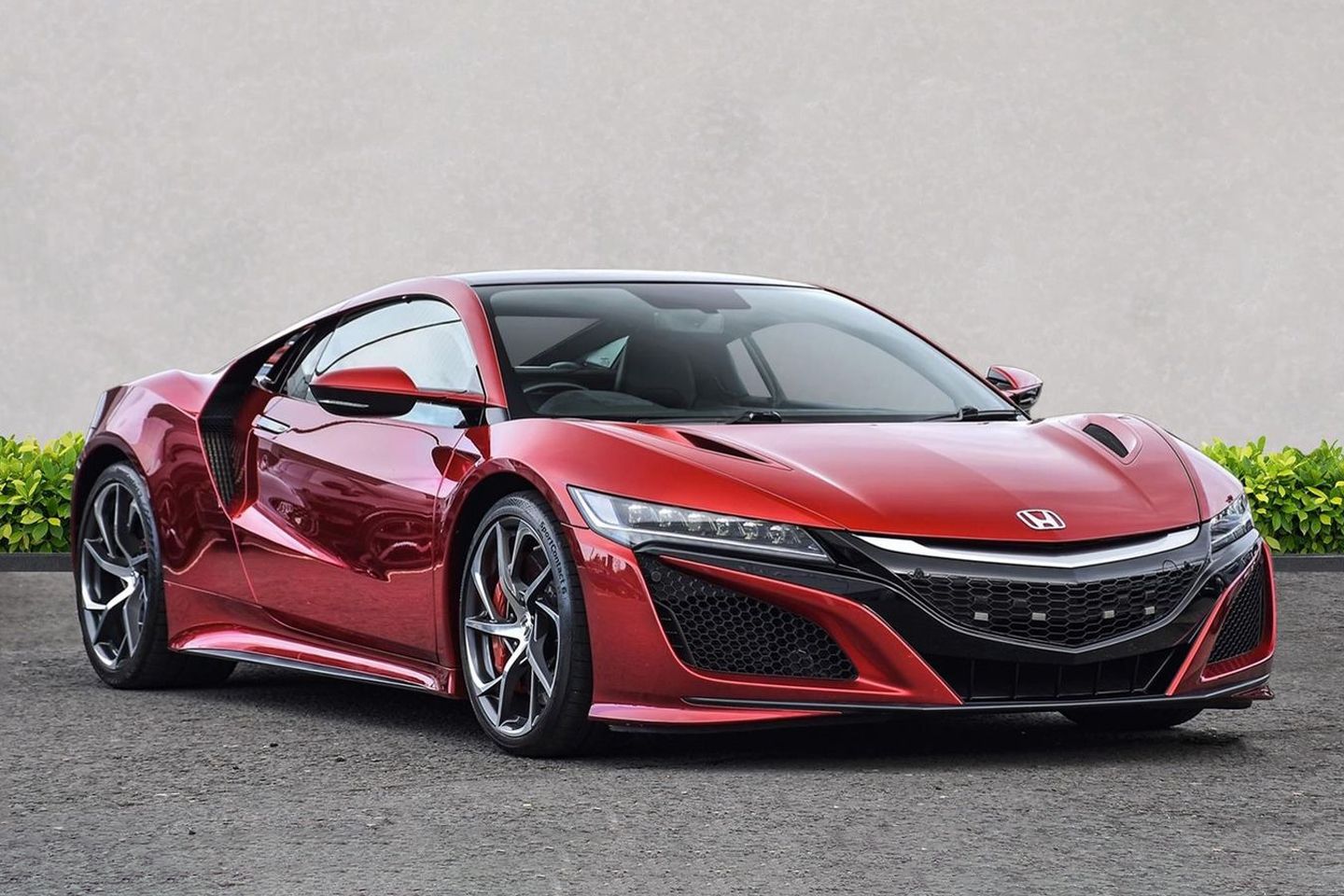
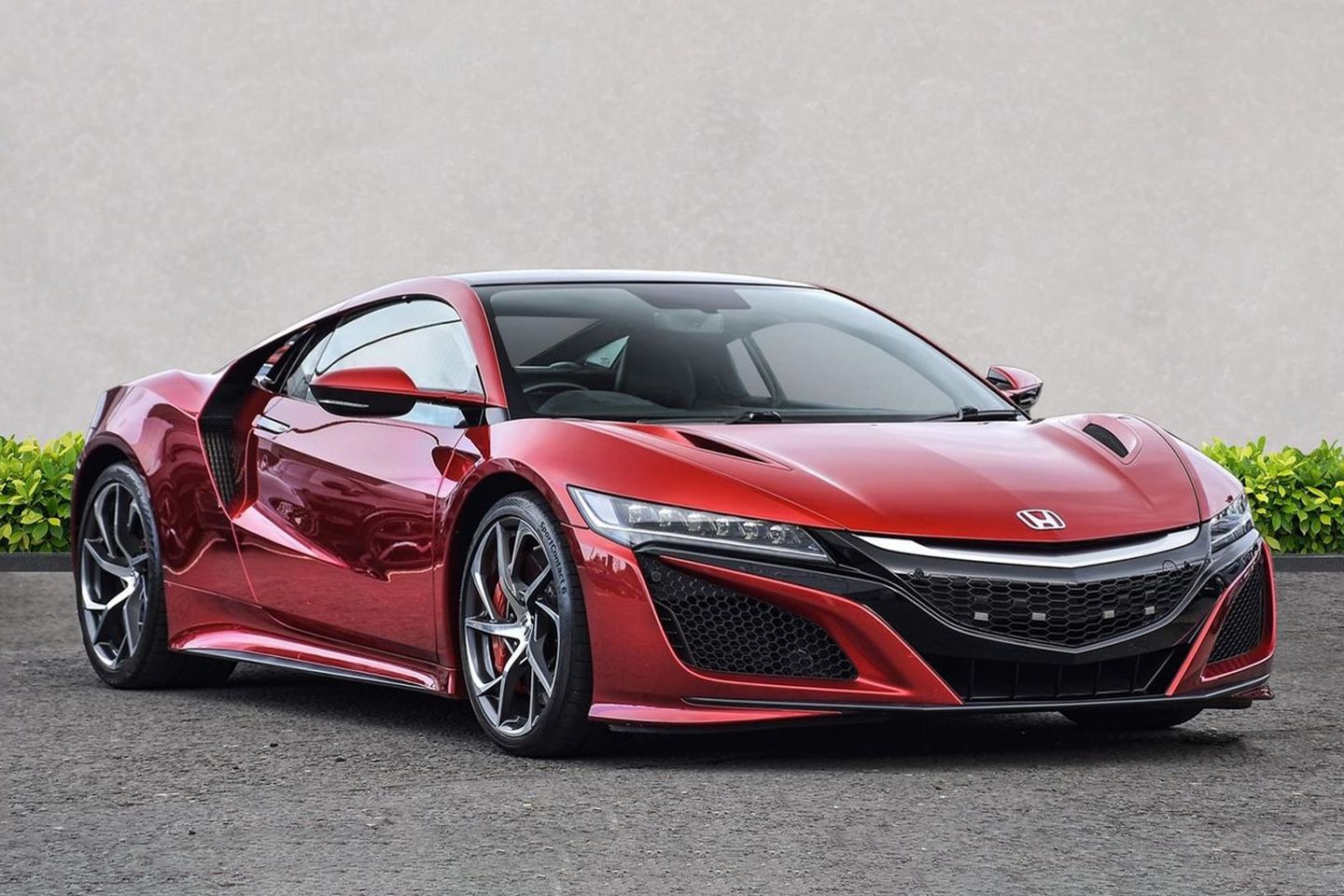
The NC1 had the rotten luck of following a legend. Probably it would have been impossible for Honda to have delivered a car worthy of its lightweight ‘90s blueprint, yet that’s the car its fanbase yearned for. Instead, the firm veered in what seemed like the opposite direction, giving us a twin-turbo V6, three electric motors and a nine-speed DCT instead. One mostly developed in North America – and built there, too.
This did not do much to soften the ground. The original NSX was not an instant success itself, yet it became one of those fixed points for enthusiasts: Senna lore, all-aluminium engineering, pop-culture immortality, the lot. Its lifespan was famously long too; ditto the length of time that Honda pondered a replacement. When the production car finally arrived in 2016, it was nothing like the old one in character. That was the problem for some people, and the point of it for Honda.
On paper, it still stacks up well. The NC1, you will hardly have forgotten, boasts a 3.5-litre twin-turbo V6 with three electric motors, permanent four-wheel drive, and a total output of 581hp and 476lb ft. Honda said it would do 191mph and was therefore worthy of its position alongside the likes of the Porsche 911 Turbo and McLaren 570S, perhaps overlooking the fact that most buyers in that bracket don’t usually reward cleverness for its own sake, no matter how famous the nameplate.

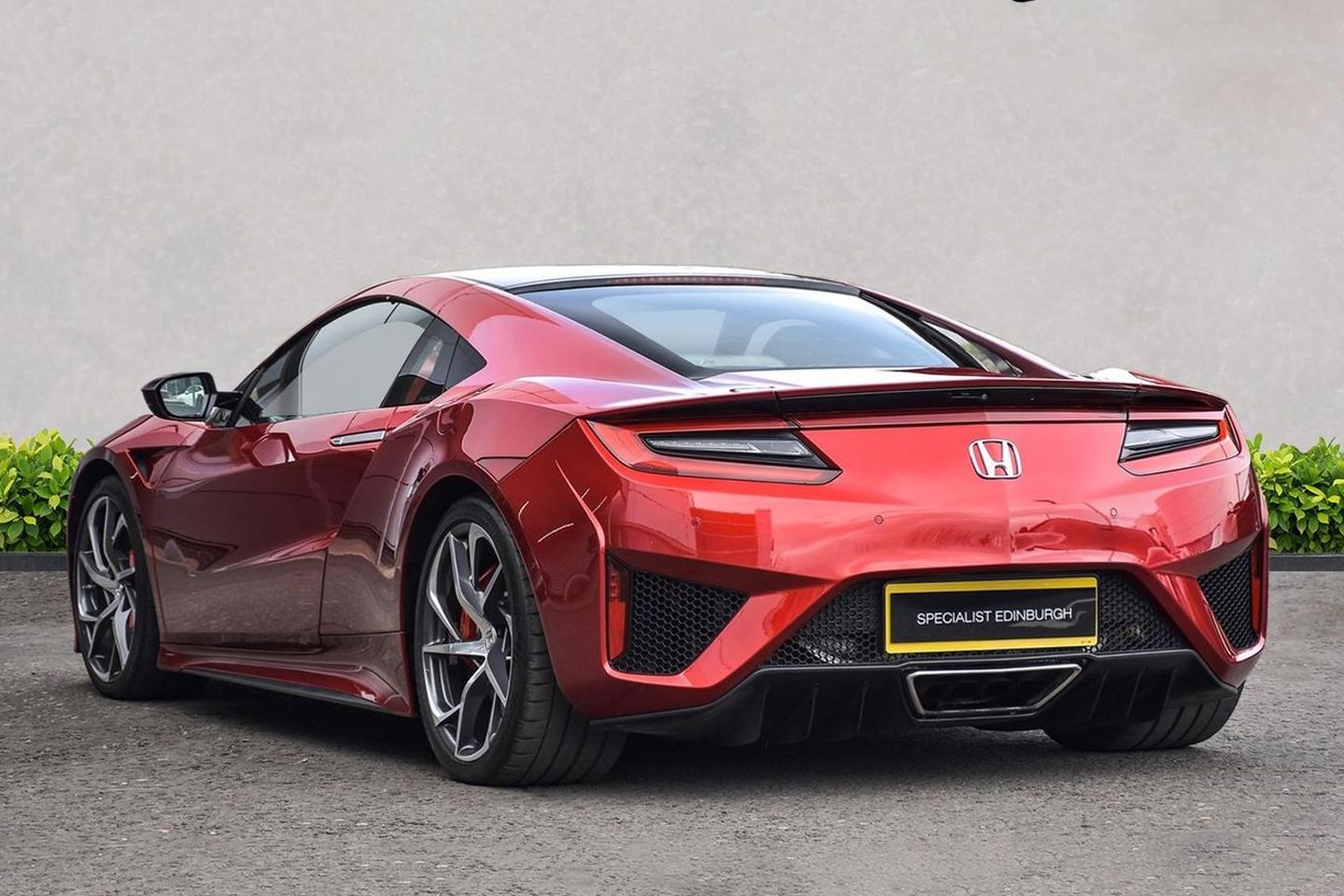
PH covered the NSX at the time, and the verdict was never that it was bad. Quite the opposite. Road tests tended to praise the traction, the way it deployed its performance and the sheer bandwidth of the thing. But there were significant reservations: the steering wasn’t class-leading, the gearbox could feel busy at low speeds, and the cabin didn’t quite deliver the sense of occasion the price suggested. There’s also not much luggage space, which matters more on a grand tour than it does in a brochure.
Worse, of course, was the lack of mechanical finesse. The old NSX was as analogue as a wind-up clock, and its excellence originated there, like spring water from the foot of a mountain. The new one was massively cleverer by default, yet a different thing entirely – which meant any comparison felt like measuring a desktop computer against the Apollo Lunar Module. Sure, it was demonstrably superior at some tasks, but also sorely lacking in machine-powered charm.
The response bore out this shortfall. Honda (and Acura) built 2,908 second-generation NSXs worldwide between 2016 and 2022, including the final Type S. That’s tiny by modern performance-car standards, making the model a very sight in the UK. Typically, such rarity, combined with a famous name, would ensure extremely robust prices – but as the subject matter of today’s spotted shows, you can buy a lightly used one for less than £90k. Which is £10k less than one would’ve cost you a few years ago.
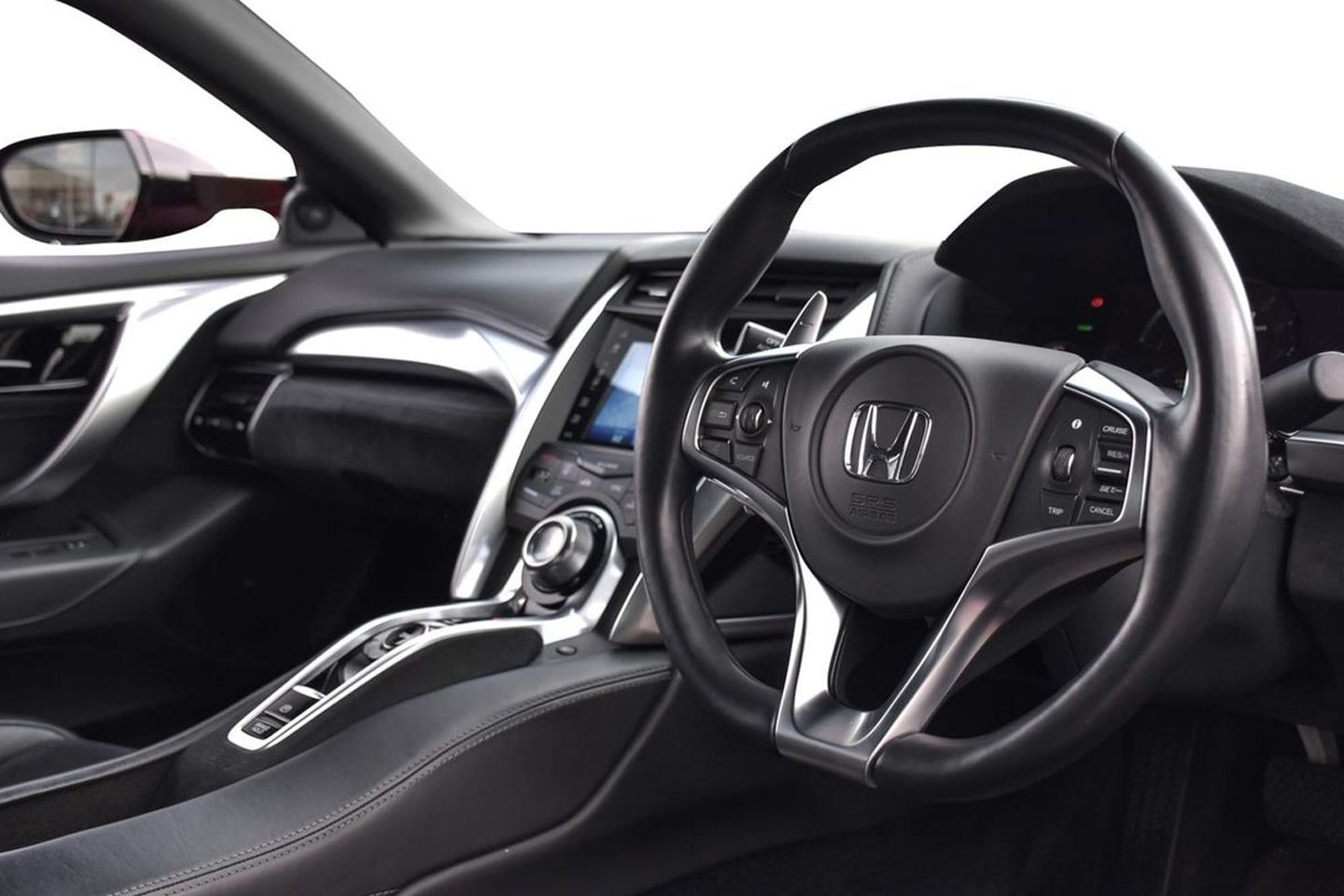
Still a chunk of change when you consider its rivals, many with much larger, more exciting engines. But time, at last, is starting to do its thing. The NC1 seems less like a failed tribute act and more like a precursor to what so many other supercar makers now regard as fertile territory – new models that mix and match six-cylinder engines with electric motors are now two a penny. And you could reasonably argue that the Honda’s power output and price secondhand are much better suited to the real world than any of them.
That doesn’t mean you won’t have to make a similar sacrifice in terms of noise compared to say, a secondhand V10-powered Audi R8, but opportunities to buy one of those are numerous. The NSX is arguably a superior head-turner in 2026, bolstered by the fact that Honda has failed to follow it up. It will remain rare forever. Which means in the fullness of time, it might just be regarded as cool, too. Wanna bet on it?