


ARTICLE – Meta’s VR headset cycle has always felt predictable. New chip, slimmer lenses, slightly less bulk strapped to your face, then a press event where someone says “our most immersive Quest yet.” The Quest 4 breaks that rhythm completely. What’s taking shape inside Reality Labs looks less like a refresh and more like a hard reset of what a Quest headset even means.
Price: $499.99
Where to Buy: Meta
So the real question isn’t what specs the Quest 4 will carry. It’s whether Meta can keep its install base interested long enough to actually ship it.
Add The Gadgeteer on Google Add The Gadgeteer as a preferred source to see more of our coverage on Google.
ADD US ON GOOGLE
1. The release date keeps sliding
Early rumors pegged the Quest 4 for a late 2026 launch, following Meta’s usual October window. That timeline looks increasingly unlikely. Leaker Luna and reporting from UploadVR now point to 2027 or even 2028. If you’ve been holding out for a holiday 2026 drop, that wait got longer.
The delay traces back to a messy reshuffling at Meta Reality Labs. Priorities have bounced between standalone headsets, lightweight mixed reality glasses, and smart eyewear, sometimes within the same quarter. You can feel the indecision in the product gaps. The Quest 3S sits as Meta’s current-gen option, and while it still feels capable for its price, that holding pattern won’t last forever.
2. The codenames tell a messy story
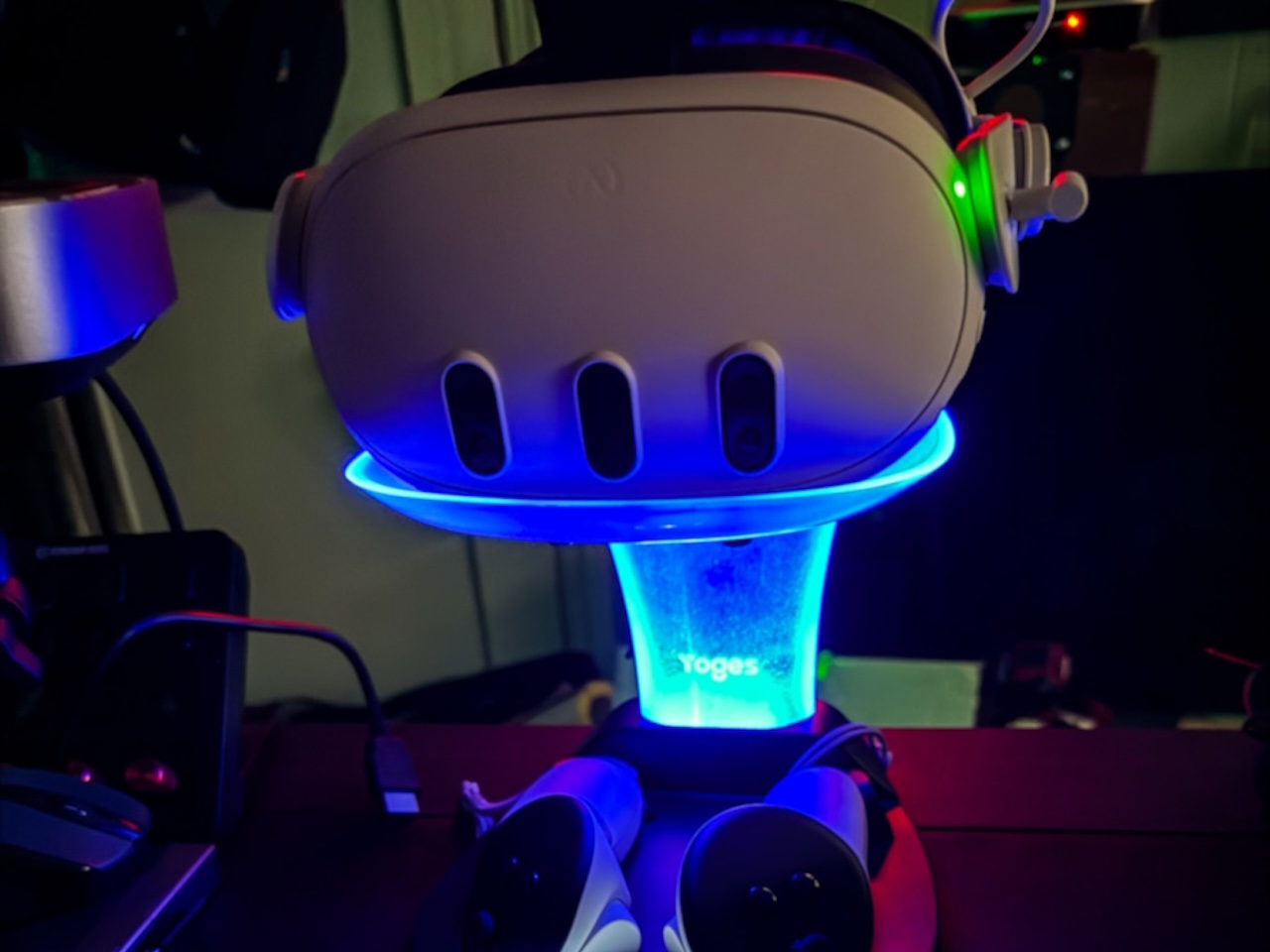
Meta’s internal roadmap hasn’t been a clean line from Quest 3 to Quest 4. The project originally split into two codenames: Pismo Low for a budget tier and Pismo High for a premium model. Both got shelved. Meta later restarted work under the codename Griffin. That tells you the company didn’t pause development. It rebooted it.
Separately, a lighter mixed reality headset codenamed Puffin (also called Phoenix) surfaced in leaks. This one offloads both processing and battery to a pocket-sized external puck, dropping the headset weight to a reported 110 grams. It’s a tethered approach like the Apple Vision Pro, though Puffin goes further by moving the processor out of the headset entirely.
UploadVR’s reporting suggests the ultralight headset targets the first half of 2027, with the Quest 4 landing no earlier than the second half. Meta has internally floated “Quest Air” for the lighter device. If you look at it closely, this isn’t one product line anymore. It’s two.
3. The display specs point to 4K Micro-OLED
Leaks consistently point to 4K Micro-OLED panels, a real step up from the Quest 3’s dual LCD setup at 2064 x 2208 per eye. Micro-OLED brings deeper blacks, sharper contrast, and faster pixel response. You notice the difference immediately in dark environments and mixed reality passthrough, where LCD panels wash out edges and lose shadow detail.
It’s the same display tech inside the Apple Vision Pro. Micro-OLED panels are expensive to produce at scale, which partly explains the expected price jump. Meta following that path makes sense for visual quality, but the Quest 4’s floor price won’t look anything like what brought millions into VR with the Quest 2.
4. Eye and face tracking should be standard
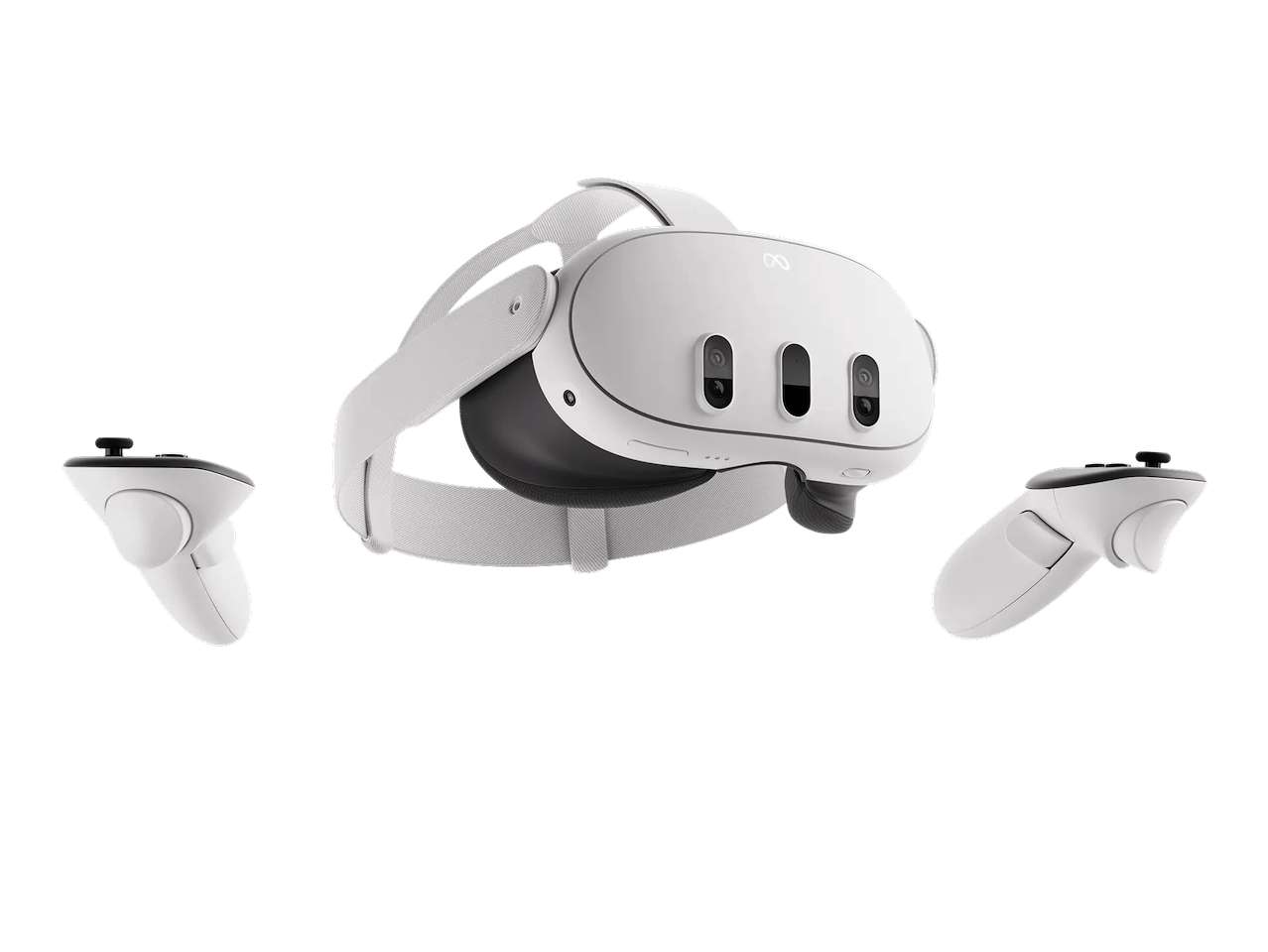
The Quest Pro introduced eye and face tracking in 2022, but those features never reached the mainline Quest series. That changes with the Quest 4. Multiple sources indicate both will come standard, and that’s a welcome shift after years of treating tracking as a premium add-on.
Eye tracking enables foveated rendering, where the headset fully renders only what you’re looking at and relaxes the GPU on your peripheral vision. Cleaner visuals without a massive chip upgrade. Face tracking fixes the blank-avatar problem in social VR, making lip sync and expressions feel closer to natural conversation. If Meta can miniaturize those sensors for a slimmer frame, that’s a clean engineering win.
5. Expect a higher price tag
Meta heavily subsidized the Quest 2 and Quest 3, selling hardware at or below cost. That strategy appears to be winding down. Reports suggest the Quest 4 will carry a higher price than the Quest 3’s $499 launch point, with some rumors floating figures around $800.
The $299 entry-level headset that brought millions into VR is probably gone for good. You won’t forgive a plastic-heavy build at $800 the way you did at $299. That pressure falls squarely on display quality, tracking, and comfort.
6. The design specs suggest ski goggles, not bricks
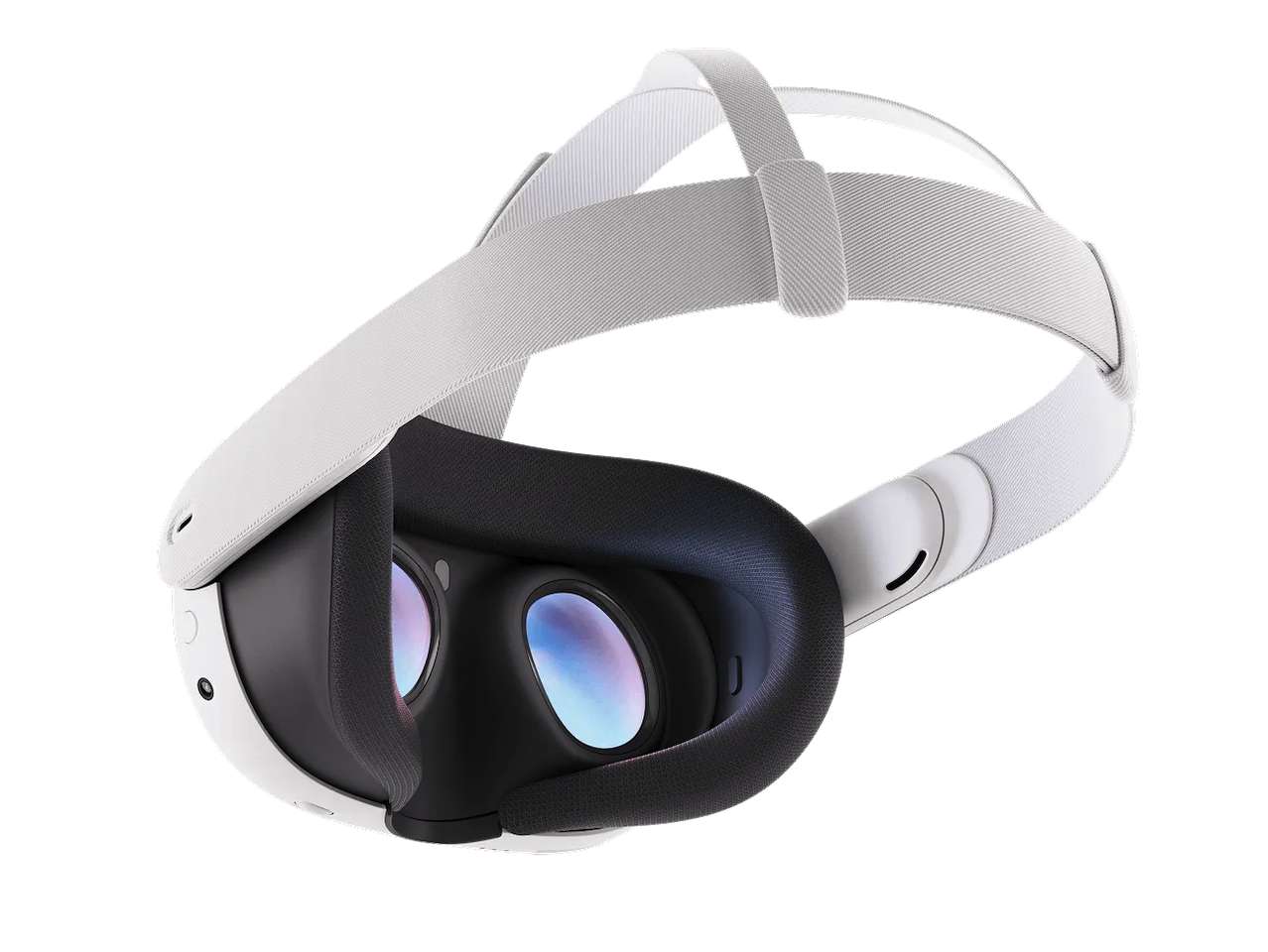
Meta Reality Labs showed off a prototype with a goggle-like form factor and a claimed 180-degree field of view. A slimmer build combined with Micro-OLED could make the Quest 4 feel closer to ski goggles than the chunky headsets we’ve been strapping on for years. Comfort is the single biggest factor in whether someone actually uses a VR headset after the first week, and if Meta nails this, the Quest 4 could be the first Quest people genuinely forget they’re wearing.
7. Competition is heating up
Valve’s Steam Frame is coming, a standalone headset running SteamOS with access to Steam’s massive game library. For PC gamers who already own hundreds of Steam titles, that’s a hard pitch to ignore. Asus is building the ROG Tarius on Meta’s own Horizon OS, and leaked specs suggest it could ship with eye and face tracking before the Quest 4 does. That’s an awkward look for Meta.
Samsung’s Galaxy XR (originally codenamed Project Moohan) runs Android XR, adding Google to the operating system fight. Apple’s Vision Pro keeps setting the technical bar at every tier. The Quest 4 won’t just need to be good on its own terms. It’ll need to justify its place in a market that looks nothing like the wide-open field Meta enjoyed when the Quest 2 launched in 2020.
8. Meta’s CTO says it’s still happening
After “Quest 4 is canceled” headlines hit in mid-2025, CTO Andrew Bosworth pushed back in an interview, referencing two “officially leaked” devices still on the roadmap. The confusion was understandable. Meta canceled the Pismo prototypes, cut around 10% of Reality Labs staff in early 2026, and posted over $6 billion in quarterly losses for the division.
What Bosworth described was a company rethinking its approach, not retreating. The Ray-Ban Meta smart glasses have been a commercial bright spot, and VR is sharing the stage with a broader set of wearable devices. That redistribution of focus is what slowed the Quest 4 down. For now, the smartest move is to watch the codenames, keep an eye on Valve and Asus, and resist reading every internal memo as a death notice.
Who this is for
Current Quest 3 and Quest 3S owners watching the VR space closely. PC gamers weighing whether to wait or jump to Valve’s Steam Frame. If you care enough about panel tech and foveated rendering to read this far, the Quest 4 is the next hardware conversation worth tracking.
Price: $499.99
Where to Buy: Meta
Who should skip this
If you’re happy with your Quest 3S and aren’t chasing display specs, there’s no urgency. The Quest 4 is at least a year out. Checking back in late 2027 will give you a clearer picture without the noise.
Love our content?
Sign up for our newsletter today.
No ads, no spam, just links to our latest articles!