

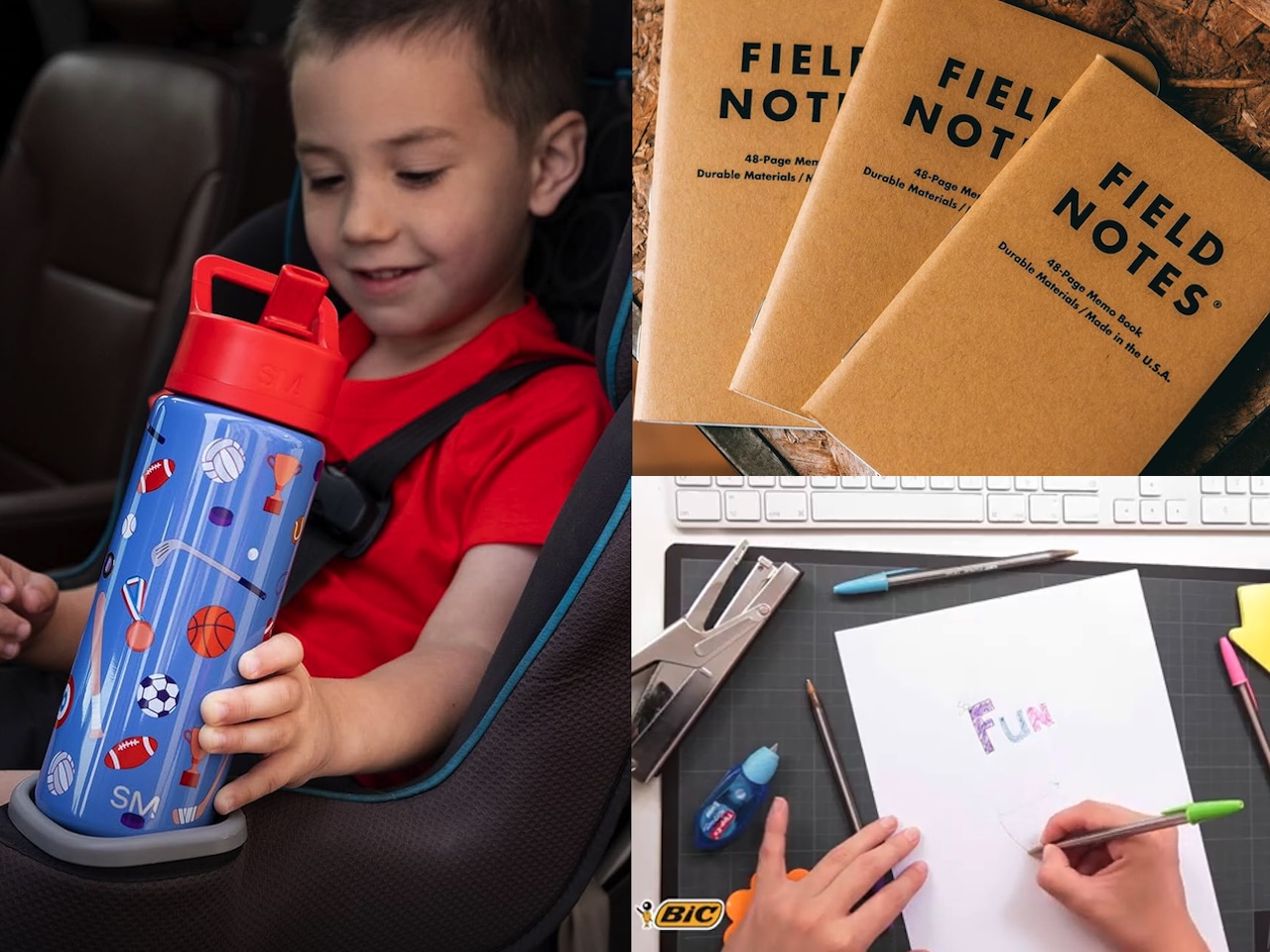
Most adults think kids’ EDC is just smaller versions of what they carry. That misses the point entirely. Kids don’t need tactical pens or multi-tools with 14 functions they’ll never use. They need gear that solves the specific problems they face between recess, homework, and figuring out how to organize their backpacks without losing everything by Friday. The difference isn’t about size or durability alone, it’s about utility that matches a kid’s actual day.
Price: Varies
Where to Buy: Amazon and brand direct stores (see individual items below)
Adults optimize for preparedness. Kids optimize for independence. The gear that works for them isn’t what survives the apocalypse, it’s what helps them feel capable when they’re away from parents, when they forget something at home, or when they just want to feel like they’ve got their act together. That distinction reshapes the entire category.
So the real question is: what gear actually earns a permanent spot in a kid’s pocket or backpack without becoming clutter they ignore?
1. Casio F-91W Digital Watch
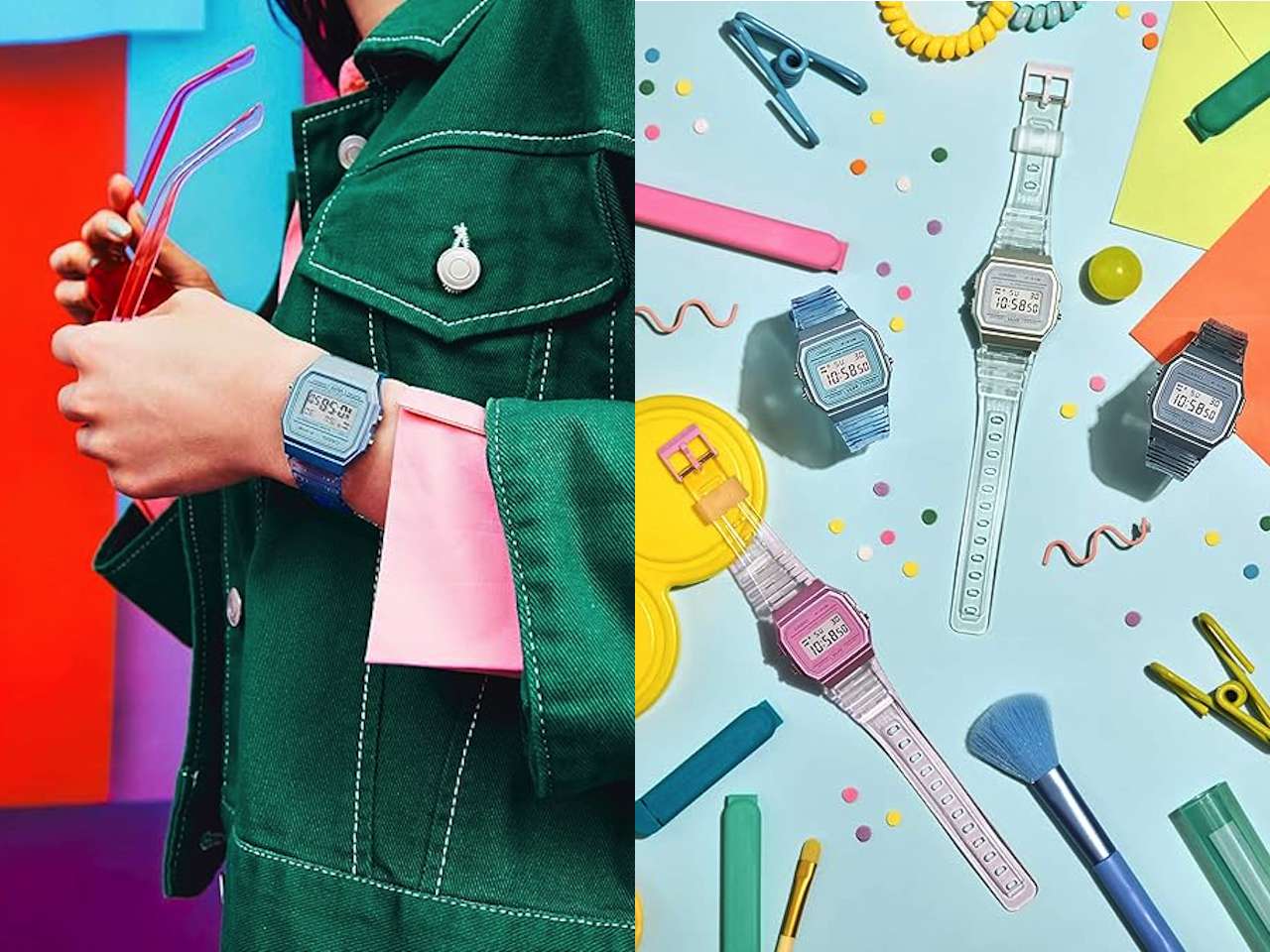 Most kids check their phones for the time, but phones live in pockets or bags during school hours. A watch that’s always visible teaches time management in a way a phone can’t. The F-91W has been in production since 1989 for a reason. It’s indestructible, costs less than most toys, and does exactly one thing reliably: tell time.
Kids who wear watches start managing their own schedules instead of waiting for adults to tell them when to move. The watch becomes a quiet prompt to check how much time is left before the bus arrives, before recess ends, or before they need to head home. That shift happens faster than expected.
The resin case survives drops onto concrete without cracking. The digital display is easier to read at a glance than analog dials for kids still building that skill. Water resistance to 30 meters means it survives handwashing and rain without issue. The battery lasts seven years before needing replacement, which means this watch will likely outlive a kid’s interest in wearing it.
At $20, losing it doesn’t trigger a family budget conversation. That low-stress replacement factor matters more for kids than adults. When gear is affordable enough to replace without drama, kids are more likely to actually use it daily instead of treating it like something precious that lives in a drawer.
Price: $20
Where to Buy: Amazon
2. Nitecore TINI 2 Keychain Flashlight
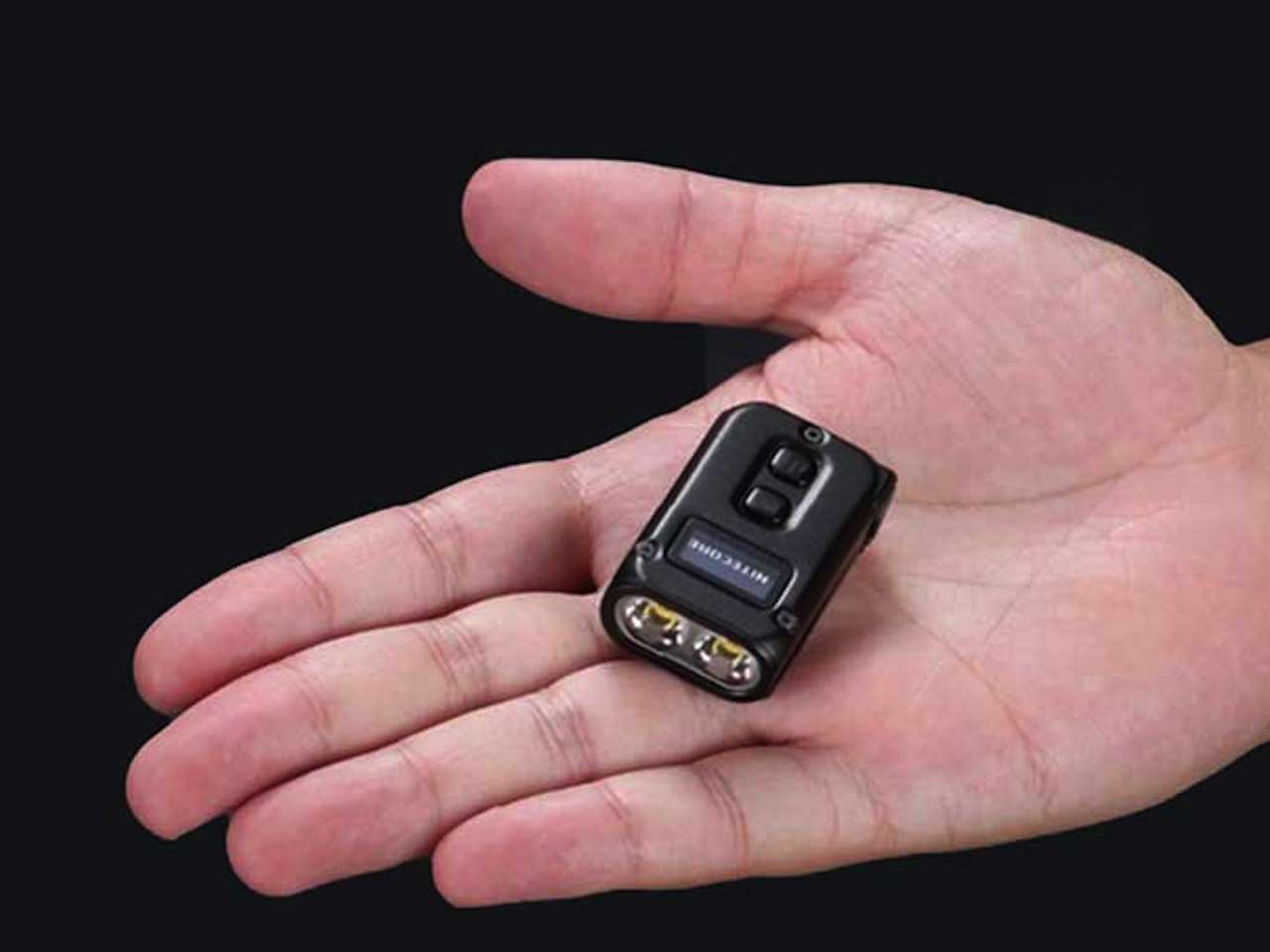 Kids lose things in backpacks, under beds, behind couch cushions, and in dark closets more often than adults realize. A flashlight that lives on a keychain or clips to a zipper doesn’t solve every problem, but it solves enough of them to matter. The Nitecore TINI 2 Keychain Flashlight puts out 500 lumens at its brightest setting, which is serious output for something smaller than a house key.
The OLED screen shows battery percentage and brightness mode, which teaches kids to monitor their gear instead of just using it until it dies. Rechargeable via USB-C means no disposable batteries to replace, and the lockout mode prevents accidental activation in a pocket or bag. These aren’t features marketed to kids, but they’re exactly what makes the light practical for them.
Weight comes in at 18.8 grams for the standard aluminum version, barely noticeable on a keychain. Dual switches allow single-handed operation across five brightness levels, and the beam reaches 89 meters at max output. That range covers everything from searching a dark garage to reading a trail marker after sunset.
Price: $39.95
Where to Buy: Nitecore Store, Amazon
3. Field Notes Pocket Notebook
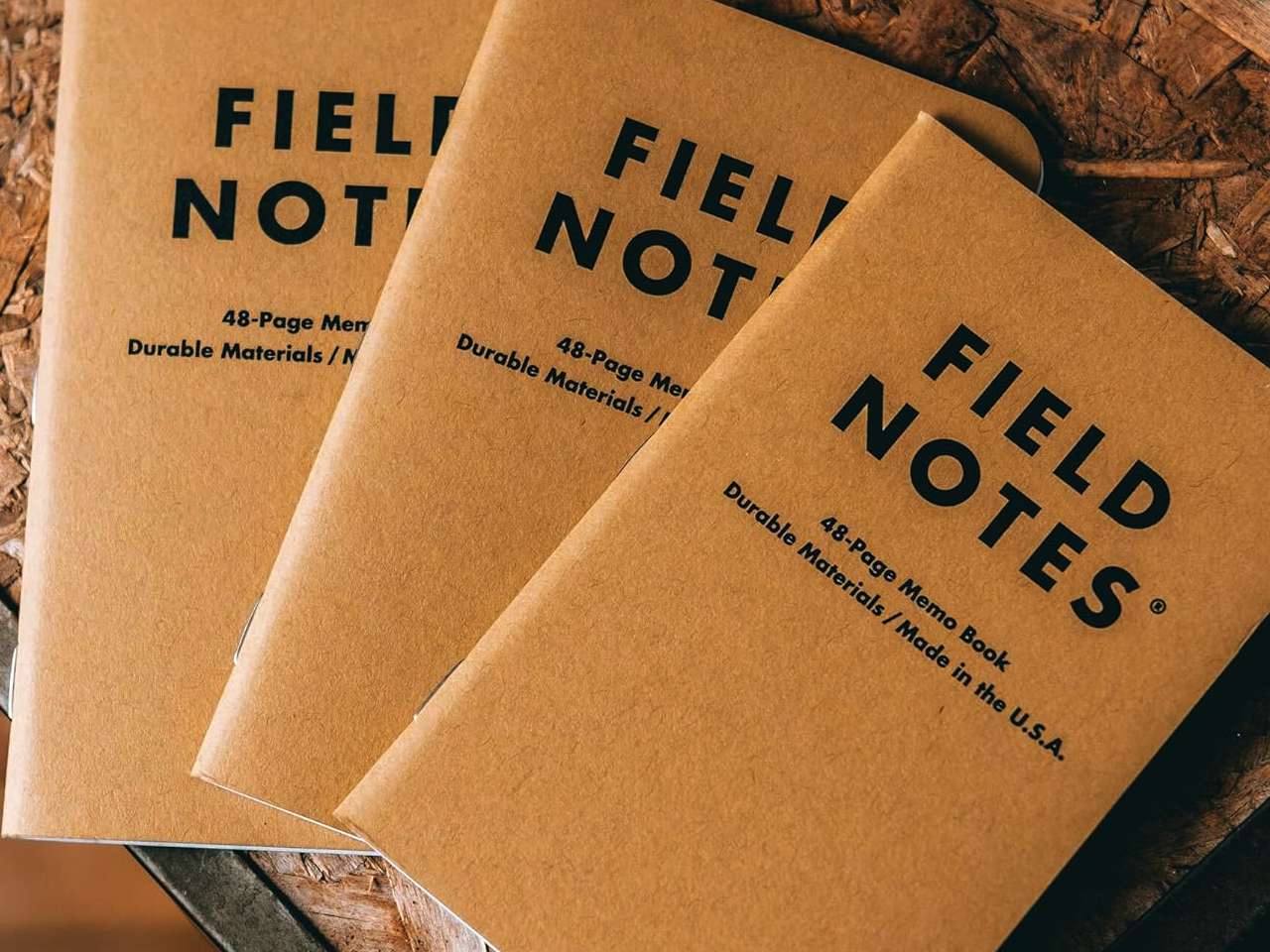 Phones handle most things, but they don’t teach kids how to organize their thoughts on paper. A pocket notebook does. Field Notes measure 3.5 by 5.5 inches, small enough to fit in a back pocket or the front pouch of a backpack without adding bulk. The covers are sturdy kraft paper, the pages take pencil and pen cleanly, and the binding holds up through weeks of being stuffed into bags.
Kids use these for sketching ideas, keeping track of homework assignments, jotting down phone numbers or addresses when Wi-Fi isn’t available, and making lists that help them feel more in control of their schedules. It’s analog and deliberate, which makes it useful in ways that a notes app on a phone isn’t. You notice it most when kids start reaching for the notebook first instead of asking someone else to remember something for them.
The format encourages quick captures, not long journal entries. That’s a good fit for kids who won’t commit to elaborate systems but will use something that’s simple and fast. Field Notes come in different themes and color schemes, which gives kids a sense of ownership over which pack they choose. That small choice matters more than it should.
The price point makes these replaceable without stress. When a notebook fills up or gets lost, grabbing another one doesn’t require parental approval or a budget conversation. That low friction keeps the habit going instead of turning it into a one-time experiment that fades.
Price: $12.95 (3-pack)
Where to Buy: Amazon, Field Notes
4. Simple Modern Water Bottle
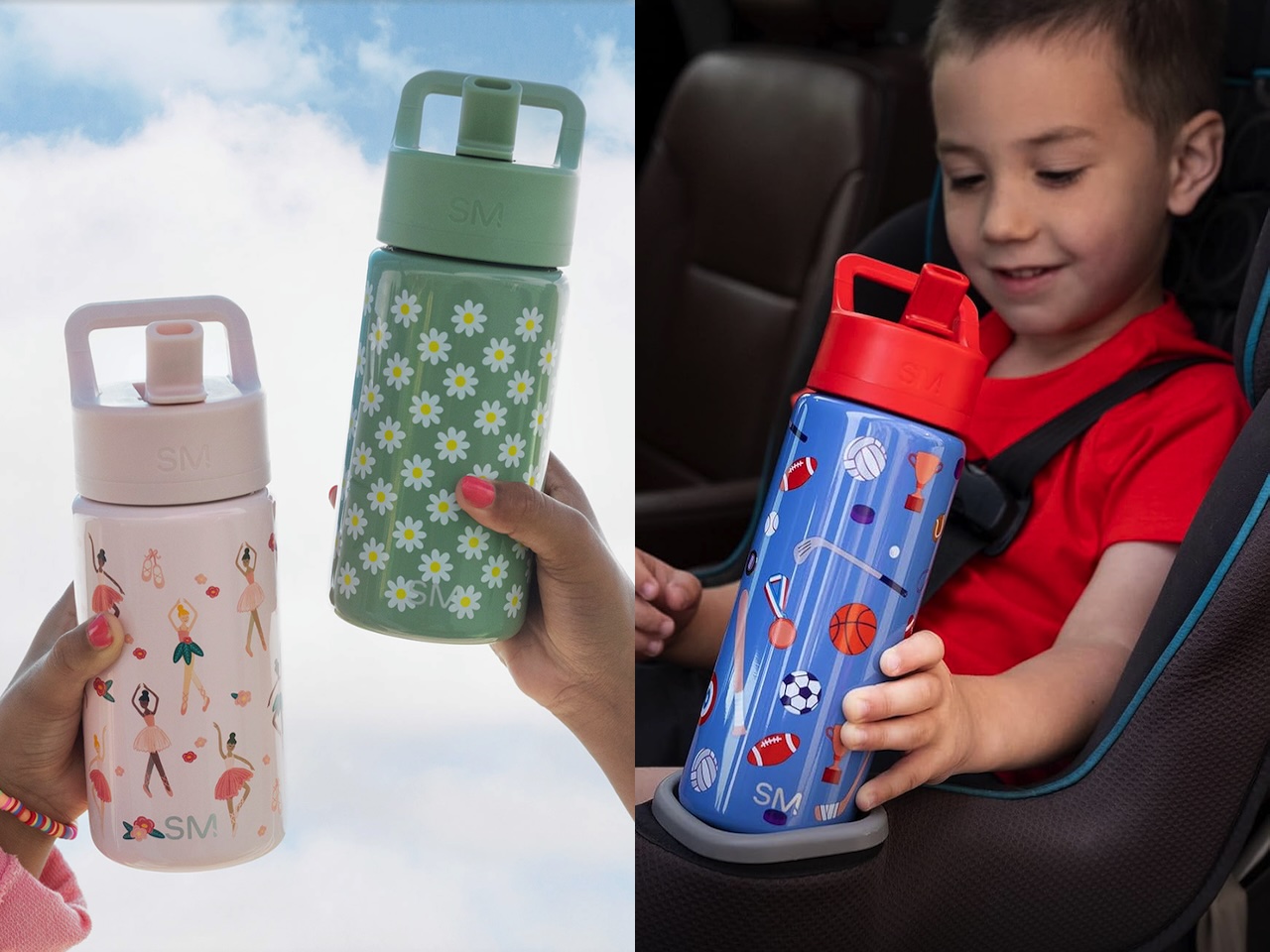 Kids get thirsty between classes, during recess, and after PE class. Schools often have water fountains, but kids who have their own bottles drink more consistently and waste less time in lines. A good water bottle lives in a backpack side pocket and gets refilled throughout the day without requiring thought.
Simple Modern’s bottles use vacuum insulation that keeps water cold for hours, even in a hot backpack or locker. The flip straw lid opens one-handed and stays attached, which matters when kids are juggling books and bags. The powder-coated exterior resists scratches and provides grip even when hands are wet or sweaty.
The 16-ounce size fits standard backpack pockets and cup holders without being too heavy when full. Kids can carry it comfortably all day. Dishwasher-safe components mean cleanup doesn’t become a chore that leads to the bottle being abandoned in favor of disposable plastic.
When kids have consistent access to water, they stay hydrated without needing to ask adults for drinks or hunt for fountains. That small independence adds up. Simple Modern offers dozens of color options, which gives kids ownership over the choice and makes the bottle easier to identify in a pile of gear.
Price: $20 (16oz size)
Where to Buy: Amazon
5. BIC Cristal Xtra Bold Pen
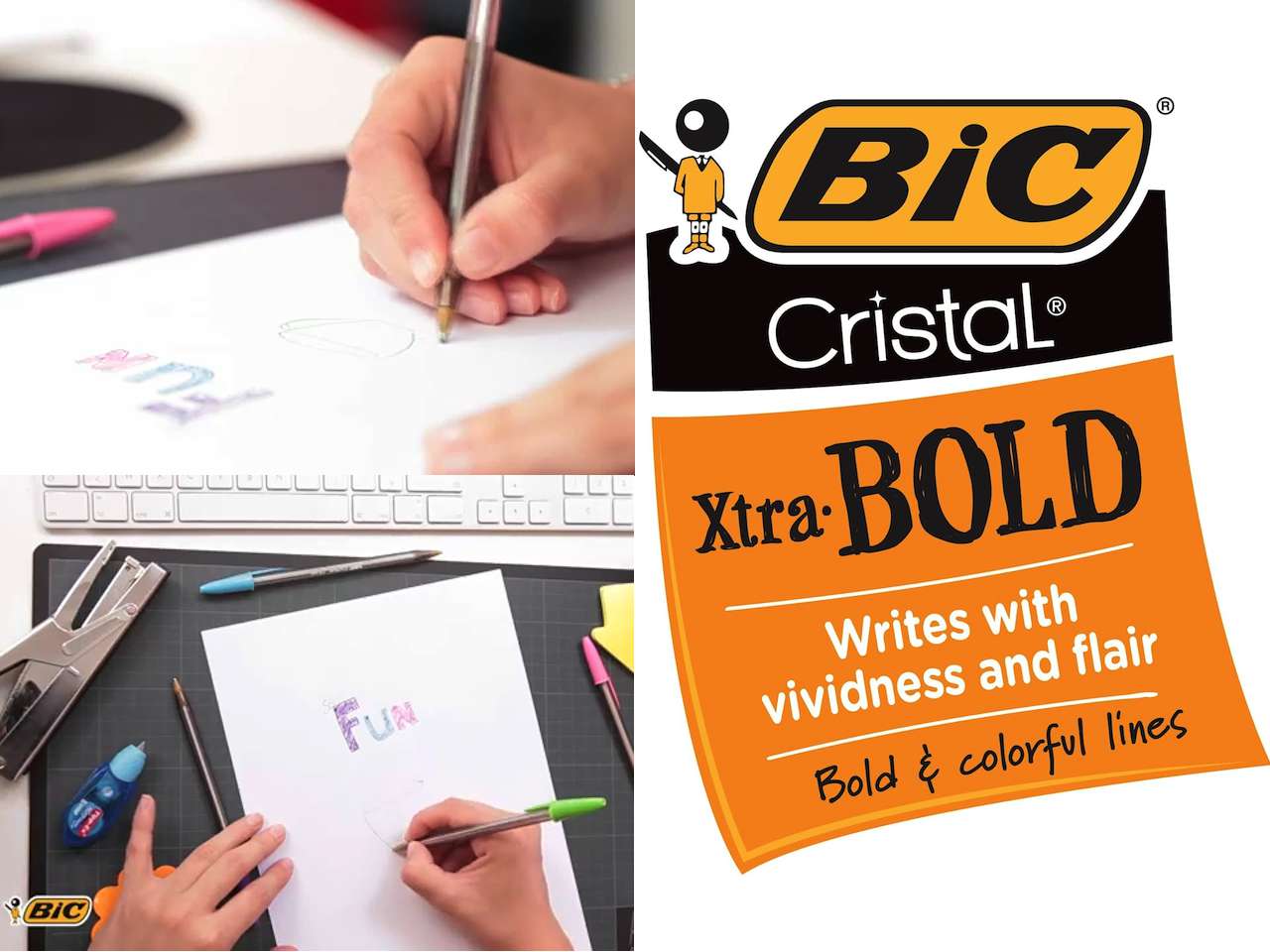 It’s just a pen. But it’s the right pen. The Cristal Xtra Bold writes smoothly without skipping, doesn’t smear easily, and costs so little that losing one doesn’t register as a problem. Kids go through pens fast because they lend them out, drop them, forget them in classrooms, and leave caps off until the ink dries out. This pen accommodates all of that without requiring careful handling.
The bold 1.6mm tip makes handwriting more legible, which matters for kids still developing fine motor control and penmanship consistency. The transparent barrel shows ink levels at a glance, and the hexagonal shape prevents it from rolling off desks constantly. These are small design choices that add up when you’re using the pen daily for homework, notes, and classwork. Assorted color packs give kids options without requiring multiple purchases.
Price: Under $5 (10-pack; prices vary by retailer)
Where to Buy: Amazon, Walmart
6. Herschel Supply Co. Charlie Cardholder
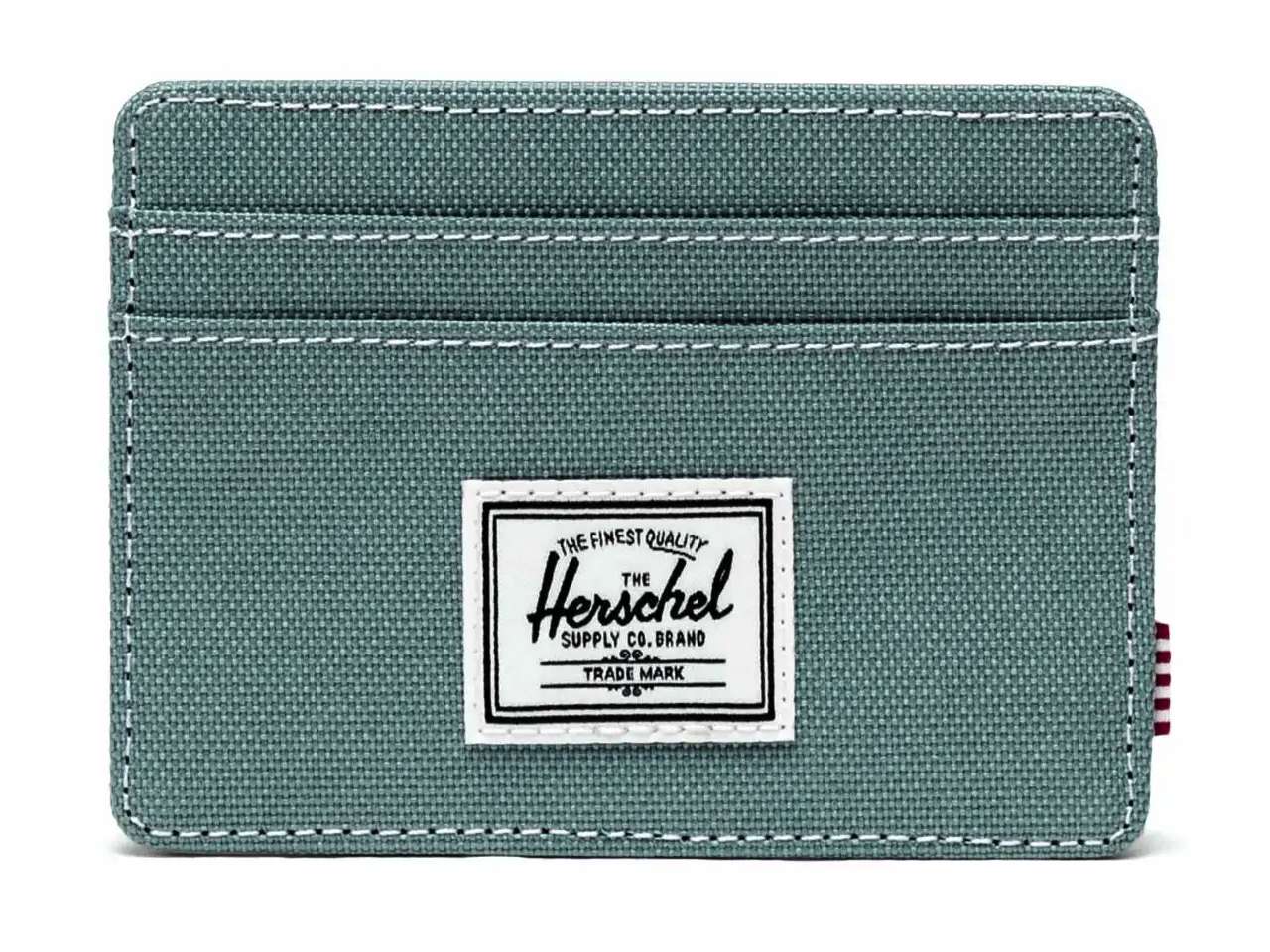 Kids don’t carry wallets the way adults do. They don’t have credit cards, driver’s licenses, or receipts to organize. What they do have is a student ID, a library card, maybe a debit card or gift card, and occasionally some cash. The Charlie cardholder holds all of that in a slim package that fits comfortably in a front pocket without creating bulk.
The RFID-blocking fabric protects against contactless skimming, though that’s more of a future-proofing feature than an immediate concern for most kids. The exterior fabric is durable polyester that resists scuffs and moisture, and the card slots are tight enough to hold cards securely without making them difficult to pull out. Kids appreciate that it doesn’t look like a little kid’s wallet, it just looks like a normal cardholder that happens to fit their needs.
Herschel’s build quality is consistent across their product line. Stitching stays intact through months of daily use, the fabric doesn’t fade or fray quickly, and the slim profile means it doesn’t compete for space with everything else in a kid’s pockets. At this price, it’s affordable enough to replace if lost but well-made enough that replacement isn’t frequent.
When kids have a designated place for their cards and cash, they lose them less often and start paying attention to what they’re carrying. That habit forms early and sticks.
Price: $30
Where to Buy: Amazon, Herschel
7. Band-Aid Tough Strips and Hand Sanitizer
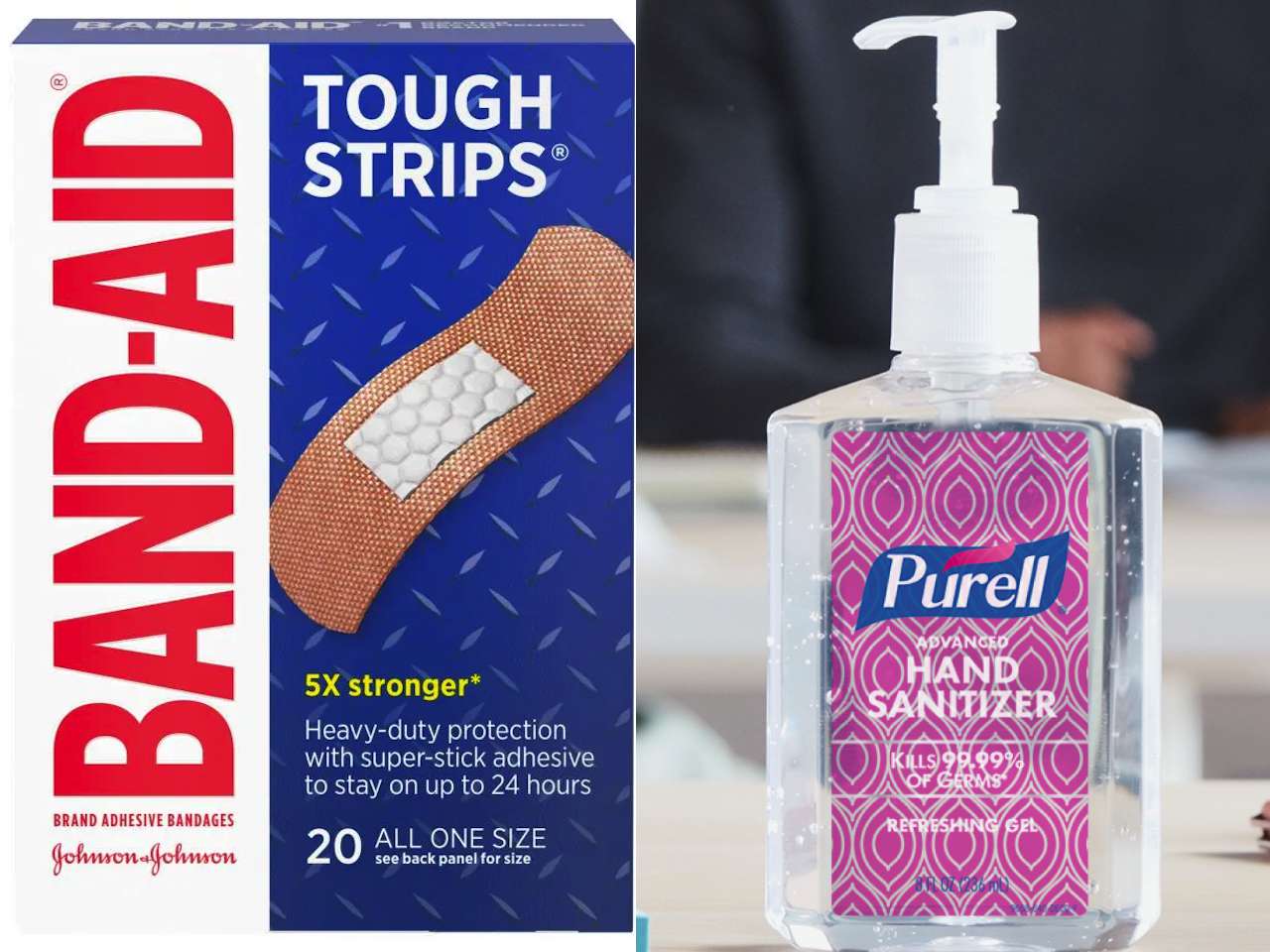 Kids scrape knees, get paper cuts, and touch things that probably shouldn’t be touched. A small zippered pouch with five or six Band-Aids and a travel-size hand sanitizer handles the minor injuries and hygiene situations that crop up constantly without requiring a trip to the nurse’s office or asking an adult for help.
Tough Strips stay on through handwashing and playground activity better than standard adhesive bandages. They’re flexible enough to wrap around fingers and knuckles without peeling off immediately. Kids who can handle their own minor cuts without drama feel more capable, and parents appreciate not getting called about every small scrape.
Hand sanitizer became a baseline expectation after COVID, but it’s useful beyond pandemic precautions. Kids touch playground equipment, bathroom doors, and shared school supplies all day. A 2-ounce bottle clips to a backpack or fits in a pocket without adding weight, and refilling it from a larger bottle at home keeps costs down.
This isn’t emergency preparedness. It’s everyday independence. When kids can clean a small cut and apply a bandage themselves, they stop treating minor injuries like events that require adult intervention.
Price: Under $20 (combined)
Where to Buy: Amazon, Band-Aid
Why This Collection Works
Kids’ EDC isn’t a miniature version of adult preparedness culture. It’s a response to a different set of challenges: disorganization, forgetfulness, dependence on adults for basic problem-solving, and the desire to feel capable in everyday situations. The gear that works for them doesn’t optimize for worst-case scenarios, it optimizes for the predictable small failures that happen when you’re still learning how to manage your own life.
Adults build EDC systems around contingency planning. Kids build them around autonomy. A flashlight isn’t there for emergencies, it’s there so they don’t have to ask someone to find something in a dark space. A notebook isn’t for journaling or productivity systems, it’s for capturing thoughts before they vanish. A cardholder isn’t about financial optimization, it’s about not losing lunch money or a library card for the third time this month.
The category exists because parents recognize that kids benefit from having their own tools, and kids recognize that having the right gear makes daily life less frustrating. It’s not about survival or tactical readiness, it’s about competence and confidence in small doses.
When kids carry gear that actually solves their problems, they start paying attention to what they need versus what they think looks cool. That’s a filtering mechanism that carries over into other areas as they get older.
Who Should Skip This
Kids who aren’t showing interest in managing their own belongings should skip this entirely. EDC only works when the person carrying it sees value in having those tools available. If your kid loses everything constantly and shows no interest in changing that pattern, adding more gear just creates more things to lose. Start with one item and see if they actually use it before building out a full collection.
Families with strict school policies around certain items should check rules before buying. Some restrict water bottles to specific types or don’t allow them in classrooms. Flashlights with high-lumen outputs might raise questions. Know what’s allowed before investing in gear that will sit at home.
Kids under 8 typically aren’t developmentally ready for most of this gear. They’re still building the executive function skills that make EDC useful. Younger kids benefit more from simple routines and adult guidance than from carrying their own problem-solving tools. Wait until they’re asking for more independence before introducing gear that requires consistent responsibility.
Price: Varies
Where to Buy: Amazon and brand direct stores (see individual items above)
The common thread among kids who use this gear isn’t age or personality type. It’s interest. Some 8-year-olds keep track of everything they own. Some 12-year-olds lose three water bottles a semester. What separates kids who benefit from EDC from those who don’t is whether they’ve started caring about managing their own stuff. If that interest is there, the gear reinforces it. If it isn’t, adding more objects just creates more clutter.
Love our content?
Sign up for our newsletter today.
No ads, no spam, just links to our latest articles!

Apple AirPods Pro 3 Wireless Earbuds, Active Noise Cancellation, Live Translation, Heart Rate Sensing,Hearing Aid Feature,Bluetooth Headphones,Spatial Audio, High-Fidelity Sound, USB-C Charging, White
(as of February 7, 2026 22:08 GMT -06:00 – More infoProduct prices and availability are accurate as of the date/time indicated and are subject to change. Any price and availability information displayed on [relevant Amazon Site(s), as applicable] at the time of purchase will apply to the purchase of this product.)