

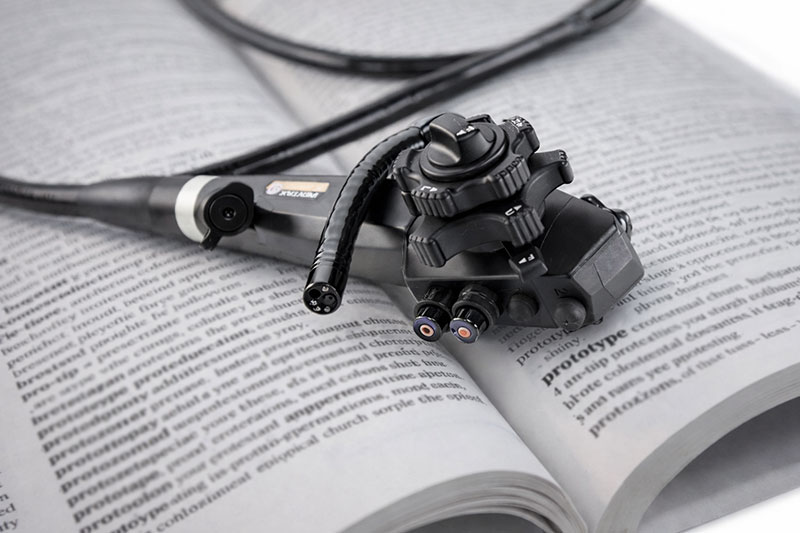
Real World Examples: When the Clinical Trial Device Becomes the First Product
For many early‑stage companies, the devices built for clinical trials inevitably become the first units used in the market. This is not because the design is fully refined or ready for manufacture; far from it. It is simply a commercial necessity. Start-ups need to demonstrate traction early; to get real users interacting with the technology, to test market appetite, and to prove initial revenue streams long before the product is optimised for large‑scale manufacture.
These early devices may not yet reflect the cost, robustness or production efficiencies of a future commercial design. However, they are much more than prototypes. They still need to be clinical‑grade, fully compliant and reliable in real‑world use. After regulatory approval, by manufacturing in low volume and placing these ‘clinical trial devices’ directly into the hands of early adopters, companies can validate core assumptions, capture critical user insights and generate further evidence required to define, and fund, the next iteration of the product.
Start-ups and scale-ups generally accept, and often expect, that their launch product will evolve meaningfully before reaching a stable, higher-volume commercial version. With tight resources and intense pressure to prove market value quickly, they are willing to progress quickly from clinical trials with a device design that achieves regulatory compliance but may still require significant refinement before volume production. Early deployment becomes part of the commercial strategy, not just the regulatory pathway. By deploying these early devices, companies can validate their value proposition, refine their understanding of user needs and gather the evidence required to shape the next generation of the product.
Although these devices are not yet optimised for high volume manufacture, cost efficiency or long-term reliability, they are far more than simple ‘prototypes’. They must still meet clinical-grade expectations, comply with all relevant regulatory requirements and perform consistently in the field.