


Robotaxis to hit the road through partnerships with Uber and Lyft
Life
Image: Baidu
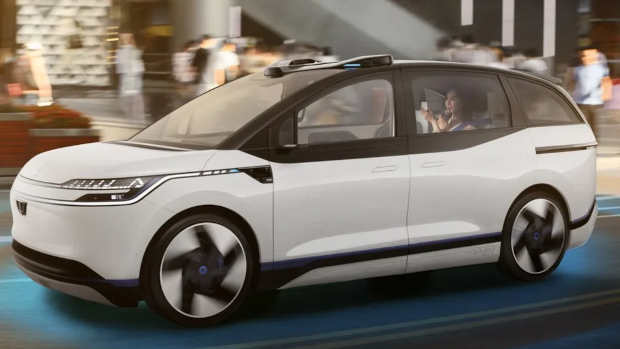
Chinese tech giant Baidu plans to introduce robotaxis in London through partnerships with ride-sharing giants Uber and Lyft. From next year, Baidu’s Apollo Go autonomous vehicles will be available on both platforms, pending regulatory approval. Lyft plans to launch its pilot programme in 2026 with a fleet of several dozen vehicles, which will gradually be expanded to a few hundred. Uber’s first pilot programme is also scheduled for the first half of 2026.
These partnerships expand Baidu’s global footprint, which currently spans 22 cities and more than 250,000 weekly rides. Baidu faces competition from other Chinese players such as WeRide, as well as Western giants like Alphabet’s Waymo, in the race to dominate autonomous driving. The United Kingdom has become a preferred destination for driverless taxi companies following the government’s announcement that it will accelerate the rollout of autonomous vehicle technology on public roads.
The UK aims to launch small-scale robotaxi pilot programmes by the spring of 2026, positioning Baidu as a potential frontrunner. London also has a Vision Zero target to eliminate all serious injuries and road deaths by 2041, with autonomous driving expected to play a crucial role in achieving this ambition.

Baidu’s rival Waymo also has its eye on London for trials, aiming for a full launch in 2026. Waymo is currently operating or planning to operate in 26 markets worldwide, including major cities such as Tokyo and New York.
In the meantime, Baidu has been actively expanding its presence in the US and in international markets such as the United Arab Emirates and Switzerland.
Business AM