

Zhuri solar power station could transmit energy and perform functions such as intelligence gathering
Life
Image: Los Muertos Crew via Pexels
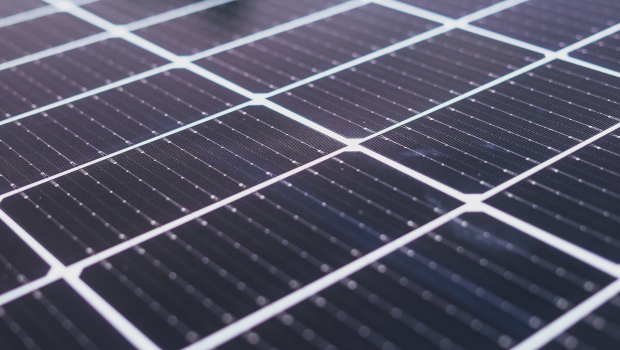
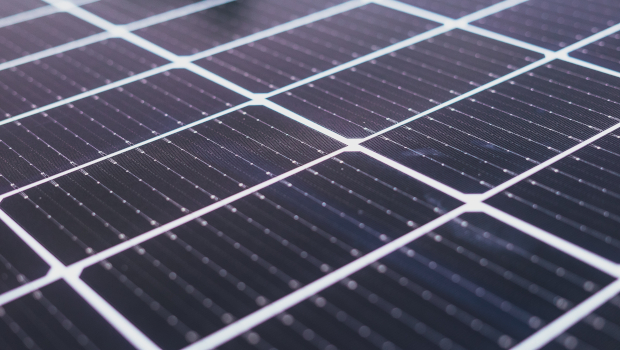
China is developing a space-based solar power station called Zhuri, or Sun Chase, which has potential for both civilian and military applications. Led by Prof Duan Baoyan of Xidian University, the project recently unveiled a modernised design that showcases extensive capabilities going beyond simple energy transmission. The system will be able to carry out tasks such as communication, navigation, intelligence gathering, signal jamming and remote control.
The space-based solar power station is designed to capture sunlight in Earth orbit and transmit it via powerful microwave beams to receivers on the ground. Yet this very capability could also make the station a potential weapon. In theory, the Chinese military could use these beams to disrupt foreign communications systems or secure its own networks.
A key advantage of space-based solar power plants is their continuous output, thanks to the constant sunlight in Earth orbit. This allows for uninterrupted energy capture, regardless of weather conditions or time of day. China’s ambitious space programme also includes plans for a space-based aircraft carrier and a nuclear reactor on the Moon by the 2030s.

Other countries are also working on similar wireless power transmission projects. NASA, for example, is developing a concept for a modular station, while Caltech launched a working prototype last year. The European Space Agency is likewise conducting research in this field.
However, major challenges remain for all parties involved, such as the difficulty of building structures kilometres long in Earth orbit and directing beams across thousands of kilometres.
China and Russia had previously drawn up plans for a nuclear-powered lunar base to supply energy to the International Lunar Research Station. The project aims to establish a permanent presence at the Moon’s south pole. The Russian space agency Roscosmos had earlier announced that it planned to build a nuclear reactor on the lunar surface by 2035, together with the China National Space Administration.
Business AM