

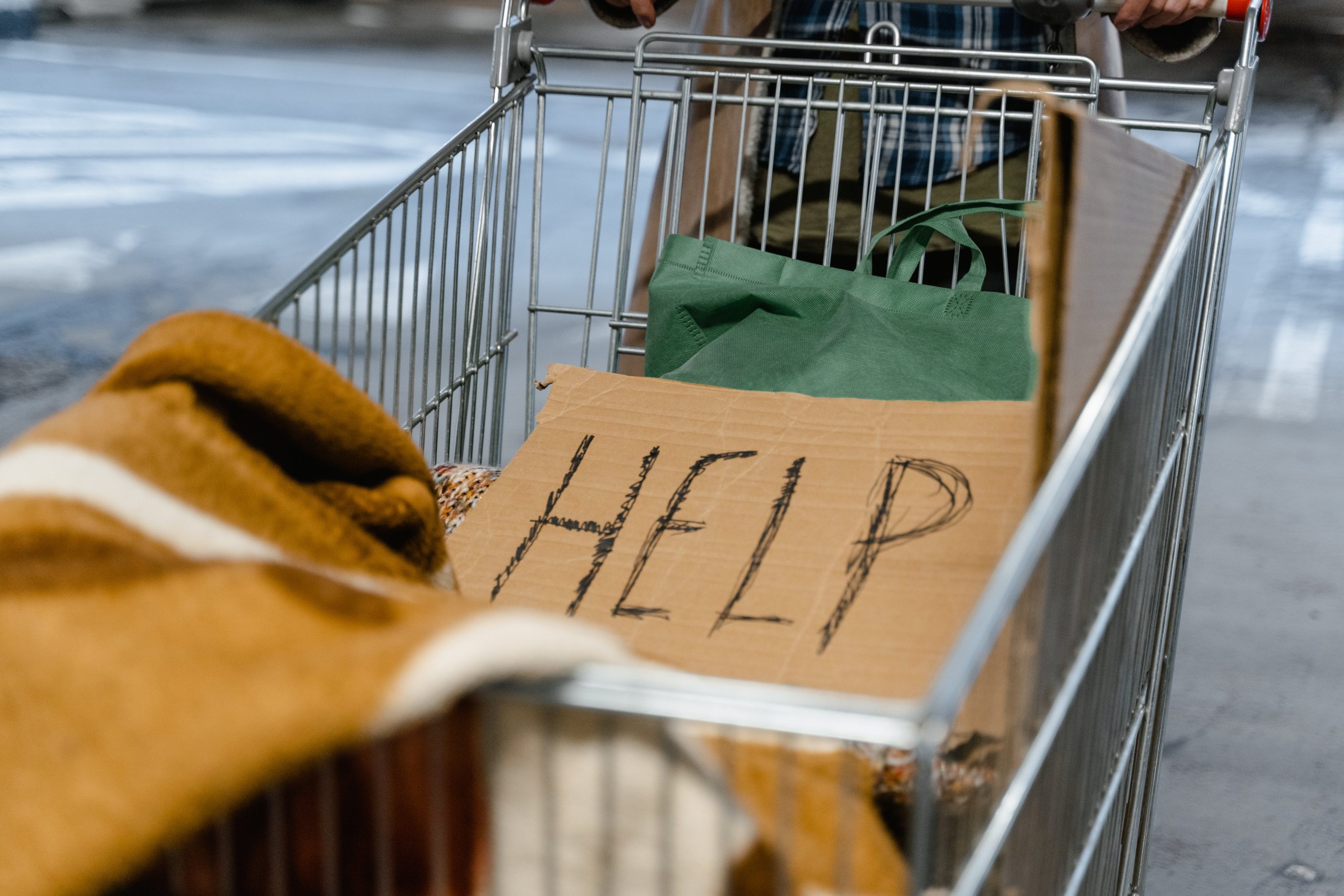
For people experiencing homelessness, the days can stretch on with little structure, purpose, or choice. New research suggests that this persistent boredom is not a trivial discomfort but a powerful force shaping mental health and substance use among people without stable housing. The findings were published in PLOS Mental Health.
The study explored how boredom is experienced by people who are unhoused in high-income countries and how it influences their use of alcohol and drugs. Rather than treating substance use as a purely individual failing, the research points to daily environments that leave people with few meaningful ways to fill time or feel engaged.
Researchers analysed in depth interviews with 18 adults who were homeless at the time of the study, all living in mid sized Canadian cities. Participants described long periods of enforced idleness, limited mobility, and strict shelter routines that left them waiting for services to open or close, often with hours to fill.
This unstructured time was widely experienced as distressing rather than restful. Boredom was linked to rumination, low mood, and intrusive thoughts about past losses, including family breakdown, ill health, or previous work and housing. For many, substances became a way to dull these thoughts or make time pass more quickly.
Substance use was also described as one of the few affordable and accessible forms of stimulation. Activities that many people take for granted, such as hobbies, leisure outings, or classes, were seen as financially out of reach. Alcohol or drugs, by contrast, were cheap, readily available, and embedded in the social environment of shelters and street settings.
The research highlights how substance use can also become a social glue in contexts of extreme marginalisation. With limited opportunities to form relationships through work, education, or shared interests, using substances together offered a way to connect with others and avoid isolation, even when participants recognised the long term harm.
Importantly, participants did not describe boredom as inevitable. Many spoke about how access to meaningful activities, such as creative sessions, group events, or simple recreational opportunities, reduced substance use when they were available. When these options disappeared, drug and alcohol use often increased again.
The study was guided by the Capabilities Approach, a framework that focuses on what people are realistically able to do and be in their daily lives. From this perspective, homelessness restricts basic freedoms such as choice, play, social participation, and control over time. Boredom, in this context, is a symptom of deeper social exclusion rather than a personal weakness.
The findings have implications for mental health policy and homelessness services. Interventions that focus solely on abstinence or treatment may miss an underlying driver of substance use. Addressing boredom by expanding access to purposeful, low cost activities could reduce harm and improve well being alongside more traditional support.
While the study involved a small sample and focused on specific urban settings, it adds weight to growing evidence that environment matters. Reducing substance use among people who are homeless may require rethinking how time, dignity, and meaning are built into daily support systems.