

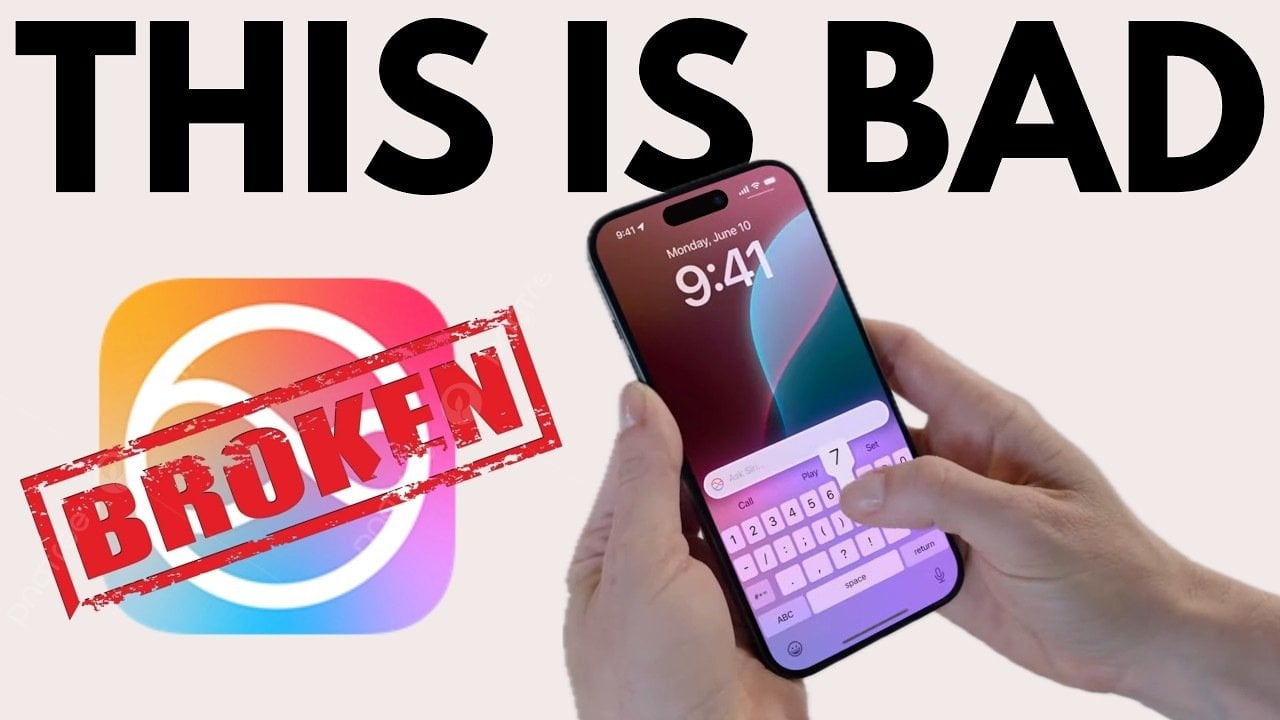
Apple’s ongoing efforts to transform Siri into a next-generation AI assistant are encountering substantial challenges. Initially slated for release with iOS 26.4, the upgraded Siri has faced delays due to internal testing that exposed issues with accuracy, response speed, and reliability. These setbacks have forced Apple to reconsider its rollout strategy, potentially spreading the introduction of new features across multiple updates, with some delayed until iOS 27. This situation highlights the inherent complexities of integrating advanced AI into consumer-facing products while maintaining user trust and delivering a seamless experience. The video below from SaranByte gives us more details on the new Siri.

Technical Hurdles and Delayed Rollout
Apple’s ambitious timeline for Siri’s enhancements has been disrupted by technical obstacles identified during rigorous internal testing. Siri struggled to process user queries effectively, often providing inconsistent responses and exhibiting slower-than-expected performance. These issues have prompted Apple to delay certain features, with some now expected to debut in iOS 26.5 or later versions.
One of the most significant challenges lies in Siri’s ability to handle complex, multi-step queries. For example, while Siri is designed to perform tasks that span multiple apps—such as creating a calendar event based on an email—it frequently misinterpreted user intent during testing. Such inconsistencies not only hinder functionality but also risk eroding user trust, a critical factor for any AI assistant aiming to become an integral part of daily life.
Additionally, Siri’s integration with third-party apps has proven to be another area of difficulty. Making sure seamless communication between Siri and external applications remains a technical hurdle, further complicating Apple’s efforts to deliver a polished and reliable user experience.
Planned Upgrades and AI Integration
Despite these challenges, Apple has outlined an ambitious roadmap for Siri’s evolution. The planned upgrades aim to make Siri more intuitive, personalized, and capable of handling advanced tasks. Key enhancements include:
- Personalization features that adapt to individual user preferences and habits over time.
- On-screen awareness technology that tailors Siri’s responses based on the content currently displayed on your device.
- Seamless execution of multi-app actions, allowing Siri to perform tasks that involve multiple applications without errors.
- Advanced AI capabilities, such as generating images, summarizing web searches, and providing more context-aware responses.
To achieve these goals, Apple is using innovative AI platforms, including Google Gemini, and selectively integrating functionalities powered by ChatGPT. While these collaborations can accelerate development, they also introduce dependencies that Apple must carefully manage to ensure a consistent and cohesive user experience across its ecosystem.
Competitive Landscape and User Trust
Apple’s push to enhance Siri comes at a time when the field of conversational AI is advancing rapidly. Competitors like OpenAI’s ChatGPT and Google’s Gemini have set high standards for natural language processing, personalization, and reliability. These platforms have already gained significant user trust, making it more challenging for Apple to position Siri as a competitive alternative.
However, Siri’s deep integration with Apple’s ecosystem provides a unique advantage. Spanning devices such as iPhones, iPads, Macs, and even Apple Watches, Siri has the potential to offer a level of connectivity that competitors cannot easily replicate. This integration allows Siri to act as a central hub for managing tasks, accessing information, and controlling smart devices. Nevertheless, this advantage can only be fully realized if Siri delivers a flawless and consistent experience. Any missteps, such as inaccurate responses or sluggish performance, could undermine user confidence and hinder the adoption of new features.
Future Vision and Monetization Strategy
Apple envisions Siri as more than just a voice assistant; it aims to transform Siri into a conversational intelligence layer that seamlessly connects users with their devices and services. This vision includes allowing natural, context-aware interactions that feel intuitive and proactive. For instance, Siri could suggest actions based on your daily habits or provide concise, tailored summaries of web searches to save time.
To support this evolution, Apple is reportedly exploring a premium “Siri Pro” subscription tier. This offering would include advanced features such as enhanced personalization, faster response times, and exclusive AI capabilities. However, the success of this monetization strategy hinges on Siri’s ability to consistently deliver high-quality performance. Any shortcomings in reliability or functionality could deter users from subscribing to additional features, potentially limiting the appeal of a paid tier.
Risks and Strategic Implications
Apple’s efforts to reinvent Siri are accompanied by significant risks. Delays in feature rollouts, technical challenges, and high user expectations create a complex environment for innovation. Additionally, the rapid advancements of competitors like ChatGPT and Google Gemini add pressure for Apple to innovate quickly while maintaining the quality and reliability that users expect.
To mitigate these risks, Apple must prioritize several key areas:
- Resolving the technical issues identified during internal testing, particularly those related to accuracy and response speed.
- Enhancing Siri’s ability to handle complex queries and perform multi-app actions seamlessly.
- Making sure deep integration across Apple’s ecosystem to deliver a cohesive and intuitive user experience.
- Building and maintaining user trust by focusing on reliability and transparency in AI-driven features.
By addressing these challenges, Apple can position Siri as a cornerstone of its AI strategy and a trusted assistant for millions of users. Success in this endeavor would not only enhance Siri’s reputation but also strengthen Apple’s competitive position in the rapidly evolving field of conversational AI.
Discover other guides from our vast content that could be of interest in Conversational AI.
Source & Image Credit: SaranByte
Filed Under: Gadgets News
Disclosure: Some of our articles include affiliate links. If you buy something through one of these links, Geeky Gadgets may earn an affiliate commission. Learn about our Disclosure Policy.