


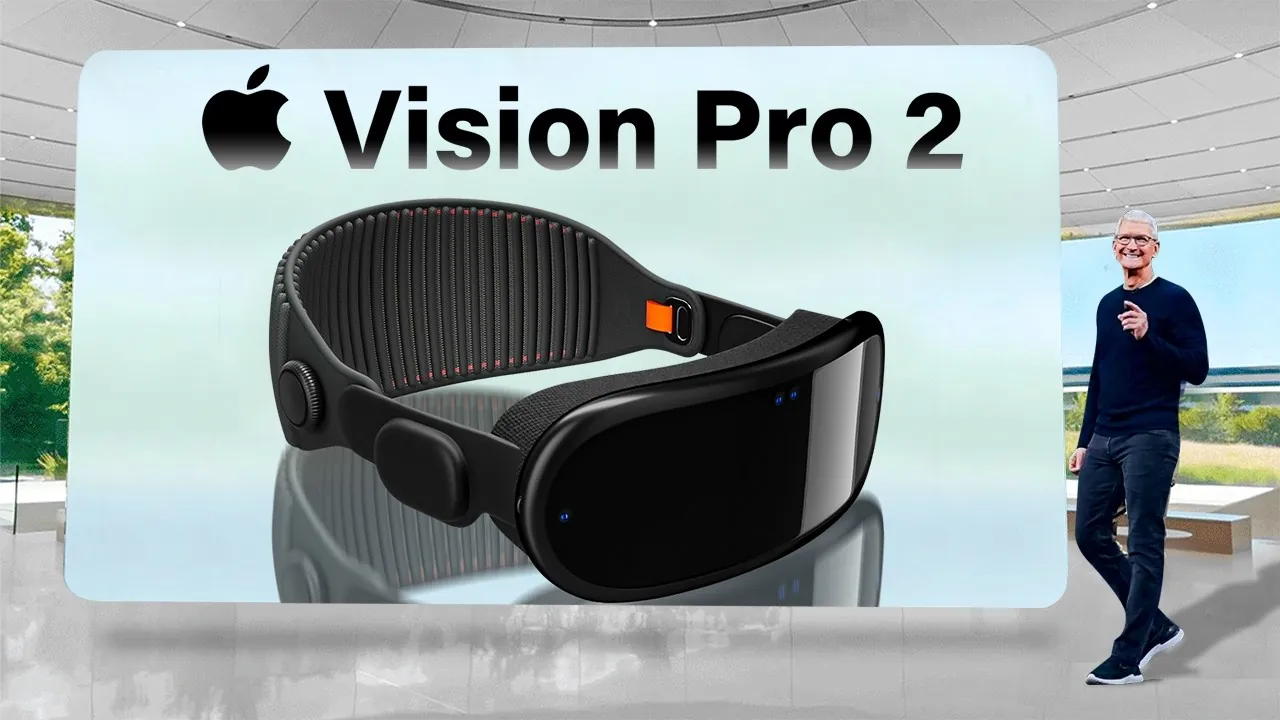
Apple’s Vision Pro 2, set for release in 2025, is positioned to reshape the extended reality (XR) landscape. With the integration of the advanced M5 chip, the device promises a significant boost in performance while maintaining the design and $3,500 price tag of its predecessor. However, questions surrounding consumer adoption and market accessibility remain central to discussions about its potential impact. The video below from Matt Talks Tech gives us more details about the new Vision Pro 2.

Performance Revolution: The M5 Chip
The Vision Pro 2’s defining feature is its innovative M5 chip, which delivers an impressive 50-60% performance improvement over the M2 chip found in the original Vision Pro. This enhancement positions the device as a powerful tool for professional XR applications, allowing seamless multitasking, improved augmented reality (AR) experiences, and more immersive virtual reality (VR) environments.
Apple’s decision to retain the original design emphasizes a focus on functionality over aesthetics. This approach caters to professionals who prioritize performance and reliability, making sure the Vision Pro 2 remains a practical tool for demanding tasks rather than a device driven by cosmetic updates.
Battery Life and Ecosystem Synergy
Battery life, a critical factor for XR devices, is expected to see incremental improvements in the Vision Pro 2. While these enhancements may not be innovative, they align with Apple’s iterative approach to refining its products. The device will continue to integrate seamlessly with iPhones and other Apple devices, using wireless connectivity to enhance usability and productivity.
This ecosystem synergy ensures a smooth transition between devices, particularly for professionals and enthusiasts who rely on Apple’s interconnected platform. By fostering convenience and productivity, Apple strengthens its position as a leader in creating cohesive user experiences.
Expanding the Vision Lineup: Smart Glasses and Vision Air
Apple’s ambitions in the XR space extend beyond the Vision Pro 2. The company has outlined plans to diversify its product lineup by 2027, introducing lightweight smart glasses and a more affordable Vision Air. These additions aim to broaden Apple’s reach and appeal to a wider audience.
- Smart Glasses: Designed for portability and simplicity, these glasses will prioritize lightweight functionality. They are expected to offer limited on-screen features while relying heavily on Siri and iPhone connectivity for core operations.
- Vision Air: Targeted at making XR technology more accessible, this device is anticipated to launch at a price point below $1,500. While it will likely feature reduced capabilities compared to the Vision Pro series, it represents a step toward providing widespread access to XR technology for everyday users.
These developments reflect Apple’s strategy to diversify its XR portfolio, catering to both professionals and casual users while addressing the need for more affordable options.
Challenges in Consumer Adoption
Despite its technological advancements, the Vision Pro 2 faces notable hurdles in achieving widespread consumer adoption. The $3,500 price tag firmly positions it as a premium product, appealing primarily to professionals and niche enthusiasts rather than the average consumer.
Competing devices, such as Meta’s Ray-Ban smart glasses, offer more affordable alternatives, creating pressure for Apple to balance innovation with accessibility. Additionally, delays in Apple’s artificial intelligence (AI) capabilities could impact the rollout of future devices, potentially affecting its competitive edge in the rapidly evolving XR market.
Professional Applications as a Key Driver
The Vision Pro series has found its strongest foothold in professional and business contexts. Industries such as design, healthcare, and education benefit significantly from the device’s advanced features, which justify its high cost. For example, architects can use the Vision Pro 2 to create immersive 3D models, while medical professionals can use its capabilities for advanced simulations and training.
However, for the average consumer, the Vision Pro remains a luxury rather than a necessity. Apple’s long-term success in XR will depend on its ability to bridge this gap by introducing more affordable options and targeted innovations that appeal to a broader audience.
Apple’s XR Roadmap: Balancing Innovation and Accessibility
Looking ahead, Apple plans to expand its XR lineup with iterative updates to the Vision Pro and the introduction of new devices through 2028 and beyond. By diversifying its offerings and addressing pricing concerns, the company aims to solidify its leadership in the XR space.
However, achieving this goal will require a delicate balance between pushing the boundaries of technology and meeting market demands. Making sure that innovation remains accessible to a wider audience will be critical to Apple’s success in shaping the future of extended reality. The Vision Pro 2, while a significant step forward, highlights both the opportunities and challenges that lie ahead for Apple’s XR ambitions.
Unlock more potential in Vision Pro 2 by reading previous articles we have written.
Source & Image Credit: Matt Talks Tech
Filed Under: Apple, Gadgets News, Technology News, Top News
Latest Geeky Gadgets Deals
Disclosure: Some of our articles include affiliate links. If you buy something through one of these links, Geeky Gadgets may earn an affiliate commission. Learn about our Disclosure Policy.