

Share

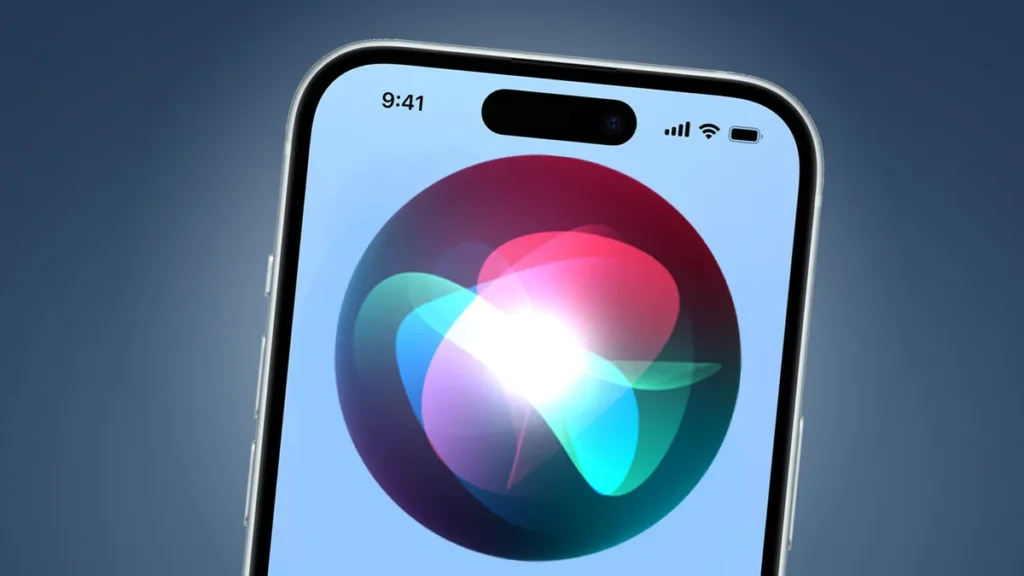
Apple has officially joined forces with Google to use its Gemini AI models as the foundation for a massive Siri overhaul – a move that confirms the iPhone maker is looking externally to accelerate its lagging artificial intelligence strategy.
The multi-year collaboration, which has just been announced, will see Google’s Gemini 3 technology integrated into future Apple Foundation Models.
This partnership marks a pragmatically significant shift for Apple, which has historically prided itself on developing every layer of its technology in-house. Reports suggest the deal is worth approximately $1 billion annually, positioning Google as the primary engine behind the “more personalized” Siri expected to debut later this year.
The primary reason for this alliance is Apple’s need to catch up. Despite marketing “Apple Intelligence” heavily over the last two years, the company has faced significant development delays, pushing the full Siri revamp into 2026. Internal performance testing reportedly determined that Google’s Gemini offered a more capable and scalable foundation than Apple’s own early models.
By leveraging Google’s infrastructure, Apple can quickly introduce features that its rivals, such as Samsung and Google’s own Pixel line, already offer. This includes Siri’s ability to understand on-screen content, manage complex multi-step tasks across different apps and utilize personal context from emails and messages to provide more relevant assistance.

Performance and privacy gains
The advantages for Apple users are expected to be substantial. The next generation of Siri will transition from a basic command-response assistant to a proactive agent capable of natural dialogue. Because the Gemini 1.2 trillion parameter model is far larger than anything Apple currently runs, Siri should become significantly more accurate and versatile.
Apple has also taken steps to mitigate its biggest brand risk: privacy. To maintain its strict privacy standards, the companies confirmed that these AI features will run on Apple’s own devices and its “Private Cloud Compute” system.
This means that while Google provides the “brains” or the underlying logic, the actual processing of sensitive user data remains within Apple-controlled environments, theoretically preventing Google from accessing personal user information.
Market risks and regulatory hurdles
However, the partnership carries considerable strategic and legal risks. By outsourcing the foundational layer of its AI, Apple risks becoming dependent on a direct competitor. Analysts warn that this could lead to “brand dilution,” where the iPhone’s unique edge is eroded because its core intelligence is identical to that of Android devices.
The deal has also immediately caught the attention of global regulators. Coming on the heels of major antitrust rulings against Google’s search monopoly, this new alliance, which creates an “AI duopoly”, is being closely monitored by the UK’s Competition and Markets Authority and EU policymakers.
Critics, including Elon Musk, have already slammed the move as an “unreasonable concentration of power” that could further stifle competition in the rapidly evolving AI landscape.
Related Posts
Discover more from Tech Digest
Subscribe to get the latest posts sent to your email.