

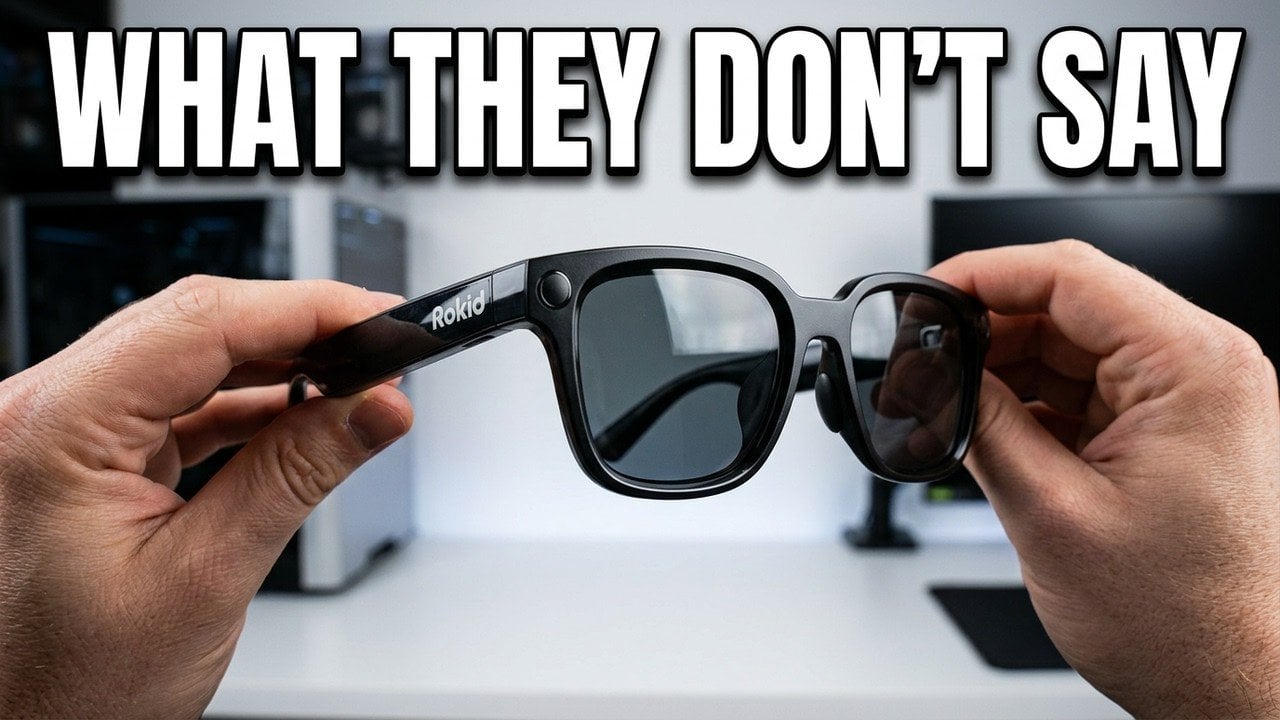
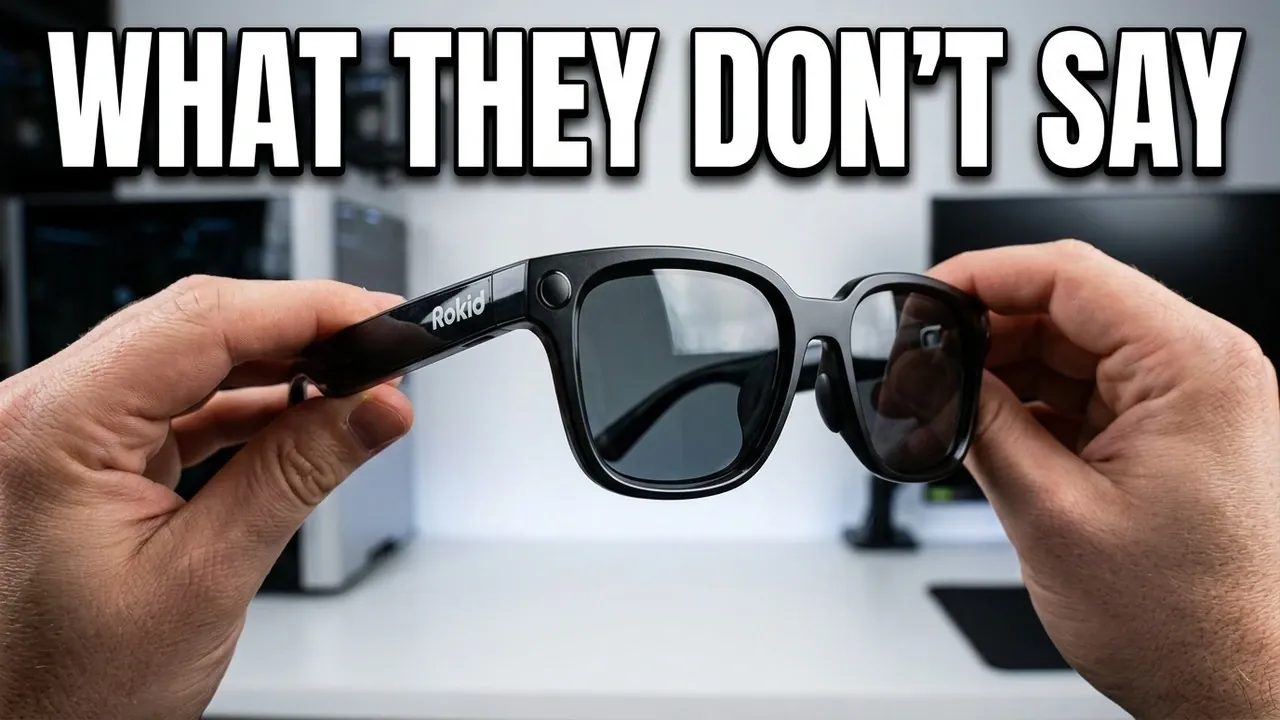
Smart glasses have evolved significantly in recent years, offering diverse approaches to wearable technology. In this feature, Tech with Spencer examines the Rokid AI glasses, a model that shifts focus from traditional visual displays to AI-powered functionality. Priced at $299, these glasses emphasize features like real-time language translation, object recognition and voice assistance, presenting a distinct alternative to display-centric options like the Even G2. However, their reliance on connectivity and limited customization options may not suit every user, raising questions about their practicality for everyday use.
Explore how the Rokid AI glasses compare to other models in terms of design, audio quality and AI capabilities. You’ll gain insight into the trade-offs between lightweight comfort and premium build quality, as well as the implications of their open-ear audio design. This breakdown also highlights the strengths and limitations of their offline translation feature, battery life and accessory ecosystem, helping you determine whether these glasses align with your needs.
Design & Build
TL;DR Key Takeaways :
- The Rokid AI glasses prioritize AI-driven features like real-time language translation, object recognition and voice assistance, offering a unique alternative to display-centric smart glasses.
- Weighing just 38.5 grams, they are lightweight and comfortable, but their plastic construction and lack of design customization may detract from their premium appeal.
- Key features include offline translation for 89 languages, clear audio output and a 12 MP camera, though sound leakage and limited image quality when zooming are notable drawbacks.
- Battery life lasts up to 12 hours, but the absence of a charging case in the base package and reliance on a proprietary charger may inconvenience frequent travelers.
- Priced at $299, these glasses cater to a niche audience seeking portability and AI functionality, though their dependence on strong internet connectivity and lack of visual interfaces may limit broader appeal.
Lightweight but Basic
Weighing just 38.5 grams, the Rokid AI glasses are remarkably lightweight, making sure comfort even during prolonged use. This makes them an attractive option for users who prioritize portability. However, the plastic construction feels less premium compared to competitors and the glossy finish is prone to smudges, which may detract from their overall appeal. The single design option lacks customization, which could be a drawback for users seeking a more personalized aesthetic. On the positive side, the glasses accommodate prescription lenses, making them accessible for individuals with vision correction needs.
Unboxing: What’s Included?
The Rokid AI glasses come with a modest set of accessories designed to enhance usability:
- A magnetic charger for convenient recharging
- A soft storage pouch for portability and protection
- Extra nose pads to improve comfort
However, the charging case, a highly practical accessory for frequent travelers, is sold separately for $99. This additional expense may deter budget-conscious buyers, especially given the glasses’ mid-range price point. For users who travel often or require extended battery life, the absence of this accessory in the base package could be a significant limitation.

Enhance your knowledge on Rokid AI Glasses by exploring a selection of articles and guides on the subject.
AI Features and Camera Performance
The Rokid AI glasses are equipped with a 12 MP camera capable of capturing videos in multiple modes. While the camera performs adequately in standard settings, image quality deteriorates when zooming, which may limit its appeal for photography enthusiasts. The standout feature of these glasses lies in their AI-driven capabilities, which include:
- Object recognition for identifying everyday items
- Language translation supporting an impressive 89 languages
- Voice-based assistance for hands-free task management
One of the most practical aspects of the translation feature is its offline functionality, making it an invaluable tool for travelers or users in areas with limited connectivity. These features highlight the potential of AI in wearable technology, though their performance is closely tied to the strength of the internet connection, which can be a limiting factor in certain environments.
Audio Quality: Clear but Not Private
The Rokid AI glasses deliver clear and loud audio, making them suitable for music playback, voice responses and other audio-based interactions. However, the open-ear design results in noticeable sound leakage, which could compromise privacy in public or crowded settings. While the audio quality is sufficient for casual use, it may not meet the expectations of audiophiles or users seeking a more immersive sound experience. This design choice underscores the glasses’ focus on functionality over high-end audio performance.
Battery Life and Charging Challenges
The glasses offer up to 12 hours of battery life under optimal conditions, which is competitive for a device in this category. However, a design quirk, leaving the arms open, activates a low-power mode that can inadvertently drain the battery. The proprietary magnetic charger included in the package is functional but lacks the convenience of more widely used charging solutions like USB-C. For frequent travelers, the absence of a charging case in the standard package may pose a challenge, as it limits the glasses’ portability and ease of use during extended trips.
Connectivity: A Double-Edged Sword
The Rokid AI glasses rely heavily on a strong internet connection to deliver their full range of features. While this connectivity enables advanced AI functionalities, it also creates potential drawbacks. In areas with weak or inconsistent connectivity, the glasses may experience lag or become unresponsive, significantly impacting the user experience. This reliance on connectivity could limit their appeal for users in rural or remote locations, where internet access may be unreliable. For urban users or those with consistent access to high-speed internet, however, this limitation is less likely to be a concern.
Price and Value: A Niche Offering
At $299, the Rokid AI glasses occupy a mid-range price point in the smart glasses market. While this pricing makes them more accessible than some high-end competitors, the additional cost of accessories, such as the $99 charging case, can increase the overall investment. The glasses’ innovative features, such as offline translation and object recognition, offer unique value but may not align with the needs of all users. For those seeking a more comprehensive smart glasses experience, particularly one that includes visual interfaces, the Rokid AI glasses may fall short.
How They Compare: Even G2 and Meta Gen 2
The Rokid AI glasses stand apart from display-based smart glasses like the Even G2 and Meta Gen 2 by prioritizing audio and AI-driven functionality over visual engagement. This design choice makes them unsuitable as a direct replacement for users accustomed to immersive displays. Instead, they cater to a different audience, those who value lightweight design, hands-free AI capabilities and practical features like offline translation. While they lack the visual interfaces of their competitors, the Rokid AI glasses carve out a niche for users seeking a simpler, more focused wearable solution.
Who Are These Glasses For?
The Rokid AI glasses bring a unique blend of AI-driven features and lightweight design to the wearable tech market. Their focus on audio output and practical functionalities like offline translation makes them ideal for users who prioritize convenience and portability over visual interfaces. However, their dependence on strong internet connectivity, lack of a display and additional accessory costs may limit their appeal to a broader audience. These glasses are best suited for tech-savvy individuals or travelers who value AI functionality and hands-free operation in a compact, lightweight package. While they don’t directly compete with display-based models like the Even G2 or Meta Gen 2, they offer a compelling alternative for those seeking a streamlined, AI-focused wearable experience.
Media Credit: Tech with Spencer
Filed Under: Gadgets News, Top News
Disclosure: Some of our articles include affiliate links. If you buy something through one of these links, Geeky Gadgets may earn an affiliate commission. Learn about our Disclosure Policy.