

Trust could be a unique selling point for social networking start-up eYou
Blogs
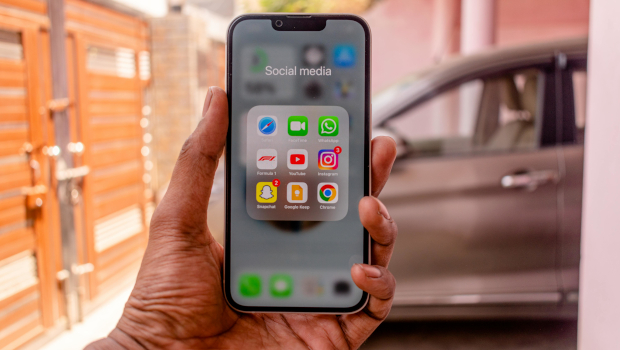
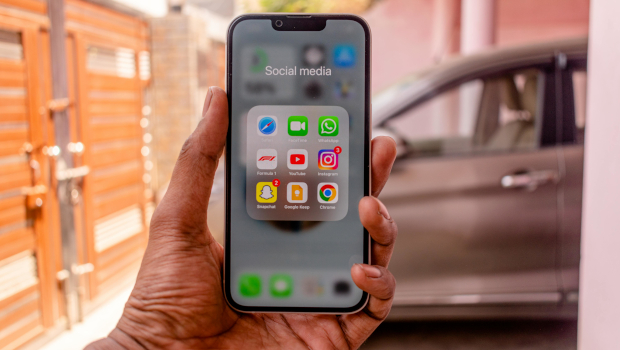
Image: Prashant Singh via Pexels
I was interested to read about the launch of a new social media platform specifically aimed at European users that highlights fact-checking and data privacy as its key features. According to a report on this website, eYou, developed by a Romanian start-up, “promises transparency and user control over their feeds, setting it apart from existing platforms that rely on algorithms which fuel distraction and echo chambers”.
The app features an AI-powered fact-checking tool that allows users to verify information in real time by adding sources to posts, in a bid to fight disinformation and build trust in online debates.
Like everybody else, with the exception of certain US-based tech bro multi-billionaires, I think this is clearly something to be welcomed. That said, I can’t help feeling it would be so much easier if the established social media platforms – they know who they are – hadn’t become such willing vehicles for disinformation in the first place.

It’s commendable to see a business trying to turn back the tide even if it’s only a small start-up in Romania. To be fair, Europe is probably one of the few places in the world that has the will and the inclination to try and tackle the root cause of the spread of disinformation – that is, the social media platforms – rather than placing the greater emphasis and responsibility onto its victims.
Trust issues
Trust is an increasingly fragile commodity and technology is one of the biggest culprits in undermining it. For too long people have placed too much faith in the veracity and reliability of technology. We have attributed an infallibility to technology that it doesn’t deserve, which is one of the root causes of where we are today.
Algorithms, for example, were initially viewed as helpful for us because they analysed what we liked and pushed more of those things to us. What was not to like? Who could have foreseen that they would be used to push things to influence us and make us like things that we didn’t originally support? It turns out that the technology became the platform not just for disseminating disinformation but for subtly and relentlessly working to convince people to believe it.
Sometimes, belief is not just shaped by what the algorithms choose to show us, just as often, it’s down to what they opt not to share. I was reminded of this in a very clear but different manner while watching the semi-final of the Investec Champions Cup between Bordeaux-Begles and Bath where it was evident that what the TV broadcaster chose to show in terms of replays had an influence on the decisions by match officials over whether there was foul play or not.
The fact that the French broadcaster appeared not to dwell on replays of several moments where there was possible head contact on Bath players from different angles – incidents that might have led to yellow or red cards for players from the French club – did not go unnoticed by the commentators.
But what is equally true is that trust in the infallibility of video technology has led to everyone viewing it as a comfort blanket that can be relied on as a fall back if anything is missed on the pitch. That, in turn, may have led officials to relinquish some of their responsibility for making decisions on the pitch.
We are all in a similar position of placing trust and belief in videos without being fully cognisant of why we are being shown those particular videos or how they were constructed. As a result, disinformation is running rampant, making it increasingly difficult for us to coalesce around a shared understanding of what is the truth. There are too many camera angles we’re not being shown.
When I was younger, a popular saying was “Money talks, bullshit walks”. But what the successful spread of disinformation on social media has shown is that, in today’s world, bullshit isn’t walking anymore because “bullshit is money”.