

 For about a year, the AI wearable category was a punchline. Humane shipped a $699 pin that overheated and got shut down inside a year. Rabbit shipped a $199 orange brick that mostly opened web pages. Friend spent over a million dollars on New York subway ads for a pendant that hadn’t shipped, and the graffiti on those ads got more press than the product. The vibe was “why is this not just a phone app.”
That’s over. Plaud’s Note Pro won Forbes Vetted’s 2026 Best AI Wearable last March. Amazon acquired Bee on July 22, 2025 and showed it at CES 2026 as part of the Alexa-and-Echo roadmap. Meta acquired Limitless on December 5, 2025, and the Pendant is no longer sold to new customers. Ray-Ban Meta and Brilliant Labs Halo got there from opposite ends: $379 fashion-brand glasses on one side, $349 open-source AR with a 14-hour battery on the other. These aren’t companies playing a hype cycle. They survived one.
None of them are perfect. Halo’s display is peripheral, not lens-wide AR. Bee is a v1, and an Amazon device that listens all day is a privacy decision before it’s a gadget purchase. Plaud’s mic struggles in noisy rooms. Limitless is a buy you can’t make anymore. But they’re the only AI wearables right now that justify the strap, the clip, or the frame on your face. Here’s the shortlist.
Add The Gadgeteer on Google Add The Gadgeteer as a preferred source to see more of our coverage on Google.
ADD US ON GOOGLE
Ray-Ban Meta Gen 2 Smart Glasses
The one your non-tech friends already know about
If you’re starting an AI wearables list and you don’t lead with these, you’re posturing. Meta and Ray-Ban built the only AI wearable with mainstream pull, full stop. The Gen 2 frames keep the look that made the originals work, and the AI bits stopped being party tricks.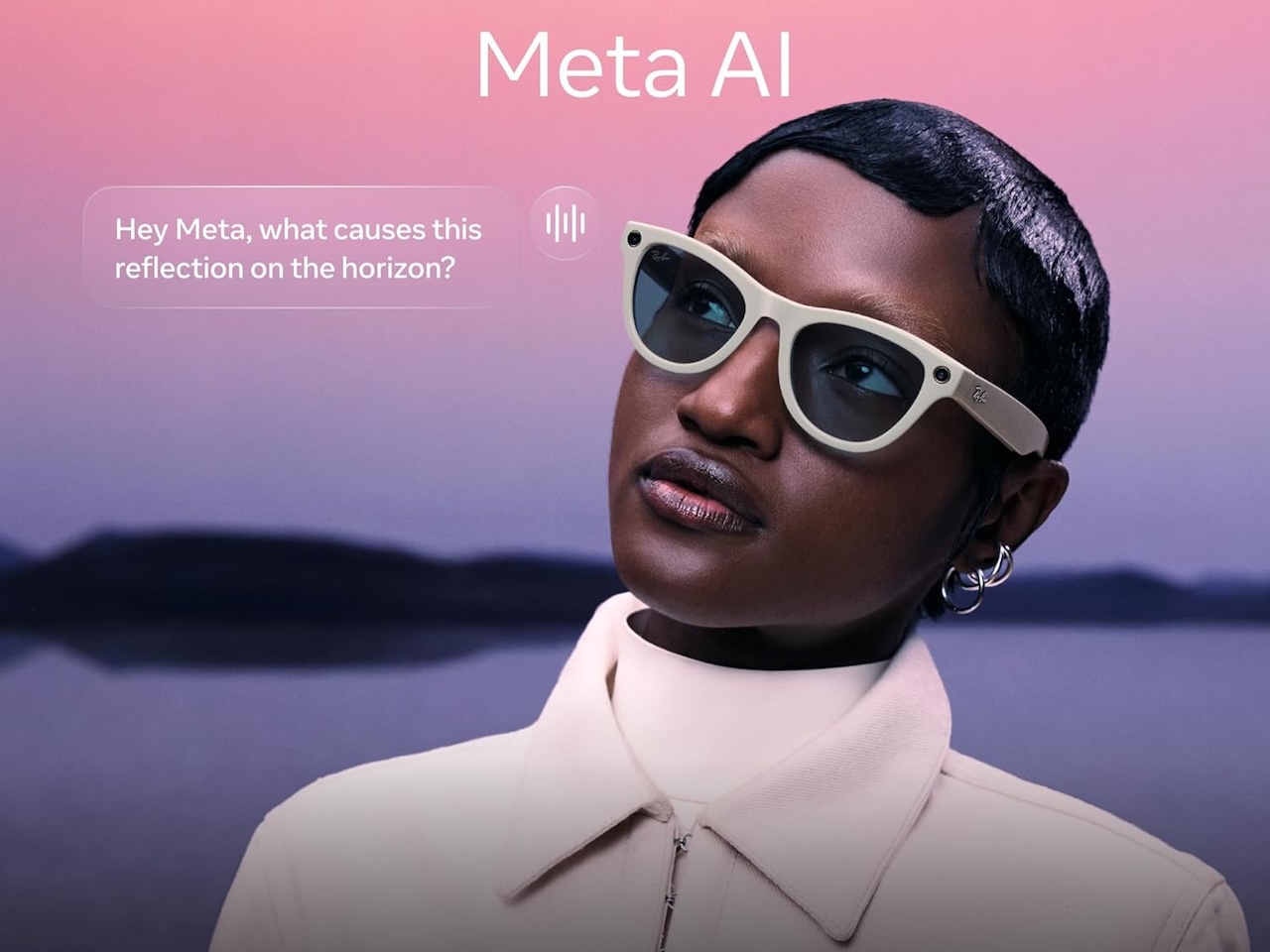
Price: From $379
Where to Buy: Amazon
What you actually use them for: looking at a menu in another language and asking Meta AI to translate without pulling out your phone. Capturing hands-free clips while you’re holding a kid or a dog. Asking what you’re looking at and getting a usable answer most of the time. Audio is open-ear, so you stay aware.
Where they fall short: the AI is gated behind regional rollouts, and Meta’s privacy track record means you’re making a real trust trade. If that bothers you, skip it. If it doesn’t, these are the easiest AI wearable to actually live with.
Entry-level frames start at $379. The Wayfarer Gen 2 is $409 at Best Buy. Skyler, Headliner, and limited-edition frames run higher.
Plaud NotePin S
The one that earns a spot on your collar
Forbes Vetted named the Plaud Note Pro the 2026 Best AI Wearable on March 19, 2026, and that’s not nothing. The NotePin S is the wearable sibling Plaud launched at CES 2026, and it’s the one we keep recommending to people who take meetings for a living. Same app, smaller body, clip-friendly form factor.
Price: $189
Where to Buy: Amazon
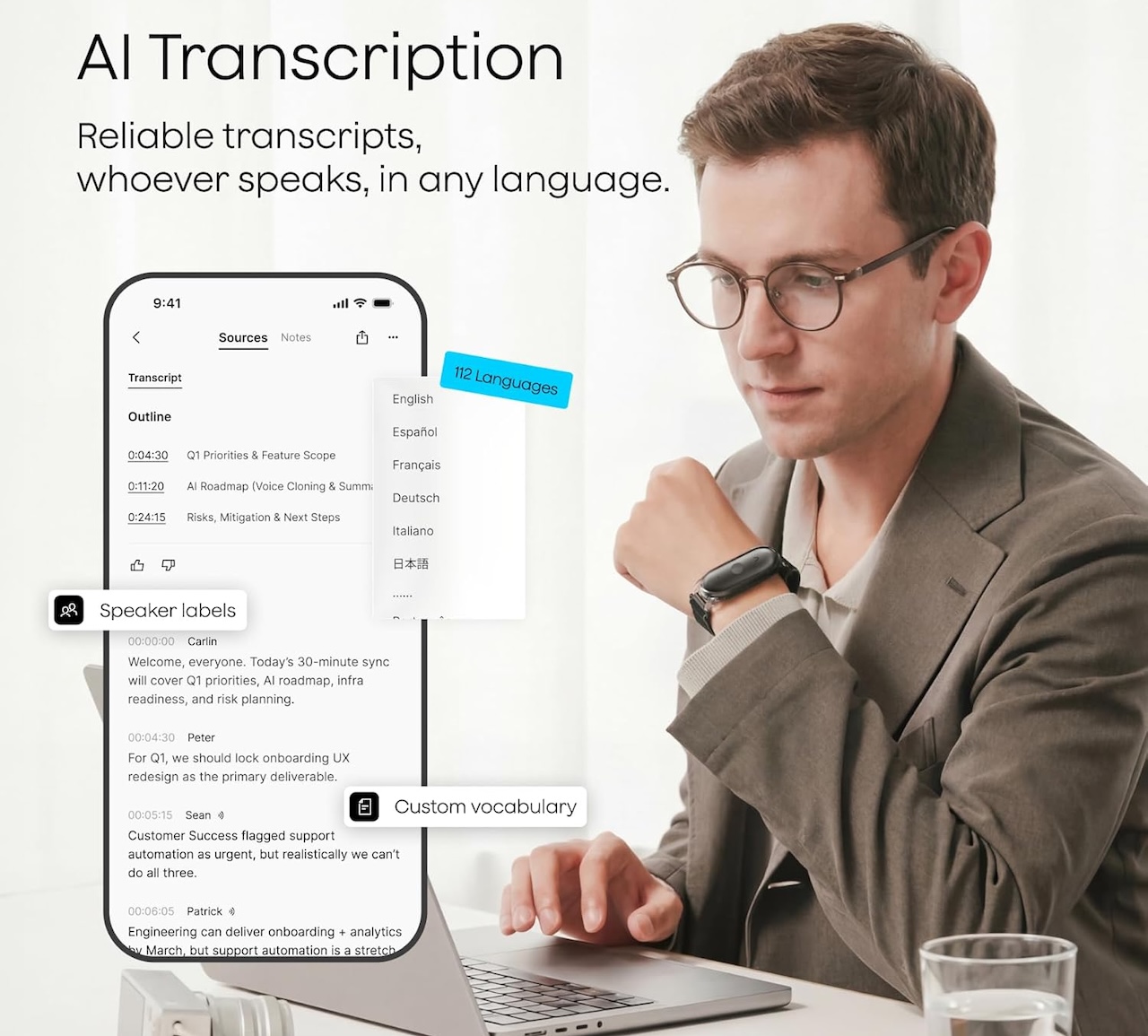
What you actually use it for: clip it on, hit the button, talk through a meeting or a brainstorm. The Plaud app spits back a clean transcript, an AI summary, and pulls out action items. 20 hours continuous recording on one charge, 64 GB local storage, half an ounce on your collar.
Where it falls short: it’s another subscription. The free tier covers 300 minutes a month. Heavy users need Pro (~$8/mo annual) or Unlimited ($20/mo annual). The microphone is good but not magical in noisy rooms.
$179 for NotePin S. The original NotePin is still sold at $159. The Plaud Note Pro flagship is $189 if you want the slim magnetic recorder that sticks to the back of your phone instead.
Brilliant Labs Halo
The one that’s actually trying something new
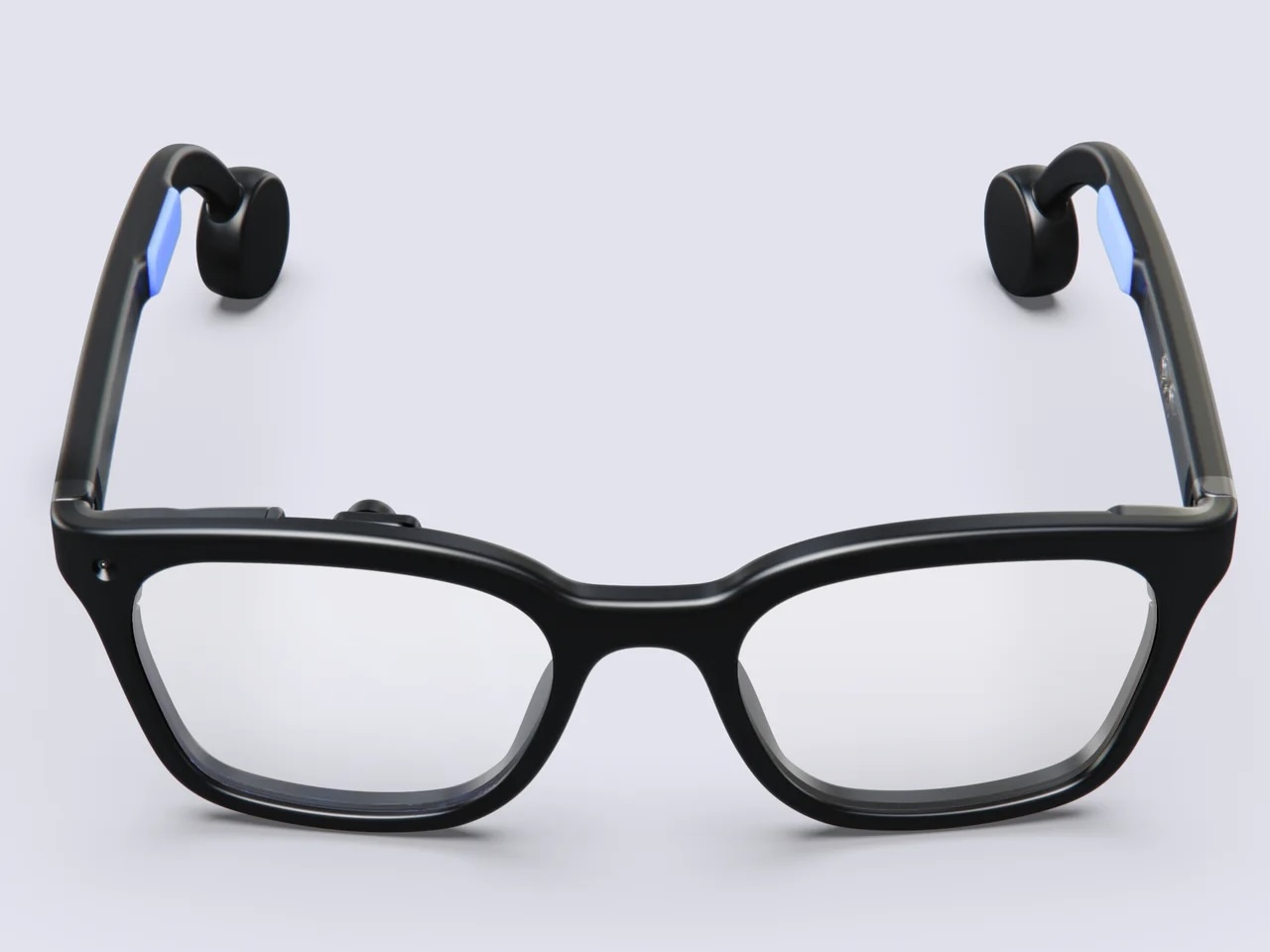
Google’s AI Overview keeps singling Halo out as the innovative pick, and the reason is the architecture. Brilliant Labs is the only company on this list shipping open-source AR glasses with three layers running together: Noa, a multimodal AI agent for real-time conversation; Narrative, an agentic memory system that remembers names, places, and context; and Vibe Mode, a natural-language environment for prototyping your own apps on the device.
Price: $349
Where to Buy: Brilliant Labs
In practice: Noa answers what you see and hear. Narrative quietly fills in the “wait, who was that again” gaps. Vibe Mode lets you build small tools without writing code. The whole stack is open source on GitHub, which is a big deal if you’ve watched how locked-down Meta and Apple kept their wearables.
Where it falls short: the display is a 0.2-inch color microOLED projected into peripheral vision, not a full AR overlay across the lens. That’s a deliberate trade for weight (about 40g) and 14-hour battery. Software polish still lags the bigger players. This is the wearable for early adopters who want to bet on the architecture, not for someone who wants it to just work today.
$349 at brilliant.xyz. Original pre-orders went up at $299. Optional Noa+ subscription runs $19.99/month if you want the expanded memory and real-time features unlocked.
Limitless Pendant
The one that won so hard Meta bought it
Limitless is the reason “always-on AI memory” is a category at all. The pendant clipped to your shirt, listened passively, and gave you a searchable transcript of every conversation you opted in to record. For two years, every other ambient-AI wearable benchmarked against it.
We’re including it here as history, not as a buy. Meta acquired Limitless on December 5, 2025. Per the company’s own homepage, the Pendant is no longer sold to new customers. Existing owners get the Unlimited Plan free for at least another year, and the device will keep working in the meantime.

Price: $299
Where to Buy: Limitless
What it proved: searchable conversation memory was real, and people would actually wear a recorder for it. The light pendant body, magnetic clasp, and all-day battery became the template the rest of the category copied. Consent Mode, which detected new voices and prompted before recording, set a privacy bar competitors are still catching up to, though it shipped off by default at launch.
Whether Meta absorbs Limitless tech into Ray-Ban Meta or sunsets it entirely is the next question. If you already own a Pendant, keep using it. If you were about to buy one, scroll down to Bee, or watch what Meta does next.
Bee AI
The one that’s cheap enough to actually try
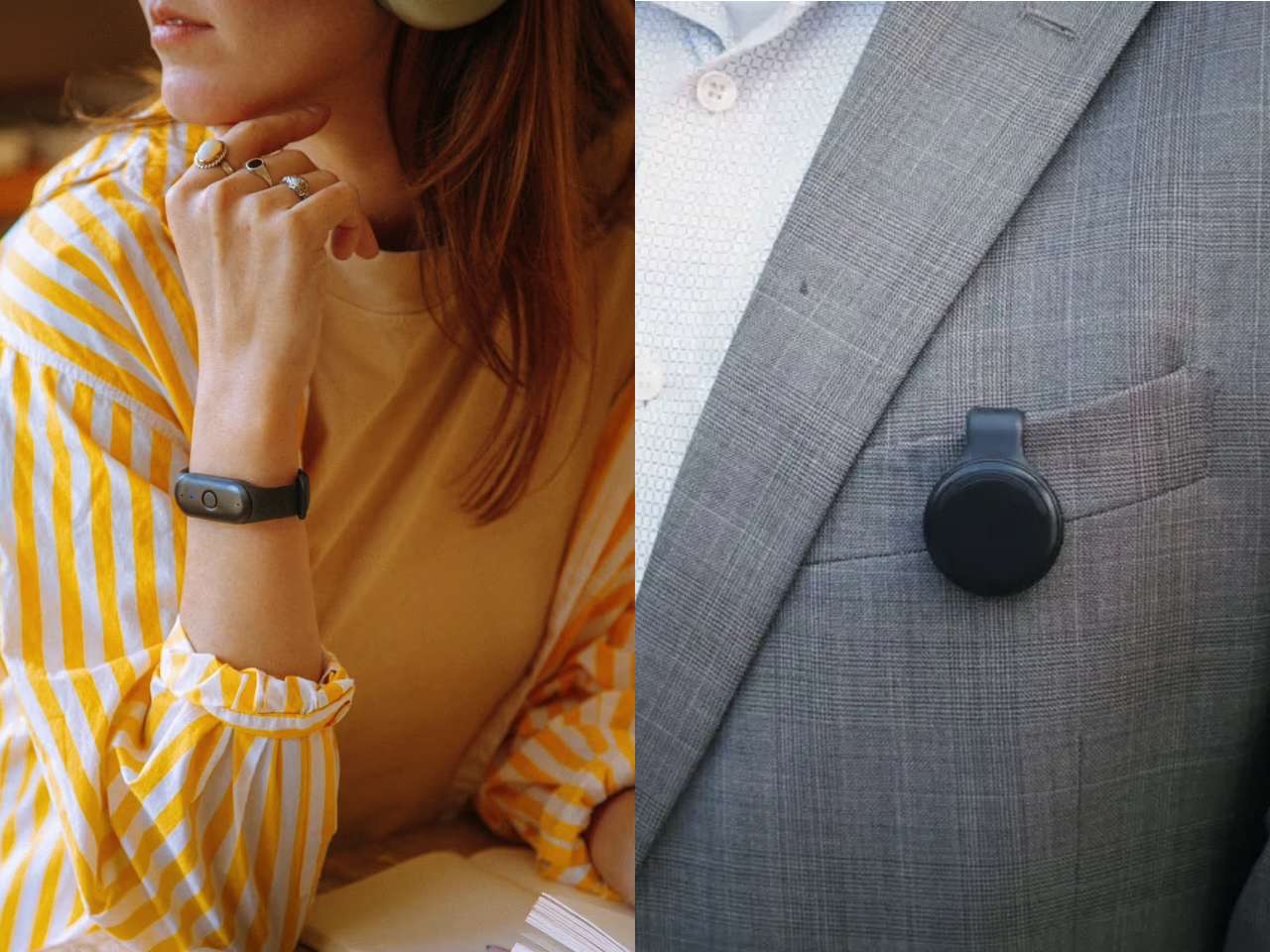
Bee is the wearable nobody talks about until they try it. It’s a wristband or clip that listens ambiently and builds a running context of what you’ve been doing, who you’ve been talking to, and what’s coming up. No buttons, no “hey Bee.” Battery lasts about a week (around 160 hours) on a single charge.
Amazon acquired Bee on July 22, 2025, and it’s being folded into the Alexa and Echo strategy. Bee’s stated approach is to process audio in real time and not store it, but “an Amazon device that listens to you all day” is a reasonable thing to think hard about before strapping it on.
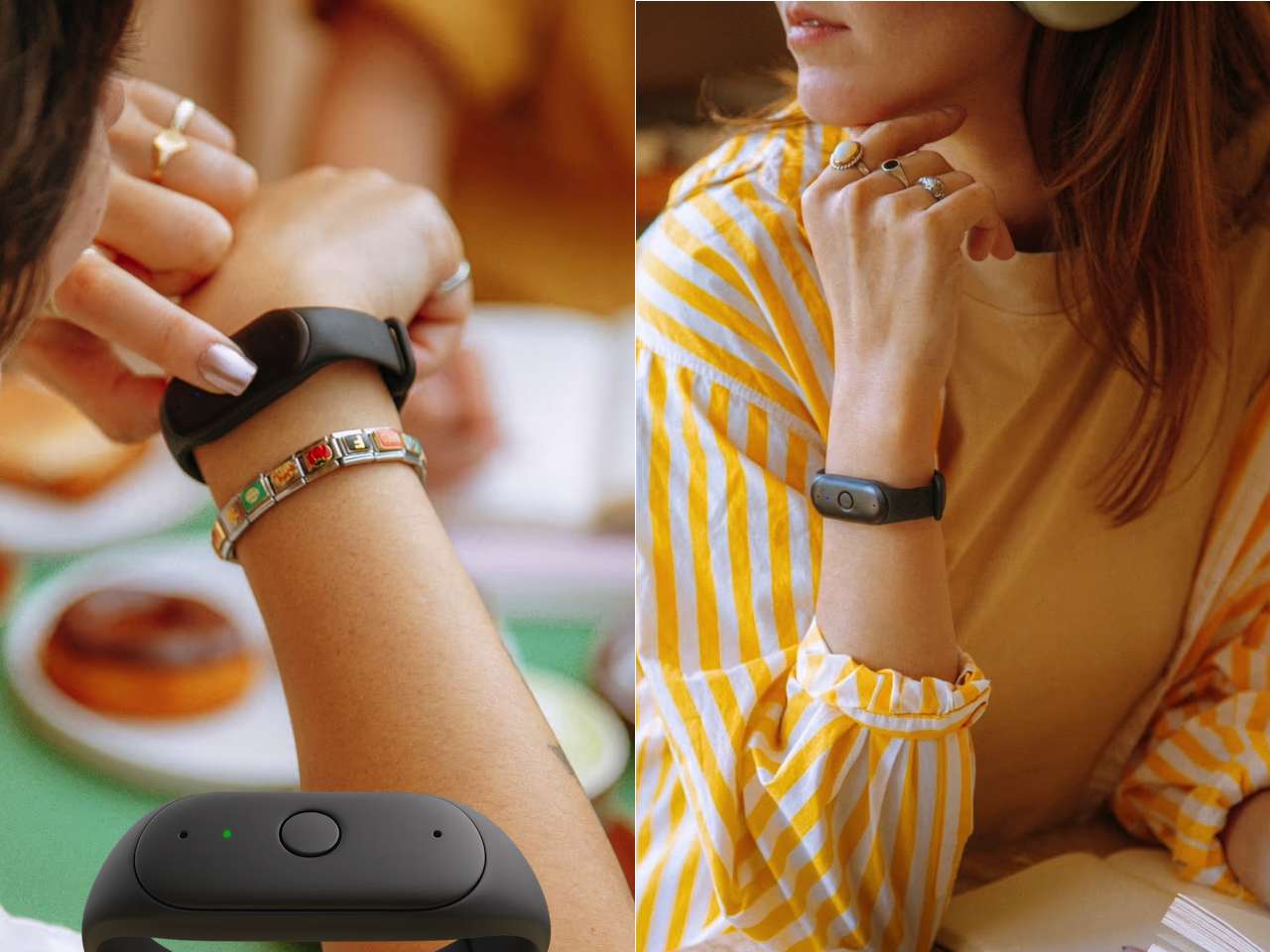
Price: $49.99
Where to Buy: Bee
What you actually use it for: end-of-day summaries you didn’t ask for but needed. Reminders that surface based on what you mentioned, not what you typed. Default behavior pauses recording after 15 minutes of silence, which mostly handles the awkward “did this thing record my therapist” question.
Where it falls short: the hardware feels like a v1 because it is one. The $19/month Pro subscription pushes year-one cost past $270, so the $49.99 sticker is misleading if you plan to use the AI features beyond the free tier.
Which One Should You Actually Buy
If you talk in meetings all day, get the Plaud NotePin S.If you want one wearable that handles translation, capture, and casual AI lookups, get the Ray-Ban Meta Gen 2. If you want to bet on where AI wearables are going, get the Brilliant Labs Halo and accept the rough edges.
If perfect conversation recall sounds like a superpower, the device that proved the use case (Limitless) is no longer sold to new customers. Wait to see what Meta does with it, or look at Omi if you can’t wait. If you just want to find out whether you’ll wear an AI wearable at all, the Bee is $49.99 to try (just budget for the $19/month sub if you stick with it).
None of them replace a phone. All of them replace some part of what you do with one. That’s the bar that finally got cleared this year.
Love our content?
Sign up for our newsletter today.
No ads, no spam, just links to our latest articles!