

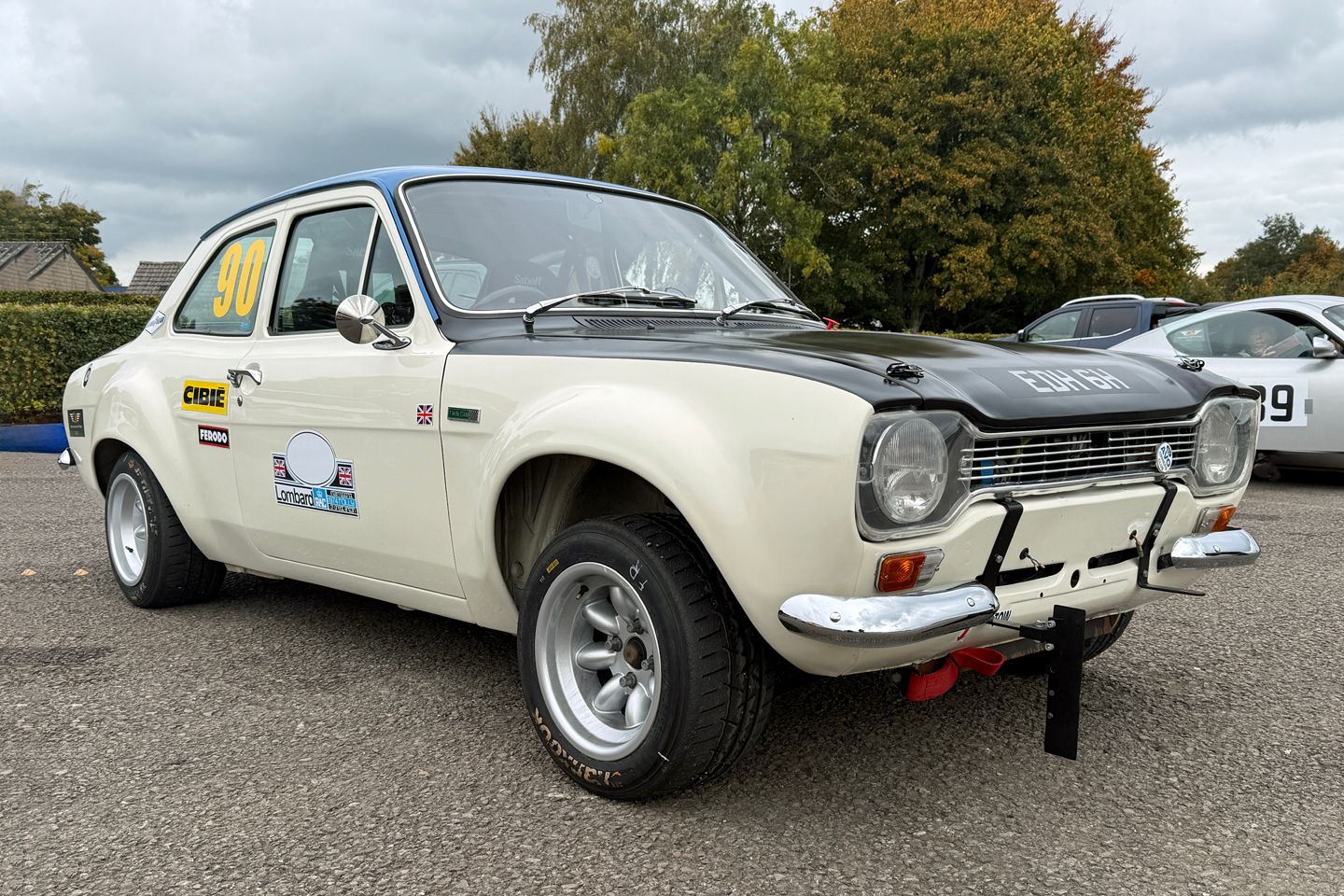
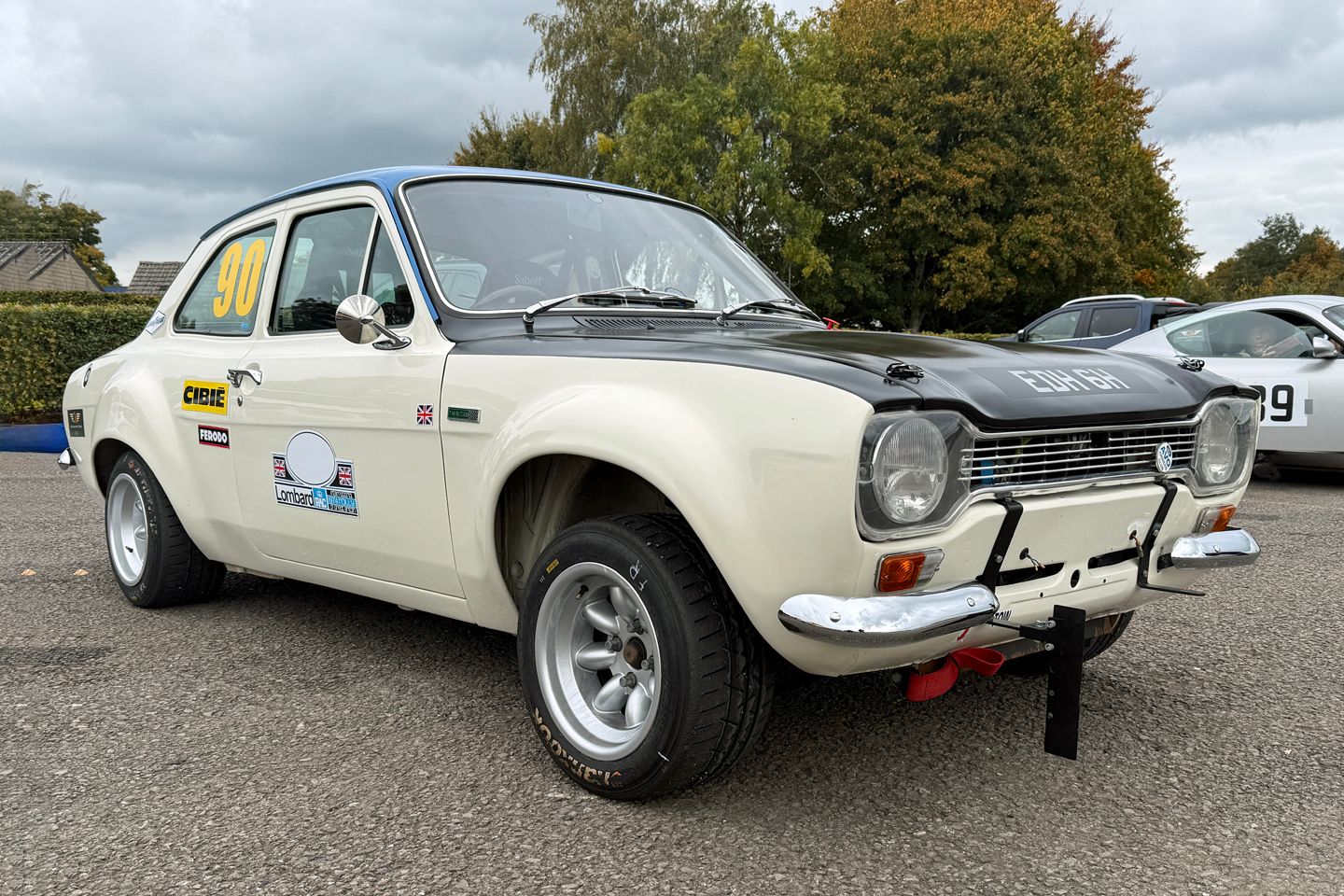
A couple of years ago I admitted to making what was either a very brave or a very stupid decision. Time hasn’t really clarified which. I emptied a significant part of my life savings into an original Ford Escort Mk1 Twin Cam rally car. Not a replica, not a lightly warmed-over fast road car, but a genuine period competition car with a proper history. The logic, if there was any, was simple enough: try to follow, in some small way, what my dad had done in the early ’70s.
This particular car, you might recall, had finished seven places ahead of his on the 1971 Daily Mirror RAC Rally. That fact alone shouldn’t mean much, but it did. It created just enough of a thread to pull on. Something tangible. A way of convincing myself that this wasn’t entirely ridiculous.
Of course, it was. “Bravely stupid” felt like the right label at the time, and it still holds up for three fairly obvious reasons. First, I had never driven a single competitive metre on a rally stage. Circuits, yes. Plenty of those. Put me in a helmet and point me at a ribbon of tarmac with runoff and I’m relatively comfortable. But rallying – reading grip, trusting notes, dealing with surfaces that change corner to corner – that was completely alien.

Second, while I’ve always understood how cars work in theory, I’d never really had to rely on that knowledge. In previous racing, there was always a team. Talented mechanics, engineers, people who knew exactly what to tweak and when. If something broke, you told someone. If something felt wrong, you explained it. Then you got back in and drove. This time, that someone is me.
And third, and probably most importantly, this isn’t something you can afford to get wrong. This Twin Cam is one of just 28 cars worldwide with FIA Historic Technical Papers, and one of only six in the UK. It ran events like Rally Wales, Circuit of Ireland and the Semperit Rally in period. It’s not just valuable financially; it’s a piece of motorsport history. Every decision carries weight, whether that’s how hard you push it or whether you pick up the spanners at all.
So yes, bravely stupid still feels accurate. What’s made the whole thing feel slightly less reckless has been the PH community. From the outset, people have got in touch with advice, encouragement, and, crucially, realism. Suggestions on how to approach learning the car, where to compete, what to prioritise. It’s helped turn what could have been a very expensive mistake into something that at least resembles a plan.
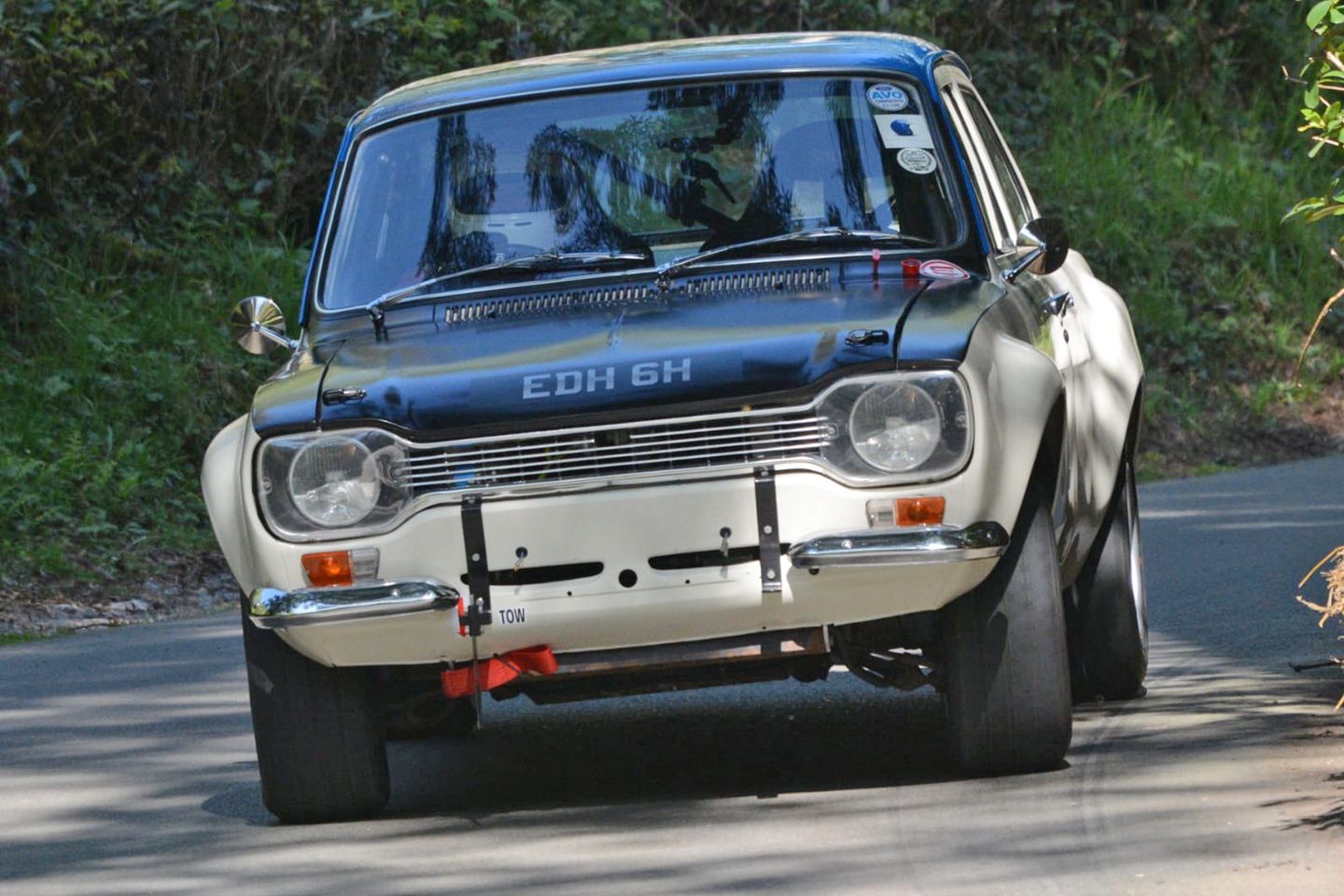
The early focus was simple: learn the car, learn myself, and don’t do anything too irreversible. That meant starting with shorter, controlled events in sprints and hillclimbs where the consequences of getting it wrong are (generally) smaller and the feedback is immediate. But while that gave me direction, it didn’t quite give me purpose.
The Roger Albert Clarke Rally sits in the background as the ultimate target. It’s hard not to think about it when you own something like this. But realistically, that’s a big step, financially, logistically, and in terms of ability. 2027 at the earliest, and even that feels ambitious. Then, earlier this year, something else cropped up.
Back in 1974, my dad competed in the Avon Motor Tour of Britain. He was driving for Vauxhall, my mum was navigating, and the event itself was a proper mixed-discipline challenge. Circuits, rally stages, road sections, and a field that mixed rally drivers with circuit racers. James Hunt was there. Roger Clark too. All in cars you could, broadly speaking, buy yourself. It was a proper test of versatility.
So when I saw the launch of the Rewind Tour Britain, it immediately struck a chord. Same DNA. Same idea. A modern take on that mixed format, aimed squarely at historic machinery. More importantly, it fits. It’s tarmac-based, which plays to what I already know while still pushing me into the unknown. It’s open to Group 2 FIA HTP cars, which the Twin Cam sits neatly within. And it offers something I hadn’t quite had before: a clear, meaningful goal that ties back to the reason for buying the car in the first place.
So that’s the plan. Build towards Rewind Tour Britain 2027. In the meantime, the car has been doing a decent job of reminding me why I bought it. Last season saw a handful of results that, if nothing else, suggest we’re heading in roughly the right direction. Second overall in the Historic section of the Classic Marques Speed Championship was a highlight, along with Best Britsport Car. But the one that probably meant the most was the “Driving for the Crowd” award. Which is a polite way of saying it spends a lot of time sideways.
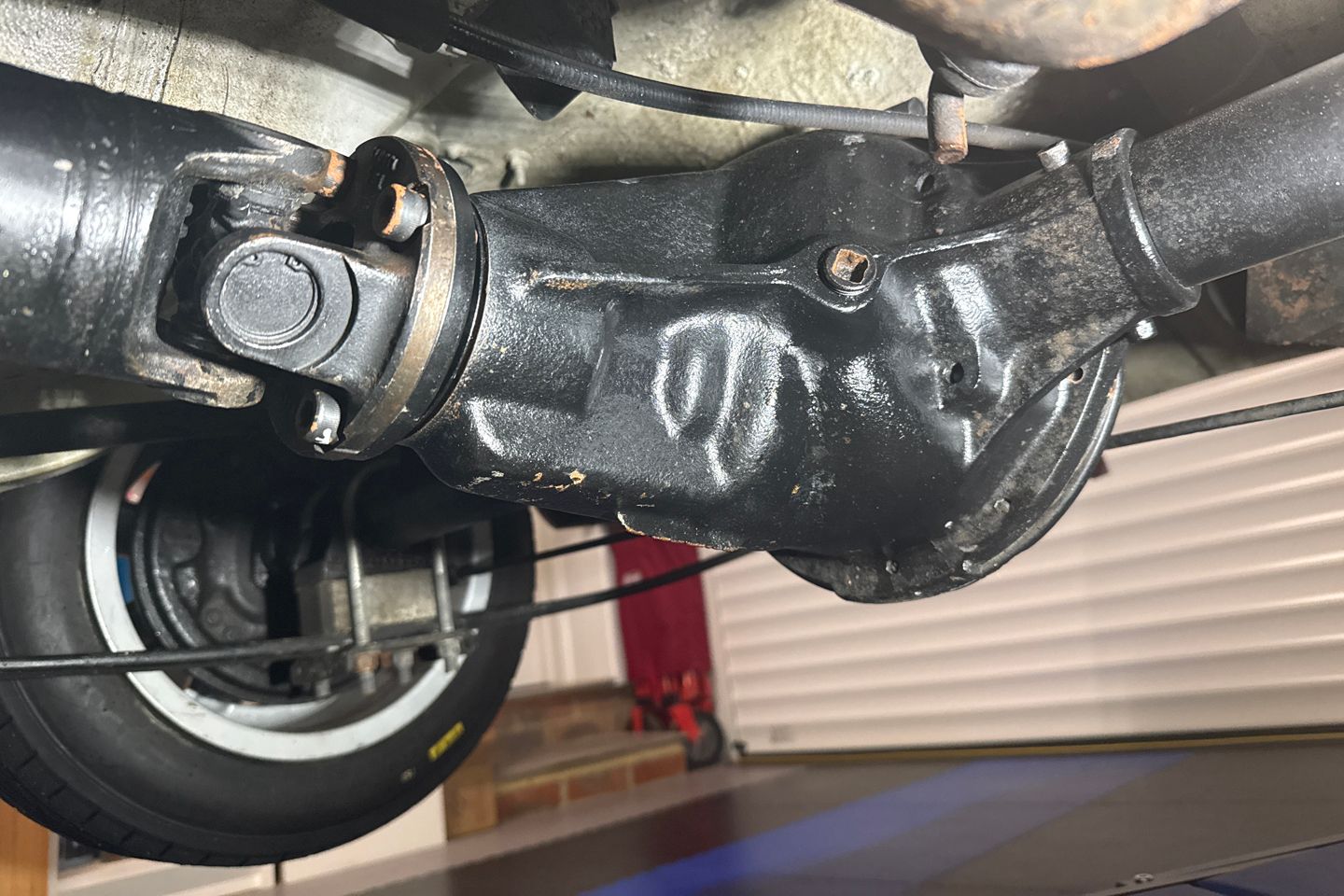
The Twin Cam has a way of encouraging that. Or possibly insisting on it. Either way, I’m learning to work with it rather than against it. But it hasn’t been flawless. Winter was spent addressing a few of the smaller niggles and one slightly more involved job. The differential.
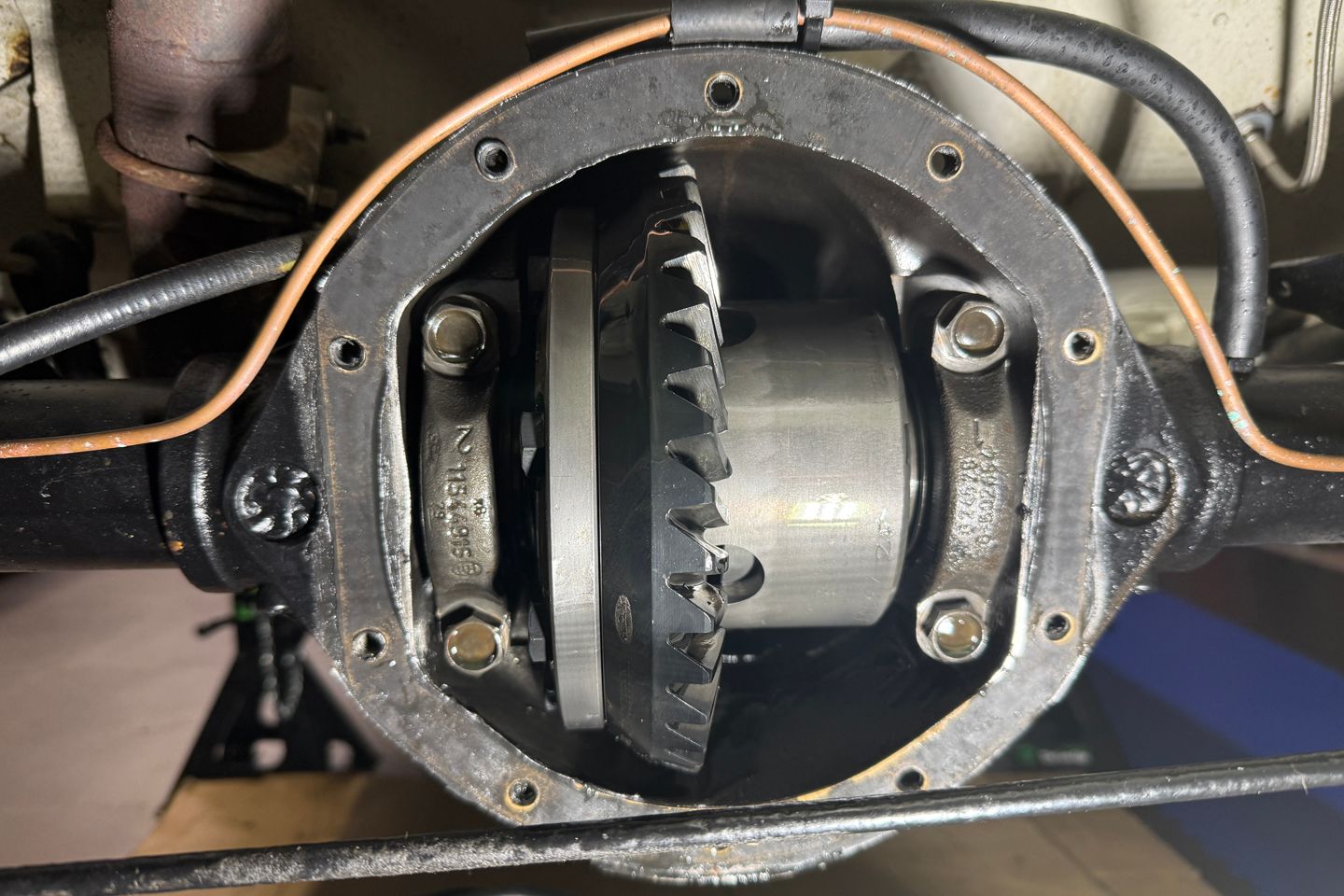
The car had been running a 4.6:1 setup, which, paired with the close-ratio gearbox, made it feel properly lively out of slower corners. Great for tight venues, less so when you start stretching its legs. At places like Castle Combe and Anglesey, it was simply running out of revs too early. The answer was to drop to a 4.1:1 ratio. Straightforward on paper, less so in practice when you decide to rebuild it yourself.
This is where the project took a definite turn into the deep end. Rebuilding a differential isn’t conceptually complicated, but it’s precise. Everything matters – preload, backlash, contact pattern. Get it right and it’ll run quietly and reliably. Get it wrong and you’ll know about it very quickly.
It also requires tools. Lots of them. Presses for bearings. Bearing separators. Dial gauges accurate enough to measure backlash properly. Torque measuring equipment for preload. Marking compound to read the gear mesh pattern. And then the slightly more niche process of creating setup bearings so you’re not repeatedly pressing new bearings on and off during trial assembly.
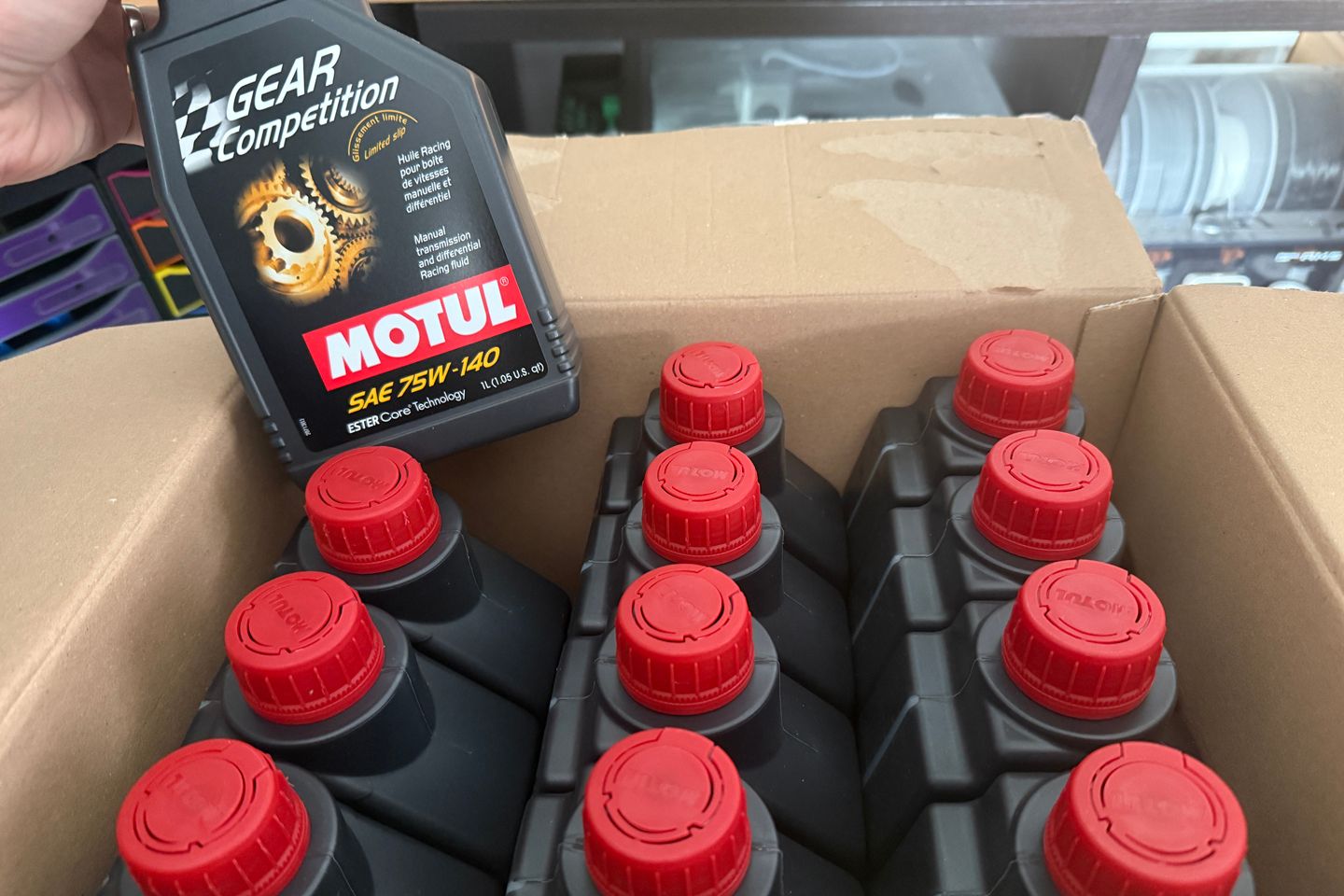
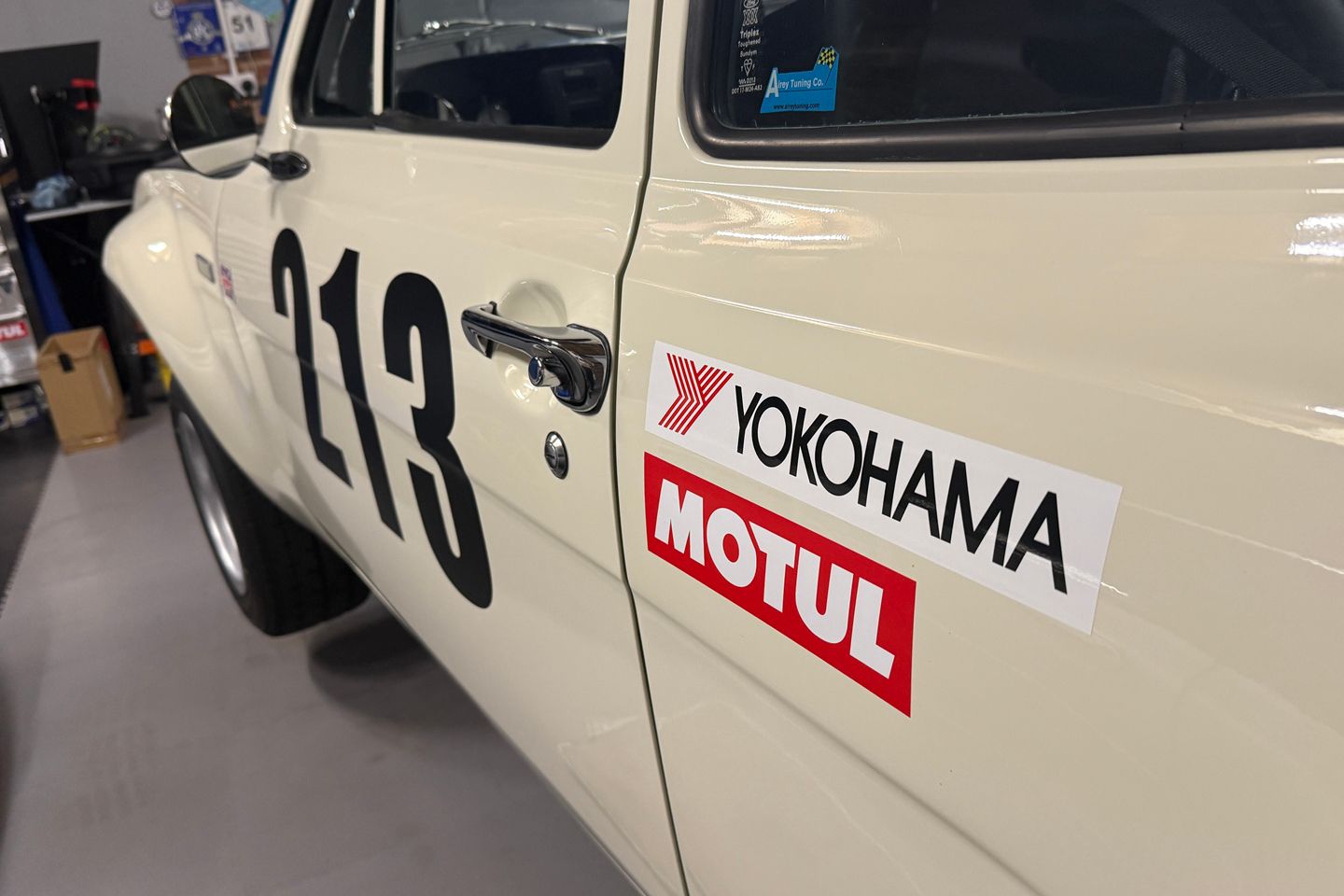
It’s the kind of job that forces you to slow down and think. Measure, adjust, measure again. Accept that you’ll get it wrong a couple of times before you get it right. Oddly, that’s part of the appeal. Motul have been brilliant here, too, supplying their LSD-compatible diff oil, enough to cover multiple iterations, which feels like a realistic safety net. Having that consistency also removes one variable from the equation, which helps when you’re trying to learn.
Beyond the drivetrain, attention turned to the wiring. Like many older competition cars, it had evolved over time. Gauges added, removed, half-connected, or simply not working. It wasn’t catastrophic, but it wasn’t ideal either. Then, in a very PH moment, someone got in touch who’d previously worked on this exact car. That immediately shortcut a lot of the guesswork. We were able to focus on known weak points, tidy up the loom, and get everything functioning as it should.
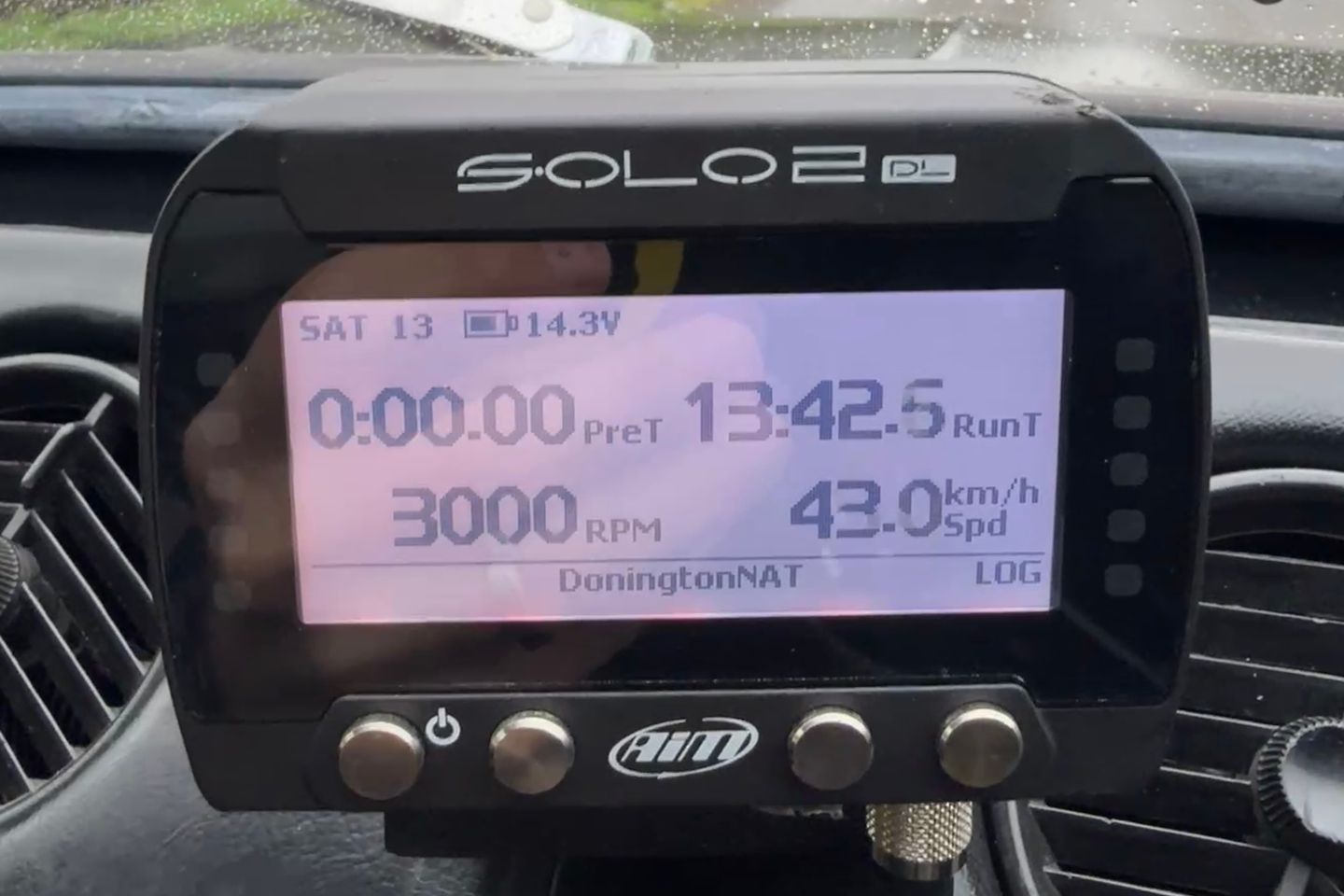
Well, almost everything. The fuel gauge still doesn’t work, but given there’s no sender, that feels like a fair excuse. I also made a slight concession to modernity and fitted an AIM Solo 2 data logger. It’s wired into the coil for RPM and will give me basic performance data – lap times, speed traces, that sort of thing.It’s not period-correct, obviously, but it’s useful. And at this stage, learning probably outweighs originality.
With the car feeling more sorted, the plan for this season is to build on what worked last year. That means going back to the Classic Marques championship and having a proper go at winning it outright. It’s familiar territory, but still challenging enough to keep pushing both the car and me.
To help with that, Yokohama have supplied a set of A052s. If you spend any time around sprint and hillclimb paddocks, you’ll know how highly they’re regarded. Grip, consistency, and the ability to work across a range of conditions. I’ll report back once we’ve got some runs on them, but expectations are… optimistic.
So that’s where things stand. A slightly better-understood car, a slightly less clueless driver. And no less prominently, a clearer direction, and a goal that actually ties everything together. Clearly, there’s still a long way to go. Rallying isn’t something you pick up overnight, and the margin for error in something like this is slim. But that’s part of it. If it were easy, it probably wouldn’t mean as much.
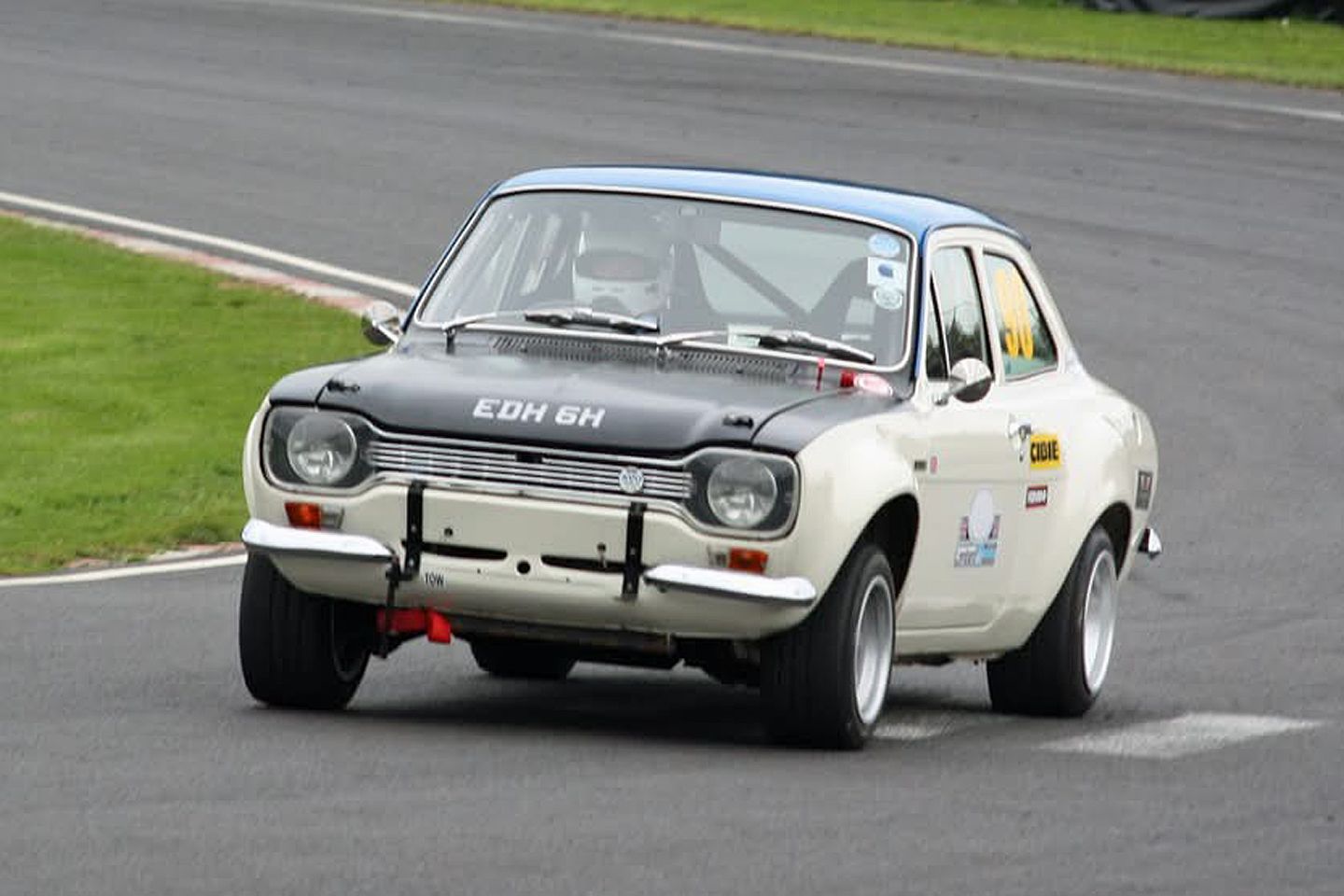
If nothing else, it’s given me a new appreciation for what my dad did back then. The pace, the commitment, the ability to trust both the car and yourself when the surface, the conditions and the stakes are all shifting around you. Whether I ever get close to matching that is another question entirely.
But for now, just getting the Twin Cam out, keeping it running properly, and letting it do what it was built to do feels like a good start. And really, there aren’t many better ways to spend a weekend than listening to one of these on full chat, slightly sideways, doing exactly that. Roll on the season.
FACT SHEET
Car: 1971 Ford Escort Mk1 Twin Cam
Run by: RacingPete
On fleet since: April 2024
Mileage: 340 (though probably 50,000 if dials weren’t replaced)
Modifications: FIA Historic Group 2 Specification
Picture credit: Tony Galbraith