

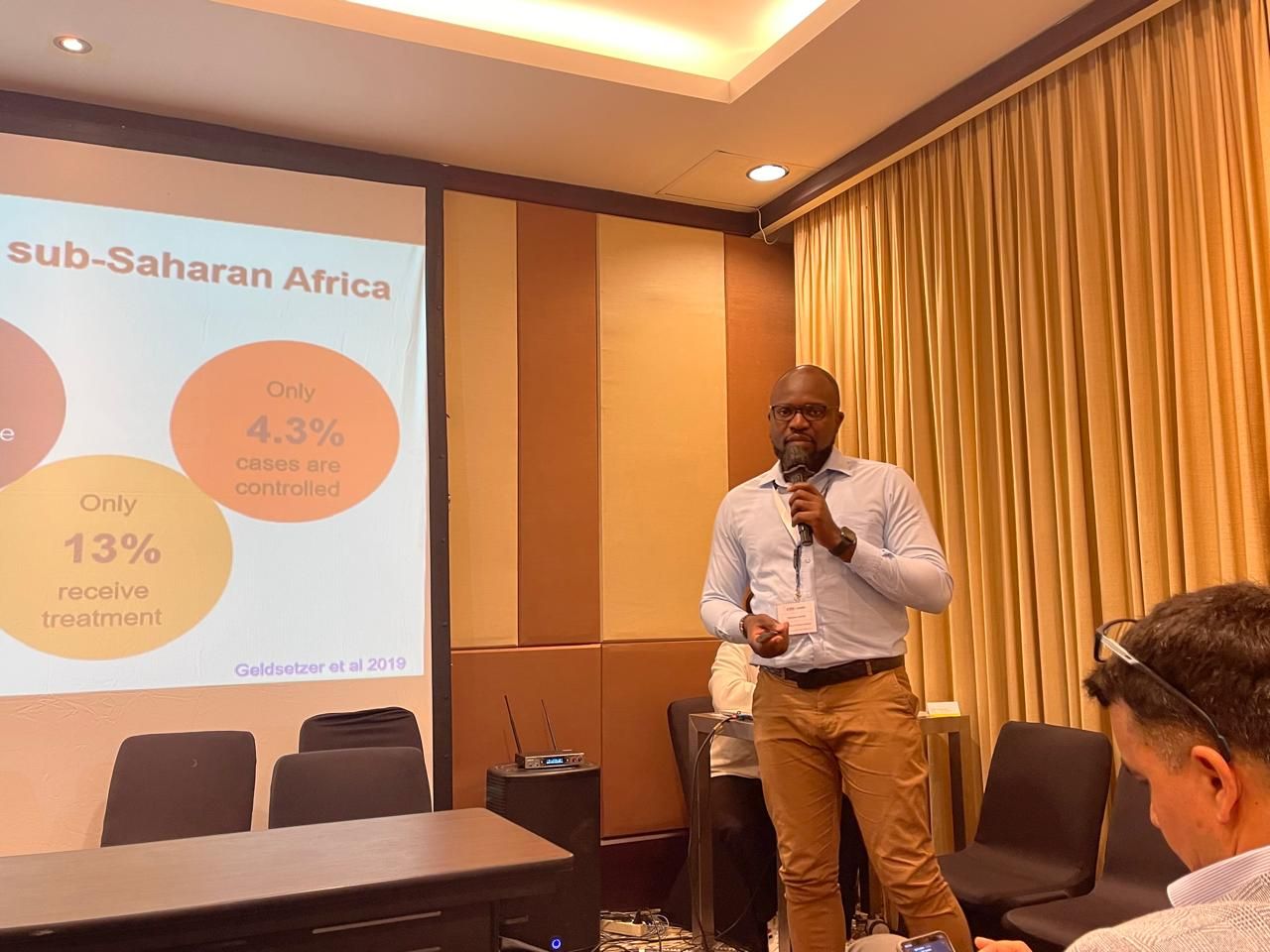
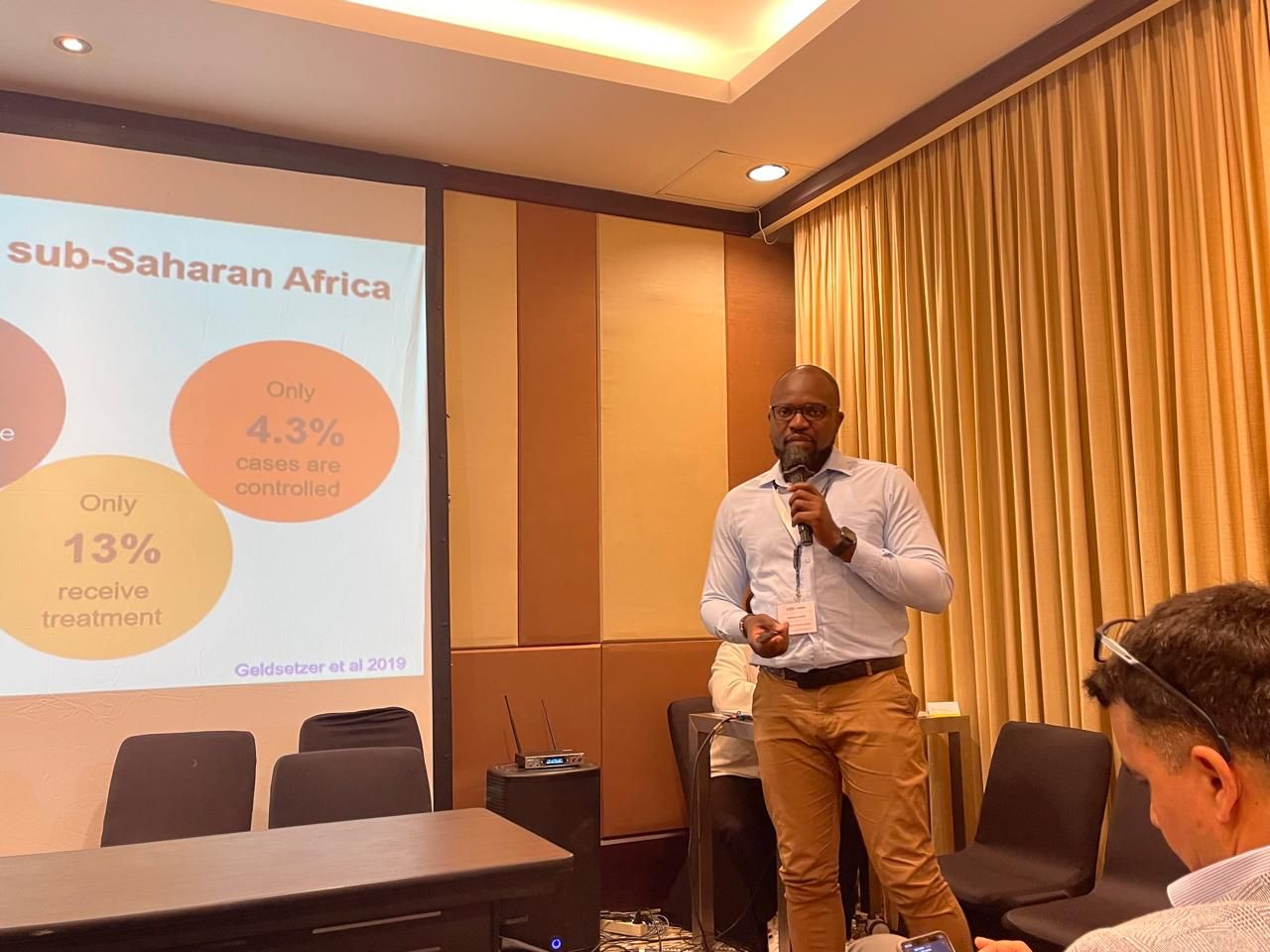
The growing burden of non-communicable diseases (NCDs) in low- and middle-income countries presents significant challenges for health systems that were historically structured to address infectious diseases.
Hypertension is among the leading contributors to cardiovascular morbidity and mortality, yet the capacity of primary healthcare systems to provide consistent hypertension care remains uneven. This study explored how health system capacity for hypertension management is shaped within rural coastal Kenya, focusing on the interaction between structural health system components and organisational processes.
Using a qualitative case study approach in Kilifi County, the research examined the role of both health system “hardware”—including medicines, infrastructure, human resources, and financing—and health system “software”, such as relationships, knowledge, norms, and management practices. Data were generated through interviews with health workers, managers, and policymakers alongside document reviews to understand how these elements interact in routine service delivery.
The findings demonstrate that constraints in hypertension service delivery extend beyond simple resource limitations. While shortages of antihypertensive medicines were frequently reported, these stock-outs were linked to broader systemic challenges, including delays in financial disbursement, procurement bottlenecks, and weaknesses in forecasting and supply management systems. These structural limitations disrupted the availability of essential medicines across facilities.
In response to these challenges, frontline health workers often adopted adaptive strategies to sustain service provision. Facilities borrowed medicines from neighbouring institutions, rationed available drugs among patients, or relied on alternative procurement channels when official supply chains failed. Although these practices enabled short-term continuity of care, they also highlighted the fragility of the underlying system and the extent to which service delivery relied on informal coping mechanisms.
The study further highlights the role of organisational and relational factors in shaping hypertension care. In some facilities, collaborative relationships among clinicians and pharmacists facilitated innovations such as medication therapy management clinics aimed at improving treatment adherence. However, the sustainability of these initiatives was often limited by staff shortages and inadequate managerial support.
Capacity gaps were also evident in training and knowledge systems. Many frontline health workers reported limited access to continuing professional development related to NCD care and relied largely on their initial clinical training. Treatment guidelines were not consistently disseminated, and supportive supervision from higher levels of the health system was limited. These factors contributed to variability in clinical practice across facilities and constrained the effective management of hypertension at the primary care level.
Infrastructure limitations further affected service delivery. Many primary healthcare facilities lacked adequate consultation space, equipment maintenance systems, and reliable diagnostic tools such as functioning blood pressure monitors. These constraints reduced the ability of facilities to provide consistent and high-quality hypertension care.
Taken together, the findings suggest that health system capacity emerges from the interaction between structural resources and organisational processes. Challenges in hypertension care cannot be understood solely through the availability of medicines, equipment, or personnel; rather, they reflect the broader dynamics of governance, communication, and relationships within the health system.
These findings underscore the importance of adopting a systems perspective when strengthening NCD services. Policy responses should address both the structural and relational dimensions of health systems, including improvements in procurement and supply chain management, investment in workforce training and supervision, and strengthening of primary healthcare infrastructure.
As the burden of hypertension continues to rise, strengthening health system capacity will require coordinated interventions that address the complex interactions shaping service delivery. Recognising and supporting the adaptive practices of frontline health workers may also provide valuable insights for designing more resilient health systems capable of responding to the growing challenge of NCDs.