

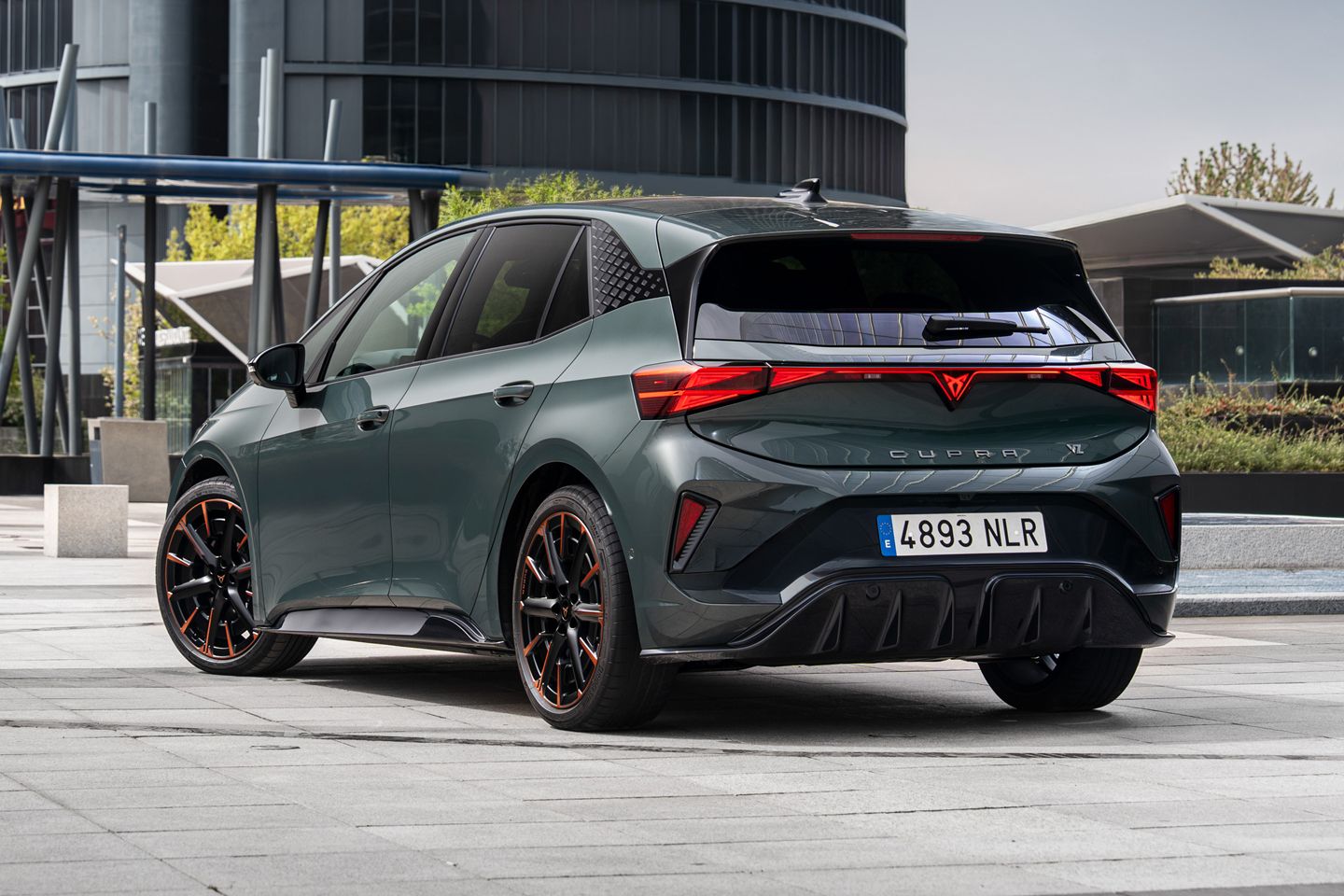
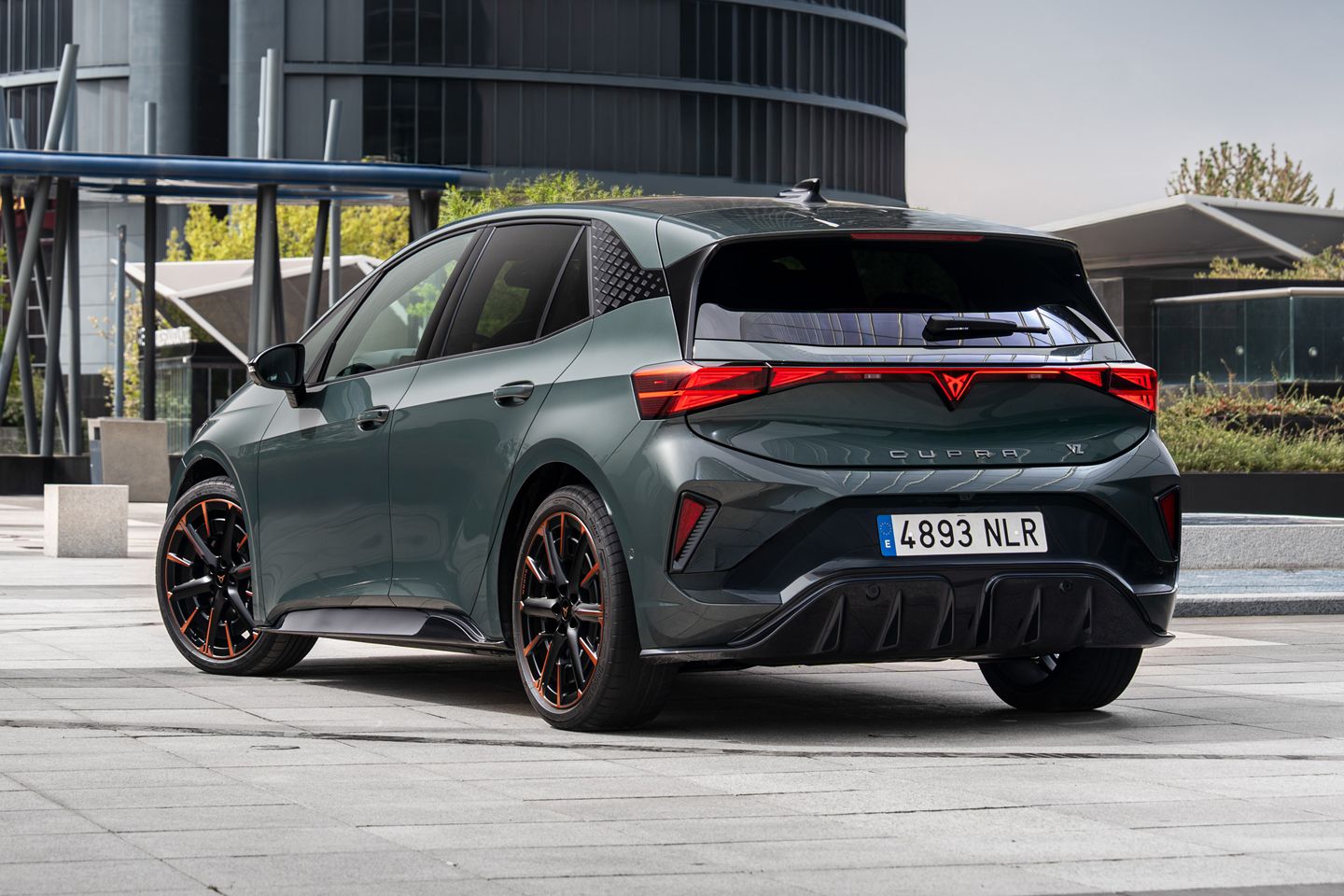
The Cupra Born VZ has previously enjoyed something of a privileged position in the electric hot hatch segment – in the sense that it was impressively early to market, and didn’t face many rivals. Well, all that’s changed recently, and things are going to get busier still as manufacturers seize upon the idea that small, comparatively affordable EVs are the way forward. Hence the timeliness of this mid-life update. The basic recipe is the same: 326hp sent to the rear wheels, aided and abetted by an electronic limited-slip differential and a 79kWh battery. But a longer 389-mile range and claims of improved ride quality suggest it should be more fun more of the time, while a spruced-up exterior design and enhanced interior mean it should be nicer to live with.
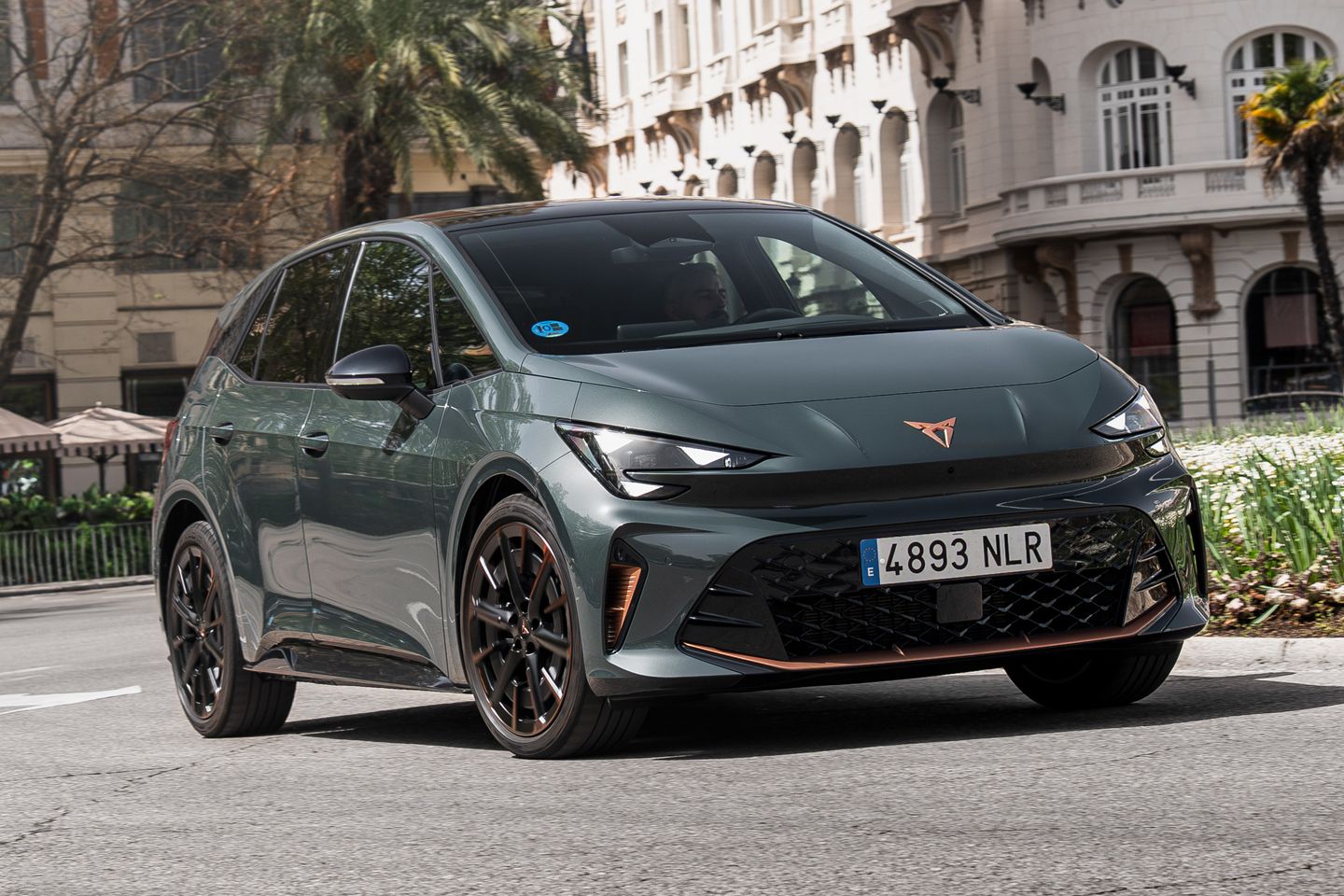
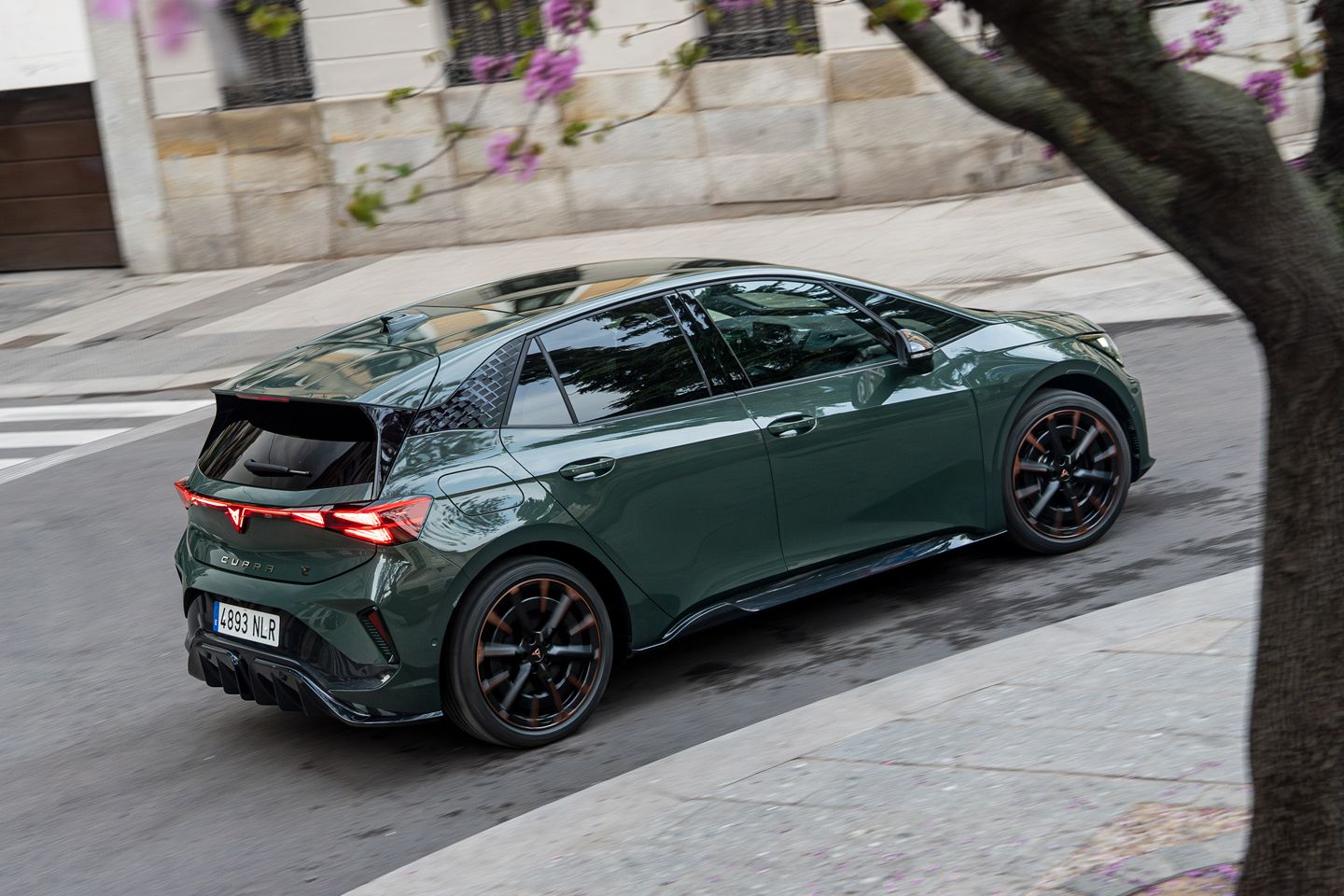
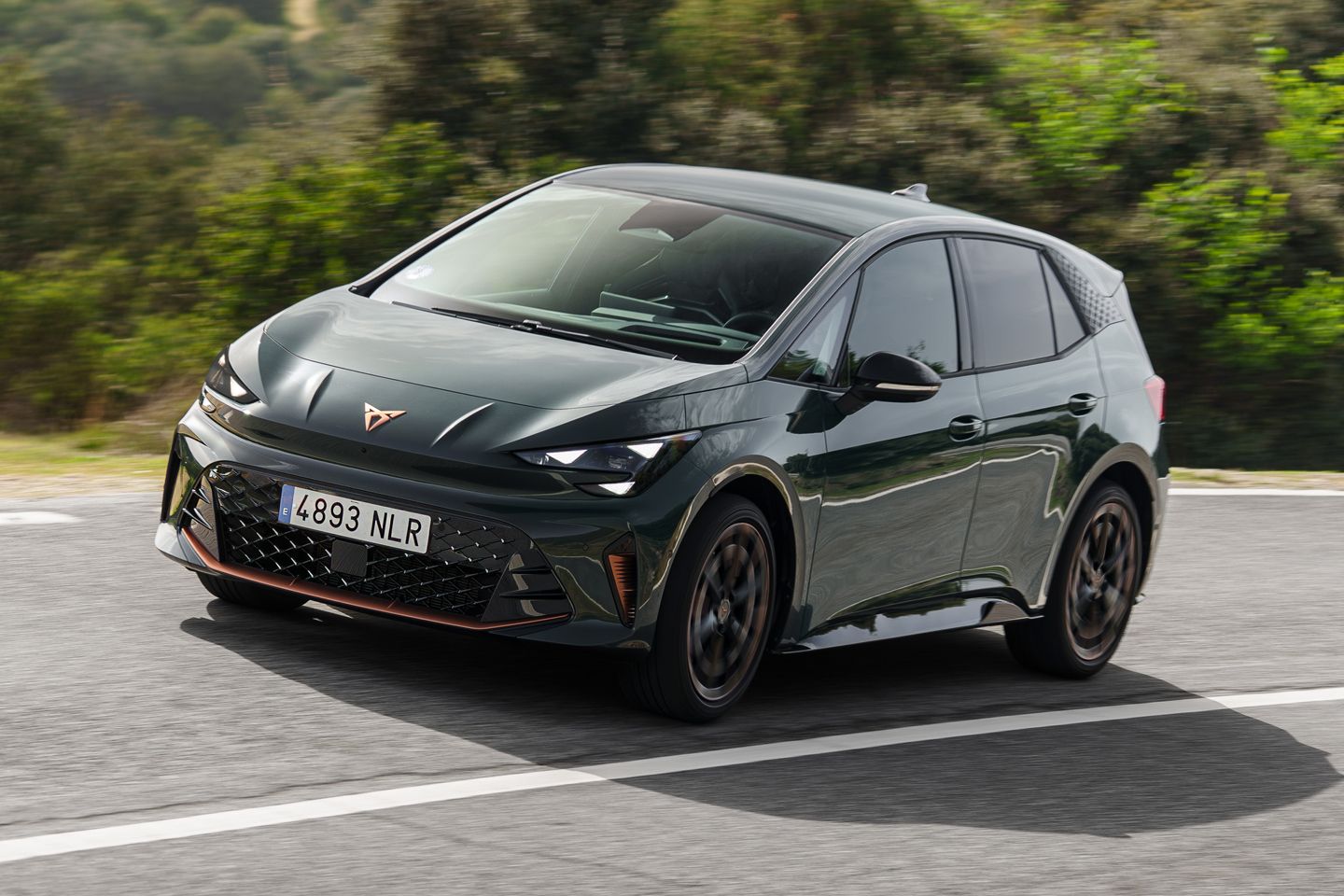
It looks great, don’t you think? The new LED lights, with Cupra’s three-triangle DRL setup gives the nose more attitude, while the bronze splitter and gloss black grille all look properly hot hatch. The 20-inch wheels of the VZ get a new part-black, part-bronze design too, and while VZs aren’t offered with the 19s of lesser Born models, buyers who do shop at a lower rung get the new designed rims as well.
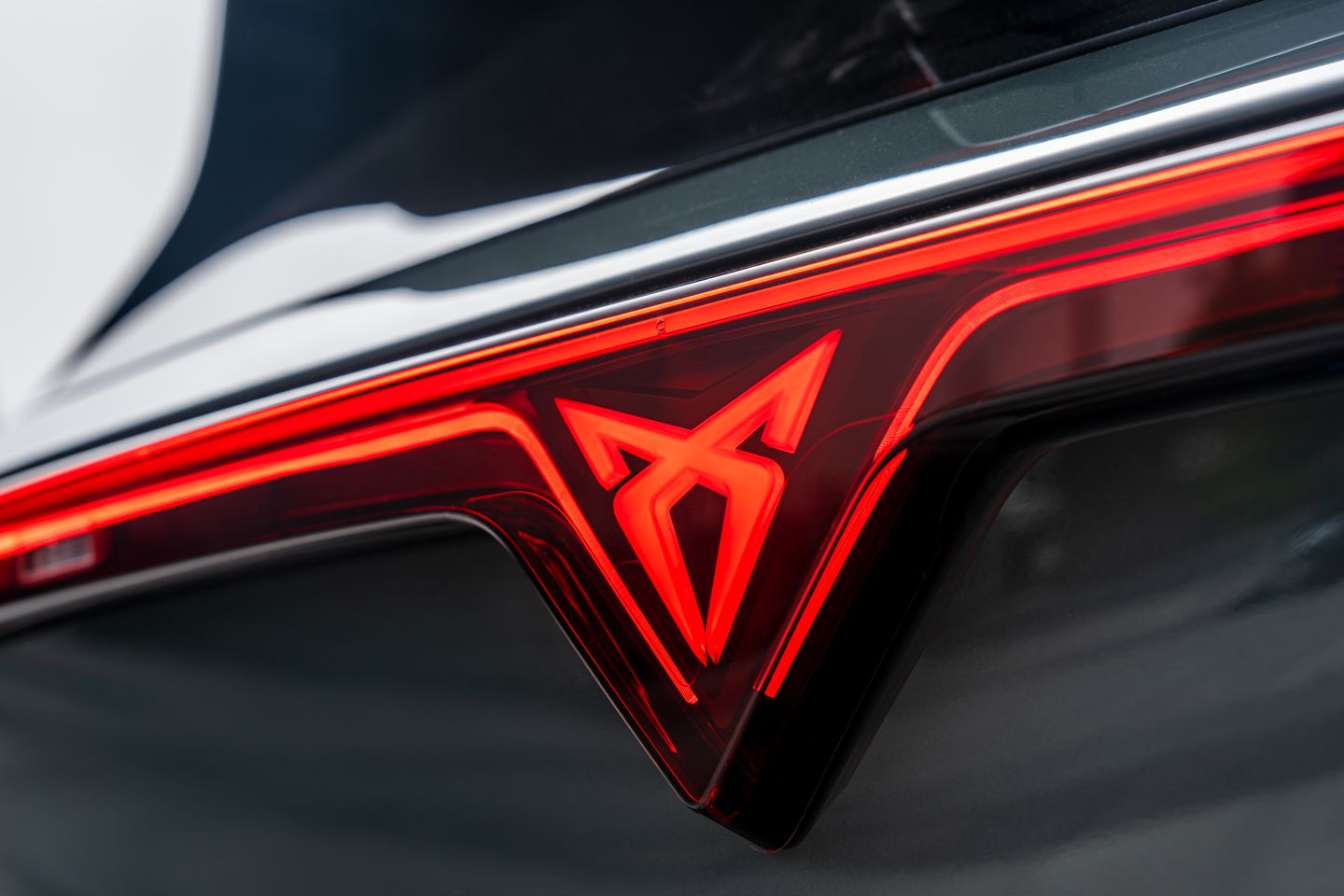
Arguably the boldest change to the exterior design is at the back, where a totally fake but very prominent two-part rear diffuser has been added to the bumper. It has no effect whatsoever on aero performance and feels very much like twin fake exhausts on a petrol car. But in a purely design sense, it does kind of work. You’ll have already made up your mind, of course. Same goes for the rear badge’s integration into the light bar, which has meant relocating the boot opening button to under the bar itself.

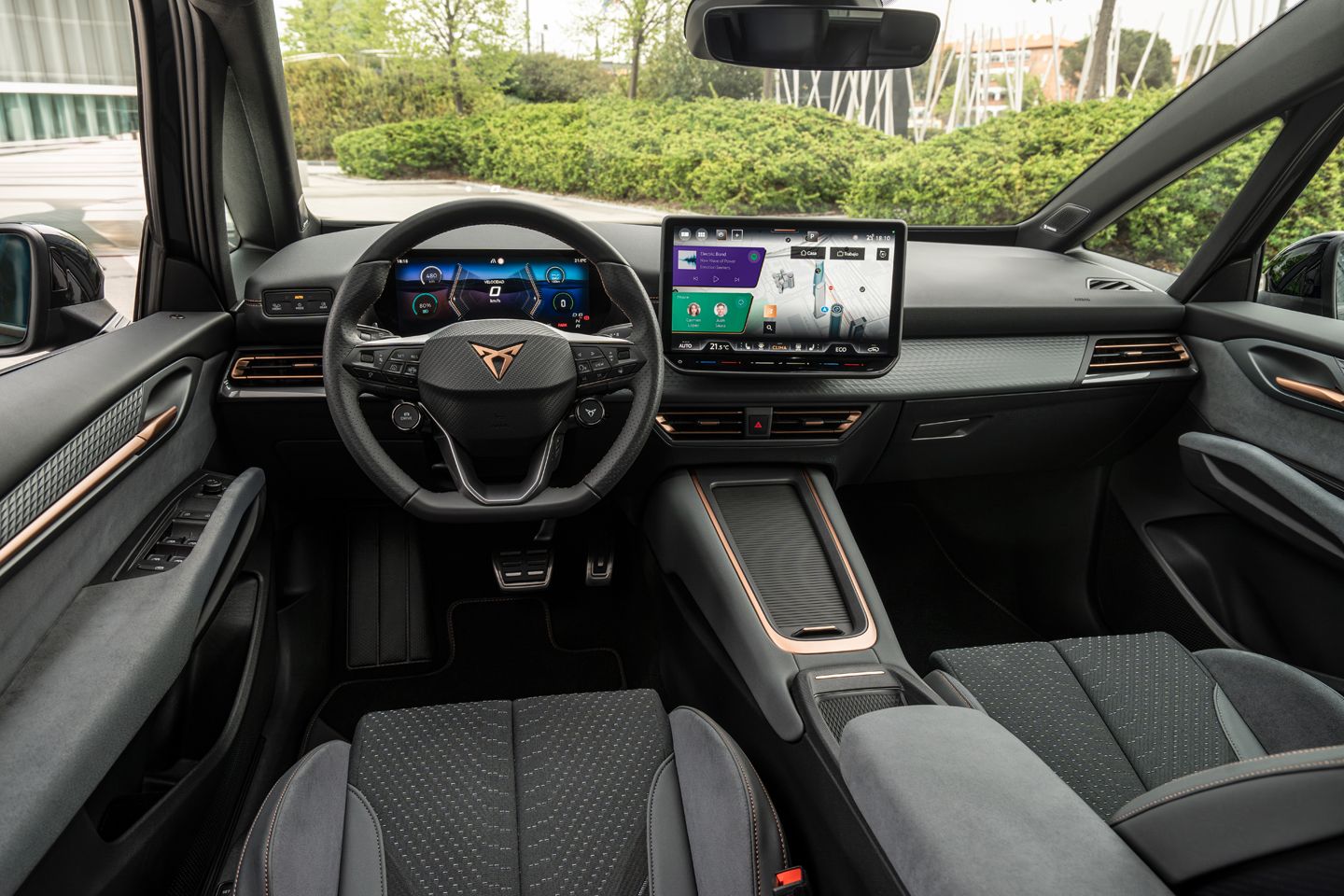
Inside, the changes are subtle but welcome. The biggest difference between the pre-facelift cabin and this one is the driver instrument cluster screen, which has grown to 10.25 inches and now features a much slicker design that can be customised with different views. It’s more active with its graphics and is joined by a new simulated ‘engine’ sound that’s more spaceship than car, though it does add to a growing impression of speed.
The 12.9-inch screen atop the dash is more recognisably VW Group. Yes, it still gets the (soon-to-be phased out) slidey heater controls, but the Android software it’s running makes for quick, easy use. It still requires a tap of the ‘assist’ digital button and then individual taps to switch off each annoying ADAS feature, but at least the permanent on-screen shortcut to do it is not buried deep in the menus.
Bucket seats are standard across the range and our test car came with the Cup Sabelts of the VZ setup, offering a low seating position and great lateral support, though there’s still enough width on the bottom cushion for a variety of body shapes to get comfortable. The wheel ahead is finished in perforated leather as you’d expect, but best of all, it gets actual buttons, meaning no more accidental pressing of the cruise or media controls while you’re mid-corner. This is significant not least because Cupra in its standalone era has never had proper steering wheel buttons. Mad, isn’t it?
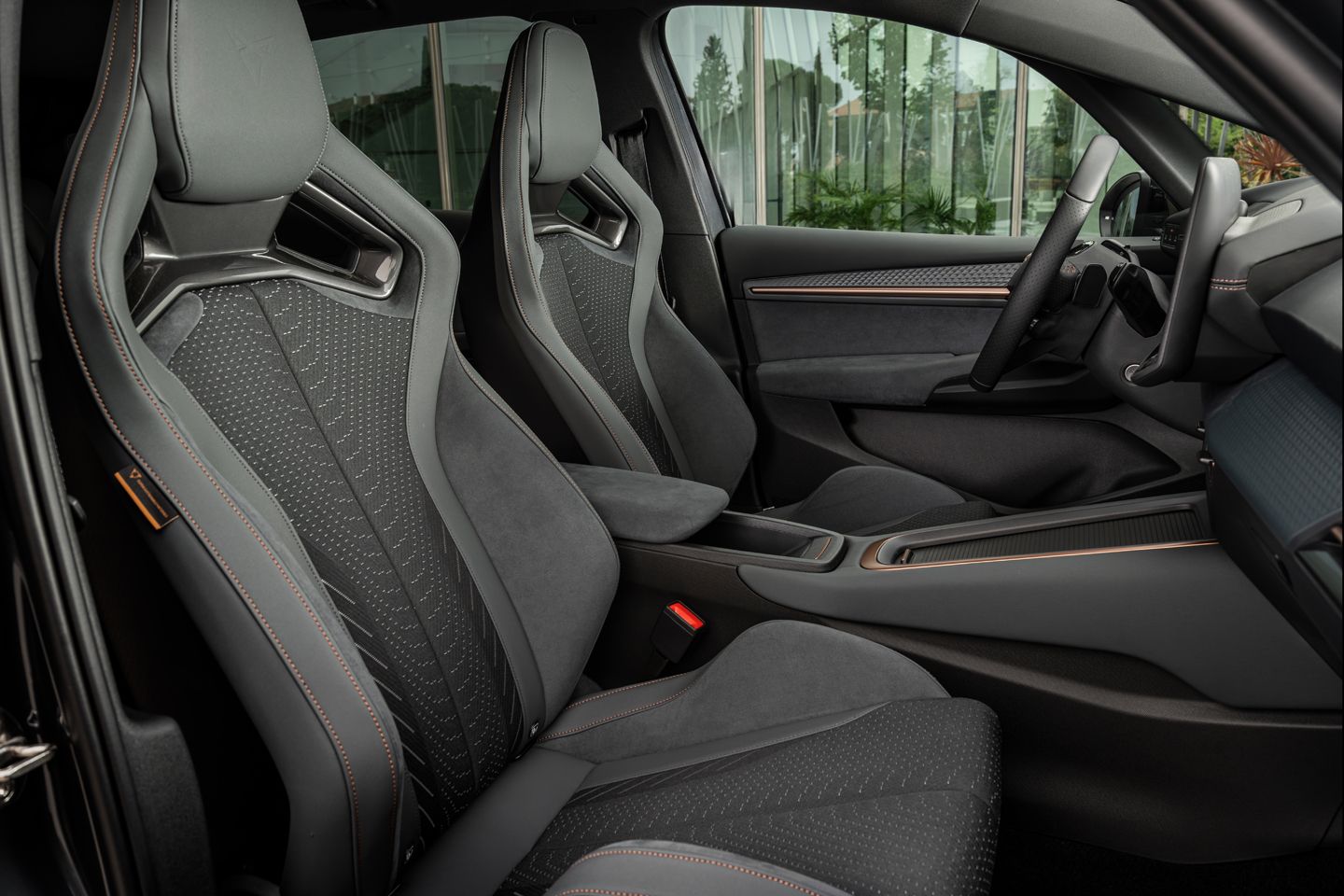
While the general mix of sustainably sourced trim materials has seen an uplift – and passengers in the back now get rear vents to heat or cool them – the cabin of the Cupra Born is largely as before. Which is to say it’s spacious both front and rear, interesting to behold and functionally strong. The boot, for example, is bigger than that of the MG4 and just about beats that of a VW Golf. Plus, with some underfloor storage, your charge cables can be hidden away and kept from sliding around annoyingly at speed.
Is the Born VZ quick? Well, from 0-30mph it is, with a strong jolt of Launch Control acceleration off the line when you set the car to Performance or Cupra modes. The spaceship sounds, digital speed illustrations on the instrument cluster screen and even ambient lighting add a synthetic but genuinely quite fun element to the launch, though over 30mph, much as it did before, the thrust begins to fade, meaning the VZ is not a 300hp-plus hot hatch in the traditional sense. For some, that shortcoming will ensure the car remains at the end of a very long barge pole, but for others, the promise of its rear-drive status resides in the handling (read: oversteer).
If you’re a VZ devotee for this very reason, rest assured that this can be requested at virtually any roundabout. With the ESC fully off, the Bridgestone Potenza Sports do not put up much of a fight and willingly let the limited-slip e-diff send the tail wagging. Either this brake and torque-actuated ‘diff’ dials things back at a certain angle or the ESC does actually remain a bit on, but the result is slides are never particularly lairy. It’s all fairly safe, though no less amusing for it.
If that seems not entirely pertinent, then you’ll be happy to learn the ride has improved too, with adjustments made to the rear suspension seemingly resulting in better compliance over the worst cracks and creases of our Spanish test route. And with barely any weight over the nose, the steering – obviously devoid of feel but actually nicely weighted – feels crisp and predictable. Charging down a twisty lane in a VZ is therefore enjoyable enough – or about as enjoyable as a battery-powered hatchback can be when it tips the scales at two tonnes.
That’s mostly by the by: the only real complaint from a driving point of view is the brakes, which, though strong in their own right, are controlled by a pedal that becomes spongy when you’re using the adjustable regen (via shift paddles on the wheel). It’s not the worst out there in this regard, with just about enough firmness to remain reassuring – but you use it like a switch, rather than with effective modulation, so it’s definitely a weak point. I found it best to switch off the regen entirely when going quickly, to make the response seem a bit more natural.
At any rate, if you’re looking for a junior Hyundai Ioniq 5 N, this ain’t it. T’wasn’t before, tisn’t now. This is arguably less of a problem than the parallel some buyers might draw between the VZ and the likes of the five-door Renault 5, an EV which manages to be substantially cheaper and more interesting to drive to boot. Naturally, its maker would point to its hugely superior range and output as obvious points of difference, though in time Cupra might conceivably regret not making the VZ quicker than it is. And while it can add rear-drive kudos to its likeable advantages, it isn’t clear how many Born drivers actually regard that as a strength. Either way, its closest rival may well end up coming from within: a hotter version of VW’s new ID.3 Neo is expected not only with much of the VZ setup, but also with a new suite of interior features that do away with those slidey heater controls. Oh, and a GTI badge on the boot lid…
SPECIFICATION | 2026 CUPRA BORN VZ
Engine: Permanent magnet synchronous electric motor, 79kWh battery
Transmission: Direct drive single-speed gearbox, rear-wheel drive
Power (hp): 326@5,300-7,000rpm
Torque (lb ft): 402@0-5,000rpm
0-62mph: 5.7 seconds
Top speed: 124mph
Weight: 1,999kg (with driver)
CO2: 0g/km (driving)
MPG: 389 miles
Price: £45,995