

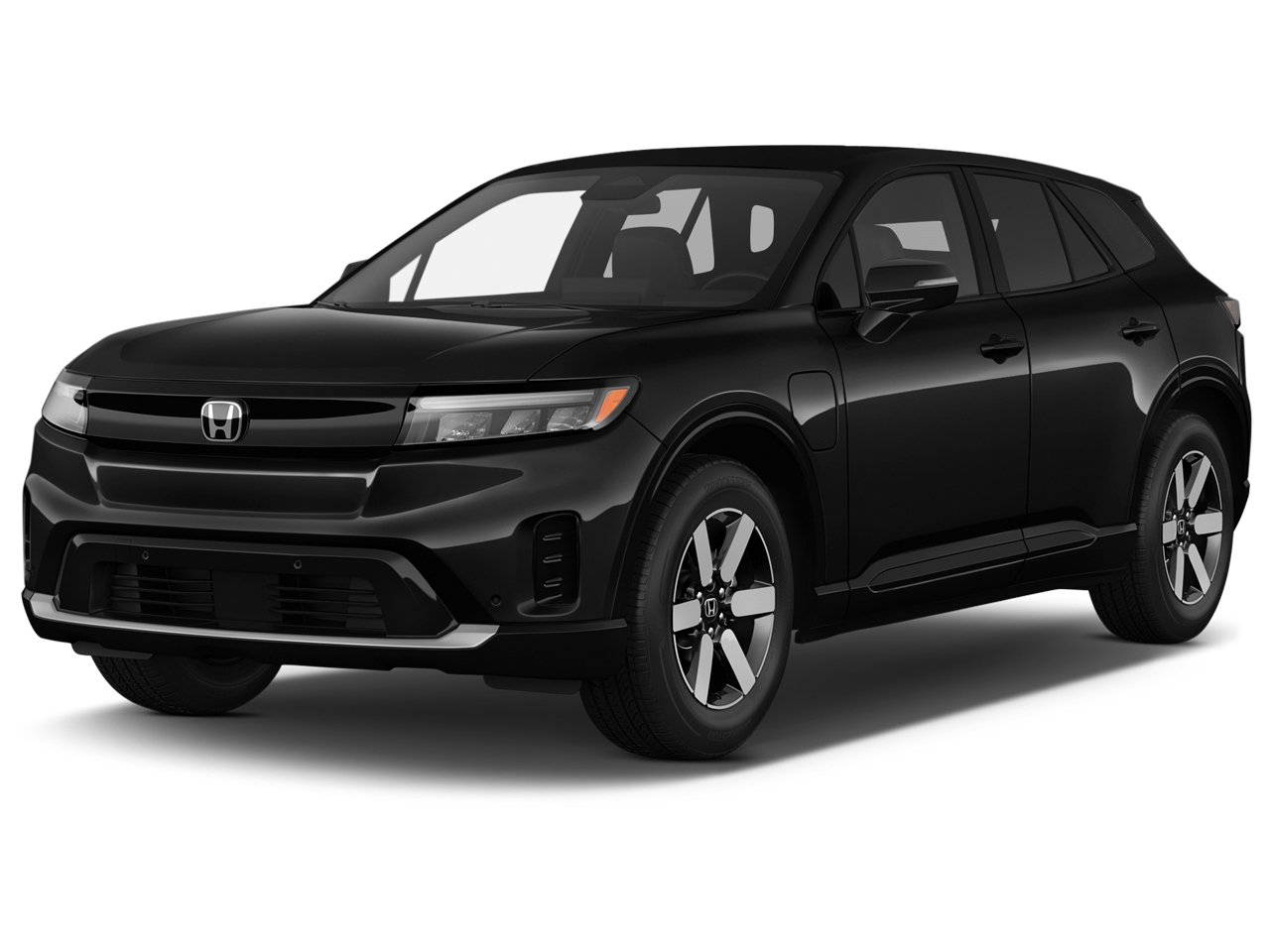
The 2026 Honda Prologue leans hard into the strengths of modern EVs: instant thrust off the line, near silence in city traffic, and a relaxed driving character that makes commuting feel less stressful. The dual‑motor all‑wheel‑drive versions deliver around 300 horsepower, which translates to quick enough acceleration for passing and on‑ramp work, even if they trail the hottest versions of rivals like the Kia EV6 or Ford Mustang Mach‑E.
Range is a clear, strong suit. In independent highway testing, earlier versions of this powertrain covered close to their EPA estimates, which already place the Prologue near the front of the family EV pack. The 11.5‑kilowatt onboard charger helps at home, since a properly installed Level 2 setup can add meaningful range in a short overnight window, something busy households will appreciate.
Ride quality is better than its Chevrolet Blazer EV cousin, especially on the Prologue’s 19‑inch wheels. Honda’s retuned suspension tamps down most body motions and avoids the clunks and bangs that plagued the Chevy. It is still on the firm side, yet the body stays settled over big freeway undulations, which keeps passengers from feeling tossed around.
The cabin gets the important pieces mostly right. The driving position offers ample adjustment for most adults, clear sight to the instrument screen, and a big left footrest. Rear passengers enjoy generous knee room and a reclining seatback, and the cargo area is shaped for real life, swallowing more luggage than sportier‑styled rivals like the Mustang Mach‑E and Volkswagen ID.4. The rear seats fold in a 60/40 split, and the underfloor bins and side wells make it easier to keep charging cables and small items from sliding around.
Honda’s decision to keep physical climate knobs and buttons is a quiet victory for day‑to‑day usability. Temperature and fan changes take a quick glance and a twist, not three taps through a buried screen menu. Wireless Android Auto and Apple CarPlay are standard on every trim, and the Google‑based navigation with EV routing is straightforward once you learn its logic, with live charge‑station info and realistic state‑of‑charge predictions baked into longer routes.
The 2026 Prologue line covers a logical spread of needs, starting with EX trims and scaling up to Touring and Elite. Front‑wheel‑drive EX and Touring models use a single‑motor setup rated at 220 horsepower, prioritizing range and efficiency over outright punch. These versions also enjoy a bit more range than the all‑wheel‑drive models, which makes them appealing for drivers in mild climates who spend most of their time on pavement.
All‑wheel drive arrives on EX, Touring, and Elite with a dual‑motor powertrain tuned to around 300 horsepower and 355 pound‑feet of torque. The EX AWD serves as the entry point for shoppers who want extra traction, pairing that power with an attractive starting price just under the mid‑$50,000 mark. It keeps the essentials like heated front seats, the big 11.3‑inch touchscreen, and a full active‑safety suite.
The Touring trim sits in the real sweet spot of the Prologue range. In front‑wheel‑drive form, it adds leather upholstery, power front seats, a panoramic roof, a power liftgate, and an upgraded audio system for only a moderate jump over the EX. That mix feels appropriate in a family EV, and it is the configuration that best balances comfort, range, and price. Touring AWD layers on extra performance and all‑weather confidence for drivers in snow belts or hilly regions.
At the top of the range, the Elite all‑wheel‑drive trim brings more equipment but also creeps into pricing territory where luxury EVs start to enter the conversation. It adds features such as run‑flat tires, additional ambient lighting touches, and extra climate gear, including heated windshield wiper areas, which cold‑climate owners will appreciate. Yet the basic cabin materials and overall design still feel closer to a well‑equipped mainstream SUV than to a premium EV, so shoppers focused on perceived luxury may want to cross‑shop similarly priced models from Genesis, BMW, or Tesla.
The driving experience never quite lives up to Honda’s usual standards. Steering effort is light enough for parking lots, yet the response is slow off-center and short on feedback. You need to turn the wheel more than expected through ordinary corners, which makes the Prologue feel larger and less precise than it really is. It grips well in emergency maneuvers, and the stability control tuning is confident, but drivers who like a bit of sparkle in how their SUV responds will find more fun in an IONIQ 5, EV6, or Model Y.
Brake performance is a mixed bag. Pedal feel is refreshingly natural, avoiding the grabby, inconsistent behavior that afflicts many EVs that blend friction and regenerative braking. However, instrumented tests show the Prologue needs more asphalt to stop than key rivals, particularly in the wet, so it does not set the benchmark for panic‑stop capability. For daily errands, the brakes feel fine, yet those numbers matter when a sudden highway stop crops up in the rain.
Cabin quality is one of the clearest reminders that this is a GM‑based product. Hard plastics dominate the doors and center console, the armrests lack padding, and the column shifter and stalks feel borrowed from cheaper Chevrolets. At a price that climbs well past the mid‑$50,000 range in Touring AWD and Elite form, shoppers are right to expect richer materials and more cohesive design. The seats also disappoint: they look upscale, but the cushions are firm, flat, and low on lateral support, and several drivers found the built‑in lumbar too aggressive even at its minimum setting.
Visibility is another weak point. Extra‑thick windshield pillars, a wide hood, and a high beltline create sizable blind spots around intersections and when checking over your shoulder on the highway. The rear window is small, and the chunky roof pillars further restrict the view. The blind spot monitoring system and cameras become less a convenience and more a necessity, which is not ideal in tight urban traffic or crowded parking structures.
Some control decisions feel needlessly complicated. Regenerative‑braking settings and the one‑pedal driving toggle live in tiny icons at the top of the infotainment screen, so changing levels on the move is both distracting and fiddly. The left‑side steering‑wheel paddle that adds instant regen acts like an abrupt on or off switch rather than a progressive lever you can modulate, which limits its usefulness. Even the hazard‑light button is hidden in a row of small overhead switches near the SOS control, exactly where you do not want guesswork in an emergency.
Honda’s driver‑assist suite is generous for the class, but it stops short of offering a true hands‑free system like GM’s Super Cruise, which is available on related models and on the Acura ZDX. Adaptive cruise control works smoothly but leaves a big gap to the car ahead, making it easy for other drivers to cut in, and it times out too quickly in stop‑and‑go traffic, forcing the driver to keep resuming the system. Lane keeping behaves gently and avoids ping‑ponging, yet it usually intervenes only after the Prologue has drifted close to or over the lane line.
Our Take
The 2026 Honda Prologue lands as a pragmatic entry into the EV space, not a game changer. It nails the EV fundamentals that matter most for daily life: solid range, easy home charging, smooth power, and a roomy interior that hauls kids and cargo with less compromise than some style‑driven rivals. The decision to keep CarPlay, Android Auto, and real climate knobs gives it an immediate advantage over GM’s own Ultium SUVs for anyone who cares about simple tech.
At the same time, shoppers expecting the crisp steering feel and thoughtful cabin polish that usually define Honda products may walk away a bit cold. The Prologue drives securely but not eagerly, feels more GM than Honda inside, and asks real money in its upper trims without delivering the material richness or refinement you get in some competing EVs at similar prices. For buyers who want a straightforward, honest electric family SUV and plan to lean on home charging, the Prologue Touring, especially in front‑wheel‑drive form, is the most convincing version of this formula.